REVIEW · ROME
Private Exclusive Rome Walking Tour in English or Spanish
Book on Viator →Operated by Rome Adventures · Bookable on Viator
Rome looks better when the sun goes down. This private Rome walking tour uses dusk as your guide, taking you past major landmarks and a couple of off-the-radar corners while the city cools off. You also get a real story thread, from ancient Rome to Baroque Rome, instead of random photo stops.
I love two things right away: the personal pace and the way it mixes famous sights with quieter, more artistic pauses. One minute you’re near Trajan’s Forum, then you’re looking at art nouveau details in Galleria Sciarra, and later you’re seeing Trevi Fountain lit up like a movie set.
One thing to plan for: one stop involves an entrance fee not included, and during the Jubilee some monuments may be under restoration, so a message could change what you see.
In This Review
- Key highlights to look for
- Why Rome at dusk changes the whole experience
- Private walking tour format: what “exclusive” means in 2 hours
- The meeting point: Piazza d’Aracoeli to Trajan’s Forum stories
- Galleria Sciarra: the art nouveau pause most people skip
- Trevi Fountain in warm evening light: photos and myth without the rush
- Sant’Ignazio di Loyola: Baroque drama and a fascinating secret
- The best-preserved ancient Rome building stop (paid entry)
- Piazza Navona at night: fountains, church, and a classic finish
- How guides make this tour feel worth it
- Price and value: is $118.58 per person fair?
- Jubilee restoration note: what to expect if monuments change
- How to plan your Rome evening for an easy walk
- Should you book this Rome evening walking tour?
- FAQ
- What languages is the tour offered in?
- How long is the private walking tour?
- Where does the tour start and end?
- Is this tour private?
- Are the monument stops included with admission?
- Do I need to print tickets?
- How far in advance do people usually book?
- What if monuments are closed or under restoration?
- Is it easy to reach by public transportation?
- Can I cancel for a refund?
Key highlights to look for
- Dusk timing for better light and calmer walking along the route
- Private format that keeps the pace flexible for your group
- Trevi Fountain and Piazza Navona at night with classic evening atmosphere
- Galleria Sciarra pause to spot art nouveau frescoes and paintings
- Baroque church stop with a story-driven secret at Sant’Ignazio di Loyola
- One paid-entry ancient stop (admission fees not included)
Why Rome at dusk changes the whole experience
Daytime Rome can feel like an assignment: get there, look fast, fight the crowd, move on. Dusk is different. The same streets feel more human, and the city’s biggest monuments look more dramatic when the light turns warm. You’ll also be walking during a time when you can actually enjoy the details instead of just surviving the heat.
This tour leans into that idea. Instead of starting too early and trying to cram everything in before the crowds fully set, you start near Piazza d’Aracoeli and end at Piazza Navona. That gives you a natural flow: ancient stone first, then fountains and churches as the evening settles in.
The payoff is simple: you’re not only seeing Rome, you’re learning how the layers connect.
You can also read our reviews of more walking tours in Rome
Private walking tour format: what “exclusive” means in 2 hours
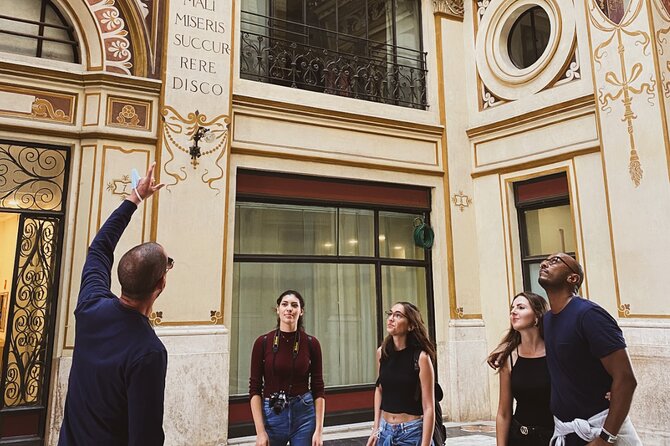
“Private” here isn’t marketing fluff. It means only your group participates. That matters in Rome, where the difference between a good pace and an exhausting one is often just how long you spend waiting, shuffling, or stopping for group logistics.
In about two hours, you cover several major spots without turning the experience into a blur. And the reviews hint at what you can expect from the guide style: Ani kept things on time and adjusted pace to the small group’s needs. Mitch (Michelle) focused on ancient and more recent history in a way that was easy to follow. Dalila brought humor along with the facts.
So if you want your evening to feel like a guided stroll with smart context (not a race), this format fits.
The meeting point: Piazza d’Aracoeli to Trajan’s Forum stories
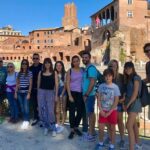
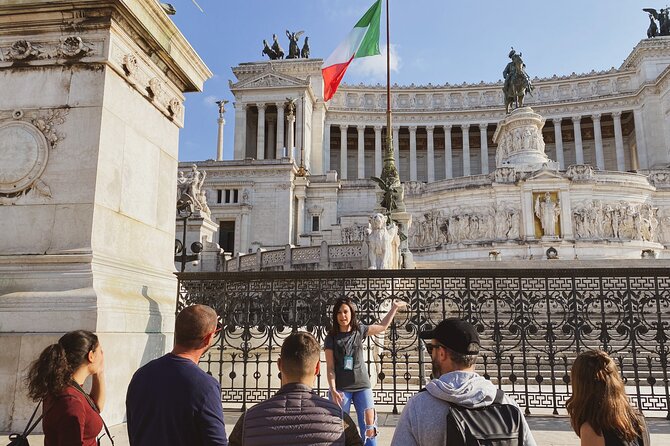
You start at Piazza d’Aracoeli and begin working your way toward the old heart of the city. This first stretch is where the tour earns its time. You’re not just walking past landmarks. You’re getting the timeline: Trajan’s Forum and Piazza Venezia as a bridge from ancient Rome, through the Renaissance, and onward into Napoleonic Rome.
Even with only a brief stop, this kind of framing helps you “read” the city as you go. A lot of first-time Rome sightseeing feels like disconnected postcards. Here, the guide connects the dots—so when you later see Baroque churches and famous fountains, you understand what era you’re looking at and why it matters.
Quick practical tip: wear shoes you trust. Even if the route is short, you’re on uneven sidewalks and you’ll want to keep moving comfortably during the evening.
Galleria Sciarra: the art nouveau pause most people skip
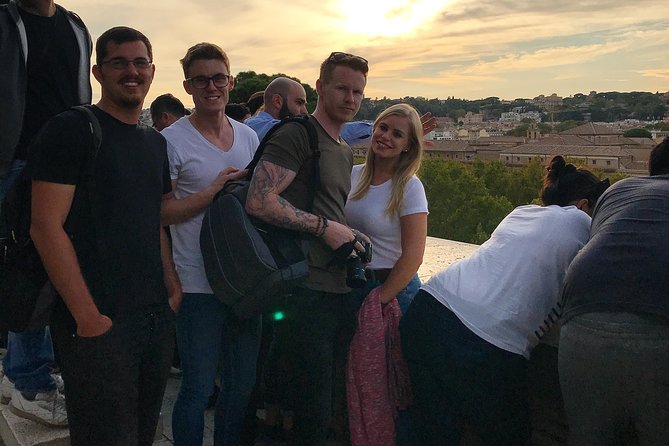
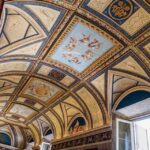
Then you step into Galleria Sciarra, which is the kind of place that breaks the pattern. Instead of another big-famous plaza, you get a 19th-century building with art nouveau frescoes and paintings. That’s a welcome change of scenery, and it also adds variety to the stories your guide is telling.
This stop is also short—about 10 minutes—so think of it like an intentional breath. You’ll have time to look closely and take a few photos, but it won’t drag. If you like architectural details, you’ll appreciate that the tour doesn’t only chase the loudest names.
One drawback to note: you’ll enjoy this most if you keep your attention on surfaces and design elements. If you only want big monuments, you might find this moment less dramatic than Trevi or Piazza Navona. But that’s exactly why it’s worth including.
Trevi Fountain in warm evening light: photos and myth without the rush
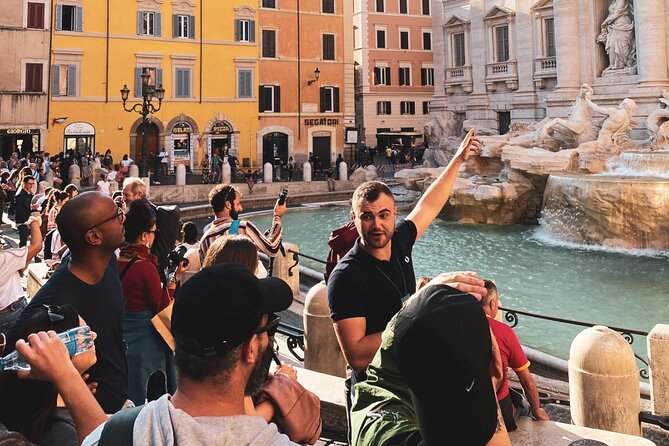
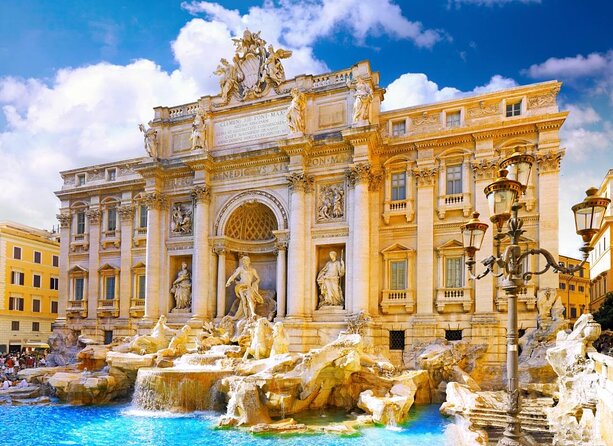
Next up is Fontana di Trevi, and yes, it’s famous for a reason. The tour’s timing at dusk changes the feel. The fountain’s imposing facade and sculptures become more cinematic when the light turns golden and the water catches it all.
This is your “big moment” stop. You’ll have around 10 minutes to take pictures and soak it in. If you’ve only seen Trevi in daylight photos, the nighttime look is a different experience—more mood, more contrast, and better-looking images for most phones and cameras.
Also, a guided story here adds value. The guide helps you connect the fountain to Rome’s wider history and culture, so you’re not just standing in front of a selfie backdrop. You’re learning why this place became a symbol.
Photo tip: keep moving slightly as you shoot. Even a small shift changes your angle and how much of the facade you capture.
You can also read our reviews of more private tours in Rome




Sant’Ignazio di Loyola: Baroque drama and a fascinating secret
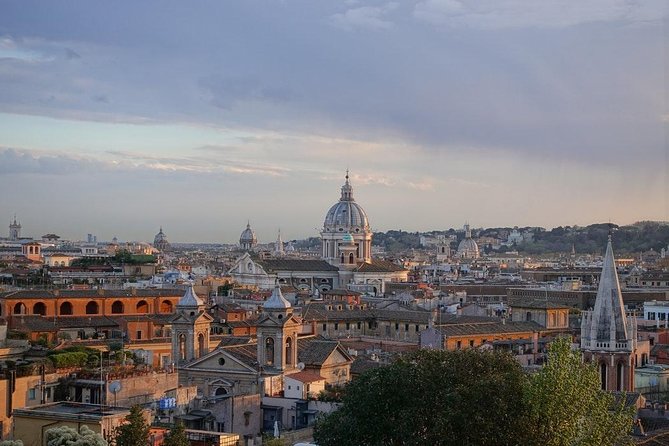
The next stop is Chiesa di Sant’Ignazio di Loyola, a well-known Baroque church. The tour doesn’t treat it like a quick walk-by. You’ll learn about why it’s so famous and hear about a fascinating secret tied to the church.
Baroque churches can run together if you only look at the obvious decor. What makes a guided stop work is focus: where to look first, what to notice, and how the symbolism fits the era. With this tour, you don’t have to guess. Your guide points you in the right direction, and 10 minutes can feel like more when you’re looking with intention.
Practical note: churches often have areas where you should keep your voice down and move respectfully. If you’re the type who wants to stop for a slow look, this is a good place—but follow your guide’s pace.
The best-preserved ancient Rome building stop (paid entry)

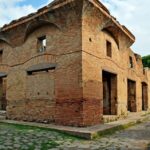
At one point you’ll visit the best preserved building from ancient Rome, but admission fees are not included. That means this stop can add to your total cost depending on what you pay at the entrance.
I like that the tour flags this clearly. It’s better than the usual surprise where you realize too late that you need tickets you didn’t budget for. The trade-off: you should plan a little time and money for this one segment.
Because the stop is tied to paid entry, it’s also a reminder to pack lightly. If you’re carrying a bulky bag, you may feel it when you’re moving through entry checks and crowded interior spaces.
If you’re trying to keep your evening simple, just remember this is the only stop where you’ll likely pay separately.
Piazza Navona at night: fountains, church, and a classic finish
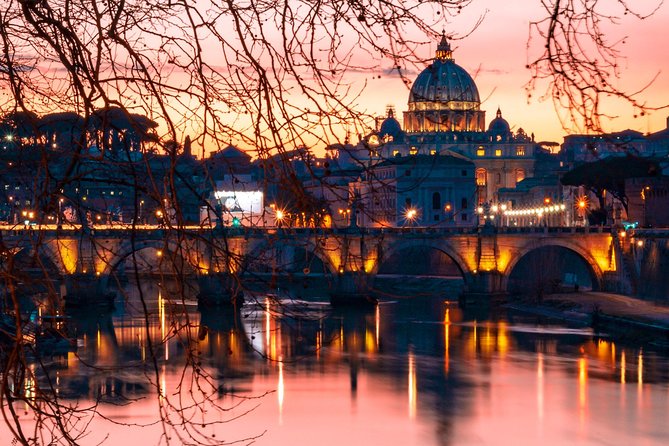
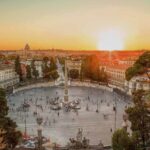
You end in Piazza Navona at the Fountain of the Four Rivers. That finish point is smart. Piazza Navona is one of Rome’s great evening stages, with three magnificent fountains and the Baroque church of Sant’Agnese in Agone.
Because you’re finishing here, it feels like your walk “lands” in the right place. Trevi gets the first big fountain moment; Piazza Navona gives you a full square payoff with more space to breathe and keep looking even after the tour ends.
It’s also a great location to continue your night. You’ll be near plenty of dining and wandering options, and you’re right in the heart of one of Rome’s most photogenic areas.
If you want a smooth transition, plan to linger after the tour finishes, not run to the next thing immediately. Spend 20 minutes just letting the square set in. That’s where the evening magic actually sticks.
How guides make this tour feel worth it
The biggest “value” boost here is the guide. The reviews you’d expect for a great walking tour aren’t just about information. They’re about delivery: humor, pacing, and helpful suggestions.
Dalila stood out for mixing being informative with being funny. Frank enjoyed the way Theo explained naming and construction—how structures relate to who built them and what you’re seeing now. Ani was praised for being on time and for adjusting pace based on the group.
Mitch’s impact came from connecting ancient and more recent history in a way that you could actually remember. And several people mentioned receiving recommendations for what else to see and do after the walk.
For you, this means the two hours don’t feel like a checklist. You’ll walk away with a framework for what you’re looking at next—and with ideas for how to spend the rest of your evening.
Price and value: is $118.58 per person fair?
At $118.58 per person, this isn’t a bargain-bin group tour. But it also isn’t trying to be. You’re paying for a private experience, a guide, and a focused route that hits major sights plus architectural variety—all in about two hours.
Here’s how I think about value for this kind of tour:
- If you’re the type who gets annoyed by waiting, crowded pacing, or unclear stories, the private format usually pays you back immediately.
- If you care about what you’re looking at (and not just where the landmark is), the guide’s storytelling is the main reason this feels worth it.
- The only potential money surprise is the paid-entry ancient stop. If you budget for that, you’ll stay in control.
If you’re traveling with just two or three people, private tours can still make sense because you’re not splitting the experience across a big group. If you’re traveling solo, it may still be worth it if you want a guide who adapts the pace to you.
Jubilee restoration note: what to expect if monuments change
One practical point before you go: due to the Jubilee, some monuments may be under restoration. The tour notes that you should pay attention to any messages that might come before your visit regarding changes.
This matters because Rome is a work-in-progress city. Scaffolding can shift what’s visible and what your guide can access. The good news is that the tour is set up to communicate potential changes, so you’re not left guessing on the spot.
When restoration affects a stop, think of it as a chance to focus on what you can still see: layout, perspective, and the story your guide can still tell from the surrounding viewpoints.
How to plan your Rome evening for an easy walk
You’re meeting near Piazza d’Aracoeli and finishing in Piazza Navona, so plan to keep your night simple. Start with a light meal or snack before you go, because your tour window is short and walking takes energy.
Bring:
- Comfortable shoes for uneven sidewalks
- A light layer, since evenings can cool down
- Your phone charger, especially if you want Trevi and Navona photos
- A payment plan for the paid-entry stop, since admission fees aren’t included
Also, the tour uses a mobile ticket, so have it ready on your phone. And since it’s near public transportation, you can also reduce stress if you’re arriving by bus/metro and want a quick hop to the meeting point.
Should you book this Rome evening walking tour?
I’d book it if you want Rome in a smarter order: big monuments plus story at dusk, with a guide who keeps the pace human and the explanations clear. The route makes sense for an evening because it starts with Rome’s layers near Piazza Venezia and ends with the fountains and atmosphere of Piazza Navona.
Skip it only if you prefer long, unguided time in one site, or if paying extra entrance fees at the ancient stop would annoy you. If that’s your style, you might prefer a self-paced plan.
For most people chasing an evening that feels personal rather than frantic, this private walking tour is a very solid way to spend two hours in Rome.
FAQ
What languages is the tour offered in?
The tour is offered in English or Spanish.
How long is the private walking tour?
It lasts about 2 hours.
Where does the tour start and end?
It starts at Piazza d’Aracoeli and ends in Piazza Navona at the Fountain of the Four Rivers.
Is this tour private?
Yes. It’s private, and only your group will participate.
Are the monument stops included with admission?
Most stops are listed as free, but the best preserved building from ancient Rome has admission fees not included.
Do I need to print tickets?
No. The tour uses a mobile ticket.
How far in advance do people usually book?
On average, it’s booked about 41 days in advance.
What if monuments are closed or under restoration?
Due to the Jubilee, some monuments may be under restoration. Messages may be sent regarding potential changes.
Is it easy to reach by public transportation?
Yes, it’s near public transportation.
Can I cancel for a refund?
You can cancel up to 24 hours in advance for a full refund.