REVIEW · ROME
Rome:”The Scandalous Life of The Borgia Family” Walking Tour
Book on GetYourGuide →Operated by Roman Art and History · Bookable on GetYourGuide
Borgia scandals, stone streets, and dark art. This 3-hour walk through central Rome tracks Cesare and Lucrezia Borgia with Luisa bringing the Renaissance to life street by street. I especially liked how the route mixes big-name Rome landmarks (ancient ruins and major forum-adjacent sights) with the spicy storyline—poisoned wine, corrupted priests, mysterious murders. One caution: if you’re very strict about exact art attributions or dates, there can be claims that you may want to cross-check, since history details are easy to tangle on a walking tour.
What makes this tour a good value is that you’re not just hearing gossip—you’re walking through the physical layers of Rome, from ancient settings to medieval towers and gothic churches. The route also ends in a “last twist” zone near Palazzo Farnese, so it feels like a real narrative arc instead of a stop-and-stare history lesson. The main practical consideration is simple: church visits are part of the walk, so dress appropriately.
In This Review
- Key highlights you’ll feel on this Borgias walk
- Getting started at Via Cavour: the mood is set immediately
- Rione Monti and Trajan’s Market: Rome’s old bones underfoot
- Trajan’s Column and Piazza Venezia: power on display
- Palazzo Venezia: where style and politics meet
- Largo di Torre Argentina: the drama of surviving ruins
- Santa Maria Sopra Minerva: dress for church time
- How the secret-passage stories shape the walk
- The art angle: what you’ll enjoy, and what to double-check
- Price and value: does $77 make sense for this 3-hour walk?
- Who this tour fits best (and who should skip)
- The human touch: Luisa’s delivery is the engine
- Should you book the Scandalous Life of the Borgia Family tour?
- FAQ
- Where does the tour start?
- Where does the tour end?
- How long is the walking tour?
- What is the price per person?
- Is this a private or small-group tour?
- What languages are available?
- Does the tour include church visits?
- How many people will be in the group?
- Is there free cancellation?
- Can I reserve without paying right away?
Key highlights you’ll feel on this Borgias walk
- Via Cavour meeting point right by the Borgia Stairs makes it easy to start fast and get in the mood.
- Small group (up to 10) keeps questions possible and the pace sane for a dense city center.
- Ancient Rome layers show up repeatedly, including Trajan’s area views and the Forum area from above.
- Renaissance romance and revenge themes connect the sites into one story, not random facts.
- Santa Maria Sopra Minerva is a real church stop, so plan clothing that fits.
- Finish at Piazza Farnese so you end near a powerful, dramatic Rome setting.
Getting started at Via Cavour: the mood is set immediately
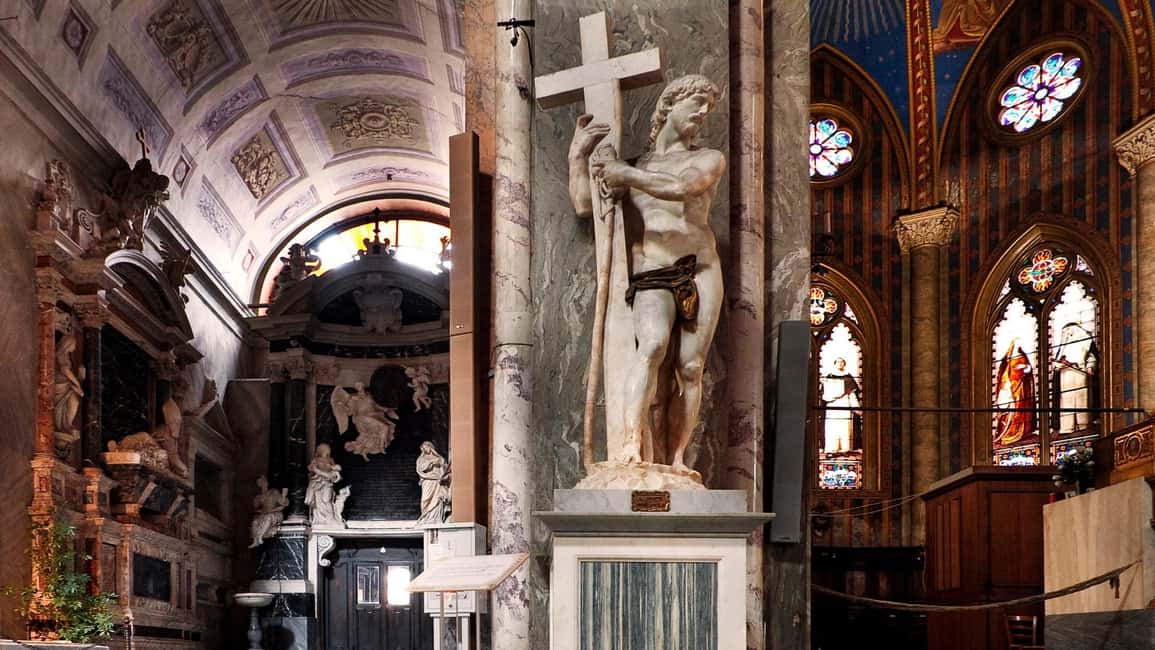
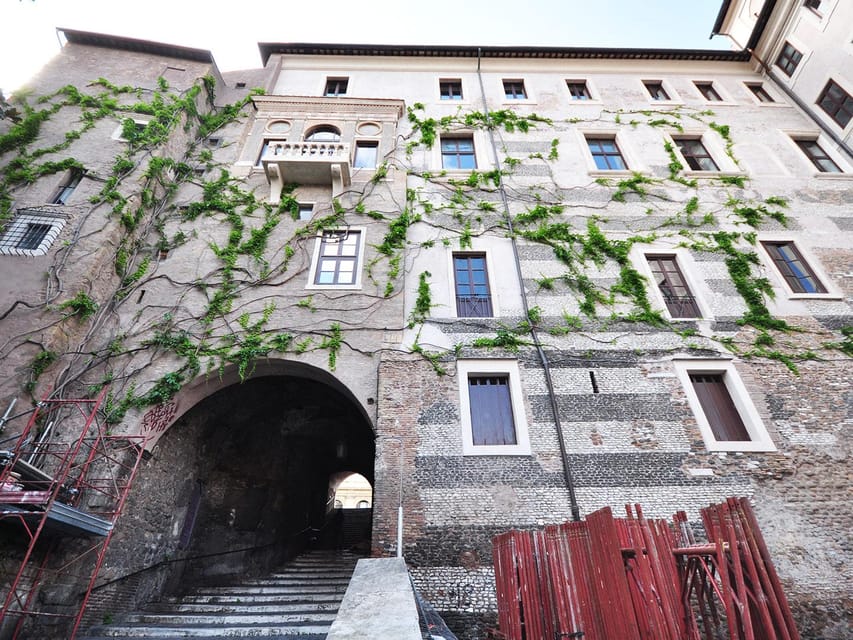
You begin at Via Cavour, 256a, right in front of the big Borgia Stairs. That matters because the tour doesn’t start in a bland “meeting point” zone—it starts in a place that feels tied to the theme: stairs, suspense, and the idea of hidden movement through the city.
From there, you’ll work toward the balcony of Raphael and nearby city corners where Renaissance art and elite power politics sit close together. It’s a useful way to frame what you’re about to learn: the Borgias weren’t just rumor—they were embedded in the Rome that produced the art you came for.
You can also read our reviews of more walking tours in Rome
Rione Monti and Trajan’s Market: Rome’s old bones underfoot
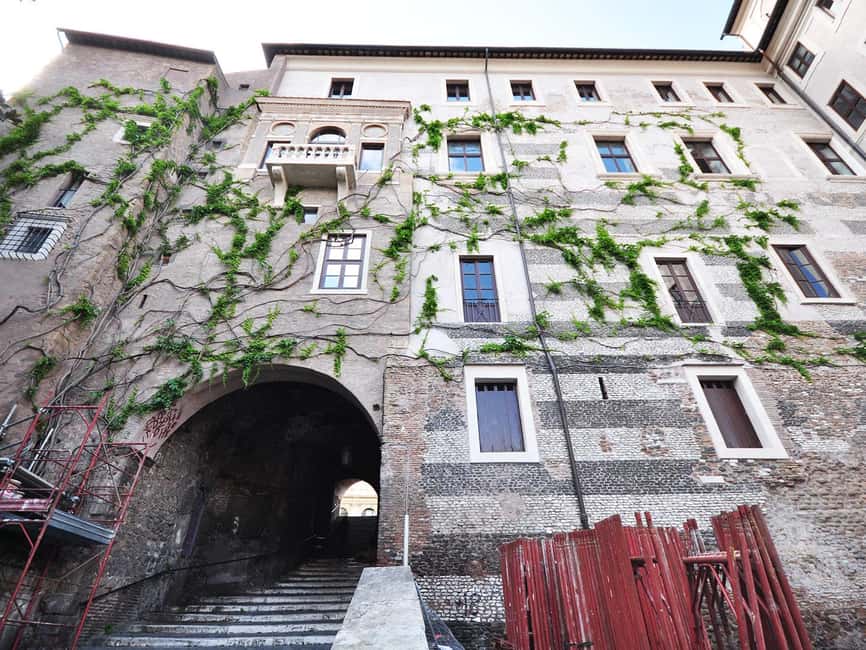
In Rione Monti, you get a short reset of the neighborhood context. Monti is one of those areas where modern streets sit over older layers, so even before the heavier stops, you’re being trained to look at Rome as a stack of eras instead of one era.
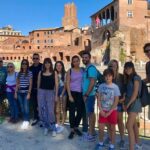
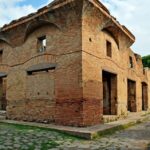
Then the walk heads into Trajan’s Market. Even if you only get a brief guided look, this stop is valuable because it helps you understand why Renaissance power players loved Rome so much: the city was already crowded with grandeur, engineering, and symbols of authority. This is also where the tour’s tone starts turning from “story” into “story + place,” which is the best format for tourists who want something more than TV-style Borgias drama.
Trajan’s Column and Piazza Venezia: power on display
At Trajan’s Column, you get a focused stop that works well in a short walking tour. The timing is tight, but it’s exactly the kind of sight that supports the tour’s larger theme: propaganda and image-making are old tools in Rome. When your guide talks about scandal and control, Trajan’s presence helps it feel less random and more like a system that Rome has always run on.
Piazza Venezia follows, and it’s a quick, practical viewpoint moment. You’re moving through the urban center and learning what to notice—major sightlines, the feel of the streets, and the way big squares reshape how you read a city.
Palazzo Venezia: where style and politics meet
At Palazzo Venezia, you’ll spend more time than the quick square stops, which is a hint that this is one of the tour’s “meaning stops.” This kind of building works perfectly for Borgias storytelling because the Borgias were court people: they understood that architecture, official spaces, and the visible face of power were tools.
Even when you’re not staring at a single artifact for long, you’re getting the guide’s larger point: Renaissance Rome was a place where status could be performed. The tour’s strength is connecting that idea to the darker side—how betrayal and ambition could move through the same corridors as patronage and art.
Largo di Torre Argentina: the drama of surviving ruins
The route then reaches Largo di Torre Argentina, a guided stop that leans into the visual drama of Rome’s archaeological spaces. This is the part of the tour where the story tone tends to deepen, because ruins naturally push your imagination toward secrets, meetings, disappearances, and the sense that history still has trapdoors.
You’ll also be walking through a part of Rome where you can feel the city’s medieval and ancient layers at the same time. That’s important for a tour like this, because the Borgias era sits right between ages—close enough to the Renaissance to feel artistic, close enough to older Rome to feel haunted.






Santa Maria Sopra Minerva: dress for church time
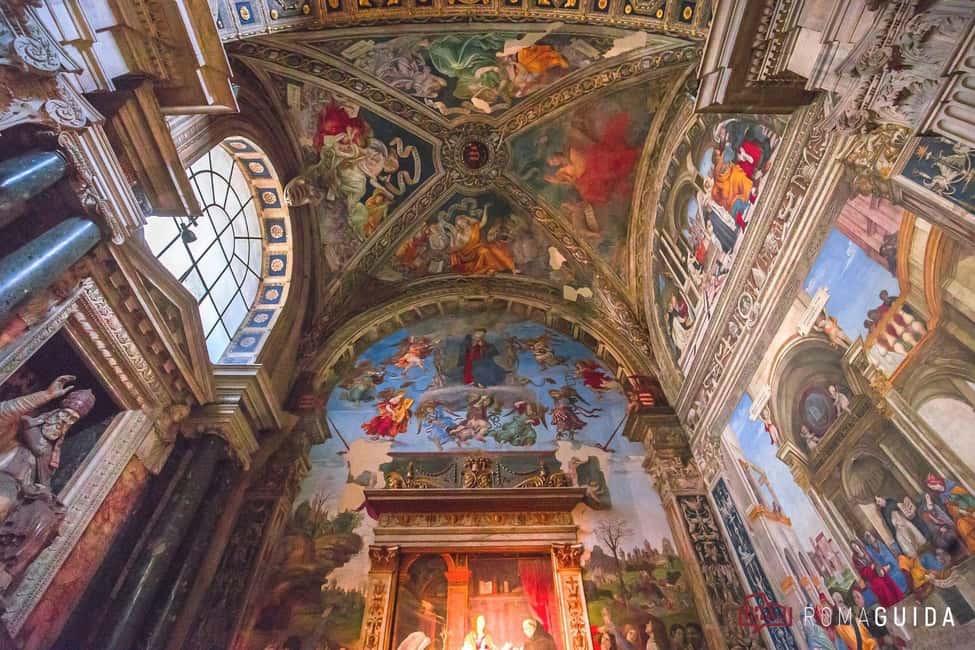
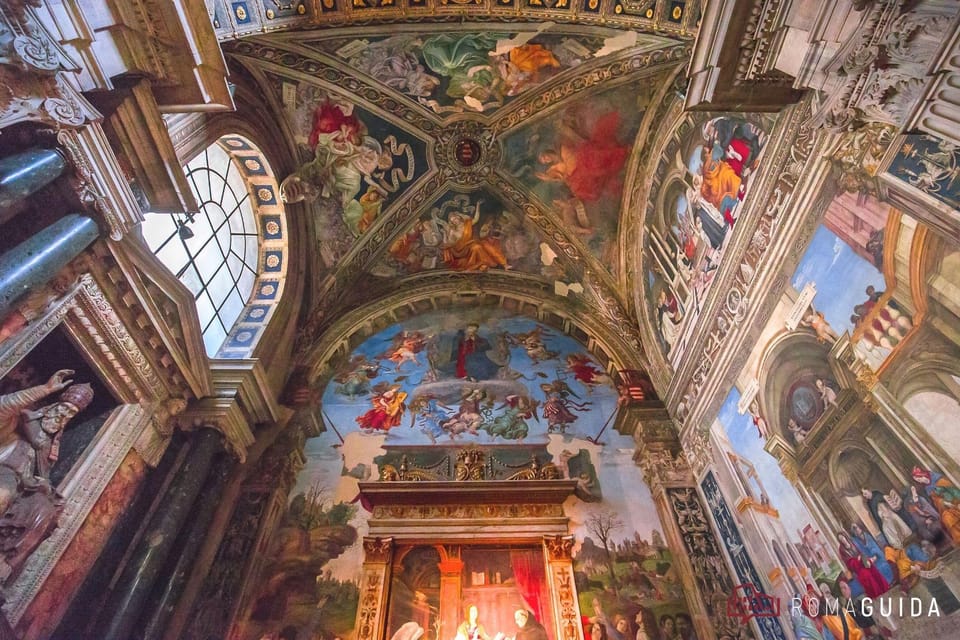
The last major site stop is Santa Maria Sopra Minerva, with a guided visit time built in. This matters for two reasons: first, it’s one of the better-known places on the route, so you get a satisfying payoff. Second, it’s a real church stop, so your outfit has to cooperate.
Pack a practical approach: shoulders and legs covered in a way that feels respectful and lets you move without fuss. If you’re the type who likes to wear light summer clothes, this is the one moment where you’ll want a backup layer.
How the secret-passage stories shape the walk
The tour’s headline is scandal, revenge, and the unbelievable stuff—luxurious courtesans, poisoned wine, betrayed men, corrupted priests, and mysterious murders. But what makes those themes work on your feet is that the guide doesn’t treat them like pure sensationalism.
You’re specifically led to understand how the Borgias narrative fits Rome’s geography, including talk of secret passages connected to Cesare Borgia and the theme of escaping the Pope’s soldiers. Even if you don’t treat every detail as literal history, the exercise still helps you read the city: Rome’s passages, levels, viewpoints, and “from above” perspectives change how you imagine power moving through the streets.
The guide also brings in the Roman Forum from above, which is a smart choice. When you look down, the scale snaps into focus. That’s when Renaissance power stories feel less like gossip and more like strategy.
The art angle: what you’ll enjoy, and what to double-check
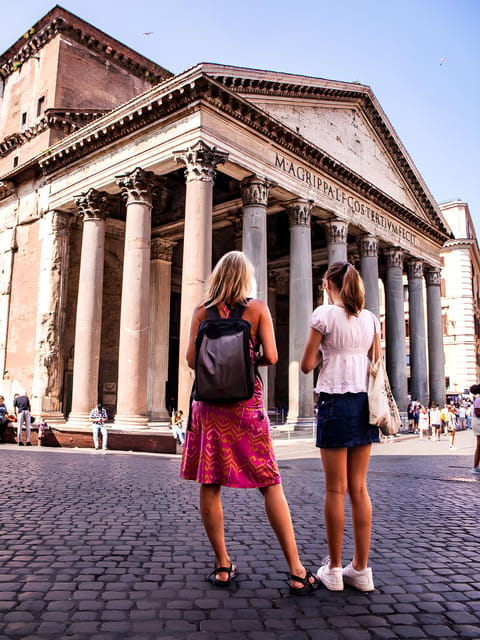
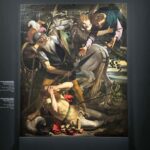
This tour mixes scandal storytelling with Renaissance art and the kinds of paintings you associate with the era. That blend is usually where this experience wins people over, especially if you’ve watched the Borgias on screen and want to match screen drama to the real city.
Still, there’s one thing to keep in mind: art-history details can be easy to misstate when you’re moving quickly between sites. Some visitors have flagged issues with specific claims about dates and identifications connected to artists, and they also questioned whether certain meetings were correctly placed in time. If you love art history with strict dates, I’d treat the tour as interpretive and confirm anything exact later using your own sources.
On the flip side, even when a single attribution is off, the tour’s larger theme—how the Borgias operated inside the same Rome that produced major Renaissance culture—remains useful and enjoyable.
Price and value: does $77 make sense for this 3-hour walk?
At $77 per person for 3 hours, this is priced like a serious guided experience rather than a budget group stroll. You’re paying for a small group size (up to 10) and a live guide who covers both major city sights and a specific, story-driven theme that most Rome walks don’t touch.
For your money, the best value points are:
- Theme specificity: Cesare and Lucrezia, not generic Rome history.
- High-density central stops: ancient areas plus church time plus a strong finish at Piazza Farnese.
- Time in the middle: the guide holds your attention for multiple key stops instead of rushing everything into one quick loop.
If you’re mostly interested in standard landmarks only, this might feel expensive. If you want your Rome with story, context, and a darker edge, the price starts to feel fair.
Who this tour fits best (and who should skip)
This walk is ideal if you:
- Like Renaissance Rome but want it told with a story arc instead of lecture mode.
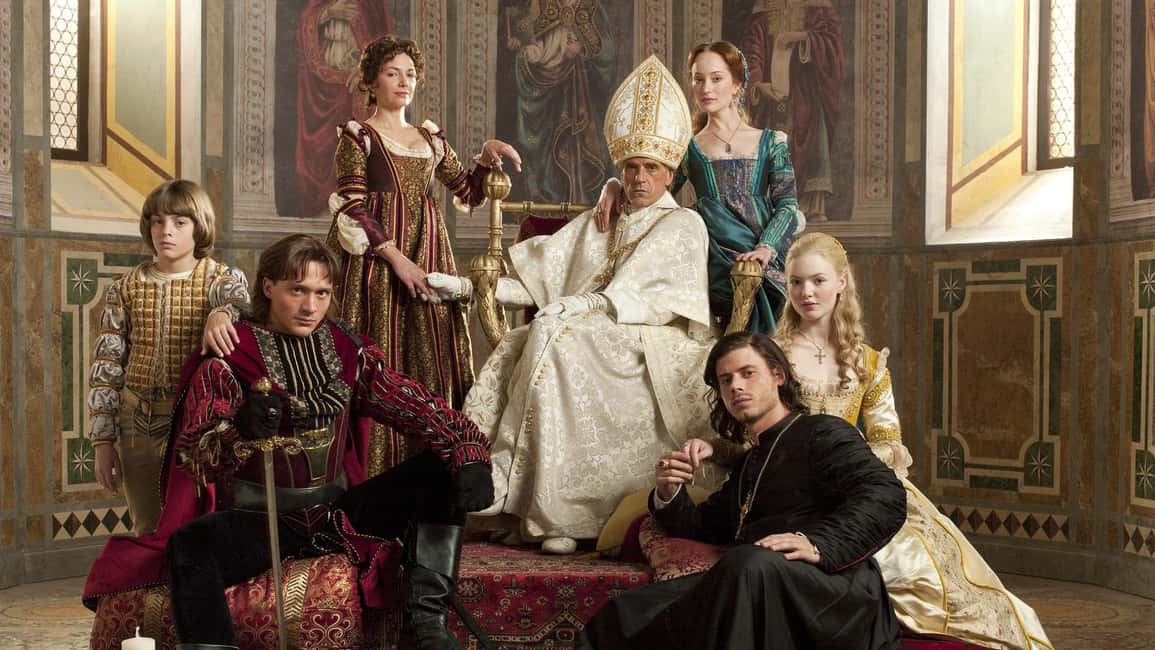
- Enjoy the Borgias concept from TV or books and want a real city match for the names.
- Prefer small-group pacing where you can ask questions when something sparks your curiosity.
- Want church time included in a walking day, without turning the day into a museum slog.
You might skip it if you:
- Only want totally verified, textbook-level art attributions at every stop.
- Hate walking between sites in central Rome (it’s a 3-hour trek through multiple stops).
- Need a strictly neutral tone and would rather avoid scandal-forward storytelling.
The human touch: Luisa’s delivery is the engine
What really sells this tour is how the story lands in real time. Multiple people singled out Luisa for bringing the Renaissance to life with energy and strong command of the material. That kind of guide matters a lot on a theme tour, because the city can’t carry the drama by itself—you need someone who can connect the sites into one believable narrative.
I also like the fact that the tour uses a mix of quick viewpoint moments and longer guided segments. That keeps your brain from switching off, especially on a route that moves through ancient ruins, major squares, and church interiors.
Should you book the Scandalous Life of the Borgia Family tour?
I think you should book if you want Rome in a more cinematic way—scandal + art + ancient stones—with a guide who can handle both the light and the dark sides of the Renaissance. It’s a solid choice for history lovers who also like a bit of danger in their day.
You should hesitate if you’re the kind of traveler who needs absolute perfection on art dates and identifications. In that case, you can still enjoy the walk, but plan to fact-check the few technical points that can get messy when you’re covering a lot in a short time.
If you’re choosing between a generic Rome history walk and this one, this is the more memorable option—especially if the Borgias theme is already on your travel radar.
FAQ
Where does the tour start?
It starts at Via Cavour, 256a, in front of the big Borgia Stairs.
Where does the tour end?
The tour finishes at Piazza Farnese.
How long is the walking tour?
The duration is 3 hours.
What is the price per person?
The price is $77 per person.
Is this a private or small-group tour?
It’s a small group with a limit of 10 participants, and it uses a private and semi-private guide format.
What languages are available?
The live tour guide is available in English and Italian.
Does the tour include church visits?
Yes, it includes visits to churches, so you’ll want to dress appropriately.
How many people will be in the group?
The group is limited to 10 participants.
Is there free cancellation?
Yes. You can cancel up to 24 hours in advance for a full refund.
Can I reserve without paying right away?
Yes. The booking offers a reserve now & pay later option.