REVIEW · ROME
Rome: Trastevere and Jewish Ghetto Walking Tour
Book on GetYourGuide →Operated by The Voyager · Bookable on GetYourGuide
Old Rome feels close on foot. This small-group-style walk threads Trastevere alleyways with major worship stops and then pushes you into Rome’s Jewish Ghetto area, ending in a lively piazza with one of the city’s prettiest fountains. You get a live guide with headsets, so you’re not stuck guessing what you’re looking at.
I especially like how the tour mixes postcard views with places of faith you can actually pause at, like Santa Maria in Trastevere and Santa Cecilia. I also like the route logic: you stroll, cross Isola Tiberina, and then shift neighborhoods in a way that makes the city feel like a living map instead of a checklist.
One drawback to plan for: this is rain or shine, and past bookings show that language matching and punctual starts have sometimes been imperfect. If you care a lot about getting the exact language you booked, I’d treat this as a tour where you should double-check confirmation and build in a little buffer.
In This Review
- Key things I’d watch for on this tour
- Starting at Piazza Trilussa: easy to find, fun to arrive
- Trastevere alleyways and church stops that make sense together
- Crossing Isola Tiberina: the route gets a real Rome moment
- Jewish Ghetto sights: Synagogue area and Portico d’Ottavia
- The walk ends at Fountana delle Tartarughe
- Timing, rain rules, and what to wear so you don’t get shut out
- The $71 value: live guide plus headsets for a smoother experience
- Who this tour fits best (and who should look elsewhere)
- A couple of practical snags to plan for
- Should you book this Rome: Trastevere and Jewish Ghetto walking tour?
- FAQ
- What is the duration of the Trastevere and Jewish Ghetto walking tour?
- Where do I meet the guide?
- What sights will I see during the walk?
- Is the tour available in English?
- Does the tour include headsets?
- Is the tour rain or shine?
- What should I bring?
- Are there any clothing restrictions?
- Is food or drinks included?
- Is the tour wheelchair accessible?
Key things I’d watch for on this tour

- Piazza Trilussa meeting point: a smart place to start, right in the middle of Roman nightlife energy
- Church stops you can compare: Santa Maria in Trastevere, San Francesco a Ripa, and Santa Cecilia on one walk
- Isola Tiberina crossing: the only island inside the city center, which makes the route feel unique
- Jewish Ghetto icons: the Synagogue area plus the Portico d’Ottavia
- Fountana delle Tartarughe finale: you finish in a charming square instead of disappearing back to the meeting spot
Starting at Piazza Trilussa: easy to find, fun to arrive
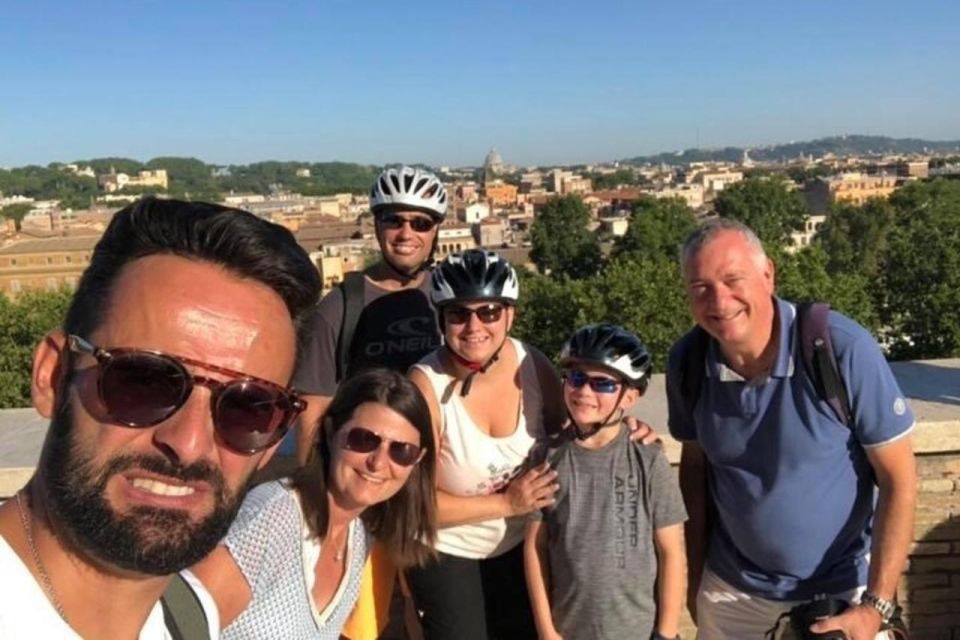
You meet in Piazza Trilussa, the heart of Roman nightlife, which is a nice way to start. The area already feels like Rome after dark even if you’re doing this during the day. Your guide holds a flag with the Voyager logo, so you’re not stuck playing locate-the-guide.
What I like here is that you begin in a place with “street life” around you. That matters because Trastevere works best when you’re walking it while the neighborhood is doing its normal thing—shops, scooters, chatter, and that slow Rome pace.
Practical tip: get there a few minutes early. Even when everything goes smoothly, you’ll want time to spot the correct flag and settle into comfortable walking mode. Also, this tour is designed on foot with comfort rules in mind—more on that below.
You can also read our reviews of more walking tours in Rome



Trastevere alleyways and church stops that make sense together
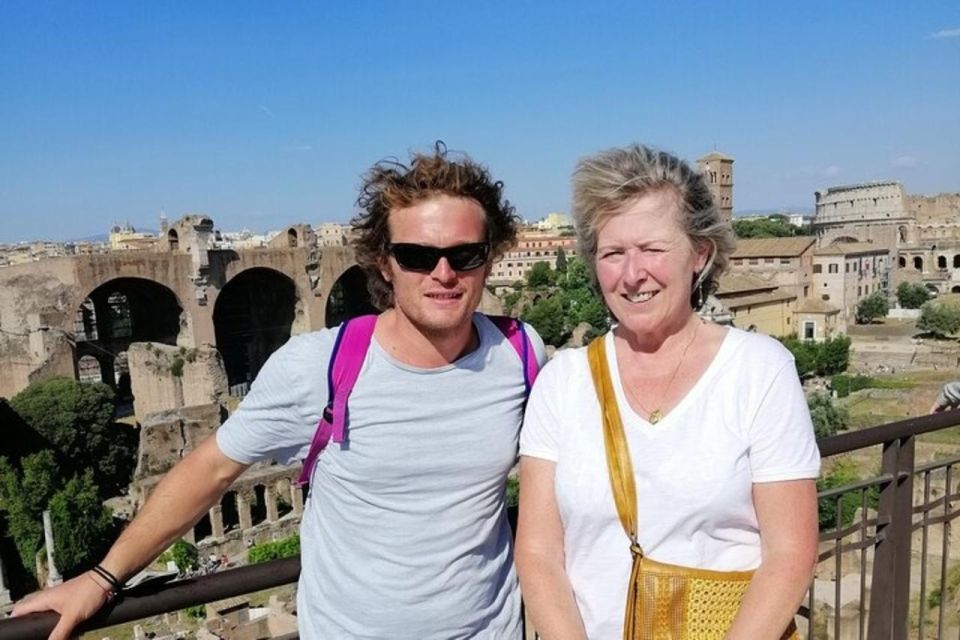
The tour spends real time in Trastevere, the oldest-feeling parts of Rome where narrow lanes create a “turn a corner, discover a square” rhythm. This is one of those neighborhoods where it’s easy to get lost on your own—in a good way—but a guide helps you connect what you’re seeing to what it means.
You’ll visit historic places of worship, including:
- Santa Maria in Trastevere
- San Francesco a Ripa
- Santa Cecilia
Here’s why that’s valuable. These aren’t just random landmarks stacked into a route. The churches act like chapters. You see how Roman sacred spaces sit inside everyday life, tucked into neighborhoods where people still live and worship—not museum-style behind glass.
What to do while you’re there: slow down and look at the entrances, the surrounding streets, and how the church relates to the lane next to it. Even if you’re not a “church person,” you’ll start noticing how Roman architecture and neighborhood texture work as a single scene.
Also, plan for the fact that church stops often come with dress expectations. You’ll want to show up ready to enter respectfully—especially if you’re on a warm day and tempted to wear something that feels comfortable but isn’t tour-friendly.
Crossing Isola Tiberina: the route gets a real Rome moment
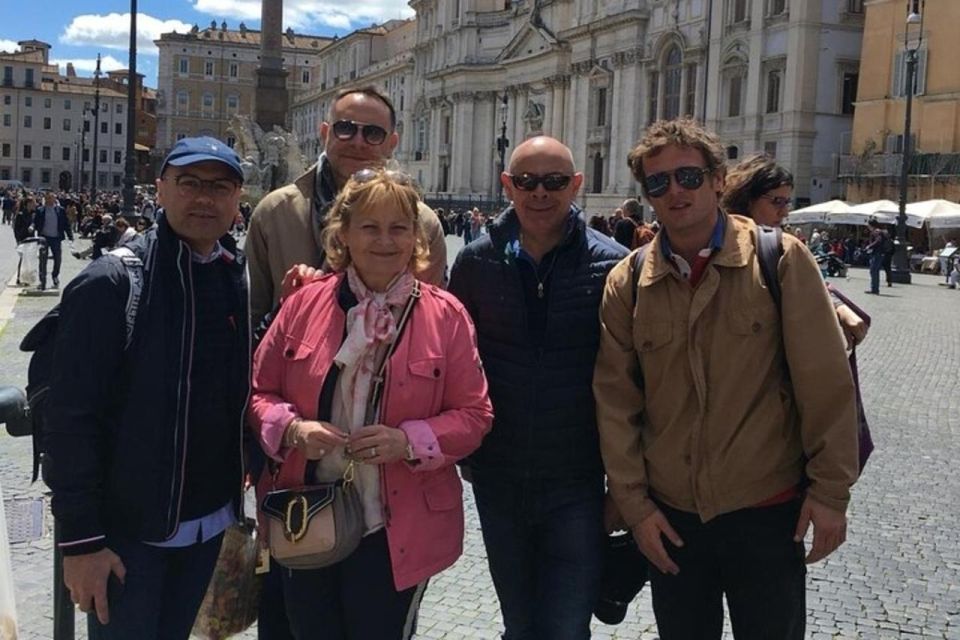
Then you cross Isola Tiberina, the only island in a city like this—an instant change in scenery that keeps the tour from feeling like one long string of streets. The crossing is short, but it gives you what good walking tours should: a break for your eyes and a natural reset for your attention.
Why this matters: you’re changing districts. You’re going from the feel of Trastevere into the quieter gravity of the Jewish Ghetto area. That shift lands better when you’ve had a physical “in-between” moment, and the island does that job.
If you’re paying attention, you’ll also start noticing how the river and the built environment shape Rome’s neighborhoods. Even if you’ve seen photos, walking this section helps the city click as a connected system instead of separate highlights.
Jewish Ghetto sights: Synagogue area and Portico d’Ottavia
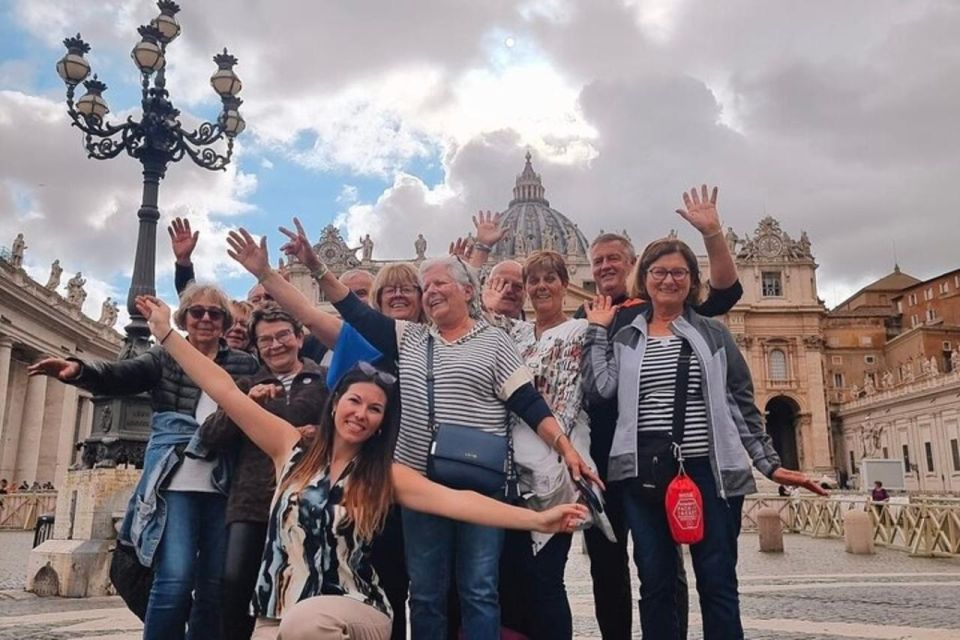
Reaching the historic district known as the Jewish Ghetto is the tour’s emotional and cultural pivot point. You’ll see the majestic Synagogue area and then move toward the Portico d’Ottavia, which is one of the district’s most recognizable symbols.
I like that the tour doesn’t treat this stop like a quick photo break. It’s framed as a discovery of an historic district, with the major landmarks placed in the route for context. That gives you a clearer idea of why these sites matter and how they fit into the neighborhood rather than standing alone.
A practical thought: this part of Rome can feel different in tone from Trastevere, so don’t rush your pacing to keep up with the group. Take a beat at the landmarks. Look up and around. Streets here often have a tighter, more enclosed feel, and the architecture tells its story when you slow down.
If you’re sensitive to religious spaces, remember: you’re visiting places of worship and historic community sites. Dress respectfully, keep your voice down, and follow your guide’s timing.
The walk ends at Fountana delle Tartarughe
Your tour finishes in the square that houses the Fountana delle Tartarughe. This is a smart ending, not just because it’s pretty, but because it gives you options right away—cafés, strolling, and an easy “I can keep exploring” landing point.
Fountains in Rome are great meeting points and great end points. This one works because it’s a visual anchor that feels like a reward after the walking and the concentrated stops. After 2.5 hours, your legs will appreciate the break, and your brain will appreciate the reset.
If you want to keep going, this area is well set up for a relaxed wander. You’ll feel like you’ve earned the pause rather than sprinting to the finish line.






Timing, rain rules, and what to wear so you don’t get shut out
This tour lasts 2.5 hours, and it runs rain or shine. That one line changes everything in Rome. You’re not just planning your schedule—you’re planning your comfort.
Wear:
- Comfortable shoes (you’ll be walking on uneven streets)
- Comfortable clothes that still allow you to stand and move easily
- Bring water
And don’t show up with:
- Luggage or large bags
- Short skirts
- Sleeveless shirts
That dress guidance is about entering and respecting worship spaces. It also helps keep the tour flowing for the group. If you’re unsure what counts as acceptable, I’d err on the more covered side.
One more timing note: even with a set route and duration, real streets can shift how quickly you move. If you’re connecting to dinner or another reservation, build in a little margin. This avoids the stress of trying to sprint across Rome when you’re tired.
The $71 value: live guide plus headsets for a smoother experience

At $71 per person for a 2.5-hour walking tour, the value comes down to two things: you’re paying for a live guide and a listening setup. The tour includes headsets (more than 10), which is a big deal on Rome streets where sound can vanish fast.
That headset detail matters for your enjoyment. You don’t need to keep craning your neck or asking the same question twice. You can actually follow explanations while you look around. For churches and district landmarks, that’s the difference between seeing objects and understanding them.
You also pay for a real route, not just “walk and hope.” Starting in Trastevere, crossing Isola Tiberina, and finishing at Fountana delle Tartarughe is a coherent line that keeps the experience moving.
No food or drinks are included, so think of this as a cultural walk you can pair with a meal before or after. If you’re doing this on a warm day, plan your hydration.
Who this tour fits best (and who should look elsewhere)
This is best for:
- People who like walking tours with clear stops
- Anyone interested in Rome’s neighborhoods, not just famous monuments
- Travelers who want the “why” behind the major landmarks
It’s offered in Italian and English with a live guide, so language matters. If you’re booking English or Italian specifically, take a moment to ensure your confirmation matches what you expect.
It’s not suitable for people with mobility impairments, since it’s a walking route through areas that likely involve uneven surfaces and stairs/steps around historic sites.
If you’re visiting with kids, this could still work, but I can’t promise the pace will fit everyone—church visits and district transitions can take attention spans and patience.
A couple of practical snags to plan for
Two things are worth knowing before you commit. First, there have been instances of tours being canceled close to the start time without enough notice. Second, language expectations have sometimes not matched what people thought they booked, and start timing has shown delays on at least some occasions.
I’m not saying this will happen to you. I am saying it’s smart to travel like a grown-up in Rome: confirm details in advance, double-check your language on the booking, and plan to arrive early to the meeting point.
Also, consider how you’ll handle disappointment. If you’re on a tight schedule, put this tour earlier in your day. That way, if something slips, you’ve still got room to adjust.
Should you book this Rome: Trastevere and Jewish Ghetto walking tour?
I’d book it if you want a 2.5-hour, guided route that connects Trastevere’s church stops with the Jewish Ghetto’s key landmarks—plus you like the rhythm of walking neighborhoods rather than riding from one photo spot to another.
I’d think twice if:
- You’re counting on a very specific language experience and can’t tolerate any mismatch
- You need strict timing with no buffer
- You’re not comfortable walking for the full duration, or you have mobility constraints
If you’re flexible, the route is a good way to see Rome as a series of lived-in spaces: streets, sacred places, a river crossing, then a historic district with major landmarks like the Synagogue area and Portico d’Ottavia.
FAQ
What is the duration of the Trastevere and Jewish Ghetto walking tour?
The tour lasts 2.5 hours.
Where do I meet the guide?
You meet in Piazza Trilussa. The guide will have a flag with the Voyager logo.
What sights will I see during the walk?
You’ll stroll in Trastevere and visit historic places of worship including Santa Maria in Trastevere, San Francesco a Ripa, and Santa Cecilia. You’ll also cross Isola Tiberina and visit the Jewish Ghetto area, including the Synagogue and the Portico d’Ottavia. The tour ends at the square with the Fountana delle Tartarughe.
Is the tour available in English?
Yes. The live guide offers Italian and English.
Does the tour include headsets?
Yes. Headsets are included (more than 10).
Is the tour rain or shine?
Yes, it runs rain or shine.
What should I bring?
Bring a passport or ID card, comfortable shoes, water, and comfortable clothes.
Are there any clothing restrictions?
Yes. Short skirts and sleeveless shirts are not allowed.
Is food or drinks included?
No. Food and drinks are not included.
Is the tour wheelchair accessible?
No. The tour is not suitable for people with mobility impairments.