REVIEW · ROME
Italy in a Glass – Wine Tasting and Food Pairing Tour in Rome
Book on Viator →Operated by J&H Enterprises, LLC · Bookable on Viator
One-hour can feel like a full wine lesson in Rome. This small-group tasting at a classic enoteca pairs six Italian pours (reds, whites, and sparkling) with artisan charcuterie, led by a professional sommelier. I especially love the way the guide explains what you’re tasting, and I love that the bites are built to match the wine. The main drawback to consider: it’s a short, fixed-time experience with a non-refundable setup, so you’ll want your evening plans locked in.
If you’ve ever stared at an Italian wine list and thought, I should know what I’m ordering, this is the fast way to get your bearings. It’s also a good value format for Rome: you stay in one place, sample a range of styles, and learn without the hassle of a winery trip.
In This Review
- Key takeaways before you go
- Italy in a Glass in Rome: why the one-hour format works
- Where you’ll taste: a traditional enoteca, not a showroom
- Six wines in one night: what you’re really learning
- How the sommelier pacing helps beginners
- Chianti and Brunello reds: comparing Italian style without the jargon
- Whites and acidity: learning how to taste freshness
- Prosecco-style sparkle: why the bubbles matter for pairing
- The food pairing that turns tasting into real understanding
- What the evening feels like in a small group (up to 20)
- Price and value: is $81.60 a good deal in Rome?
- Timing and logistics: planning your 6:00 pm start
- Cancellation and the one caution worth taking seriously
- Who should book this wine tasting (and who shouldn’t)
- My decision advice: should you book Italy in a Glass?
- FAQ
- How long is the Italy in a Glass wine tasting in Rome?
- What wines are included?
- Is food included in the tasting?
- Where does it take place, and do I need hotel pickup?
- How big is the group?
- What’s the cancellation policy?
Key takeaways before you go
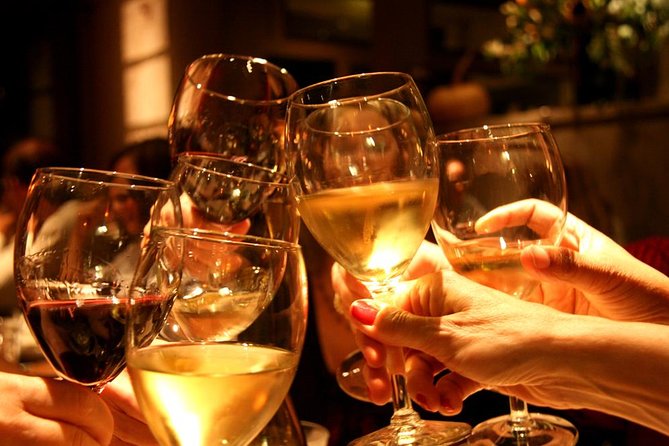
- Six pours, not just one or two: you’ll taste a mix of red, white, and sparkling wines.
- Sommelier-led pairing logic: you’re not guessing; the guide connects flavor and region.
- Enoteca atmosphere: you get that real wine-bar feel, not a formal lecture hall.
- Food is part of the point: artisan cheese and cured meats are paired to sharpen each sip.
- Small group size (max 20): easier questions, less waiting around.
- Rome-based convenience: experience well-known regions like Chianti, Brunello, and Prosecco without leaving the city.
Italy in a Glass in Rome: why the one-hour format works
This tasting is designed for people who want real flavor education, but don’t want to spend their whole day on logistics. You meet for an evening session (starting at 6:00 pm) inside a traditional wine shop/enoteca setting, and you move through the tasting with a guide pacing things for a small group (up to 20).
In practice, the one-hour length is both a plus and a constraint. It’s a plus because you can slot it into a busy Rome itinerary. It’s a constraint because you’re not lingering over long pours or doing a deep-dive tasting course. If you like slow, bookstore-style wine study, you might want a longer tasting elsewhere.
You can also read our reviews of more food & drink experiences in Rome

Where you’ll taste: a traditional enoteca, not a showroom
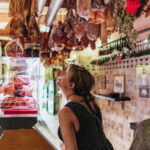
The experience takes place in a local enoteca and wine store, meaning you’re tasting in the kind of place Italians actually use for their wine runs and after-dinner chats. That matters because wine here is social. It’s not just about the liquid; it’s about the mood—small room energy, close-up conversation, and the smell of cured meats and cheese doing half the work.
You’ll also be near public transportation, which helps. There’s no hotel pickup, so you’re doing a simple “arrive under your own power” plan. If your hotel is central, you’ll probably find it easy to get there. If you’re far out, check transit time in advance so you don’t show up stressed and rushed.
Six wines in one night: what you’re really learning
You’ll sample six different Italian wines, covering red, white, and sparkling styles. The wines tie to well-known areas like Chianti, Brunello, and Prosecco, which is exactly what makes this format useful: you get a guided way to notice how region and grape style shape flavor.
Even when you don’t know anything going in, you’ll start to pick up patterns. White wines often lead with freshness and acidity. Reds tend to show more structure—think fruit plus tannin (that dry, grippy feeling). Sparkling wines are a reset button: bubbles lift aromas and make the food pairing feel lighter and brighter.
How the sommelier pacing helps beginners
The tasting is guided by a professional sommelier, and that’s key. In a room like this, it’s easy to get lost in the details. A good guide keeps you focused on what matters: taste first, then name what you’re noticing. That’s where the education clicks.
One highlight from past experiences is that some sommeliers go beyond flavor notes. In particular, one guide named Paul (with his wife also involved in hosting) brought in the origins of wine in Italy as part of the storytelling. That kind of context can turn a simple tasting into something you remember on your next wine purchase.
Chianti and Brunello reds: comparing Italian style without the jargon
Reds are often where people either get interested or get overwhelmed. This tasting avoids both extremes by giving you multiple wines, with guidance, paired with food. If you’ve ever had one red that felt too heavy and another that felt like it “opened up” with the right bite, you’ll likely understand why this works fast.
With regions like Chianti and Brunello in the mix, you’re in a great setup for comparison. You’ll be able to notice differences in flavor weight and texture—without needing a chemistry degree. The sommelier’s job is to point out what you’re tasting and why, which makes the experience feel practical rather than showy.
The practical win for you: after this, you’ll be better at ordering reds in Italy without guessing blindly. You’ll know what questions to ask and what cues to listen for on a label or in conversation.
You can also read our reviews of more tours and experiences in Rome



Whites and acidity: learning how to taste freshness
When you try a few Italian whites back-to-back, you start to understand the role of acidity. Acidity can make wine taste crisp instead of flat, and it can also make food taste more interesting instead of just salty.
Because the tasting includes both red and white, you also learn contrast. Reds can feel like they wrap around a meal; whites tend to lift it. That difference is why pairing matters here. Cheese and cured meats can easily dominate a wine if you choose the wrong match, so a guided pairing helps you taste the wine as it’s meant to be tasted.
This is also a good portion for first-timers. Whites are generally easier to enjoy quickly, and they help you get comfortable before the reds and sparkling come in.
Prosecco-style sparkle: why the bubbles matter for pairing
Sparkling wine is fun, but it’s also useful training for your palate. Bubbles and the crispness that comes with them can reset your mouth between richer flavors. That makes the tasting smoother and helps you detect new aromas you might miss if everything stayed heavy.
In this Rome tasting, sparkling styles from Prosecco are included, so you’re not stuck with one flavor family all night. If you’re pairing with cured meats and cheeses, the sparkling’s acidity and effervescence can make the food feel brighter rather than greasy.
If you’re thinking about date night: sparkling is a crowd-pleaser, and it usually turns the tasting into something you actually look forward to, not just something you survive.
The food pairing that turns tasting into real understanding
Wine alone is easy to forget. Wine plus food is where it sticks. You’ll be paired with artisan cheeses and cured meats, and the goal isn’t just to feed you—it’s to show you how the wine changes when it meets different salty, fatty, and savory flavors.
Here’s the specific value for you: charcuterie and cheese can exaggerate flaws in wine if the match is wrong. When the pairing is right, you taste harmony—less bitterness, more fruit, smoother texture. The sommelier helps you notice that shift.
Some past experiences described the pairing portions as generous, even in an ongoing or unlimited-style flow. Even if your night isn’t exactly the same, plan to eat well enough that this can function as a main-event snack around dinner time.
What the evening feels like in a small group (up to 20)
A max group size of 20 is large enough to feel social but small enough that you’re not lost in a crowd. You should expect a guided sequence where you can ask questions when the mood hits. That’s especially helpful if you’re the type who tastes first and asks later. You’ll also be more likely to get direct answers than in a bigger, bus-tour tasting setup.
The other thing a small group does is pace. In one-hour tastings, pacing is everything. If the group is too big, you end up standing around with an empty glass. In this format, the structure is built for quick turnover between pours and bites.
Price and value: is $81.60 a good deal in Rome?
At $81.60 per person, this is not a bargain like a supermarket crawl. But it’s also not priced like a private cellar day trip. In Rome terms, you’re paying for three things:
- Six guided tastings (red, white, and sparkling)
- Food pairings with artisan cheeses and cured meats
- A professional sommelier who explains origins and production
If you compare this to buying six decent glasses of wine plus food in many central areas, the math often starts to favor the tour—especially because the guide does the heavy lifting of interpretation. You’re not just drinking; you’re learning what to look for next time.
The biggest value question for you is simple: do you like wine enough to pay for guidance? If you do, this format is a smart way to get value from a limited time window in Rome.
Timing and logistics: planning your 6:00 pm start
The start time is 6:00 pm, and the tasting runs about 1 hour. That timing is handy because it lands right in the pre-dinner zone. You can treat it like your first proper stop of the evening, then walk to a meal after you’re done.
Because there’s no hotel pickup, you’ll want to build in transit time. If you’re using public transportation, it’s helpful that the venue is near transit. Use that to your advantage and avoid sprinting across Rome at the last minute.
Also, remember the tour uses a mobile ticket, so have it ready before you show up. That’s a small thing, but in a tight one-hour schedule, small things matter.
Cancellation and the one caution worth taking seriously
This experience is non-refundable and can’t be changed for any reason. At the same time, the program notes that if it’s canceled because a minimum number of travelers isn’t met, you should be offered a different date or a full refund.
There’s a practical lesson here: don’t book this unless you’re fairly confident your evening is solid. If your Rome plans have lots of moving parts—late arrivals, unpredictable tour swaps, or tight connection days—consider booking closer to the date.
Who should book this wine tasting (and who shouldn’t)
Book it if you want:
- A quick, guided way to learn Italian wines in one night
- Food-and-wine pairing that helps your palate learn faster
- An enoteca-style experience in Rome, without leaving the city
You might skip it if:
- You’re looking for a long, winery-style day with travel time and big scenery
- You hate fixed schedules and non-refundable plans
- You want only one style of wine (this includes reds, whites, and sparkling)
My decision advice: should you book Italy in a Glass?
I think this tour earns its spot on a Rome list if you’re wine-curious and you like structured guidance. The best part is how the tasting is built around six wines plus artisan pairings, so you’re tasting more than one “type” of Italy and learning how it changes with food.
My main reason to hesitate is the short length and the non-refundable rules. If your plans are fragile, that matters. If your evening is stable and you’re excited to taste and learn, this is a smart, high-signal experience.
If you do book, go in with one attitude: taste first, then let the sommelier connect the dots. You’ll leave with a better instinct for what to order next time—and that’s the kind of value that lasts longer than the wine.
FAQ
How long is the Italy in a Glass wine tasting in Rome?
It lasts about 1 hour.
What wines are included?
You’ll taste six Italian wines, including red, white, and sparkling wines from regions such as Chianti, Brunello, and Prosecco.
Is food included in the tasting?
Yes. The experience includes wine tasting plus food pairings with artisan cheeses and cured meats.
Where does it take place, and do I need hotel pickup?
It takes place in a traditional enoteca and wine store in Rome. Hotel pickup and drop-off are not included, so you’ll need to get there on your own.
How big is the group?
The experience is small group, with a maximum of 20 travelers.
What’s the cancellation policy?
The experience is non-refundable and cannot be changed for any reason. If it’s canceled because a minimum number of travelers isn’t met, you’ll be offered a different date/experience or a full refund.
If you want, tell me your travel dates and what else you’re doing around 6:00 pm, and I’ll help you pick the best “tasting then dinner” timing.