REVIEW · ROME
Rome: Pasta Making Course, with Limoncello, Prosecco, Tiramisu
Book on GetYourGuide →Operated by Rachele Zinzocchi · Bookable on GetYourGuide
Pasta making in Rome beats most food tours. In Trastevere, you’ll learn to roll fresh pasta with a chef, then eat what you helped make before a drink-and-dessert finish: prosecco, limoncello, and homemade tiramisu.
I especially like that this is a tight, hands-on class (not a long lecture), with step-by-step help as you shape the dough. One thing to consider: the only published feedback right now is very low, and one person described a messy apartment setup and ingredients that felt more store-bought than fresh. The operator also says this exact experience is totally new, so I’d treat those older comments as a caution flag, not a final verdict.
In This Review
- Key things that make this pasta course worth a look
- Where the Course Happens: Rachele’s Charming House in Trastevere
- One Hour of Hands-On Cooking: Dough, Rolling Pin, and Fresh Shape
- Pummarola Tomato Sauce Basics: The Slow Part That Tastes Like Italy
- The Meal Part: Prosecco Toast, Your Pasta, and the Limoncello Finish
- Price and Logistics: Is $65 for an Hour Good Value?
- Group Size and the Atmosphere: Up To 10 Makes It Personal
- Languages, Pace, and What You’ll Actually Learn
- Practical Tips Before You Go
- Who This Pasta Course Is Best For
- Should You Book This Pasta-Making + Drinks + Tiramisu Experience?
- FAQ
- Where is the meeting point?
- How long is the pasta making course?
- What’s included in the experience?
- What will I learn to make?
- What languages does the instructor speak?
- Is this a small group activity?
- Is there free cancellation?
Key things that make this pasta course worth a look
- Chef-led fresh pasta: you use a rolling pin and get guidance for texture and shaping.
- Learn tomato sauce basics (pummarola): from cutting tomatoes to slow cooking.
- A one-hour format: practical timing, with the meal built in.
- Drink-and-dessert pacing: prosecco toast, then limoncello, then tiramisu.
- Small group size (up to 10): easier conversation and more attention than big-group cooking demos.
Where the Course Happens: Rachele’s Charming House in Trastevere
This pasta course is centered around Rachele’s Charming House in the heart of Rome’s Trastevere neighborhood. The meeting instructions are very specific: Citofonare Zinzocchi, then turn right, stairway B, fourth floor. That’s the kind of detail that saves you from wandering for 20 minutes while everyone else starts cooking.
Trastevere can feel like the real Rome to many people—less postcard, more everyday life. That matters here because you’re not doing a stand-up “see Rome” stop followed by a meal. Instead, your core activity is inside a kitchen setting where you’ll work with dough, sauce, and then sit down to eat.
Now, about the “luxury B&B” angle. The experience is described as upscale and convivial, but Rome buildings can vary wildly from street level to the interior. Given that this is a totally new experience, your safest move is to show up prepared to evaluate the space yourself once you’re there—cleanliness, ingredient quality, and whether the class actually feels like a cooking class (hands-on, not just watching).
You can also read our reviews of more cooking classes in Rome

One Hour of Hands-On Cooking: Dough, Rolling Pin, and Fresh Shape
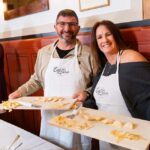
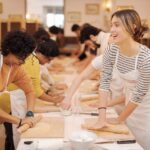
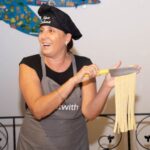
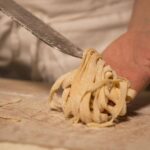
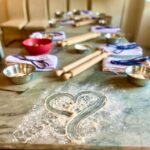
The class time is short—1 hour—so the format is designed for getting you hands-on fast. You’ll put on an apron and follow the chef’s direction step by step. The highlight isn’t just the end result. It’s learning how fresh pasta should feel when you’re working it: texture, pliability, and how to shape it with confidence.
Even if you’ve never made pasta before, this kind of lesson is one of the fastest ways to understand Italian cooking in a practical way. Dried pasta is forgiving; fresh pasta is honest. You can’t fake the dough. You either learn what works in your hands, or you feel the difference right away.
Because you’re making pasta in a limited timeframe, don’t expect a “home version that takes all afternoon” lesson. You should expect fundamentals that translate to real cooking: how to roll, how to handle the dough without tearing it, and what to aim for in thickness and consistency. That’s exactly what makes it a good first pasta class.
A small practical note: wear clothes you’re comfortable getting flour on. Also, plan to taste as you go when the instructor guides you. Fresh pasta isn’t the kind of food where you want to rush past the sensory part.
Pummarola Tomato Sauce Basics: The Slow Part That Tastes Like Italy
Alongside the pasta, you’ll learn traditional tomato sauce steps known as pummarola. The lesson covers the basics: cutting tomatoes and then slow cooking. That’s important, because tomato sauce quality isn’t about one magic ingredient. It’s about time, temperature, and attention—things you can learn even in a short class.
What makes this valuable is that it teaches the logic behind Italian home cooking. Once you understand how to coax flavor from tomatoes using gentle heat, it becomes easier to repeat at home without relying on jars. In a one-hour session, you won’t build a huge pot for a family dinner. But you will understand the method enough to recreate the core idea later.
If you’re picky about sauce texture, pay close attention to what the chef does during the slow cooking stage. Small changes can turn watery sauce into something that clings. And when you sit down to eat, you’ll be tasting the difference between “tomatoes warmed up” and pummarola made properly.
The Meal Part: Prosecco Toast, Your Pasta, and the Limoncello Finish
After the cooking, you’ll enjoy the prepared meal and the pasta you made. This is where the course shifts from kitchen work to Roman-style social time. The experience includes one glass of prosecco and a toast as part of the meal.
The description calls the prosecco “legendary” and ties it to Rachele’s Charming House. Even if you don’t obsess over branding, the pairing matters. Prosecco is light and crisp, which helps balance rich, fresh pasta dough and tomato sauce.
Then comes the limoncello. You’ll have one glass as a final, fresh finish. For many people, this is the most memorable part, because limoncello doesn’t taste like dessert candy. It tastes like bright lemon after the heavier savory flavors—an intentional ending.
And yes, you also get tiramisu to close the meal. The tiramisu is described as homemade, which is a big deal in a cooking course. It gives you a full Italian sequence: savory work first, then a sweet finish that feels like you actually completed something, not just participated in it.
One quick tip: in a class this short, don’t over-plan your evening. You’ll leave with pasta knowledge and a full stomach, plus the kind of buzz that comes from doing something hands-on and tasting the results.
Price and Logistics: Is $65 for an Hour Good Value?
At $65 per person for a 1-hour experience, you’re paying for more than food. You’re paying for chef instruction, kitchen-time access, and the full sequence of meal components: pasta, tomato sauce, prosecco, limoncello, and tiramisu.
If you’ve done other food activities in Rome, here’s the simple way to judge value: you should finish feeling like you made something real. This course is designed for that. The hands-on pasta portion is the core; the drinks and dessert are part of the same package, not an afterthought.
That said, quality depends on what’s actually happening in the room. One very low-scoring older comment (overall rating shown as 1.2 out of 5 from 4 older bookings) described an apartment-style setting and ingredients that felt industrial rather than fresh or homemade. The operator also notes this pasta experience is totally new, and that the older reviews don’t refer to the current product.
So what should you do with that? Treat it as a reason to verify expectations. When you book, consider asking a straightforward question about ingredient freshness and how much of the cooking is truly hands-on during your session. If the chef is teaching with fresh dough and making the sauce with care, you’ll feel the difference immediately once you taste.






Group Size and the Atmosphere: Up To 10 Makes It Personal
The course is limited to 10 participants, and the instructor speaks Italian and English. That small group size changes the experience in a few ways.
First, it’s easier for the chef to correct your technique. Pasta dough doesn’t behave the same for everyone, and rolling takes coordination. Second, you’re more likely to chat with people during the meal instead of eating in silence while someone else drives the program.
The atmosphere is described as warm and convivial, but again, Rome interiors can be specific. You’re not in a stadium cooking demo. You’re in a home-style environment, or at least the intent is that way. For many people, that’s exactly what they want: real conversation, real hands-on work, and a kitchen table feeling.
If you dislike group settings or you want a private class, this won’t fit that goal. But if you like learning among a few other people while still getting attention, the size is a plus.
Languages, Pace, and What You’ll Actually Learn
Instruction is in Italian and English, which is useful if your Italian is basic. You might find yourself catching more through the chef’s gestures than through translation alone, especially when the lesson focuses on touch—how the dough feels, how it rolls, and what the sauce should look like.
The pace is compact: pasta dough work, pummarola steps, then a meal that includes prosecco, limoncello, and tiramisu. That structure is great if you want an experience with clear start-to-finish momentum. It’s less ideal if you want a slower lesson focused heavily on technique repetition.
The learning outcome you should aim for is confidence with fundamentals. Once you can make dough that rolls without tearing and understand how pummarola develops through slow cooking, you’ll have more than a photo set. You’ll have something you can recreate at home.
Practical Tips Before You Go
- Bring comfortable clothes you don’t mind getting flour on.
- Arrive a few minutes early so you can find stairway B, fourth floor without rushing.
- Come hungry. Even though it’s only an hour, you’ll be eating what you made plus tiramisu.
- Plan around the drinks. Prosecco and limoncello are included, so keep your next stop simple.
- If quality matters to you, ask directly about how ingredients are sourced and prepared during the session, especially since older comments were about freshness.
Who This Pasta Course Is Best For
This is a good fit for you if:
- you want a hands-on cooking lesson in Rome rather than a food tasting walk
- you like short activities that end with a full meal and dessert
- you enjoy Italian drinks as part of the culture of eating, not just as an add-on
- you’re visiting during the Jubilee theme and want the day to feel special and ceremonial, even if it’s only an hour
It may be less ideal if:
- you’re expecting a long, deep technical class with heavy repetition
- you’re extremely sensitive to how “luxury” feels in the room versus the kitchen work itself
- you want a totally silent, private experience
Should You Book This Pasta-Making + Drinks + Tiramisu Experience?
My take: this sounds like a fun, efficient way to learn fresh pasta and pummarola in Trastevere, then celebrate with prosecco, limoncello, and tiramisu—all in a setting meant to feel upscale. The small group size (up to 10) and the chef-led step-by-step structure are the strongest reasons to book.
But don’t ignore the red flag: the older published feedback is very negative, and one comment specifically questioned whether the experience matched the promised luxury and whether ingredients were genuinely fresh and homemade. The operator says the product is totally new, so those older notes might not reflect what you’ll find now. Still, you’re smart to confirm ingredient freshness and the actual setup before you lock in expectations.
If you want a short “learn, taste, and leave with confidence” pasta day in Rome, and you’re willing to do a quick sanity check on freshness and setup, this one can be a great use of time.
FAQ
Where is the meeting point?
Rachele’s Charming House in the Heart of Rome. Citofonare Zinzocchi, then turn right, stairway B, fourth floor.
How long is the pasta making course?
The duration is 1 hour.
What’s included in the experience?
You get the pasta making course, an instructor, a prepared meal, one glass of limoncello, one glass of prosecco, and one serving of tiramisu.
What will I learn to make?
You’ll learn to make fresh pasta (with a rolling pin) and a traditional tomato sauce called pummarola.
What languages does the instructor speak?
The instructor speaks Italian and English.
Is this a small group activity?
Yes. It’s limited to 10 participants.
Is there free cancellation?
Yes, you can cancel up to 24 hours in advance for a full refund.