REVIEW · ROME
Villa Cimbrone in Ravello and Amalfi Coast from Rome
Book on GetYourGuide →Operated by Romaetravel · Bookable on GetYourGuide
Ravello’s views hit fast. This Villa Cimbrone outing is built around the coast’s dramatic “up and down” reality, with the memorable sightlines from the gardens plus a guided walk through statuary and terraces. I also love how the day doesn’t stop at scenery: you’ll spend time in Amalfi itself, with Sant’Andrea’s staircase and bell tower details that make the architecture feel personal.
The one thing to plan for is physical comfort. This is a long 12-hour day, and Amalfi and Positano mean stairways and uneven streets, so you’ll want comfortable shoes.
In This Review
- Key highlights you’ll care about
- A long day from Rome, with the coast packed in smartly
- Villa Cimbrone: Viale dell’Immenso, wisteria, and the view that explains Ravello
- Statues, terraces, and the garden’s themed surprises
- The practical break before the towns (and why it matters)
- Amalfi: Sant’Andrea’s staircase, the Arab-Norman bell tower, and the town maze
- Positano: staircases, hillside houses, and what to look for besides the views
- Private group comfort: hotel pickup, Mercedes transport, and a guide who sets the tone
- What the tour price includes (and how to judge value at $545.42)
- Who this works for (and who should think twice)
- Should you book Villa Cimbrone and the Amalfi towns from Rome?
- FAQ
- How long is the tour?
- Is this a private tour?
- Where does pickup happen?
- What language is the guide?
- What’s included in the price?
- What isn’t included?
- Is it wheelchair accessible?
- Are there options for infants?
- Is there free cancellation?
Key highlights you’ll care about
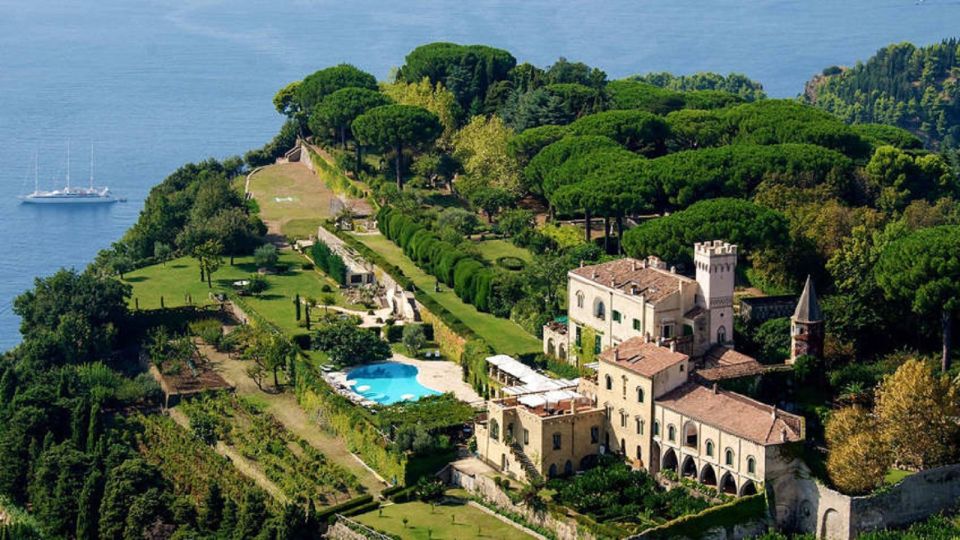
- Villa Cimbrone’s Viale dell’Immenso: a garden path with a pergola that’s especially striking in summer with wisteria in white and blue tones
- Statues and themed spots: Ceres, Mercury, Temple of Bacco, Eve Cave, a copy of David, plus the Roses Terrace and the Moorish-style Tea Room
- The view has context: on clear days you can pick out the profile of the Cilento Mountains and the plain where ancient Paestum was built
- Amalfi Cathedral at Sant’Andrea: see the Arab-Norman style bell tower and the Cloister of Paradise
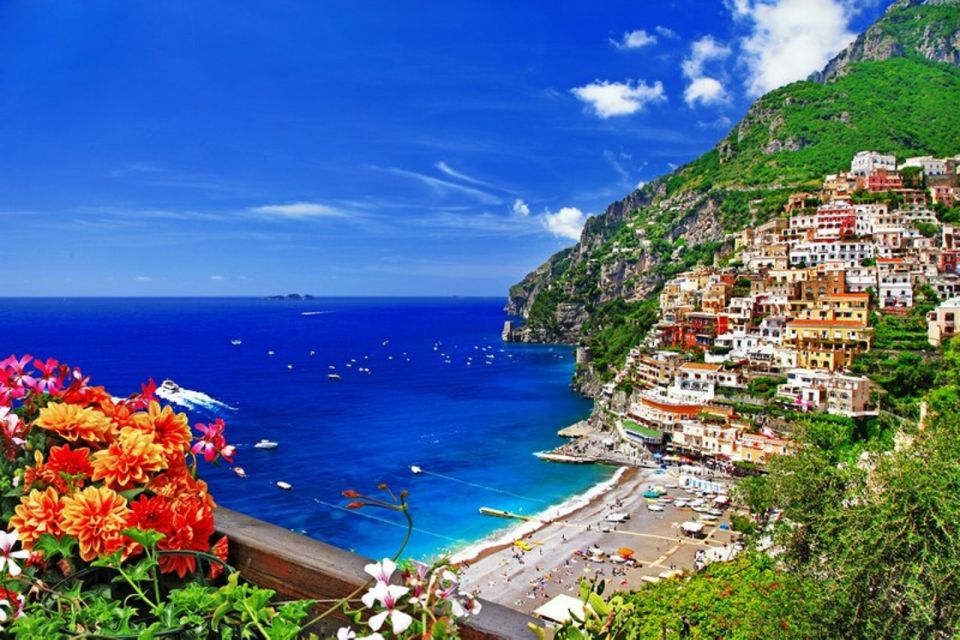
- Positano’s vertical town design: winding staircases and whitewashed houses that follow the mountainside
- A private Mercedes with hotel pickup: less stress getting in and out of the coast traffic
A long day from Rome, with the coast packed in smartly
This tour is made for people who want the Amalfi Coast without turning the day into a logistics puzzle. You get a hotel pickup and drop-off, then travel by Mercedes vehicle with a guide who’s focused on what to notice and where to slow down.
Yes, it’s long on the clock, but the flow is logical. You start with Villa Cimbrone first, when your brain is fresh and the viewpoints matter most. After that, you get a break and then head into the towns: Amalfi for the classic town center and cathedral area, then Positano for the postcard stairways and hillside homes.
You can also read our reviews of more tours and experiences in Rome.



Villa Cimbrone: Viale dell’Immenso, wisteria, and the view that explains Ravello

Villa Cimbrone isn’t just a “pretty garden.” It’s a whole designed experience where the path is part of the art. The tour’s focus here is the combination of immense grounds and the way the gardens frame the coastline like a living picture.
The big walkway is Viale dell’Immenso, lined with a pergola. In summer, it’s most noticeable when the wisteria turns the scene into a mix of white and blue. Even if you’re not there in peak bloom, it’s still a good “read” of the villa’s layout: you’re moving through space that keeps pulling your eye toward the sea.
What I like about this stop is that the guide’s emphasis isn’t only on the current view. You also get geographical perspective, including how you can admire the distant Cilento Mountains and see the plain where ancient Paestum once sat. That kind of context makes the Amalfi Coast feel less like a photo and more like a real place with layers.
Statues, terraces, and the garden’s themed surprises
The grounds at Villa Cimbrone are dotted with themed elements, so it’s easy to stay engaged instead of just wandering. You’ll see a sequence of named highlights, and the way they’re arranged helps you understand the villa’s classic, theatrical tone.
Here are the specific stops you’ll encounter on the route through the gardens:
- Statue of Ceres
- Poggio of Mercury
- Temple of Bacco
- Eve Cave
- A copy of the Statue of David
- Roses Terrace
- The Tea Room, a rectangular garden next to the rose garden, with a Moorish-style gazebo
This is the kind of place where it’s worth listening while you walk, not just taking photos. When a guide points out what the garden is doing—how terraces, statues, and sightlines are positioned—you end up with a stronger sense of why Ravello became known for grand villas in the first place.
If you’re the type who gets tired of “museum” pacing, the garden format helps. You’re outdoors, you’re moving, and you get frequent moments where the view interrupts your attention in a good way.
The practical break before the towns (and why it matters)
After Villa Cimbrone, you’ll have a break. That matters more than it sounds because the day quickly switches from scenic, controlled walking to town streets that can feel tight and steep.
You’re also heading into the character of the Amalfi Coast: lemon trees and orange blossoms, beaches with salt air, and the wild Mediterranean scrub that grows where it can. The key idea is that the towns are arranged vertically—houses cling to the rock, and alleys twist like a maze. That’s why the guided pacing helps. Without guidance, you might spend energy choosing streets instead of seeing the right spots.
This is also where bringing your own snacks and drinks can be a smart move. The tour doesn’t include food and drinks, and having something small in your bag keeps the day comfortable, especially on a long itinerary.
Amalfi: Sant’Andrea’s staircase, the Arab-Norman bell tower, and the town maze
Amalfi is where the coast’s identity shows up in architecture and town planning. It’s described as a cluster of white houses clinging to the rock, connected by covered alleys and stairways. That vertical layout shapes how you experience the town: you don’t “arrive” and stroll flat. You climb, pause, look back, and then climb again.
The highlight is the Cathedral of Sant’Andrea. You’ll focus on the spectacular staircase that draws you in, plus the bell tower with Arab-Norman style influences. Nearby, the guide’s attention to the Cloister of Paradise helps you see that Amalfi’s beauty isn’t only scenic—it’s also structural and symbolic.
What I think makes Amalfi worth your time on this tour is the mix. You get:
- a major religious and architectural focal point
- the sense of a living town with hidden connections between buildings
- a view that ties town and sea together
It also helps that the guide can explain the way the town’s location works. Amalfi sits at the mouth of the Valle dei Mulini, and the “why” behind the geography makes the town’s built-up look feel less random and more intentional.





Positano: staircases, hillside houses, and what to look for besides the views
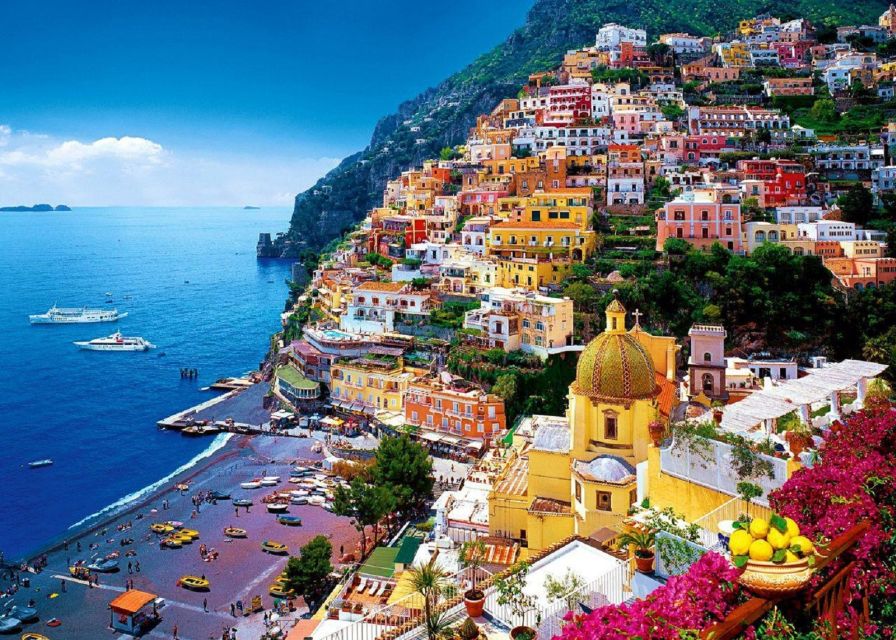
Positano is one of the most recognizable names on the Amalfi Coast, and it earns that reputation. The town’s charm is built on winding staircases and whitewashed houses that follow the natural course of the mountains, creating a vertical rhythm as you move around.
What I like about making Positano the second town stop is contrast. Amalfi gives you cathedral-centered architectural drama, while Positano gives you a more everyday, craft-and-fashion feel along with the famous postcard views.
Positano is associated with leather sandals and with cotton and linen clothes. That matters if you like browsing with a purpose. Instead of just shopping because it’s pretty, you can pay attention to what the town is known for—materials and traditions shaped by the region.
The town also has 19th and 20th century buildings that add depth beyond the classic “hillside postcard” look. If you’re walking slowly, you can spot how those eras show up in details and color.
One consideration: this is the part of the day where you’ll probably feel the walking. Even if you pace yourself, you’ll be dealing with stairs, slopes, and tight corners. The tour isn’t wheelchair accessible, so if stairs are a deal-breaker for your group, think carefully before booking.
Private group comfort: hotel pickup, Mercedes transport, and a guide who sets the tone
The biggest practical value here is private tour flexibility. You’re not competing with a large group to ask questions at each stop. And because it’s a Mercedes transfer with hotel pickup and drop-off, you lose less time wrangling taxis or figuring out where to meet.
The pickup is from your hotel, apartment, or bed and breakfast located within the Aurelian Walls area. That’s a real convenience factor if you’re staying central and don’t want to add transport complexity before and after a long coast day.
The guide quality seems to be a major reason this experience performs so well. Names from past groups include Giulia—praised for making the day feel special—and Marco and Stefano, described as professional and friendly. Even if you never have the same guide, this does suggest the operator puts effort into communication, not just moving people around.
And a good guide changes the experience in small ways: helping you prioritize what to notice, pointing out specific garden features, and keeping the day moving without making it feel rushed.
What the tour price includes (and how to judge value at $545.42)
The price is listed as $545.42 per person for a day that runs about 12 hours. For many people, the value question comes down to what’s included versus what you’d pay yourself.
Here’s what’s included:
- Entrance fees
- Professional guide
- Transportation by Mercedes
- Hotel pickup and drop-off
- Private tour
Not included:
- Food and drinks
- Personal expenses
So you’re paying for the guide plus the “hard part” of the day: transport and admissions tied to the key stops. If you try to do Villa Cimbrone and the Amalfi towns on your own, you’d likely end up spending on transport anyway—and you’d still be sorting out timing, meeting points, and entrance planning.
The private group factor matters here too. With a smaller group, you usually get better pacing, and you’re more likely to get the kind of targeted garden and cathedral explanations that make the day click.
The only “cost” you should mentally budget for is your own food. The tour welcomes you to bring snacks and drinks, which is a low-effort way to keep spending down and avoid the “hangry” problem on a 12-hour day.
Who this works for (and who should think twice)
This tour fits best if you:
- want a guided visit to Villa Cimbrone’s gardens, not just a quick viewpoint stop
- like architecture and details—Sant’Andrea’s staircase and bell tower are a big draw
- want to see both Amalfi and Positano without planning a full day of transit
- prefer the comfort of pickup, drop-off, and Mercedes transport
You might think twice if:
- your group struggles with lots of walking and stairways
- you need wheelchair access (this isn’t suitable for wheelchair users)
- you’re hoping for a relaxed, slow day with lots of free time in each town (this itinerary is paced to fit multiple major highlights)
If you’re traveling with an infant, infant seats are available on request if you mention it when booking.
Should you book Villa Cimbrone and the Amalfi towns from Rome?
I’d book it if your goal is a high-impact Amalfi Coast day where the “wow” isn’t only the view. Villa Cimbrone gives you the kind of garden detail that makes photos look better than they do on their own. Then Amalfi and Positano deliver the classic town experience: architecture, stairways, and the coast’s vertical way of life.
I’d reconsider if you’re sensitive to stairs or you hate long sit-and-walk days. This is a 12-hour itinerary, and the towns are built for feet that can handle uneven steps.
If you’re an adventurous day-tripper with decent mobility, this is a strong value way to see a lot of the coast with a guide who knows exactly what to point out—and a private vehicle that keeps you from spending your energy on logistics.
FAQ
How long is the tour?
It runs for about 12 hours. Exact starting times depend on availability.
Is this a private tour?
Yes. It’s described as a private group, not a shared group tour.
Where does pickup happen?
Pickup is from your hotel, apartment, or bed and breakfast located within the Aurelian Walls area.
What language is the guide?
The live guide speaks English and Italian.
What’s included in the price?
Entrance fees, a professional guide, Mercedes transportation, hotel pickup and drop-off, and the private tour are included.
What isn’t included?
Food and drinks, plus personal expenses, are not included.
Is it wheelchair accessible?
No. This tour is not suitable for wheelchair users.
Are there options for infants?
Infant seats are available on request if you advise the booking team at the time of booking.
Is there free cancellation?
Yes. You can cancel up to 24 hours in advance for a full refund.