REVIEW · ROME
Rome: Treasures of the City 3-Hour Morning Tour
Book on GetYourGuide →Operated by Green Line Tours · Bookable on GetYourGuide
Rome in three hours is a real test. This tour wins because it mixes coach time with just enough walking to hit the big icons fast, without you having to stitch the day together yourself.
I especially like the way the route stacks Rome’s most famous squares and monuments, from Trevi Fountain to Piazza Navona. I also like that the morning ends at the Vatican with a chance to see the inside of St Peter’s Basilica when schedules allow, including Michelangelo’s Pietà and Bernini’s bronze canopy. One drawback to plan around: St Peter’s Basilica has strict entry rules and it can be crowded, so you’ll want to show up dressed right and stay flexible on busy days.
In This Review
- Key takeaways
- Why This 3-Hour Morning Route Works
- Getting Oriented at Via Giovanni Amendola Near Termini
- Piazza della Repubblica and the Fountain of the Naiads
- Trevi Fountain and the Montecitorio Area: Icons With Context
- Piazza Navona and the Style of Rome’s Squares
- The Pantheon Swap and How Dates Affect Your Vatican Time
- From Castel Sant’Angelo to St Peter’s Square
- Inside St Peter’s Basilica: Pietà, Bernini Canopy, and Practical Reality
- What’s Included for $48 (and What Isn’t)
- How to Make the Most of the Walking Segments
- When This Tour Is a Great Fit
- Should You Book This Tour?
- FAQ
- Where does the tour start?
- How long is the Rome: Treasures of the City tour?
- What’s included in the price?
- Are entrance fees included for St Peter’s Basilica?
- Is the Pantheon always part of the tour?
- Can I visit St Peter’s Basilica on Wednesdays or Sundays?
- What’s the dress code for religious sites?
Key takeaways
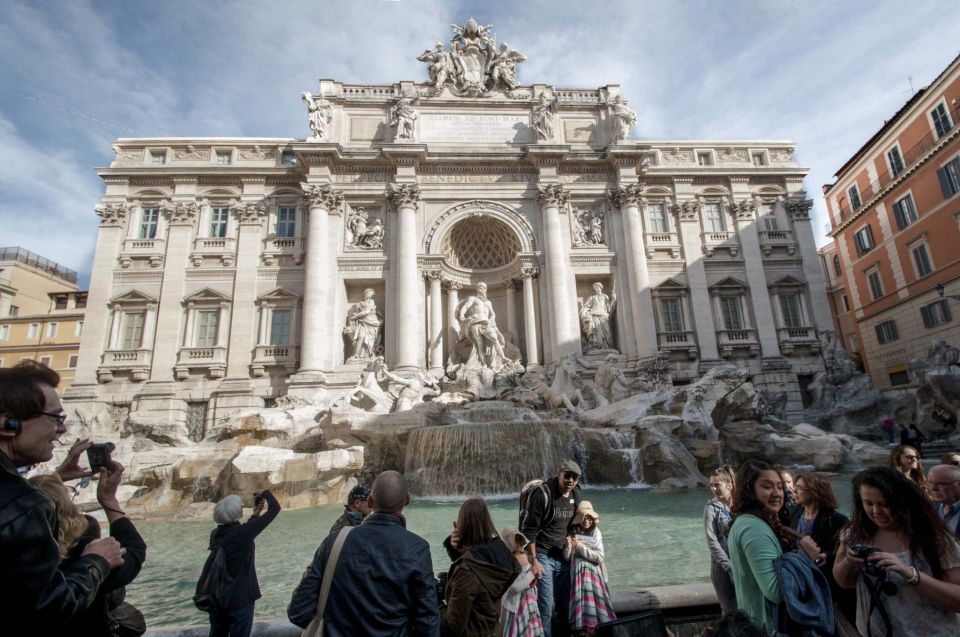
- Trevi and Navona, in a tight route that’s built for first-day orientation
- Coach + guided walking keeps the pace realistic for a 3-hour morning
- St Peter’s Basilica highlights like Michelangelo’s Pietà and Bernini’s canopy
- Pantheon may be swapped for more time inside St Peter’s (depending on your dates)
- Religious celebrations can change access to the basilica on Wednesdays and Sundays
Why This 3-Hour Morning Route Works
If you only have a small window in Rome, this kind of tour is smart. In three hours you get a quick Rome sweep: famous fountains, major piazzas, and the Vatican area—plus a guide to explain what you’re looking at while your feet do what feet do best.
The pacing is the secret sauce. You spend enough time on the bus to connect sights efficiently, then you walk through parts of the historical center where Rome’s layout actually starts to make sense. That matters when you’re planning later days, because you begin to see how monuments line up and where neighborhoods connect.
It’s also good value for people who prefer structure. For $48, you’re paying for transport and a multi-lingual tour leader, not for a long list of add-ons. Just remember: food and entrance fees for St Peter’s Basilica aren’t included, and on certain days the basilica visit inside may be limited.
You can also read our reviews of more city tours in Rome


Getting Oriented at Via Giovanni Amendola Near Termini
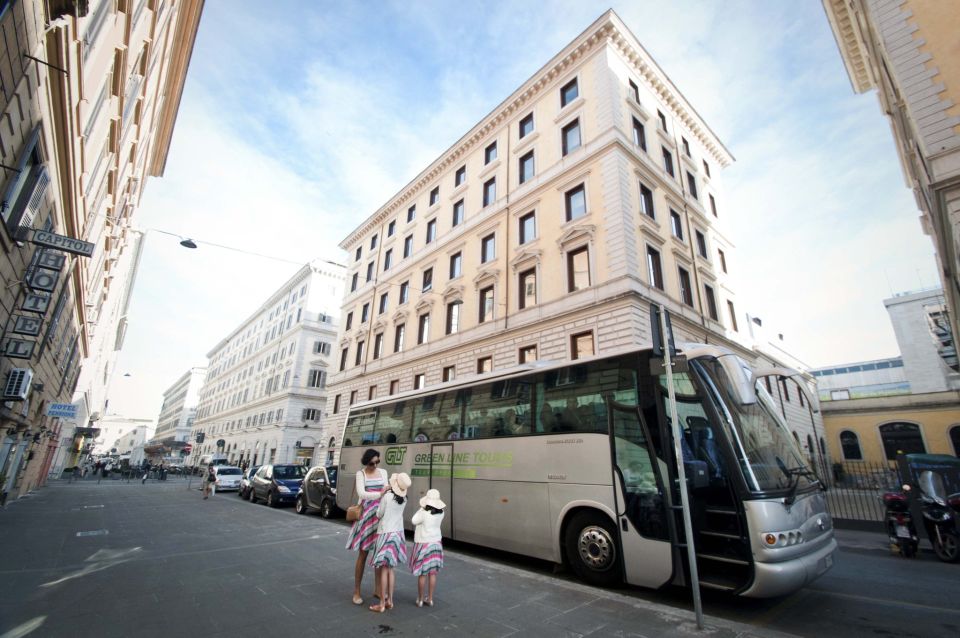
Your start is 32 Via Giovanni Amendola, near Termini station. That’s convenient because it puts you close to one of Rome’s main transit hubs, so you’re not fighting a maze of side streets before the tour even starts.
Arriving early helps, because meeting points near big stations can feel busy and confusing at first. Once you’re with the group, the morning becomes straightforward: you’re on a coach, then guided on foot in key areas where the sights are walkable and close together.
One more practical note: this tour has a live guide in English, French, and Spanish. If you’re relying on a particular language, give yourself a little cushion for any accents or speed—especially when the guide is moving you from one photo stop to the next.
Piazza della Repubblica and the Fountain of the Naiads
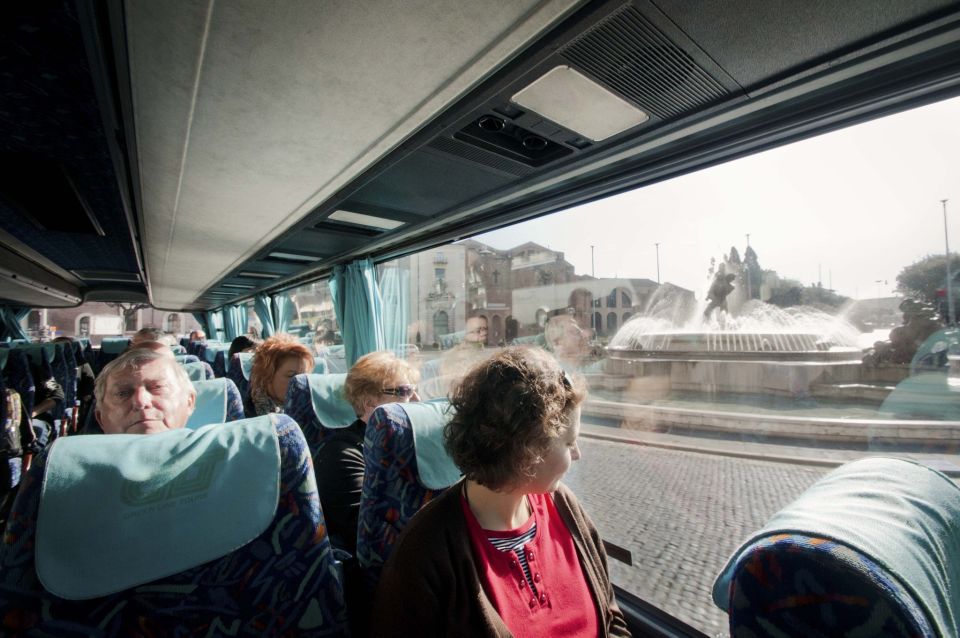
Before you hit the most recognizable postcards, you’ll cross Piazza della Repubblica and its Fountain of the Naiads. This is one of those Rome stops that’s easy to overlook if you’re only thinking about the classics like the Colosseum and Roman Forum.
Why it’s worth including: it gives you a “Roman streets to monuments” transition. You’re moving from city scale into the more intimate rhythm of historic Rome, and the guide’s commentary helps you understand why certain viewpoints and axes feel the way they do.
It also helps your timing. Early on, you’re not rushed inside a cathedral or stuck in a long queue yet. You’re setting the tone for the morning—seeing Rome’s grandeur without the stress spike that comes later.
Trevi Fountain and the Montecitorio Area: Icons With Context
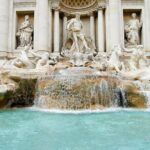
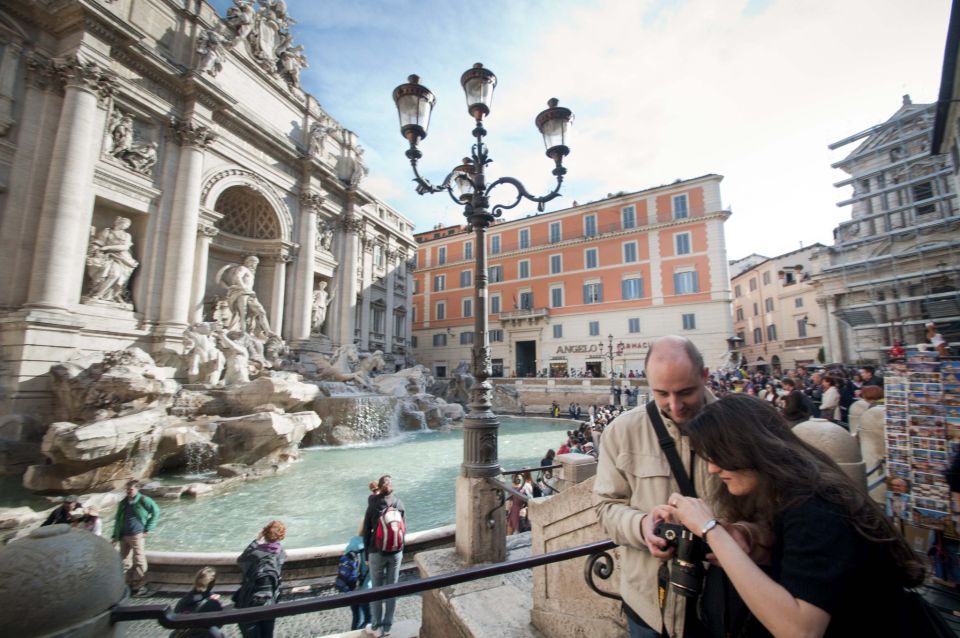
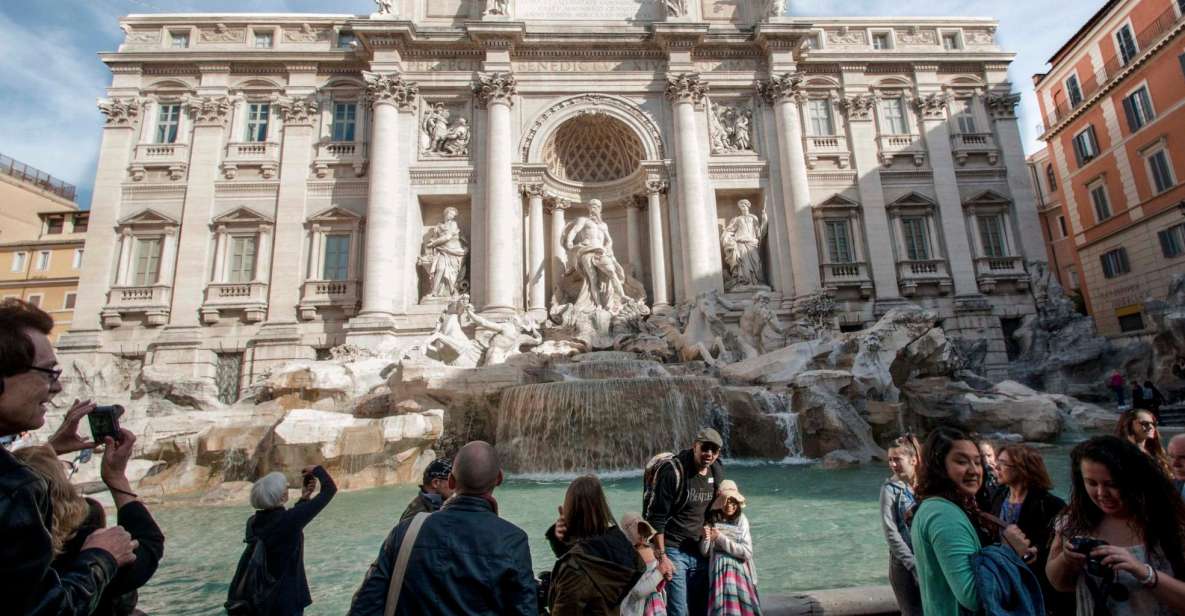
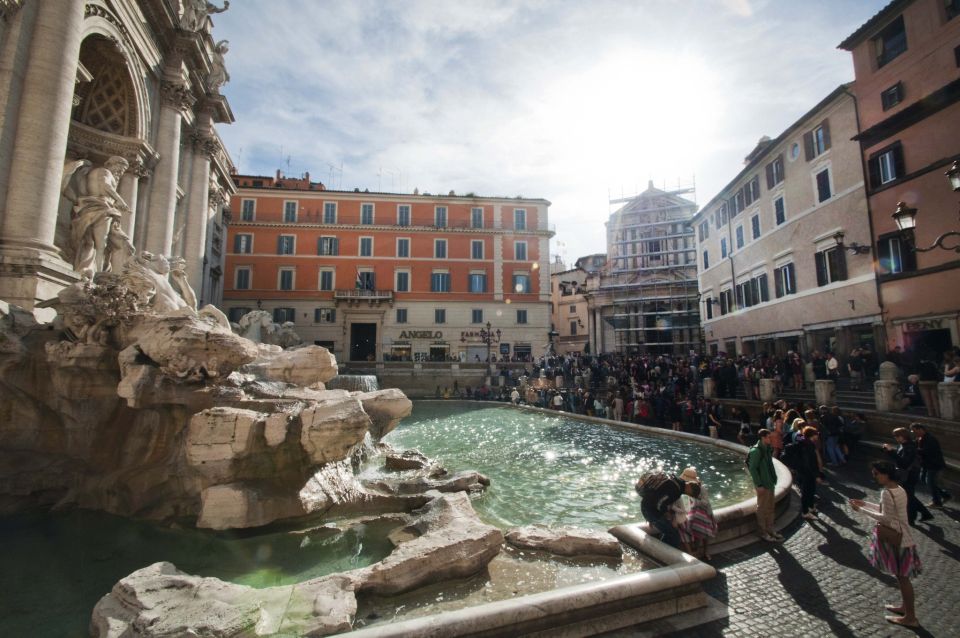
The tour’s Trevi stop is the obvious headline. Seeing Trevi Fountain in the morning is easier than trying to tackle it later when the area gets crowded fast, and the guide can point out details you’d miss if you just wandered in.
From there, the route keeps you close to important political and architectural landmarks. You’ll see La Colonna di Marco Aurelio, and you’ll pass by the Bernini-designed Palazzo di Montecitorio. That’s a nice change of pace because Rome isn’t only ancient ruins and Renaissance domes—it’s also layers of later eras built over the same bones.
You’ll also get a sense of the city’s “view corridors,” where buildings frame streets and piazzas like a stage. Even in a short tour, that orientation is useful because it helps you navigate on your own later and understand what you’re seeing, not just what it’s called.
Piazza Navona and the Style of Rome’s Squares
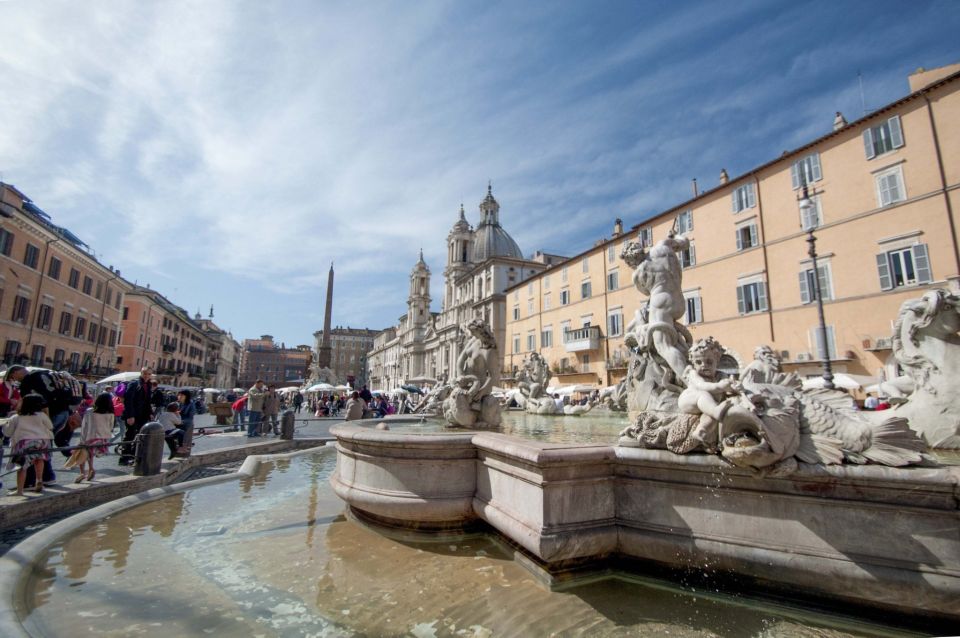
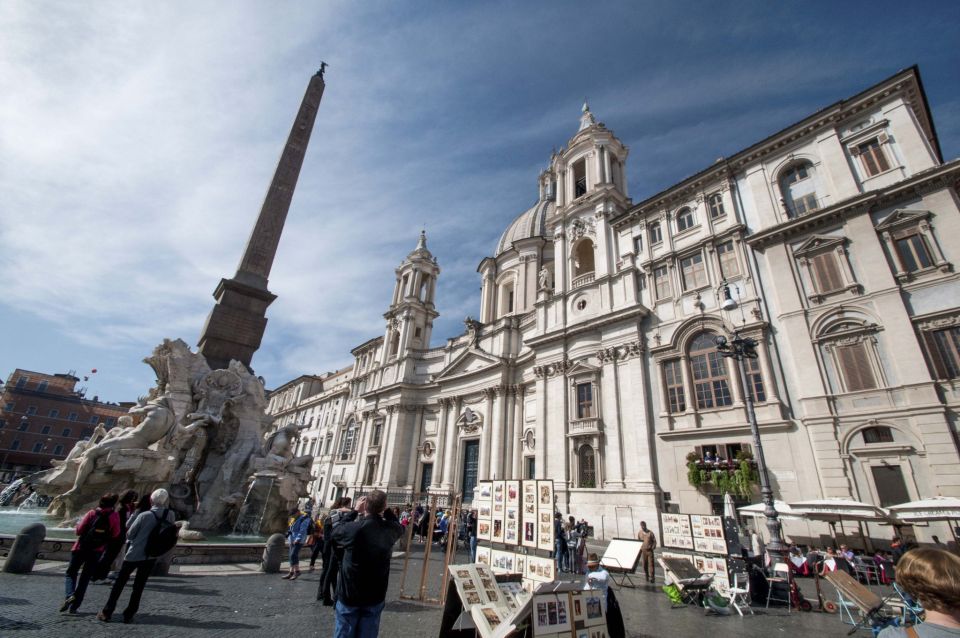
If Trevi is the big show, Piazza Navona is the performance space. It’s one of those piazzas where the buildings seem designed to be watched from the center, not from the edges. In a guided format, you’ll get more out of it than a quick photo—especially when the guide explains the artistic and civic ideas behind the architecture.
Navona also works well for a short walking segment because it’s visually rich without requiring you to cover huge distances. You’re in the thick of Rome’s baroque energy, and the morning pace keeps you from feeling like you’re spending the entire day just moving from one crowded landmark to the next.
One thing to be realistic about: piazzas can get packed. Even with a coach-and-walk plan, popular squares attract people who are doing the same idea as you. Your best move is to keep expectations flexible and let the guide time the walking sections so you can still see what matters.
You can also read our reviews of more tours and experiences in Rome



The Pantheon Swap and How Dates Affect Your Vatican Time
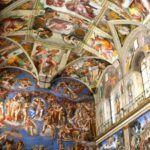
Here’s a key detail that can change your experience: as of April 1, 2018, the Pantheon visit is replaced with a visit inside Saint Peter’s Basilica. That means your “classic highlights” day may not look exactly like someone else’s version of the tour if their dates are different.
This is good news if you care most about the Vatican interiors. It’s also a heads-up if you specifically wanted a Pantheon stop. Since the tour can trade one iconic interior for another, it’s worth deciding what you want more on your Rome trip: the Pantheon’s dome-focused wow factor, or the Vatican’s art and scale.
Your tour schedule can also shift on specific days due to religious celebrations. On Wednesdays and Sundays, the guided visit inside St Peter’s Basilica is not possible, but you’ll still have the chance to visit it on your own after 13:30. So plan for a flexible “Plan B” window if the Vatican is your top priority.
From Castel Sant’Angelo to St Peter’s Square
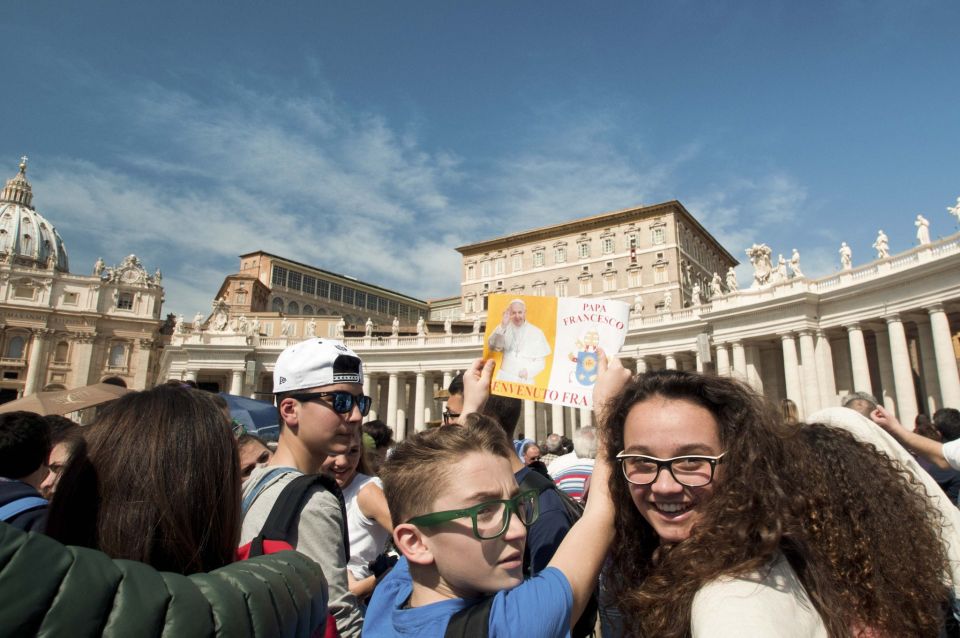
As the morning progresses, you’ll cross into Vatican territory. The driver drops you off at a point close to Vatican City, just past Castel Sant’Angelo, which is a smart routing choice. You avoid the stress of trying to find the Vatican area on your own while juggling time and traffic.
You’ll then stand at St Peter’s Square, where your guide explains what to expect from the basilica itself. This is where a good guide adds real value, because the square isn’t just scenery—it sets your expectations for scale, layout, and why people react the way they do when they finally see the interior.
From there, the tour focuses on giving you access to the basilica experience when possible. You get a chance to explore St Peter’s Basilica on your own after the guide’s overview, except during times of religious celebrations.
Inside St Peter’s Basilica: Pietà, Bernini Canopy, and Practical Reality
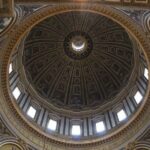
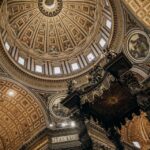
St Peter’s Basilica is the centerpiece moment. When entry is available, you’ll see major masterpieces including Michelangelo’s Pietà and Bernini’s bronze canopy. These aren’t just famous names; they’re the kind of works that change how you understand size, craft, and devotion in the same glance.
But here’s the practical part: the tour’s rules at religious sites are strict. You must follow the dress code—no shorts or sleeveless tops, and you need to cover knees and shoulders. The rules are enforced, and failing to comply can mean refused entry. I’d treat this as non-negotiable rather than a “maybe I can get in” situation.
Crowds are another reality. The basilica can feel packed in certain chapels or areas, and when that happens, you may end up close to other visitors with limited room to linger. If you’re hoping for a calm, slow experience, accept that the timing and day of the week can affect how spacious it feels.
And on Sundays, there’s an added note: the tour includes a chance to experience a blessing by the Pope. That’s exciting, but it can also tie into the same access limitations during religious celebrations, especially on days when the guided inside visit isn’t possible. Your best strategy is to go in expecting “amazing Vatican energy,” not expecting total control over how the day unfolds.
What’s Included for $48 (and What Isn’t)
For $48 per person, you’re buying:
- Transportation by tourist bus
- A multi-lingual tour leader
That’s a clean package. It’s especially good for a short morning because the bus handles the “Rome is far apart” problem while the guide handles the “Rome needs context” problem.
Not included items matter for planning. Food and drinks aren’t provided, and entrance fees for St Peter’s Basilica are not included. So if St Peter’s interior access is central to your trip, budget for entry on your own.
Also, hotel drop-off isn’t included. You’re meeting at Via Giovanni Amendola near Termini, so plan on getting there under your own power and using the metro/bus/taxi network as needed.
How to Make the Most of the Walking Segments
This is a short tour, but it still involves a bit of walking through Rome’s historic center. That means your main goal should be staying comfortable enough to enjoy the sights rather than rushing to keep up.
The schedule works best when you move as a group and let the guide manage timing at the busy stops. You don’t want to lose the connection between coach and walk segments, especially when the basilica plan changes on certain days.
One more tip: if you’re sensitive to noise or language speed, pay attention early. Some guides have spoken with strong accents, and you may catch the main points better if you focus on the guide’s cues and listen for repetition of key names like Trevi, Navona, Pietà, and Bernini.
When This Tour Is a Great Fit
This experience is ideal if you want a first-day Rome overview without spending your whole morning in transit chaos. It’s also a strong choice if you like having clear reference points—after a tour like this, you can usually plan where to return later and what order to do things.
I also like it for people who are juggling limited time but still want the high-impact interiors. The combination of outdoor icons (Trevi and Navona) with a major indoor moment (St Peter’s Basilica when access allows) gives you a balanced morning, not just a list of street sights.
If your dates include Wednesdays or Sundays, go in with a flexible mindset about basilica access. You may still get a great guided overview at St Peter’s Square, but the inside visit may shift to after 13:30 on your own.
Should You Book This Tour?
Yes—if you want a structured, short morning that hits the big Roman anchors and gets you to the Vatican area efficiently. The mix of coach time, guided storytelling, and priority access to the basilica highlights is a solid way to get momentum in Rome.
I’d skip or at least reconsider if your top priority is a guaranteed Pantheon stop, since it can be replaced depending on dates. I’d also think twice if you know you won’t be able to follow the basilica dress code, because refused entry would wreck the value of the morning.
If you’re ready for the practical rhythm of Rome—some crowds, strict rules, and timed access—this tour is a strong $48 investment in getting your bearings and seeing the essentials in one go.
FAQ
Where does the tour start?
The meeting point is 32 Via Giovanni Amendola, near Termini station.
How long is the Rome: Treasures of the City tour?
The tour runs for 3 hours.
What’s included in the price?
It includes transportation by tourist bus and a multi-lingual tour leader.
Are entrance fees included for St Peter’s Basilica?
No. Entrance fees for St Peter’s Basilica are not included.
Is the Pantheon always part of the tour?
No. From April 1, 2018, the Pantheon visit is replaced with a visit inside Saint Peter’s Basilica.
Can I visit St Peter’s Basilica on Wednesdays or Sundays?
On Wednesdays and Sundays, the visit inside St Peter’s Basilica is not possible due to religious celebrations, but you can visit it on your own after 13:30.
What’s the dress code for religious sites?
You must follow the dress code: no shorts or sleeveless tops. Men and women must cover their knees and shoulders, and it’s enforced.