REVIEW · ROME
Rome: Squares and Fountains Guided Walking Tour
Book on GetYourGuide →Operated by TVR di Stefano Donghi · Bookable on GetYourGuide
Rome is at its best when you slow down and follow the stones. This 2.5-hour guided walk strings together Rome’s most famous sights and a few quieter corners, with a focus on art and archaeology. I especially love how the tour pairs legendary storytelling (Trevi Fountain myths) with big, visual “wow” moments like Piazza Navona’s sculpted drama. One heads-up: it’s a fair amount of walking and it’s not for people with back issues or difficulty in walking.
What makes it feel worth your time is the way the guide connects each stop. You’ll meet at Piazza della Trinità dei Monti near the obelisk and a sign reading Fun Tour, then work your way through the historical heart of the city with an English-speaking specialist. The experience also stands out for service-minded guiding—one guide named Sabrina is specifically praised for being warm and steering the group toward the beauty details that most people miss. The only real drawback is logistics: if you show up late or at the wrong exact spot, you’ll create stress fast—so plan on being early and checking the meeting point carefully.
In This Review
- Key things to know before you go
- Where You’ll Start: Piazza della Trinità dei Monti and Finding Your Guide
- Trevi Fountain Legends First: The Story Behind the Most Thrown Wish in Rome
- Pantheon: Ancient Scale You Can Actually See
- Piazza Navona: Baroque Drama in Stone and Sculpture
- Hidden Rome Between Stops: Ponte Area and Santa Maria della Pace
- Castel Sant’Angelo Exterior Views: A Monument Built in 139 AD
- The Bridge of Angels Finish: Best Light, Strong Closing Views
- Price and Value: Is $67 Worth It for 2.5 Hours?
- Who This Tour Fits Best (and Who Should Skip It)
- Practical Tips to Make This Feel Easy
- Should You Book This Rome Squares and Fountains Guided Walk?
- Bottom line
- FAQ
- How long is the Rome Squares and Fountains guided walking tour?
- Where does the tour start?
- Is the tour in English?
- What are the main sights included?
- Is food included?
- Do I need to bring an ID card?
- Is hotel pickup and drop-off included?
- How much walking is involved?
- What if I’m late to the meeting point?
- Is it refundable if my plans change?
- Is the tour wheelchair accessible?
Key things to know before you go
- Trevi Fountain stories: you’ll hear the myths and legends tied to the most famous fountain in Rome.
- Pantheon dome context: the guide explains what you’re looking at, including the dome’s ancient superlative.
- Piazza Navona highlights: Bernini’s Four Rivers Fountain and the nearby Santa Agnese in Agone.
- A calmer pocket of Rome: you’ll visit Santa Maria della Pace and a tucked-away area with historical memories.
- Castel Sant’Angelo exterior focus: a monumental stop with a strong visual finish near the Bridge of Angels.
- Moderate walking for 2.5 hours: comfortable shoes matter because there’s no avoiding Rome’s uneven sidewalks.
Where You’ll Start: Piazza della Trinità dei Monti and Finding Your Guide
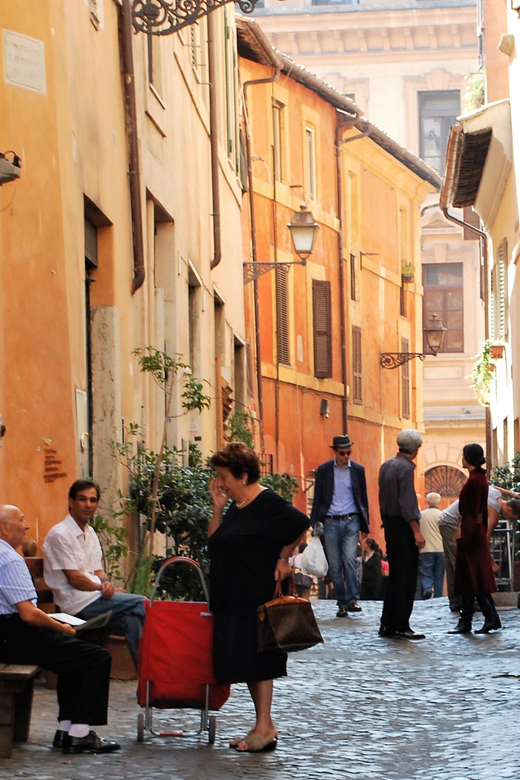
The tour begins at Piazza della Trinità dei Monti, right next to the obelisk. Your guide holds a sign with Fun Tour. If you’ve spent any time in Rome, you already know squares can look similar from different angles, so this is where you’ll want to be methodical.
I recommend arriving with enough buffer to settle your bearings. The tour has a mandatory meeting time of 15 minutes prior to departure, so treat that as a non-negotiable. Wear comfortable shoes from the start—this isn’t a “stand and admire” kind of program.
Also keep a valid ID card handy for check-in. That’s not romantic, but it matters here.
Finally, you’ll end back at the meeting point. That’s helpful if you like to keep your day organized, especially when you’re juggling tickets for other Rome sights later.
You can also read our reviews of more walking tours in Rome

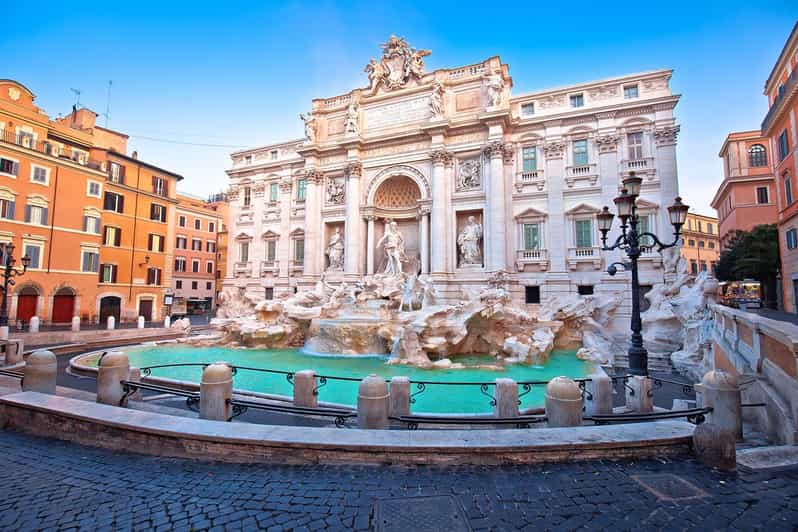
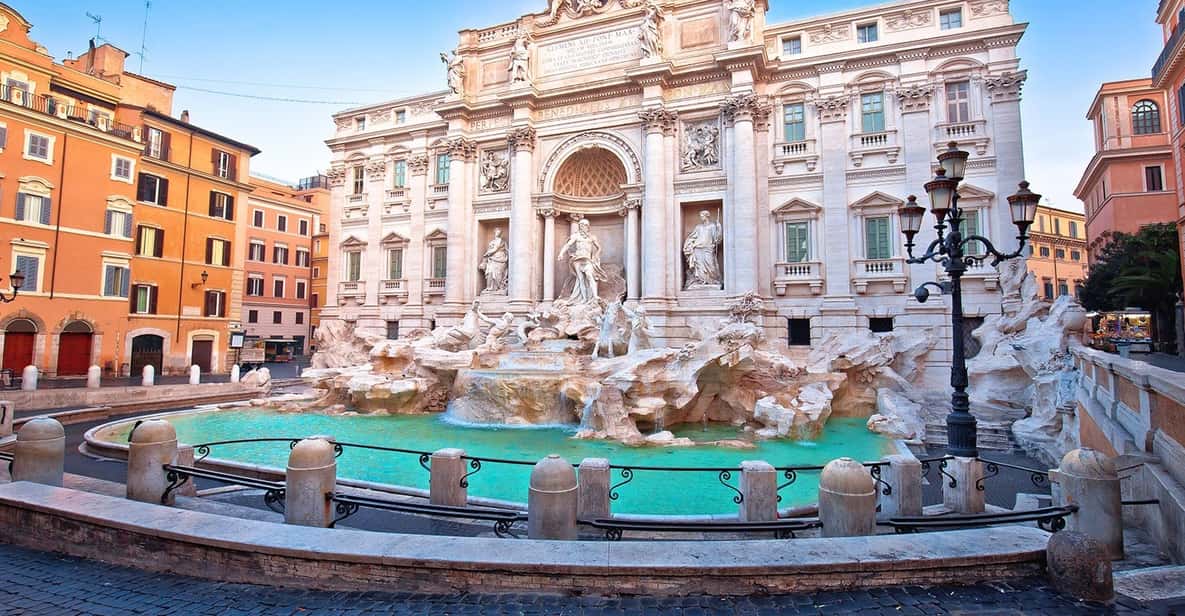
Trevi Fountain Legends First: The Story Behind the Most Thrown Wish in Rome
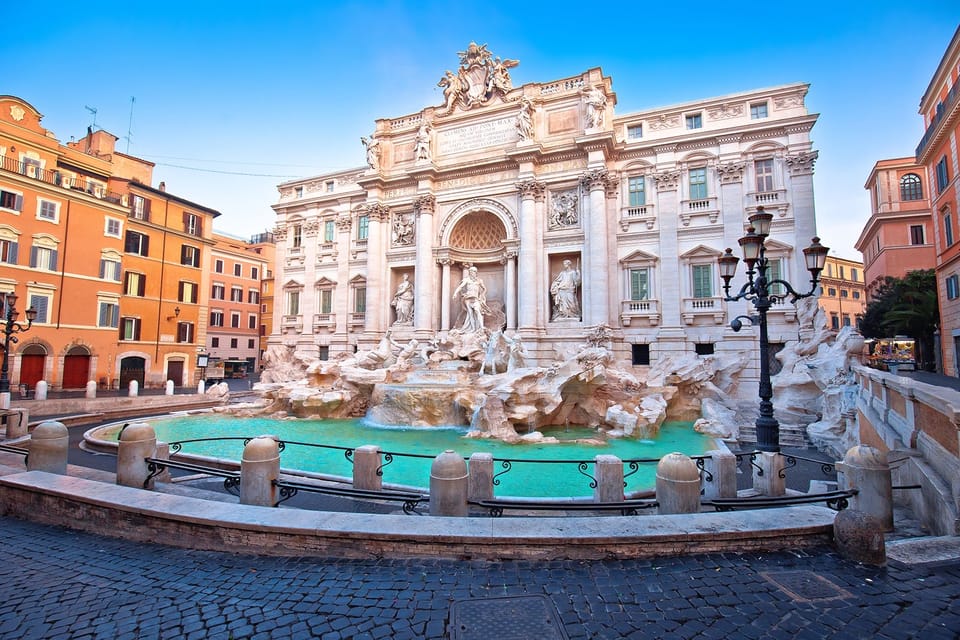
The walk kicks off with an early stop near Trevi Fountain, and the main value is what the guide adds to the scene. You’re not just staring at marble while trying to get a photo—your guide covers the legends and myths connected to the fountain, so when you look at it, it’s loaded with meaning.
Why this matters: Trevi can feel like a tourist machine if you don’t have a story to anchor it. With the guide’s background, you’ll be able to read what you’re seeing—how the fountain became a cultural icon, not just a backdrop. Even if you’ve heard some parts already, you’ll usually come away with clearer context.
Expect a short stop vibe: enough time to take in the architecture and hear the story, not a slow “linger until dinner” pace. That pacing works well because the tour is designed to keep moving through Rome’s highlights without wasting time.
Quick practical note: sunglasses help. Trevi’s open space can be bright, and you’ll be outside for the first stretch.
Pantheon: Ancient Scale You Can Actually See
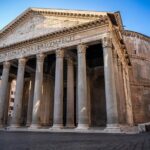
Next up is the Pantheon, which the tour frames in big-picture terms: it was built as a temple to all the gods of Olympus, and its dome has been the world’s largest since ancient times. That’s the kind of line that sounds like a textbook fact—until you stand near the structure and realize how that scale hits your senses.
Here’s how I think about this stop: the Pantheon is one of the few places where Rome’s ancient engineering and its later “art city” reputation genuinely meet in the same view. You’re not learning history as a list. You’re looking at a building whose shape still performs like a technical marvel.
The dome matters because it changes everything about light and space. Even without going deep into museum-level details, the guide’s explanation helps you notice proportions you’d otherwise skim past.
If your plan is to see the Pantheon later on your own, this tour gives you an easier starting point: you get the context first, then you can decide how much time you want for a longer follow-up.
Piazza Navona: Baroque Drama in Stone and Sculpture
Then comes Piazza Navona, one of Rome’s most theatrical squares. The tour treats it as more than an outdoor living room—it’s a stage with history layered into the stone.
The centerpiece is Bernini’s Four River Fountain, which the guide discusses as part of the square’s Baroque identity. You’ll also hear about the square’s long history of theatrical events and festivals, which helps you understand why this place feels built for spectacle.
One of my favorite parts of this stop is how the guide links art to the reason it was commissioned and where people gathered. Rome’s Baroque can look like it’s all about dramatic shapes and over-the-top design. Here, you get the sense that the drama had a job to do: it made public life feel grand.
The tour also points out Santa Agnese in Agone (by Borromini), giving you a nearby “bonus perspective” on the Baroque mindset. Even if you don’t go inside, you’ll get a clearer visual read on what makes the church special.
A practical tip: Piazza Navona is a magnet for crowds. You’ll likely find it easier to enjoy the square when you’re following a guide who can direct your attention. Treat it like a guided viewing session, not a free-for-all photo hunt.
Hidden Rome Between Stops: Ponte Area and Santa Maria della Pace
After the big names, the tour shifts into something more intimate. You’ll explore a tucked-away district in central Rome connected with historical memories, including the Ponte district, plus a visit to Santa Maria della Pace.
This part of the tour is valuable because Rome’s highlights can start to blend together if you only chase the famous checklist. Santa Maria della Pace and its surrounding vibe give you a quieter kind of payoff: smaller scale, calmer streets, and a sense that the city’s story continues beyond the postcard zones.
I like that the tour doesn’t pretend the whole day is one massive monument parade. It gives you a breather—mentally and physically—while still moving through history.
If you’re the type who likes to see what daily Rome feels like between famous landmarks, this is where you’ll notice the difference. The guide’s art-history approach helps you spot significance even when the streets are less obvious.
You can also read our reviews of more guided tours in Rome






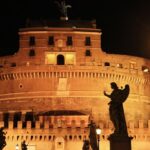
Castel Sant’Angelo Exterior Views: A Monument Built in 139 AD
The walk includes an external visit to Castel Sant’Angelo, described as a monumental tomb built in 139 AD. Whether you know the full story already or not, the exterior stop works well because the building’s mass and river-adjacent position make it hard to ignore.
This is a great “visual anchor” moment. Rome’s landmarks can be spread out and visually confusing from different streets. Castel Sant’Angelo gives you a strong, readable silhouette, and the guide’s framing helps you connect it to the older layers of the city.
Even as an exterior stop, it’s not just a photo stop. You’ll get context that makes the stop feel like part of the Rome narrative rather than a random detour.
The Bridge of Angels Finish: Best Light, Strong Closing Views
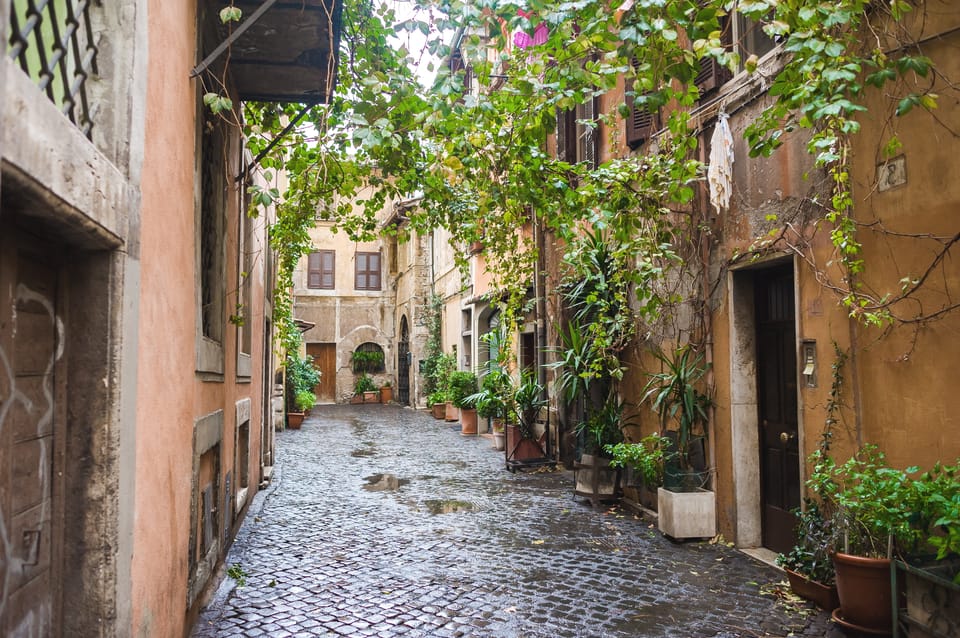
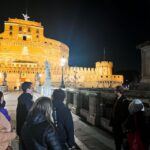
The tour ends at the bridge of the angels in front of Castel Sant’Angelo, right next to the hop-on-hop-off bus stop. This finish is smart for two reasons.
First, the area around the bridge has that “end of the walk” atmosphere. You’re wrapping up near a landmark, so it feels like you’ve earned a view, not just reached the end.
Second, it’s practical. Being close to a hop-on-hop-off connection can help you transition smoothly to another plan, whether that means continuing sightseeing by bus or heading back to your evening spot.
If you’re someone who likes to photograph from slightly different angles, this ending gives you options without needing extra navigation.
Price and Value: Is $67 Worth It for 2.5 Hours?
At $67 per person for a 2.5-hour guided walking tour, you’re paying for two things: expert guidance and efficient route planning through central Rome’s highest-demand sights.
Here’s the value logic I use: if you were to do Trevi, Pantheon, Piazza Navona, and Castel Sant’Angelo in one day on your own, you’d spend time figuring out where to stand, what to focus on, and how to connect the art and history. This tour compresses that into a single walk with an English guide, so you’re buying the ability to see more meaning per minute.
You’re also getting a structured flow. The itinerary moves from a major legend (Trevi) into ancient engineering (Pantheon), then into Baroque showmanship (Piazza Navona), then into a quieter church and district, and finally toward a dramatic finish near Castel Sant’Angelo. That arc keeps the day from turning into a scattered list.
What’s not included matters too: there’s no food or drinks included. So budget for a snack or gelato on your own if you need it.
Overall, I see this as a solid “first Rome” kind of tour: it’s a guided highlights pass with enough depth to feel real.
Who This Tour Fits Best (and Who Should Skip It)
This works best for you if:
- You want a concentrated highlights walk through Rome’s center.
- You care about the stories behind what you see—myths, art, and archaeology context.
- You like walking at a moderate pace and want your guide to handle the connections between stops.
It’s less ideal if:
- You have difficulty walking or back problems. The tour is explicitly not recommended for those situations.
- You need wheelchair access. It’s not wheelchair accessible.
- You hate meeting-point logistics. You’ll need to arrive on time and meet at the exact starting location with the sign.
Also, if you’re traveling with kids, note that a children discount applies only with a valid ID card, so have that ready at check-in.
Practical Tips to Make This Feel Easy
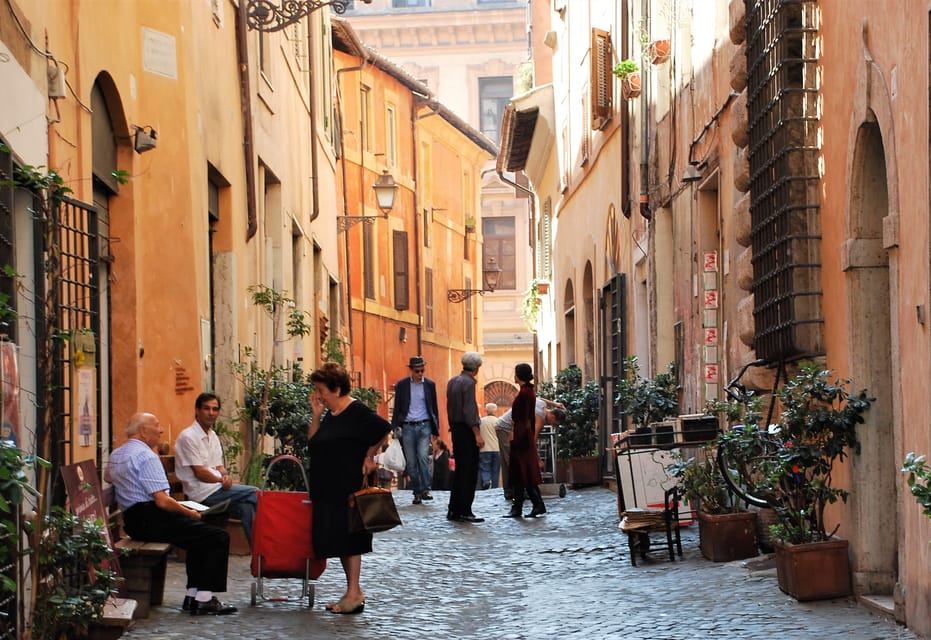
A good day in Rome starts before the first photo. Here’s how to set yourself up for a smooth walk:
- Bring comfortable shoes. Rome sidewalks don’t care about your itinerary.
- Bring a hat and sunglasses for the open-sky stretches.
- Plan to check the meeting point carefully—start at Piazza della Trinità dei Monti by the obelisk, and look for Fun Tour.
- Keep your ID ready for check-in.
- Don’t aim to sprint between activities afterward. You’ll finish near the hop-on-hop-off bus stop, but your day still needs buffer time.
One small real-world lesson: guides are people. If you have trouble locating them, use the contact method in your travel app to sort it quickly. The tour experience is designed to run smoothly, but the meeting-point moment is where you can prevent most stress.
Should You Book This Rome Squares and Fountains Guided Walk?
If you want an efficient way to see Rome’s most important art-and-architecture landmarks while getting stories that help the sights make sense, I’d book this. It’s especially compelling if Trevi, Piazza Navona, and the Pantheon are on your must-see list and you’d rather understand them than just photograph them.
Skip it if walking is a struggle for you, if you need step-free routes, or if you know you’ll struggle with meeting-point timing. In that case, you’ll enjoy Rome more with a slower plan or a different format.
Bottom line
This is a high-value guided walking tour for first-timers and repeat visitors who want clearer context—Baroque drama, ancient engineering, and a dramatic end by Castel Sant’Angelo—without turning your day into chaos.
FAQ
How long is the Rome Squares and Fountains guided walking tour?
The tour lasts about 2.5 hours.
Where does the tour start?
Meet your guide at Piazza della Trinità dei Monti, next to the obelisk. The guide has a signboard reporting Fun Tour.
Is the tour in English?
Yes, the live tour guide speaks English.
What are the main sights included?
You’ll see or visit Trevi Fountain (nearby), the Pantheon, Piazza Navona, Santa Maria Della Pace, Castel Sant’Angelo (external visit), and you’ll finish near the bridge of the angels.
Is food included?
No. Food and drinks are not included unless specified.
Do I need to bring an ID card?
Yes. A valid ID card must be shown at check-in.
Is hotel pickup and drop-off included?
No. Hotel pickup and drop-off are not included.
How much walking is involved?
There is a moderate amount of walking, and it’s recommended you wear comfortable shoes.
What if I’m late to the meeting point?
The tour has a mandatory meeting time of 15 minutes prior to departure. Arriving late can cause issues.
Is it refundable if my plans change?
You can cancel up to 24 hours in advance for a full refund.
Is the tour wheelchair accessible?
No, it is not suitable for wheelchair users.