REVIEW · ROME
Rome: Rione Parione Private Walking Food Tour
Book on Viator →Operated by Walkingourmet · Bookable on Viator
Food tours work best when they make the neighborhood feel real, and this one keeps you moving through Rione Parione for a full menu of Roman favorites. You get a private tour for your party only, plus all food tastings and beverages are included, so you’re not doing mental math between stops. The biggest draw for me is the range: market produce, Roman pizza, street food like suppli, multiple classic sweets, and even freshly fried calamari.
The only caution is that the schedule packs in a lot, and a few stops can be affected by closures on certain days—so bring comfy shoes and be ready to eat at pace rather than browsing.
In This Review
- What you’ll actually get from the 3-hour private menu
- Key highlights at a glance
- Piazza Campo de’ Fiori to Teatro di Pompeo: the route makes sense
- The market start: seasonal fruit and the rhythm of Roman eating
- Roman pizza next door: thin crust, fast service, real local order
- Pizzicheria antipasti and Roman street snacks: salt, crunch, repeat
- Pastarella and a serious gelato moment: dessert comes early and often
- Tiramisu and calamari: two icons, different moods
- Coffee and/or tea: the finish that ties the whole meal together
- Price and value: what $112.94 is buying you
- Guide quality matters: when it hits, it really hits
- Who this tour suits best (and who should skip it)
- Should you book this Rome Rione Parione private food tour?
- FAQ
- Is this a private tour?
- How long is the Rome Rione Parione walking food tour?
- What food and drinks are included?
- Is alcohol included?
- Where do I meet the guide and where does the tour end?
- What language is the tour offered in?
- Is there free cancellation?
What you’ll actually get from the 3-hour private menu
This walk is built around Rome’s everyday food culture, not just a single “signature” dish. Starting at Piazza Campo de’ Fiori, you’ll trace how the day’s ingredients turn into snacks, gelato, and dessert, then finish near Piazza del Teatro di Pompeo. It runs about 3 hours, it’s offered in English, and the tour uses a mobile ticket format. Most people can join, and because it’s private, your guide can slow down or speed up for your group.
If you’re the type who wants alcohol included, you’ll need to plan for that. Alcoholic beverages are not included, though coffee and/or tea are part of the package.
Key highlights at a glance
- Private tour only for your party, so you won’t get stuck behind a large group.
- All tastings included, from market fruit to gelato, tiramisu, and fried calamari.
- Roman-focused stops like thin-crust pizza and street snacks such as suppli and fiori di zucca.
- Sweet lovers get a full lineup, including gelato with many flavors and freshly made tiramisu.
- Walking route through real neighborhood streets, starting at Campo de’ Fiori and ending near Teatro di Pompeo.
- Coffee and/or tea included, which makes the final stop feel appropriately Italian.
You can also read our reviews of more walking tours in Rome
Piazza Campo de’ Fiori to Teatro di Pompeo: the route makes sense
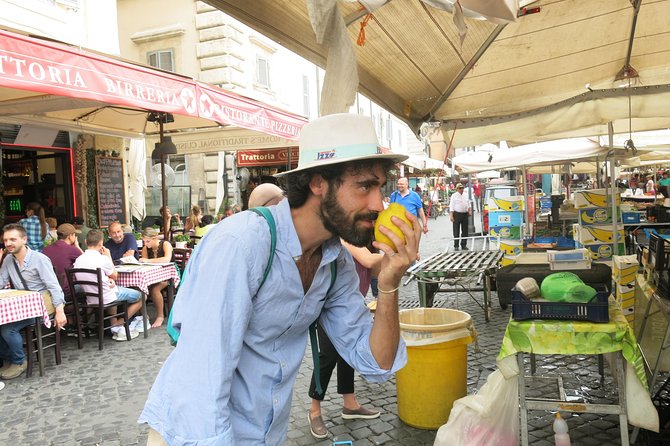
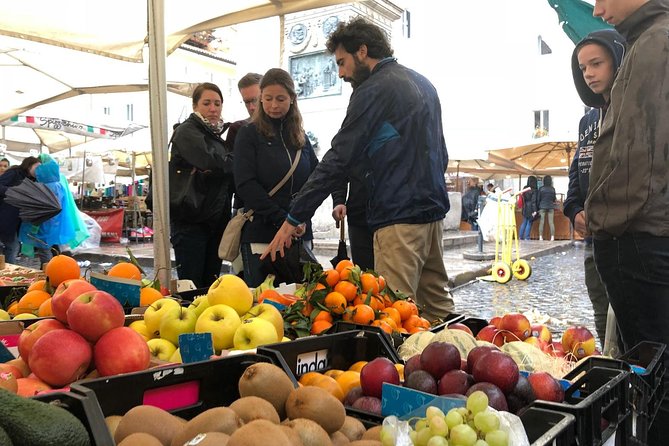
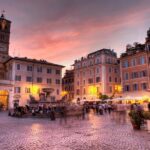
You start at Piazza Campo de’ Fiori, right by the market atmosphere that powers this whole area. Even if you’ve seen markets before, Campo de’ Fiori hits different because it’s busy, central, and constantly changing with the season. The tour uses that energy as your warm-up: you’ll discover what’s in-season and try local fruit from stalls along the way.
Ending at Piazza del Teatro di Pompeo is a smart move because it keeps the walk connected to a lively part of central Rome without forcing you to backtrack. It also helps if you’re planning dinner later—you’re not trapped far from transit or your next stop.
Practical note: you’ll be on your feet for roughly 3 hours. This isn’t a sit-down tasting that replaces walking. Plan for that and you’ll have a much better time.
The market start: seasonal fruit and the rhythm of Roman eating
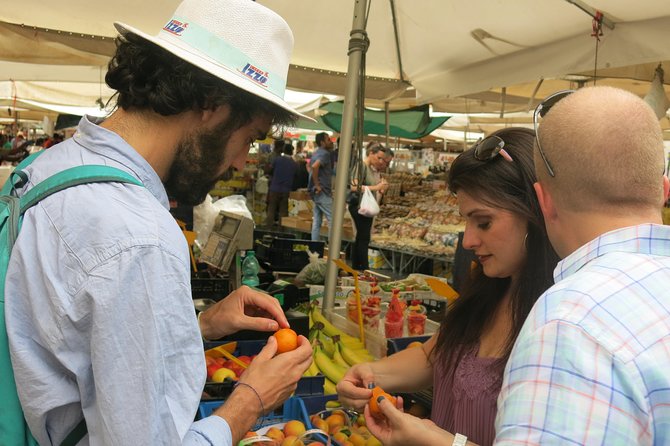
The first stop anchors the tour in a very practical idea: Rome’s food starts with ingredients, not menus. Here, you’re looking at fruit that reflects the season, not just whatever is always available. That matters because it shows you how local cooking thinks—use what’s good right now, then build from there.
Right next to the market, you’ll move into the pizza world. The tour highlights Roman-style pizza, made thin because that’s the tradition here. If you’ve only had thick, soft American-style slices, this is one of the quickest ways to understand the regional difference.
Why this is valuable for you: it’s a fast lesson in how Rome’s neighborhood culture works. You’re not just eating; you’re learning the logic behind what you’re tasting.
Roman pizza next door: thin crust, fast service, real local order
Pizza in this part of Rome is about speed and consistency. The tour’s setup—market first, pizza right after—matches how people likely eat here on a normal day: grab something simple, keep moving, trust the regular place, and expect it to be good.
You’ll get a chance to try the pizza while you’re still fresh from the market start, which is a smart pacing choice. The goal is to keep your tastes clear enough to appreciate texture and flavor, not just survive the sugar/salt overload later.
Potential drawback: if you arrive super hungry, it can be a lot early. But if you arrive with the right appetite level, this section becomes a highlight rather than a warm-up you barely remember.
Pizzicheria antipasti and Roman street snacks: salt, crunch, repeat
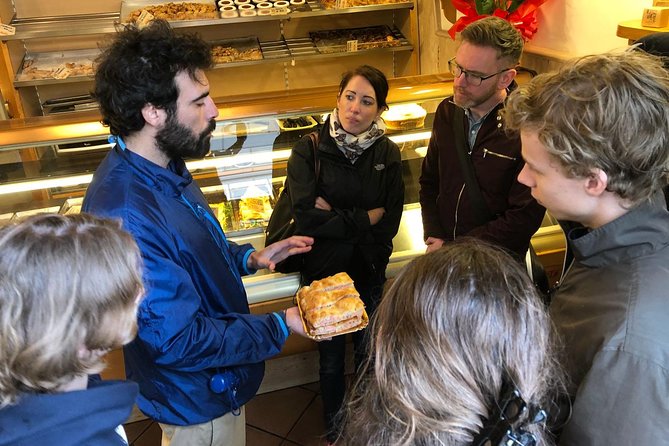
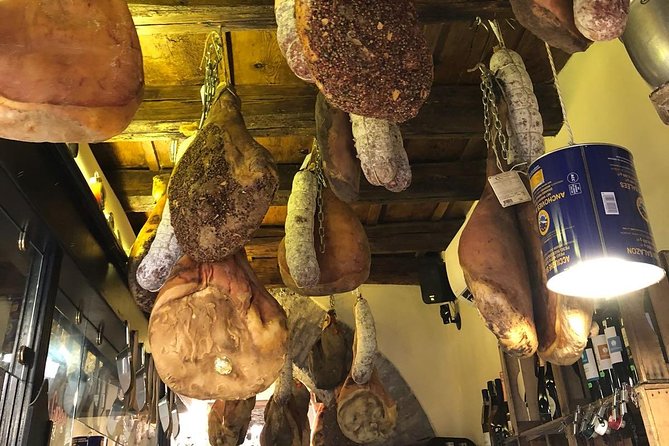
After pizza, the tour shifts into a different Roman tradition: the pizzicheria. Think of this as a place where you can pick and choose small bites that skew savory. Here, you’ll try freshly made antipasti—examples include prosciutto and spicy salami—so you get a taste of cured-meat flavor in a way that’s meant to be eaten quickly and shared or paced.
Then comes the street-food portion: Roman fritti, with favorites listed as fiori di zucca and suppli. These are the kinds of snacks that explain why fried food in Italy feels different. The taste is tied to local ingredients and simple preparation, and the texture is part of the point—crisp outside, soft inside.
Why you’ll appreciate this stop: it breaks up the tour so you’re not stuck in a loop of sweets. You get salt and crunch, which makes the later desserts feel much more balanced.
One thing to consider: fried snacks can be heavy, and the tour includes multiple sweet stops afterward. If you’re sensitive to super rich food, you might want to slow down and take smaller bites at the fritti stage.
You can also read our reviews of more food & drink experiences in Rome

Pastarella and a serious gelato moment: dessert comes early and often
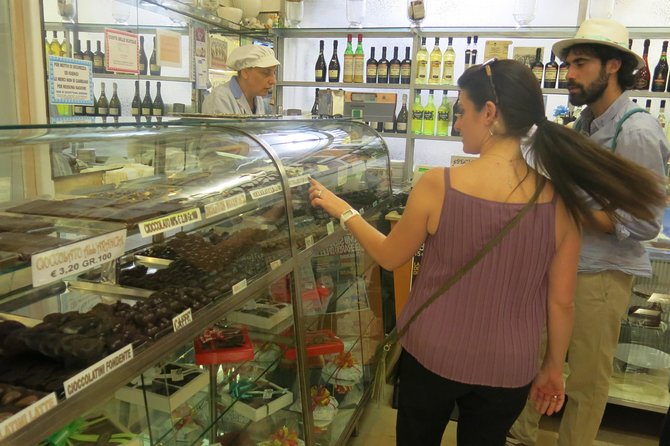
Next up is la pastarella, described as coming from a 3rd generation pasticceria. That’s a big deal here because it signals continuity. Multi-generation pastry shops tend to refine recipes and keep service fast, even when the shop is busy. For you, that usually means consistent quality and familiar classics.
Then you’ll hit gelato: the tour calls out 60 different gelato flavors. Even if you don’t love decision pressure, this part is fun because it forces you to think like a local—what sounds right today, and what should you sample now before you move on?
You should also know this: gelato can be deceivingly filling. It’s smaller than a full dessert, but after pizza, antipasti, and fritti, it can land harder than expected. If you want to keep going strong for the final sweets, choose flavors you’re excited about, not just the ones you’re curious about.
Tiramisu and calamari: two icons, different moods
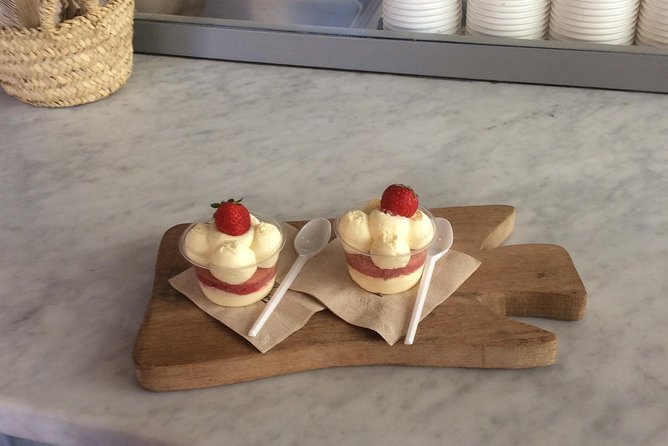
The tour includes what it frames as a very special tiramisu moment, with the chef freshly making it for you. That’s the kind of detail that can change the whole experience. Store-bought tiramisu can be fine, but fresh preparation is often smoother and more aromatic, especially with the coffee element.
After sweets, you’ll switch gears again—this time toward a fish market and freshly fried calamari. That contrast is what keeps the tour feeling like Rome instead of a straight dessert crawl. It also balances the sweetness in your day: salty, savory frying helps reset your palate before you finish with coffee.
Potential drawback here is timing. If your group is slow, or the market area is busy, this portion can feel rushed. That doesn’t usually ruin the taste, but it can make you feel like you’re eating on the move rather than taking your time.
Coffee and/or tea: the finish that ties the whole meal together
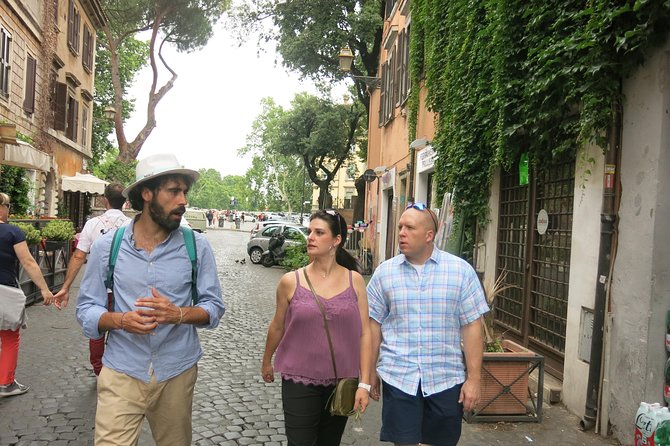
In Italy, the end of a meal often means coffee, and this tour ends with coffee and/or tea. It’s a practical choice because it helps you close out the tasting chain without adding another giant dessert. Plus, it gives you a final moment to sit or stand, catch your breath, and decide what you want to do after the tour.
Small tip that helps: if you’re planning dinner that night, take the coffee stop as your “cool down.” After that, you can decide if you’re ready for a big meal or if you’d rather do a lighter post-tour bite.
Price and value: what $112.94 is buying you
At $112.94 per person for about 3 hours, the key value isn’t the walk. It’s the included food volume. This tour wraps in multiple tastings that would cost plenty on their own: market fruit, thin crust pizza, antipasti, fried street snacks, pasticceria pastry, gelato, freshly made tiramisu, fish market calamari, plus coffee and/or tea.
Alcohol isn’t included, so if you drink wine or beer during your Rome evenings, budget extra. But for a non-alcohol tasting day, this is structured in a way that usually feels fair. You’re paying for access and pacing—knowing where to go, when to eat, and what to order so you don’t waste time figuring it out.
Also, because it’s private for your party, you’re not splitting attention across a large group. That often leads to smoother service and a better rhythm between stops.
Guide quality matters: when it hits, it really hits
This is where the experience can vary. Some guides get highlighted for mixing in history, anecdotes, and strong pacing—one guide named Gabriele is described as knowledgeable and considerate about warm weather, with a very personal feel. Another guide named Davide is praised for blending cultural information with the tastings, speaking excellent German, and delivering good price-to-value.
But there’s also at least one serious red flag in the mix: one report describes a no-show and a total miss of planned time, with the provider later offering a full refund and apology due to reopening mess after the pandemic.
So here’s the practical takeaway for you: if you book, don’t assume everything will run perfectly. On the day, confirm meeting details and keep an eye on your messages. A small check can save a lot of stress.
Who this tour suits best (and who should skip it)
This walking food tour is a great match if you:
- want Roman flavors in a tight time window
- like structured tastings where the order is handled for you
- prefer a private format over crowded group tours
- want a mix of sweet and savory, not just gelato or just pizza
It might not be the best match if you:
- hate walking or can’t handle a steady pace for about 3 hours
- struggle with large amounts of rich food back-to-back
- expect alcohol to be included (it isn’t)
If you’re coming with a big appetite, you’re in the right place. If you’re not, plan to share bites or pace more slowly at the fried and dessert stops.
Should you book this Rome Rione Parione private food tour?
I’d book it if you want a high-impact food day with clear structure: market start, pizza and antipasti, Roman fritti, pasticceria sweetness, gelato, tiramisu, then calamari and coffee/tea to finish. The included tastings are the real draw, and the private format keeps it friendly and flexible.
I’d think twice if your schedule is tight enough that losing time would ruin your trip. The route is fixed, and walking time is real. Also, because the tour is packed with stops, it’s worth showing up with a normal appetite and letting the guide decide the pace.
If you want, tell me your travel month and whether you’re more into savory or sweets. I can help you pick the best time to do this route so it feels fun, not exhausting.
FAQ
Is this a private tour?
Yes. It’s described as a private tour/activity, meaning only your group participates.
How long is the Rome Rione Parione walking food tour?
The duration is about 3 hours.
What food and drinks are included?
The tour includes snacks, and all food is included, along with coffee and/or tea. A licensed guide is also included.
Is alcohol included?
No. Alcoholic beverages are not included.
Where do I meet the guide and where does the tour end?
It starts at Piazza Campo de’ Fiori (P.za Campo de’ Fiori, 00186 Roma RM, Italy) and ends at Piazza del Teatro di Pompeo (00186 Roma RM, Italy).
What language is the tour offered in?
It’s offered in English.
Is there free cancellation?
Yes. You can cancel for a full refund up to 24 hours before the experience start time.