REVIEW · ROME
Rome Private Segway Tour
Book on Viator →Operated by Rolling Rome · Bookable on Viator
A Segway makes Rome feel doable. This private 3.5-hour glide gives you a big-city overview with less foot fatigue, guided by a local who shapes the route around your group. I especially like the safety-focused coaching and the way the ride connects monuments to the stories behind them, from Trevi to the Pantheon. The one thing to plan for: you’ll need to be comfortable mounting the Segway and moving in/out of uneven areas, plus you must meet the weight limits.
I like the format because it’s genuinely practical: you see far more than a standard walking pace, and you get a guide who can adjust as you go. Guides I’ve heard called out include Nico and Gabriel, with Jane also showing up in past experiences. My only caution is simple: this isn’t built for people who prefer to linger for long stretches—there’s a lot of ground covered in 3.5 hours.
In This Review
- Key highlights worth your attention
- A Segway Tour That Actually Covers Rome
- Start at Piazza del Gesù, Then Get Your Bearings
- Trevi Fountain and Vittorio Emanuele: The Big Names First
- Piazza Venezia and Fontana dei Quattro Fiumi: Squares With Real Clues
- Piazza del Campidoglio: Michelangelo’s Design and the Forum View
- Spanish Steps: A Photo Stop That Teaches You How to Read the Scene
- Colosseum Without the Sprint, Then the Pantheon That Still Feels Impossible
- Circo Massimo and Via dei Fori Imperiali: Where Rome’s Scale Really Hits
- Aventine Hill at Giardino degli Aranci: The View Break You’ll Remember
- Rolling Rome Office: A Clean Finish to Your Loop
- Private Guide Energy: Why Nico, Gabriel, and Jane Matter
- Price and Value for a 3.5-Hour Private Ride
- Comfort, Safety, and Who Should Reconsider
- Timing Tips: Daylight vs. Evening for Rome’s Mood
- Should You Book This Rome Private Segway Tour?
- FAQ
- How long is the Rome Private Segway Tour?
- How much does the tour cost?
- Where does the tour start and end?
- Is this tour private?
- What’s included in the price?
- What’s not included?
- What are the age and weight limits?
- Do I need comfortable shoes or special clothing?
- When will I get confirmation after booking?
Key highlights worth your attention
- Private by design: only your group rides, so the pace and stops can match you
- Helmet + local guide included: safety and guidance are part of the package
- Major sights in one loop: you hit Trevi, the Pantheon, Colosseum area, and viewpoints
- Flexible route: you’re not stuck on a rigid script
- Aventine orange-grove views: the Giardino degli Aranci stop is a standout photo break
A Segway Tour That Actually Covers Rome
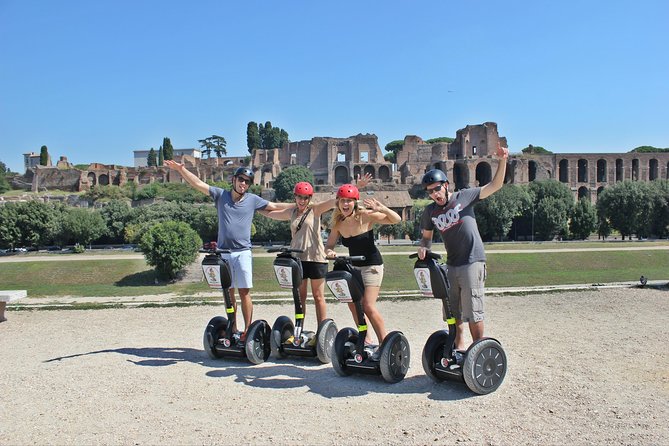
Rome spreads out. On foot, you can end up trading your time for sore calves and long detours. This is designed to solve that with a Segway ride that lets you cover a lot while still stopping at the sights that matter.
You’re not just “moving through Rome.” The guide ties each stop to what you’re looking at—so the monuments don’t feel like random postcards. I also like that the experience is private, which changes the vibe: you’re not watching people in front of you or waiting for a big group shuffle.
You can also read our reviews of more private tours in Rome



Start at Piazza del Gesù, Then Get Your Bearings
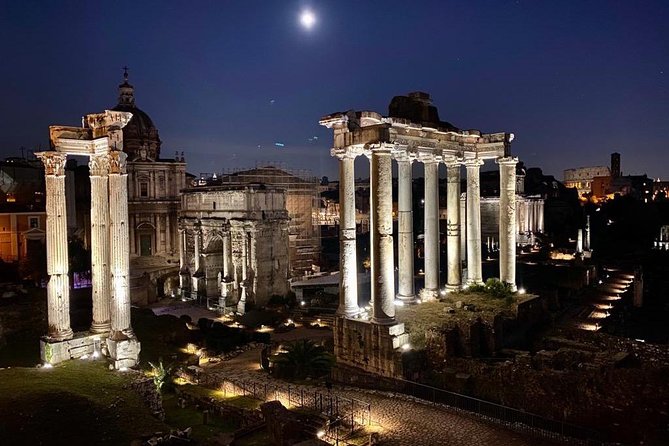
Your tour starts and ends at Piazza del Gesù, 47 (a central anchor that’s easy to reach with public transit). Because hotel pickup and drop-off aren’t included, you’ll want to build in a little buffer time to get there calmly and on foot.
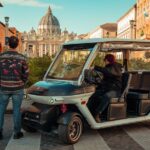
Once you meet your guide, you’ll use the helmet provided. Then you’ll get on the Segway and practice the basic controls before you begin weaving through the route. The guide’s job is to get you confident fast, and you can feel that in how past groups talked about smooth, careful instruction.
Trevi Fountain and Vittorio Emanuele: The Big Names First
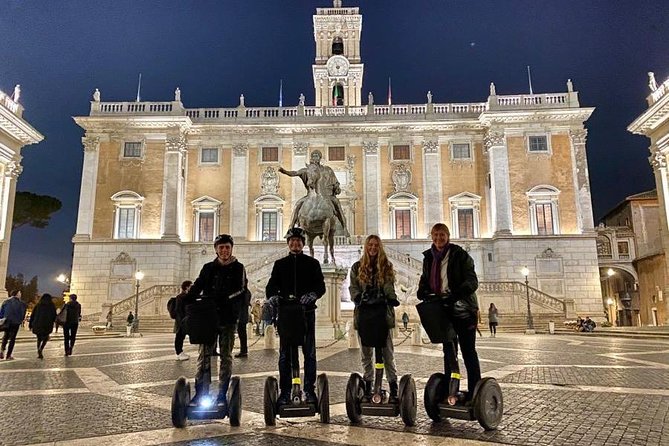
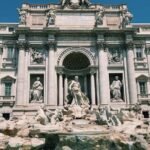
Trevi Fountain hits immediately—huge, dramatic, and loud in the best way. It sits where an ancient aqueduct once ended, so the whole scene has a built-in “why it’s here” story. Even if you’ve seen photos, seeing it up close is different; it’s the kind of place where details jump out once you’re actually there.
Then you roll toward Monumento a Vittorio Emanuele II, a monument you can spot from many parts of Rome. The guide helps you interpret the monument’s scale and symbolism, including a memorable focus on the horse in front. The effect is simple: you look past the silhouette and start noticing what’s going on.
Practical note: Trevi and the nearby monuments can attract crowds. If you’re booking later in the day, you might find the atmosphere calmer than peak hours—one past experience specifically called out how night timing felt better.
Piazza Venezia and Fontana dei Quattro Fiumi: Squares With Real Clues
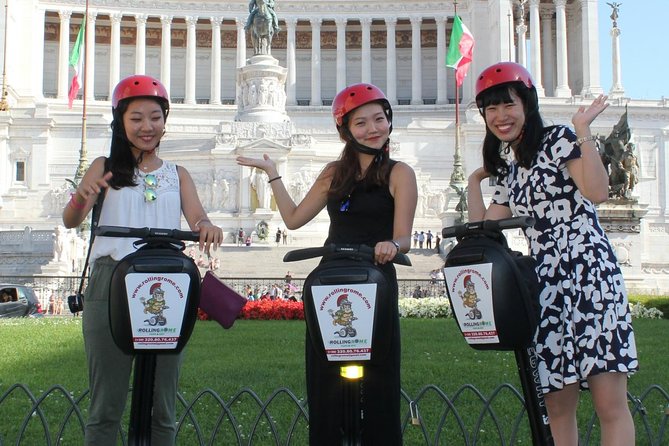
Piazza Venezia is one of those Rome intersections where history keeps stacking on itself. It’s busy and visually packed, which can make you feel like you’re scanning nonstop. That’s where a good guide helps—you’re not just walking around; you’re learning what to look at first.
Fontana dei Quattro Fiumi is the kind of stop that makes a square feel like a stage. The fountain is famous, but the bigger win is the explanation of how the elliptic shape connects to the ancient stadium of Domitian. So you’re not only seeing a beautiful fountain; you’re also reading the space like an archaeological clue.
If you like architecture and city planning, these are solid “pause and notice” moments. If you’re more of a “show me the highlights” traveler, these still work because each stop is short and focused.
Piazza del Campidoglio: Michelangelo’s Design and the Forum View
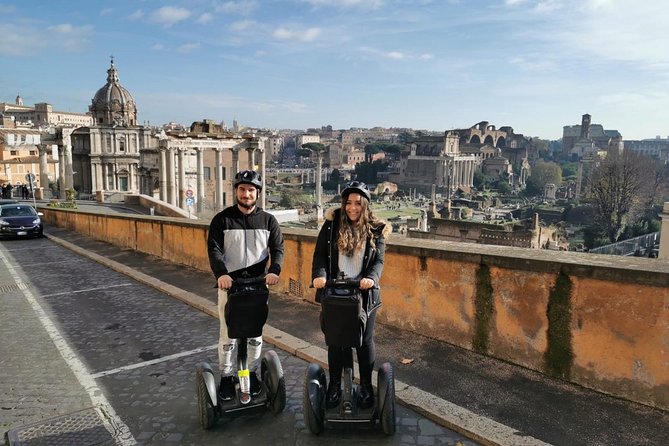
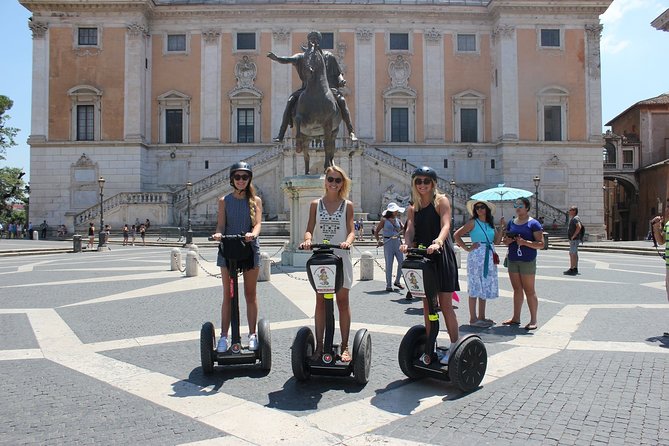
Piazza del Campidoglio sits on one of Rome’s most important hills, and it feels like a turning point in the route. You’ll see the square designed by Michelangelo, and that alone is worth the stop—his layout makes you look outward on purpose.
The best payoff is the viewpoint overlooking the Roman Forum area. Rome’s ruins are spread across a wide space, and from this angle you can start understanding how different parts connect. It’s the kind of view that helps you orient for the rest of your trip, even if you don’t plan to do a full Roman Forum visit that same day.
Watch your footing: you’re on a hill and in an active sightseeing area, so comfortable shoes matter more than usual here.






Spanish Steps: A Photo Stop That Teaches You How to Read the Scene
The Spanish Steps are famous for a reason: the design is irregular, layered, and built for people to gather and move. You’ll hear it described as the Scalina Spagna, and it’s a strong example of Roman Baroque style.
What I like about this stop is that it’s more than a quick snapshot. The guide points out how the wide, mixed layout creates terraces and sightlines, so you understand why the steps feel like a public space rather than just stairs. You can also take a moment to step back and watch how the flow works—where people naturally pause, where they climb, and where the views open up.
This is a good break in the middle of the tour when you want fresh air and an easy place to reset.
Colosseum Without the Sprint, Then the Pantheon That Still Feels Impossible
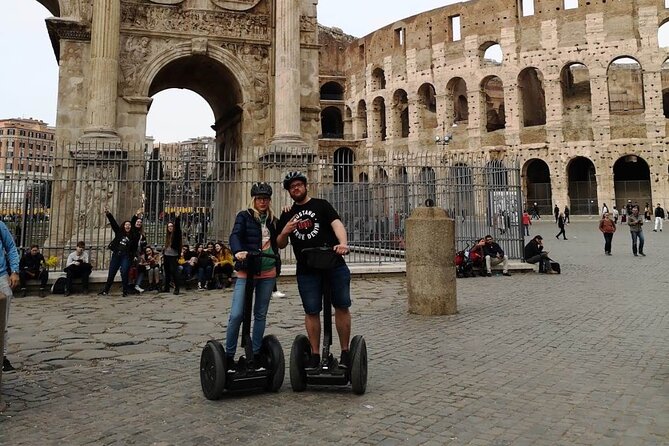
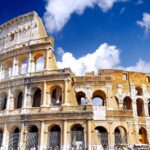
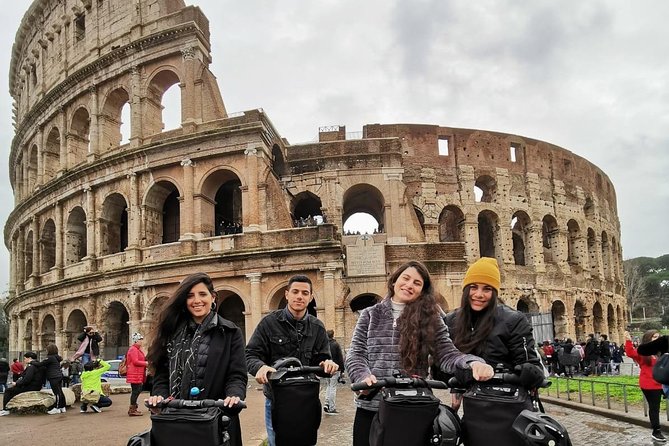
Colosseum is the headline, the iconic one, and you’ll visit it as part of this Segway route. You’re also given the key context: it’s the Flavian amphitheater, tied to emperors and gladiatorial life. The stop is time-limited, so you won’t get a deep archaeology lesson, but you’ll leave with the big-picture frame.
Important for budgeting: the Colosseum admission ticket isn’t included. I’d plan to either purchase ahead (if you prefer less waiting) or accept that you may spend extra time on ticket logistics before you fully explore.
Then the tour shifts to the Pantheon, which feels almost unreal because it’s still standing like it did when it was created. You’ll see the massive dome and the grand column façade, and the guide explains why this building became a template for later architecture. Even if you’re not a “dome person,” the scale lands fast when you’re standing near it.
Most of this stop’s admission is listed as free, which makes the Pantheon a high-value stop on this route.
Circo Massimo and Via dei Fori Imperiali: Where Rome’s Scale Really Hits
Circo Massimo is the huge stadium site for chariot racing—so large it worked for thousands of years. In a short stop, you won’t map every edge, but you can grasp the idea: this is not a small arena. If you like the “big infrastructure” side of Roman life, this is a strong complement to the Colosseum context.
The Circo Massimo admission ticket isn’t included, so if you want full access, you’ll need to handle that on your own.
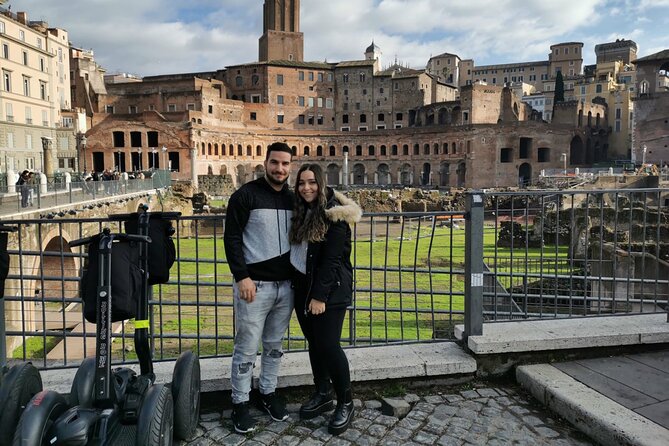
Then comes Via dei Fori Imperiali, a street that frames the Fori. That word matters because it’s about how different parts of the ancient complex line up. Walking this segment (even briefly) helps you understand how Rome’s imperial spaces create movement corridors, not isolated monuments.
This section is a good “connect-the-dots” moment: the guide’s explanations help the city start making sense as a system.
Aventine Hill at Giardino degli Aranci: The View Break You’ll Remember
Giardino degli Aranci is the payoff for a lot of people who want one special viewpoint. On the Aventine Hill, you get rooftop views that feel like you’re looking at Rome from above its own noise.
This is also where a Segway tour can feel like a smart choice. You’re getting to a scenic spot without spending the day climbing hills on foot. One highlighted experience even mentioned how enjoyable the route felt when timed for later hours, when crowds can be thinner and the city atmosphere changes.
If you’re the type who likes one great overlook during the day, this is the stop to prioritize mentally.
Rolling Rome Office: A Clean Finish to Your Loop
The tour ends back near where it starts, at the Rolling Rome Tours & Rents office. That’s useful if you’re planning the rest of your day, since you don’t have to figure out a complicated “how do we get back?” puzzle.
Also, this closure helps with pacing. You’re not spending your last minutes searching for your next transit step—you can end, regroup, and head toward dinner or a museum without stress.
Private Guide Energy: Why Nico, Gabriel, and Jane Matter
One of the strongest themes from the experience is the guide’s style: safety first, history tied directly to what you see, and a sense of fun. Nico is mentioned as especially knowledgeable and conscientious about safety. Gabriel also comes up as funny and clever, which matters because it keeps the group relaxed during the learning moments.
Even if you don’t know the guide in advance, you should expect the same priorities: clear instructions, steady pace, and explanations that connect monuments to legends and real-world design. Since the itinerary is flexible, your guide can slow down if you need it or move on when your group is ready.
If you’re traveling as a couple or small group, this private format is where the value really shows. It’s not only the Segway—it’s the ability to ask questions and get answers that fit what you’re looking at right now.
Price and Value for a 3.5-Hour Private Ride
At $120.15 per person for roughly 3 hours 30 minutes, you’re paying for three main things: the private guide, the Segway time, and the equipment (helmet included). Since hotel pickup isn’t part of the package, you’re also responsible for getting to Piazza del Gesù on your own.
Is it worth it? I think it can be, especially if:
- you want a first-day overview that helps you plan the rest of Rome
- you’re worried about walking pace and stamina
- you’d rather pay for transport energy than spend your day feeling worn out
If you’re a confident walker who loves slow wandering, you might spend less on a walking tour. But in Rome, that slow wandering can quickly turn into 10,000 steps you didn’t plan for.
This is a good “time-smart” choice when you want major highlights plus a few viewpoint moments.
Comfort, Safety, and Who Should Reconsider
Segways aren’t for everyone, and the rules here are clear. You must be at least 16 years old, and your weight needs to be within the range of 100 to 250 pounds (45 to 113 kilos). If you fall outside that, you shouldn’t plan on making the tour work.
You’ll also need to be able to make motions like climbing and descending stairs without assistance. You’re in city terrain with curbs and uneven edges, so this is more physical than a pure sightseeing bus ride.
Other practical tips: wear comfortable shoes and avoid carrying large bags while you ride. If you’re traveling with camera gear or a day bag, keep it small enough that you can move comfortably when stopping.
The good news is the guide’s job is to get you safe and comfortable quickly—past experiences specifically praised how carefully that coaching was handled.
Timing Tips: Daylight vs. Evening for Rome’s Mood
Rome looks great in daylight, but it feels different after the crowds shift. One past experience specifically noted how the route felt nicer at night when crowds were smaller. You can’t control every variable, but you can control your start time.
If you want photos with less pressure and a more relaxed sightseeing rhythm, aim for later in the day when possible. If you prefer straightforward visibility and daytime walking conditions, book earlier. Either way, this tour gives you a smart structure so you don’t waste time deciding what to see next.
Should You Book This Rome Private Segway Tour?
I’d book this if you want a high-coverage Rome day without turning it into a leg workout. The combination of a private guide, helmet support, and a route that hits Trevi, the Pantheon, Colosseum area, and major viewpoints makes it a strong overview option.
Skip it if you’re determined to linger at each site for a long time, or if you know you won’t be comfortable with the Segway basics. Also, remember that Colosseum and Circo Massimo admissions aren’t included, so you’ll want to budget for those if you plan to go inside.
If you’re open to moving at a guided pace and you want history explained while you glide, this is one of the more efficient ways to get your first real sense of Rome.
FAQ
How long is the Rome Private Segway Tour?
It runs for approximately 3 hours 30 minutes.
How much does the tour cost?
The price is $120.15 per person.
Where does the tour start and end?
It starts at Piazza del Gesù, 47, 00186 Roma RM, Italy and ends back at the meeting point.
Is this tour private?
Yes. It’s a private tour, and only your group will participate.
What’s included in the price?
Included are all taxes, fees, and handling charges; a local guide; use of a helmet; and the private tour.
What’s not included?
Hotel pickup and drop-off aren’t included. Admission tickets for Colosseum and Circo Massimo are also not included, while other listed stops are free.
What are the age and weight limits?
Minimum age is 16 years. Riders must weigh between 100 pounds (45 kilos) and 250 pounds (113 kilos).
Do I need comfortable shoes or special clothing?
Yes—wear comfortable shoes. Avoid carrying large bags while on the Segway.
When will I get confirmation after booking?
Confirmation is received within 48 hours of booking, subject to availability.