REVIEW · ROME
Rome: Jewish Ghetto and Trastevere, Half Day Walking Tour
Book on GetYourGuide →Operated by Welcome Italy by Spare Tour S.r.l. · Bookable on GetYourGuide
Rome changes when you walk instead of rush. This half-day tour takes you through the Jewish Ghetto and Trastevere in a tight 3 hours, with real monuments and street-level stories you usually skip. I love how it combines sacred places with everyday Roman lanes, and I also love that the stop list is practical: Portico d’Ottavia, Tiber Island, and the Medieval Synagogue all in one flow. The main thing to consider is pacing and comfort, since it’s not a sit-and-watch tour and it runs rain or shine.
If you want Rome with context, this route helps you connect eras—Medieval, Renaissance, and Baroque—without needing a textbook. At the end, you’ll be at Santa Maria in Trastevere Square to admire the church inside and out, instead of just snapping a quick photo from the curb. One possible drawback: this experience isn’t suitable for mobility impairments or wheelchair users, and shorts aren’t allowed.
In This Review
- Key highlights to look forward to
- Rome’s Jewish Ghetto and Trastevere: why this walk works
- A quick note on expectations
- Meeting point and timing: what “half day” really feels like
- Bring the right basics
- Stop-by-stop: from Teatro di Marcello area into the Ghetto
- Portico d’Ottavia and the “Templar area” angle
- The Medieval Synagogue: where the tour becomes personal
- Crossing Tiber Island and seeing Ponte Fabricio up close
- Trastevere: the side of Rome that feels like it keeps doing its thing
- The pace and the “feel” in Trastevere
- Finishing at Santa Maria in Trastevere: the finale you’ll remember
- Drop-off options near Campo de’ Fiori and Giordano Bruno
- Price and value: is $167.66 per person worth it?
- When it’s best value
- When it might not be
- Who should book this tour?
- Should you book the Rome Jewish Ghetto and Trastevere half-day walking tour?
- FAQ
- How long is the Rome Jewish Ghetto and Trastevere walking tour?
- Where do I meet the guide?
- What is included in the tour price?
- What sights will I visit?
- Is it suitable for wheelchair users or people with mobility impairments?
- Does the tour run in bad weather?
Key highlights to look forward to
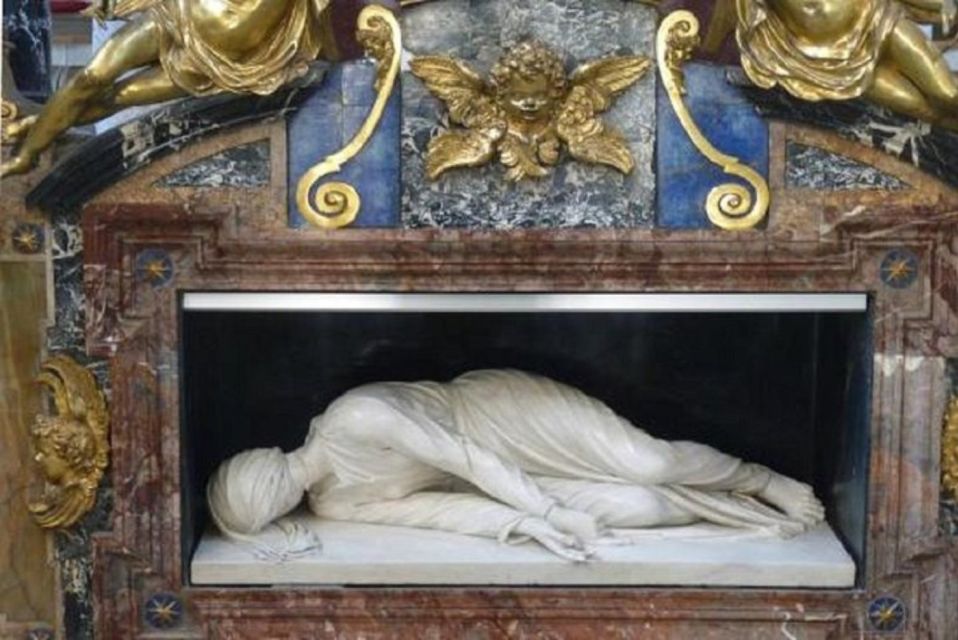
- Medieval Synagogue entrance included, so you see more than street frontage
- Tiber Island and Ponte Fabricio for classic Roman views on foot
- Portico d’Ottavia with a Templar area stop, plus photo-friendly angles
- S. Maria in Trastevere at the perfect finale spot
- Turtle’s mountain stop that adds a quirky, memorable Rome moment
Rome’s Jewish Ghetto and Trastevere: why this walk works
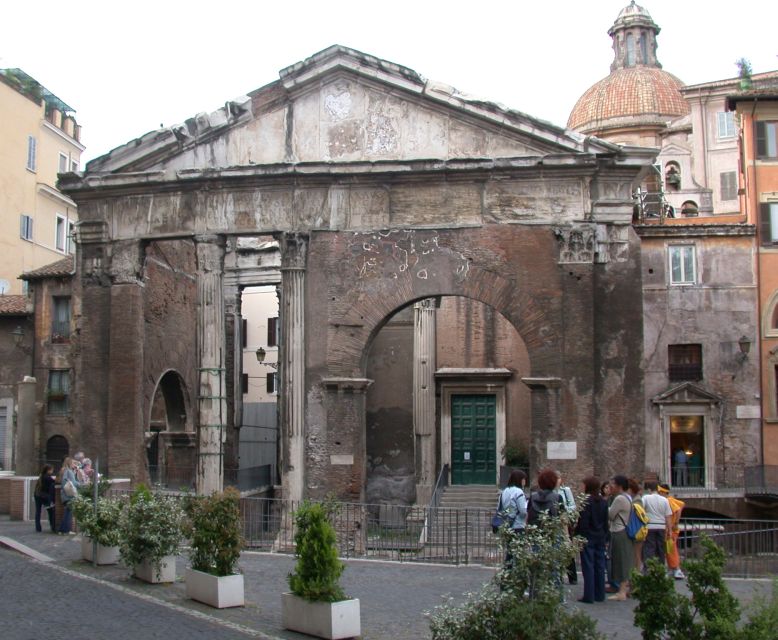
A lot of Rome tours try to hit everything. This one focuses on a smarter slice: the old Jewish Ghetto side of town and then Trastevere, where the city still feels like it has its own rhythm.
What I like most is the way the tour builds “Rome the hard way.” You start near the Teatro di Marcello area, then work your way toward Portico d’Ottavia and the Ghetto, and finally finish in Trastevere with Santa Maria in Trastevere. It’s not just geography; it’s a sequence that makes the city’s layers easier to understand as you go.
You’ll also get more than landmark checkboxes. Along the way, the guide shares legends and secrets tied to places like cafés, synagogues, and churches. That matters because these neighborhoods aren’t just backdrops. They’re lived-in history, and the stories are what turn a street corner into a place you’ll remember.
You can also read our reviews of more walking tours in Rome



A quick note on expectations
This is a walking tour, not a museum-heavy day. You should expect short walks between stops, photo pauses, and guided time at key sites. If you’re hoping for a slow, stroller-friendly stroll, this isn’t that.
Meeting point and timing: what “half day” really feels like
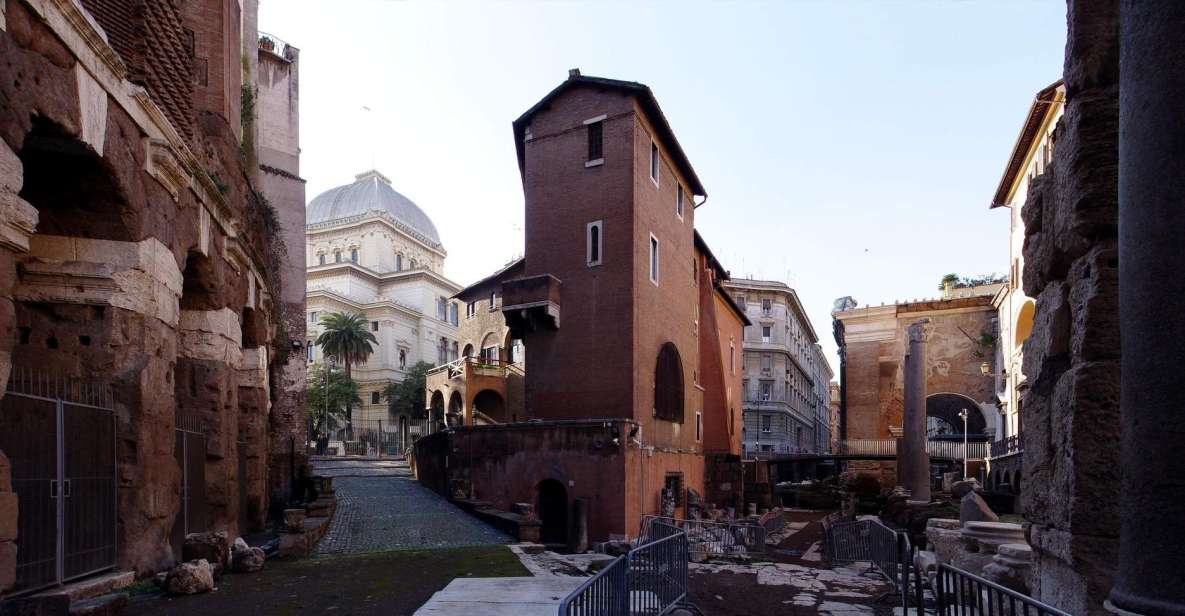
The meeting point is at Antico caffè del teatro di Marcello, where the guide waits out front. You’ll start there and then head into the Ghetto and Trastevere areas on foot.
The tour runs about 3 hours, and it’s designed as a compact loop. That short duration is a big plus if you’re limited on time, but it also means you’ll be on your feet more than you might be on a longer, more break-heavy tour.
You’ll also appreciate the practical add-ons: synagogue entrance is included, and headphones are provided if the group is large (from 9 people). That helps if you’re standing around busy entrances or listening while walking.
Bring the right basics
- Wear comfortable shoes. The route is built for walking and photo stops.
- Plan for rain or shine. Rome weather can shift fast, so pack accordingly.
- Avoid shorts, since they’re not allowed on this tour.
Stop-by-stop: from Teatro di Marcello area into the Ghetto
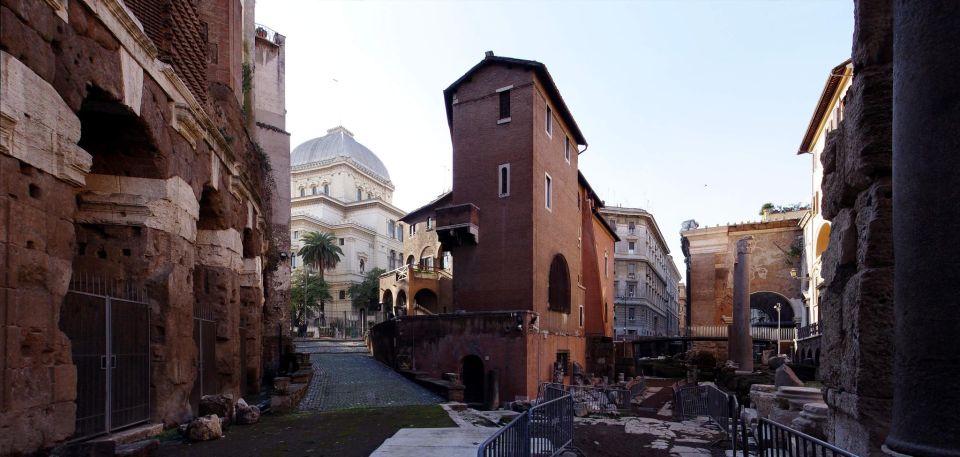
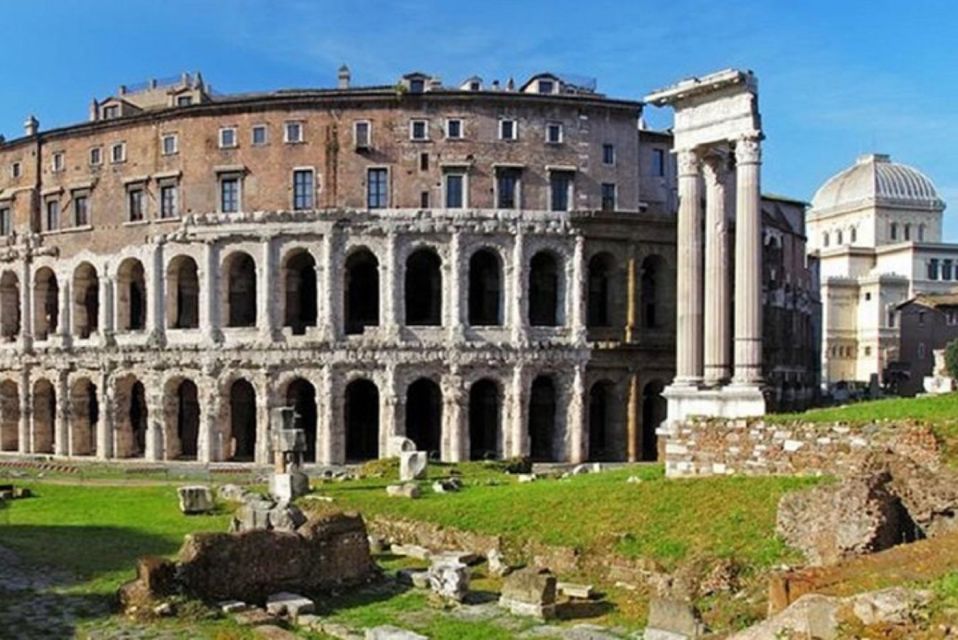
The first stop is a photo stop and guided moment near the Teatro di Marcello area. It’s a useful warm-up because it gives you the baseline look for what ancient Rome can still feel like today—stone, scale, and the sense that you’re moving through older layers.
Then the tour turns into the heart of the experience: the Jewish Ghetto area. You’ll spend about 1.5 hours around this side of Rome, which is enough time to go beyond the obvious views. The guide’s role here is key. They explain how these streets and institutions connect to the story of the neighborhood, with legends and local secrets that give you a “why” behind what you’re seeing.






Portico d’Ottavia and the “Templar area” angle
One of the stand-out thematic stops is the Portico d’Ottavia, including a noted Templar area component. You’re not just passing through arches; you’re learning how the area is used as a reference point in Rome’s wider maze of history.
Even if you’re not a history nerd, this helps you orient yourself. When you know what to notice, you start seeing details: the rhythm of passageways, how spaces pull people in, and why this area has been repeatedly important across centuries.
The Medieval Synagogue: where the tour becomes personal
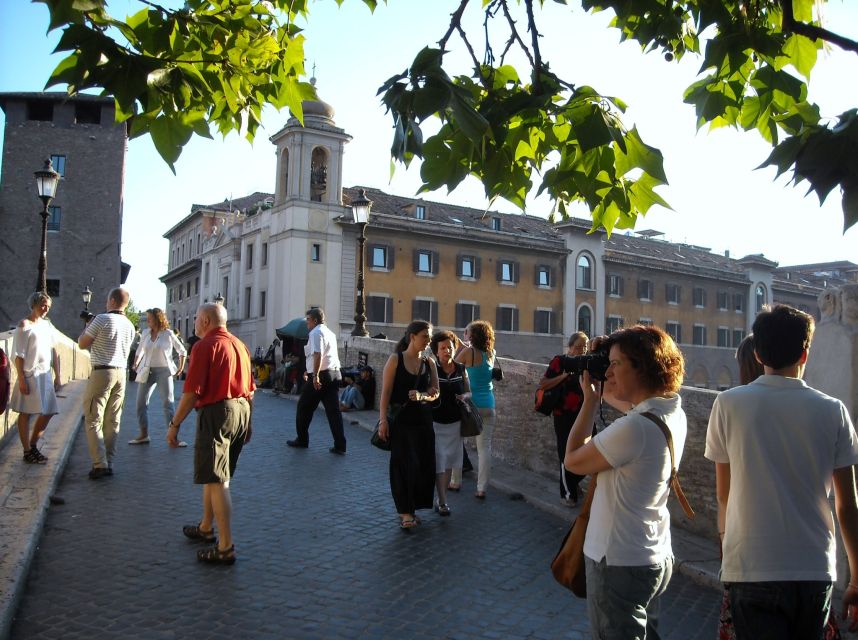
Next up is the Great Synagogue of Rome (often described as the Medieval Synagogue on this kind of route). Since the entrance fee is included, you avoid the awkward stop-and-buy rhythm and instead get a smoother flow into the visit.
This is the point where the tour shifts from “walk and look” to “slow down and understand.” The guide’s explanations matter because a synagogue visit isn’t just about architecture. It’s about context—what the place represents and why it sits where it does in this neighborhood.
The time at the synagogue is also short but focused (about 30 minutes). If you want a long, standalone religious architecture visit, you might later pair this with a separate plan. But as part of a 3-hour route, it’s a strong, well-timed inclusion.
Crossing Tiber Island and seeing Ponte Fabricio up close
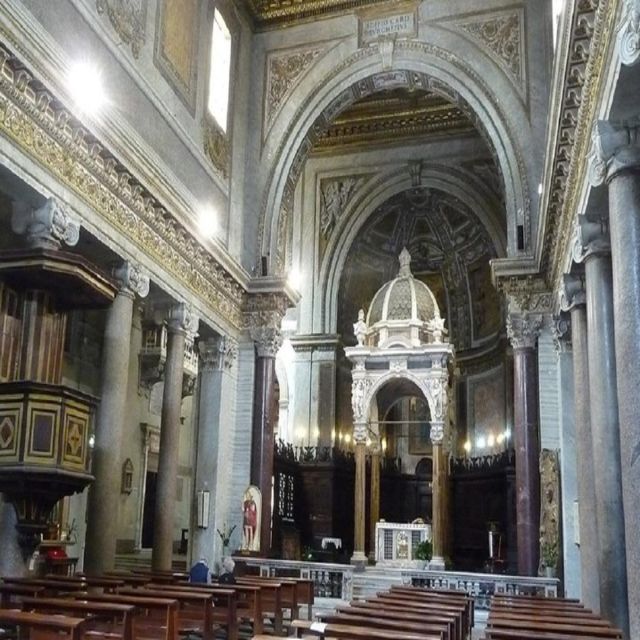
After the synagogue area, you head toward Tiber Island, with another 30-minute block that includes guided time and photo moments. This stop is one of the tour’s smartest moves because it changes your viewpoint.
On foot, Tiber Island feels different than seeing it from a distance. You can look toward the riverbanks and imagine how the city’s edges shaped movement, daily life, and trade. It’s also a great reset after the more enclosed Ghetto streets.
Then you stroll along the route that includes the ancient Ponte Fabricio. This bridge is a classic Rome sight because it’s a straightforward experience: you cross, you pause, you take in the river and the architectural lines. In other words, it’s memorable without needing a lecture.
Trastevere: the side of Rome that feels like it keeps doing its thing
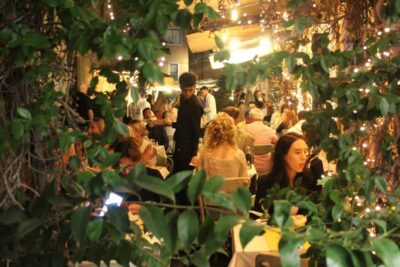
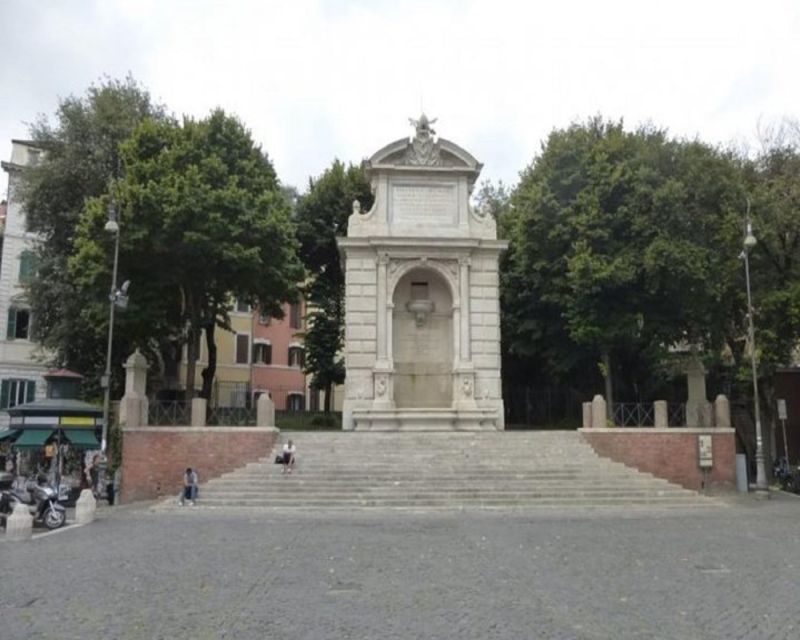
Once the route reaches Trastevere, the vibe shifts. This district is often described as one of the most authentically Roman areas, and this tour leans into that by letting you walk at street level instead of treating Trastevere like a museum corridor.
You’ll move through lanes with a clear sense of everyday life, with the guide connecting what you see to the neighborhood’s rhythm and style. This is where the earlier stories start paying off—you notice the cafés and churches differently because you’ve been given a framework.
The pace and the “feel” in Trastevere
Trastevere can be crowded, and that’s true in any season. The practical advantage of having a guide is that you don’t waste time guessing where to look next. You get the order of sights so you’re not wandering just to fill time.
Also, remember this is still a walking tour. If you get tired easily, plan for breaks in your own rhythm—step aside for photos, let the group move at its pace, and keep water handy.
Finishing at Santa Maria in Trastevere: the finale you’ll remember
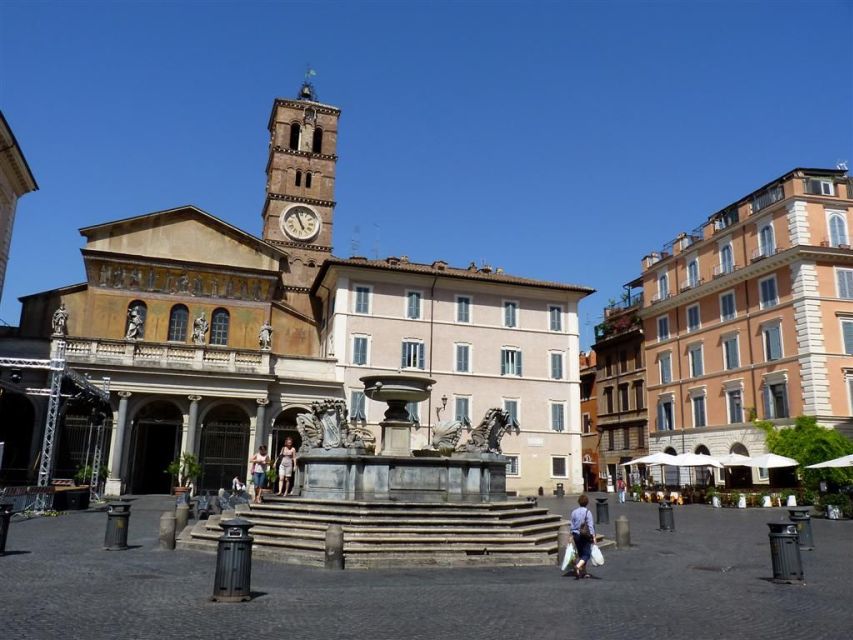
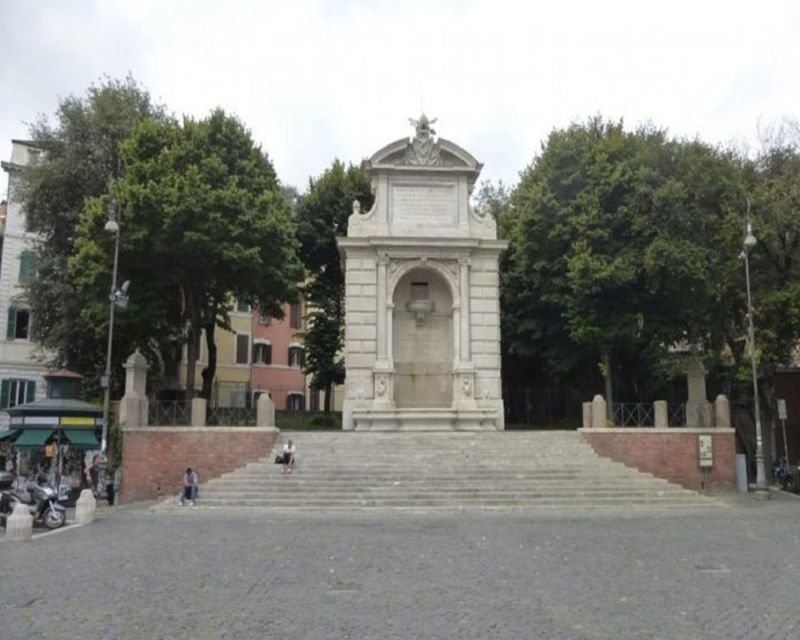
The tour ends at Santa Maria in Trastevere Square, where you’ll admire the church inside and outside. This is an excellent finale because it gives you a clear emotional landing point after the walk through multiple neighborhoods.
Outside, you’ll take in the overall presence of the church. Inside, the focus is on what you’re actually standing in—forms, decoration, and the way the space feels compared with the streets around it. The guide’s storytelling here can help you spot details you’d otherwise miss.
If you’re the type who likes getting to the best part last, this ending is a win. It avoids the common problem of ending too early at a quick photo stop.
Drop-off options near Campo de’ Fiori and Giordano Bruno
The tour lists two drop-off locations: Campo de’ Fiori and Monumento a Giordano Bruno. Depending on how the operator runs your group, these can be convenient if you want to keep going in that direction after the walk.
Price and value: is $167.66 per person worth it?
At $167.66 per person for about 3 hours, the price may feel steep if you compare it to a generic city-walk tour. But the value comes from two specific pieces you don’t always get:
- Synagogue entrance is included, which already saves you time and extra budgeting
- The tour includes professional guidance with story-driven context for multiple distinct areas in one loop
You’re also paying for efficient use of limited time. Three hours is short, so you want an itinerary that doesn’t waste it. This route hits the Ghetto, Tiber Island, and Trastevere with enough time at key stops to feel like you learned something, not just walked past it.
When it’s best value
This is a good fit if:
- you want a guided route that connects neighborhoods rather than repeating the main tourist circuit
- you care about understanding sacred spaces (especially with the synagogue entrance handled)
- you like compact plans that fit into a busy Rome schedule
When it might not be
If you prefer total freedom with no structure, you might find it pricey for the duration. And if walking is difficult for you, this one’s not suited for mobility impairments or wheelchair users.
Who should book this tour?
Book it if you want Rome that feels more local and less checklist-driven. This is especially a fit if you like street history and you enjoy hearing legends and secrets tied to the places themselves.
It’s also a strong option for first-time visitors who already feel overwhelmed by Rome’s size. You get a manageable chunk of the city with major stops—Portico d’Ottavia, the synagogue, Tiber Island, and Santa Maria in Trastevere—without needing to plan the route in advance.
If you’re traveling with mixed interests—one person who loves churches, another who loves neighborhoods, and someone who just wants good photo stops—this tour can satisfy all three.
Should you book the Rome Jewish Ghetto and Trastevere half-day walking tour?
I think it’s worth booking if you want a focused slice of Rome that most visitors miss, and if you’re happy to walk for about 3 hours. The included synagogue entrance and guided time in places with real atmosphere are the strongest reasons to choose it.
I’d skip it if:
- you need wheelchair access or have mobility limitations
- you hate rain timing and can’t handle a rain-or-shine outdoor walk
- you’re looking for a long, unhurried architecture day with lots of individual time inside museums
If you’re on the fence, here’s an easy way to decide: if the idea of combining the Ghetto’s stories with Trastevere’s street-level feel sounds like your kind of Rome, this tour matches it.
FAQ
How long is the Rome Jewish Ghetto and Trastevere walking tour?
The tour lasts about 3 hours.
Where do I meet the guide?
You meet at Antico caffè del teatro di Marcello, where the guide waits in front of the coffee bar.
What is included in the tour price?
It includes a 3-hour professional guide, synagogue entrance fee, and headphones if the group is 9 people or more.
What sights will I visit?
You’ll visit the church of S. Maria in Trastevere, Tiber Island, the Medieval Synagogue (Great Synagogue of Rome), the Templar area of Portico d’Ottavia, and you’ll also see Ponte Fabricio and the turtle’s mountain.
Is it suitable for wheelchair users or people with mobility impairments?
No. The tour is not suitable for people with mobility impairments or wheelchair users.
Does the tour run in bad weather?
Yes. The tour runs rain or shine.