REVIEW · ROME
Rome: Holy Jubilee Papal Basilicas Walking Tour
Book on GetYourGuide →Operated by VivaRoma Experiences · Bookable on GetYourGuide
Four Holy Doors, one Rome walk. I love the chance to step through the Holy Doors while they’re open, and I also like the small group size that keeps things personal and manageable. The main catch is that security checks and church queues can add time, especially during busy periods and around Pope-related events.
This Rome: Holy Jubilee Papal Basilicas Walking Tour follows the Holy Jubilee Trail from the traditional starting point at St. Paul Outside the Walls to the finish at St. Peter’s Basilica in Vatican City. You’ll walk with an English-speaking local expert for about 4 hours, moving between four of Rome’s most important basilicas while you learn what the Holy Doors represent.
For me, the value is that it’s not just a sightseeing loop. You get guidance on the symbolism and locations of the Holy Doors, plus basilica entry included as part of the experience—so you spend your time looking up, listening, and orienting, not trying to piece it all together on your own.
In This Review
- Key points worth your time
- What the Jubilee Holy Doors Actually Mean
- The Four Papal Basilicas Route: St. Paul to St. Peter
- St. Paul Outside the Walls: Where the Holy Trail starts
- St. John Lateran: Rome’s oldest cathedral feel
- St. Mary Major: mosaics, relics, and real-world queue time
- St. Peter’s Basilica: finishing at the spiritual center
- Meeting point, pacing, and how the small group helps
- Dress code and what to bring for basilica entry
- Is it worth $108? How the included access changes the value
- Who should book this Jubilee Papal Basilicas walk
- Should you book this Holy Trail tour?
- FAQ
- How long is the Rome Holy Jubilee Papal Basilicas Walking Tour?
- Where does the tour start and where does it end?
- What is the meeting point for the guide?
- How many people are in the group?
- What does the tour include?
- What is not included?
- Is the tour only available during Jubilee Years?
- What should I wear or bring?
- Are shorts or short skirts allowed?
- Is it suitable for wheelchair users or mobility impairments?
Key points worth your time
- Holy Doors access during Jubilee Years: You’re stepping through a tradition that only opens during the Holy Jubilee timeframe.
- Four Papal Basilicas in one guided walk: St. Paul Outside the Walls, St. John Lateran, St. Mary Major, and St. Peter’s Basilica.
- Local expert context: You get the meaning behind each site and why these places matter on the Jubilee route.
- Small group limit (up to 10): Easier pacing and clearer direction during a crowded city.
- Expect lines and security: Entry involves checks, and queues can take extra time in high season or during major papal moments.
What the Jubilee Holy Doors Actually Mean
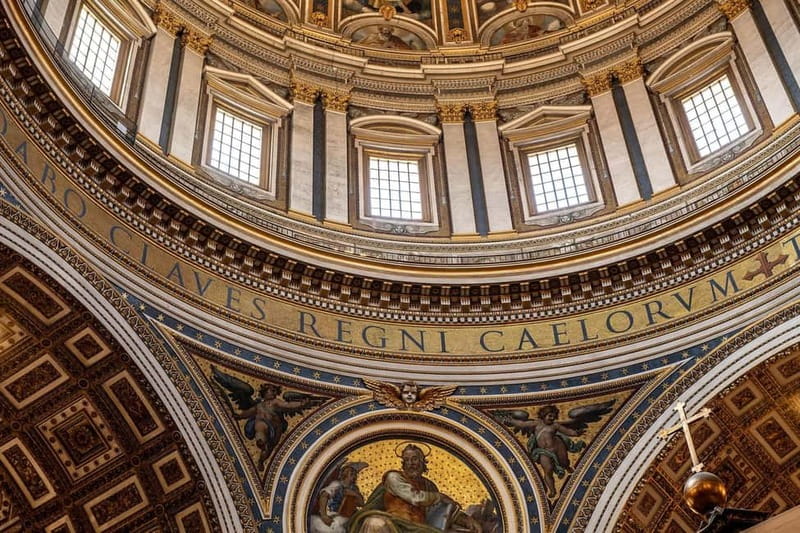
The headline here is simple: Holy Doors are not a year-round thing. They’re opened only during Holy Years (Jubilee Years), which happen once every 50 years. That makes this tour feel different from a normal Rome church day—less “drop in and out,” more “part of the ritual.”
You’ll learn the history and symbolism tied to the Holy Doors and where they appear on the route. Even if you’re not deeply religious, that context helps you read what you see. In Rome, churches can look similar at first glance. The Jubilee framing gives you a lens: why this doorway, why this path, and why these specific basilicas.
The tour also helps you connect the spirituality to the physical geography. You’re not just ticking off famous buildings. You’re walking a planned “Holy Trail,” designed around sacred meaning and the rhythm of the basilicas along the way.
You can also read our reviews of more walking tours in Rome
The Four Papal Basilicas Route: St. Paul to St. Peter
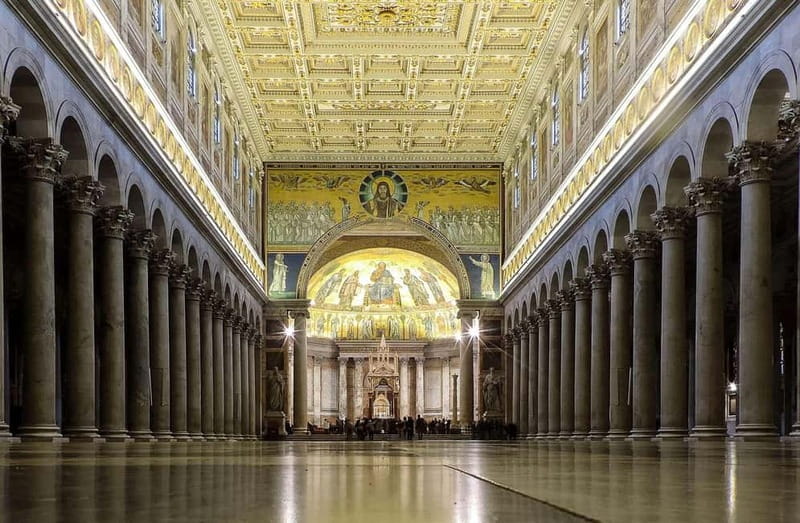
This is a 4-hour walk through four major sites, starting and ending at the same meeting spot. The flow matters, because the tour is built around the Holy Trail, not just geography. You begin with St. Paul Outside the Walls, then move to St. John Lateran, then to St. Mary Major, and finish at St. Peter’s Basilica in Vatican City.
Because you’re in multiple basilicas, you should mentally plan for repeats: security checks, crowd management, and brief periods where you’ll likely need to pause and listen. That isn’t a flaw; it’s the price of doing this the Jubilee way. The included basilica entry and Holy Door access save you from the worst of the confusion.
Also, there’s a practical reality: the timing of openings and crowd behavior can shift. The tour notes that security check and lines may take some time during high season and due to Pope-related passing and burial circumstances at Saint Mary Major. So I’d treat your schedule as flexible and your shoes as non-negotiable.
St. Paul Outside the Walls: Where the Holy Trail starts
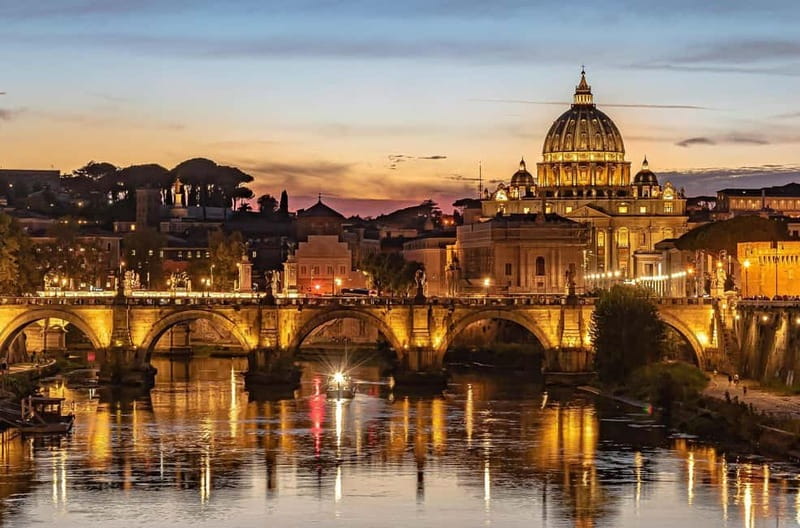
You begin at Basilica of St. Paul Outside the Walls, the traditional starting point of the Holy Jubilee Trail. This matters because it gives the walk a clear beginning, not just a random “first church.” Starting here sets the tone for the route, and the guide’s explanations help you understand how the Jubilee route is organized.
You’ll also get oriented for the rest of the journey: where the Holy Doors come into play, how to recognize them as part of the tradition, and what to listen for as you move between sites. This is one of the best places to start if you want the Jubilee story to unfold like a sequence rather than a blur.
Practical note: you’re walking as part of a small group, so you won’t have the freedom to wander for long stretches on your own. That’s a trade-off. In return, you get smoother transitions and a more focused experience.
St. John Lateran: Rome’s oldest cathedral feel
Next is St. John Lateran, described as the oldest basilica in Rome and the official cathedral of the city. That phrase alone gives you something to look for. This isn’t just a famous stop; it’s a statement about where ecclesiastical authority has been centered over time.
From a visitor’s perspective, this kind of site can feel like it anchors the whole city’s story. You’ll learn about the symbolism tied to the basilica and the Jubilee path, and that makes the architecture and art feel more purposeful. Instead of seeing separate monuments, you start connecting themes across stops.
If you’re the type who likes to understand what you’re standing in front of, this is the leg that pays off. The guide’s role is strongest when it links each place back to the Holy Doors and the route’s meaning.
St. Mary Major: mosaics, relics, and real-world queue time
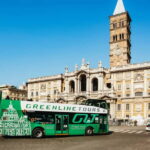
Then comes St. Mary Major, home to sacred relics and stunning mosaics. This is one of those stops where the visual impact and the “why it matters” are both part of the experience. Even if you’re used to Roman churches, mosaics can stop you mid-step—especially when the guide explains how to look for details tied to the site’s importance.
This stop is also where practical planning comes in. The tour includes entry to significant basilicas, but it specifically warns that security checks and lines can take extra time in high season and due to Pope’s passing and burial in Saint Mary Major. So if you’re hoping for a fast photo-and-go visit, this may not be the leg that feels quick.
What I like about how the tour is framed is that it prepares you for the reality. You’re not paying for a rushed experience. You’re paying for Holy Door access and guided context, and you’re acknowledging that the atmosphere can require patience.


St. Peter’s Basilica: finishing at the spiritual center
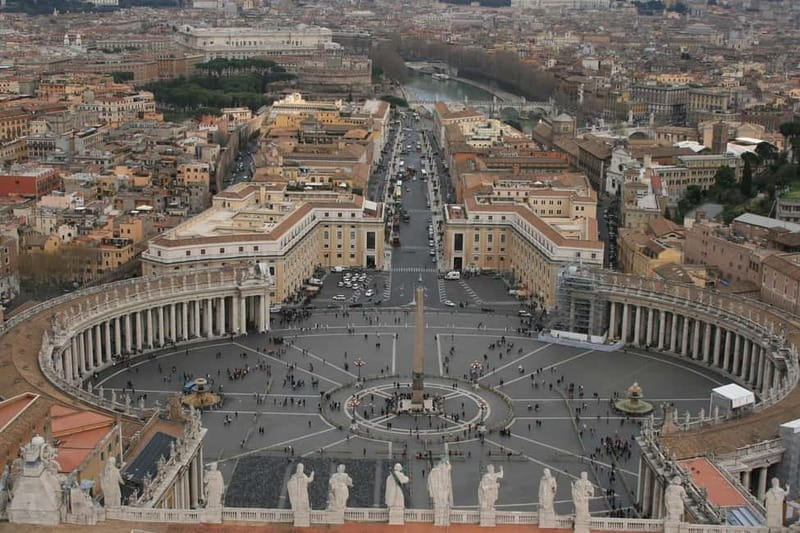
Finally, you reach St. Peter’s Basilica, the spiritual heart of Catholicism and a world-renowned destination. The tour ends here, in Vatican City, which makes the overall route feel like a “walk to the center,” not just a set of errands through churches.
By the time you get here, you’ve already learned the Jubilee idea behind the Holy Doors. That changes your experience. You tend to look beyond the obvious landmarks and pay more attention to the sense of purpose the Jubilee route brings into the space.
One more practical factor: finish time in a major site like St. Peter’s often overlaps with crowd surges. Even with a small group and included entry, you’ll want patience and a steady pace. If you show up with that mindset, the final stop feels earned.
Meeting point, pacing, and how the small group helps
You meet your guide at Via Ostiense, 273, 00145 Roma RM, right outside McDonald’s, where the guide waits with a sign that reads Jubilee Experience. This is helpful because Rome has lots of meeting points that blur together. The “right outside McDonald’s” clue keeps it straightforward.
The group is limited to 10 participants, with an English host. For a walking tour through multiple major basilicas, that size matters. You move as a unit, hear the guide clearly, and avoid the chaos of lots of strangers drifting at different speeds.
The walking is described as moderate, so plan for steady movement over a few hours. Since you’re moving between four sites and dealing with entry time, bring the kind of shoes you’d wear for a long day. Comfortable shoes are not a suggestion on this one—they’re how you stay happy.
Also, the tour ends back at the meeting point. That reduces the risk of ending up stranded or needing last-minute transport planning.
Dress code and what to bring for basilica entry
This tour comes with basilica realities. You must cover shoulders and knees for entry, and shorts and short skirts are not allowed. That’s a big deal in summer Rome when everyone looks like they’re in vacation shorts—but for this experience, you need to plan clothing ahead.
You’ll also want an ID. The tour accepts a passport or ID card, and it notes a copy is accepted. Bring water, and plan on taking a break when the route timing allows.
Bags are another practical item: backpacks are not allowed. You’ll want something small and easy to manage so you can get through checks without a wrestling match.
If you’re carrying sunscreen, a hat, or a light layer, keep it simple and easy to pack. The goal is to travel light enough to handle security and crowds without feeling slowed down.
Is it worth $108? How the included access changes the value
At $108 per person for about 4 hours, the tour isn’t the cheapest way to see Rome’s churches. But the value comes from what’s included, not what you could do on your own.
You get:
- a local expert tour leader
- access through the Holy Doors
- entry to significant basilicas, with security checks and lines handled as part of the schedule
Holy Door access during Jubilee years is the big differentiator. A DIY plan might get you into basilicas, but it won’t give you the same Jubilee pathway framing or the guidance on Holy Doors’ history and locations. Guidance matters because the Jubilee theme is easy to miss if you’re just moving from one landmark to the next.
There’s also a time-value angle. With multiple stops and likely queues, a guided route reduces the mental load. You’re not constantly figuring out where the Holy Door is, how the route flows, or how long each entry might take on that particular day.
What you don’t get is food and drinks, and there’s no hotel pickup/drop-off. So you should budget for your own meal plan before or after, and plan how you’ll reach the Via Ostiense meeting point.
Who should book this Jubilee Papal Basilicas walk
I think this tour fits best if you fall into one of these groups:
- You want the Jubilee theme more than just church photos.
- You like guided context that helps you understand what you’re looking at.
- You prefer a small group and a clear plan over roaming on your own.
It’s also a good match for history lovers and people curious about Catholic traditions like the Holy Doors. The route connects meaning to place, and that helps your day feel coherent.
On the flip side, it’s not suitable for people with mobility impairments and not suitable for wheelchair users. If walking several basilicas with moderate movement and crowd pacing is a challenge for you, you’ll need a different format.
Should you book this Holy Trail tour?
Book it if you want a Jubilee-focused day with Holy Door access, guided explanations, and a route that takes you through Rome’s key Papal Basilicas in a single, organized walk. The $108 price makes sense when you factor in Holy Door entry, basilica entry, and a local expert guiding the meaning of each stop.
Skip it if you’re looking for a low-effort, short walk, or if you can’t manage church dress rules and security checks. Also skip the plan if you’re sensitive to waiting, since queues can stretch during high season and around major papal events at Saint Mary Major.
If your goal is to experience the Jubilee year with a clear path and real context, this is the kind of tour that turns famous buildings into a story you actually understand.
FAQ
How long is the Rome Holy Jubilee Papal Basilicas Walking Tour?
It lasts 4 hours.
Where does the tour start and where does it end?
The tour starts at Via Ostiense, 273, 00145 Roma RM, right outside McDonald’s, and it ends back at the same meeting point.
What is the meeting point for the guide?
Your guide will wait with a sign that reads Jubilee Experience.
How many people are in the group?
The tour is a small group limited to 10 participants.
What does the tour include?
It includes a local expert tour leader, access through the Holy Doors, and entry to significant basilicas (with security check and lines that may take some time).
What is not included?
Hotel pickup and drop-off are not included, and food and drinks are not included.
Is the tour only available during Jubilee Years?
Yes. The Holy Doors are only opened during Holy Years (Jubilee Years).
What should I wear or bring?
Bring comfortable shoes, water, and a passport or ID card (a copy is accepted). You also need shoulders and knees covered for basilica entry.
Are shorts or short skirts allowed?
No. Shorts and short skirts are not allowed.
Is it suitable for wheelchair users or mobility impairments?
No. The tour is not suitable for people with mobility impairments and not suitable for wheelchair users.