REVIEW · ROME
Rome: Luxury Wine Experience with Sommelier
Book on GetYourGuide →Operated by NotBoringTours · Bookable on GetYourGuide
Wine in Rome gets personal fast. This tasting brings certified sommelier guidance to luxury Italian wines, set in a historic area near Campo de’ Fiori and described as taking place inside a room with Pompey’s theater wall. It’s the kind of night where the details about what you’re drinking actually matter.
I also love the way the food isn’t an afterthought. Expect artisan cheeses, fine charcuterie, and seasonal Italian delicacies designed to match the range of pours, from velvety reds to crisp whites and elegant sparkling. One consideration: this experience isn’t suitable if you have food allergies, since the pairings are part of the plan.
In This Review
- Key highlights to know before you go
- Campo de’ Fiori meeting point: how to start without stress
- Inside the Pompey theater-wall setting: why the room changes the taste
- The 2.5-hour flow: what the evening feels like
- Certified sommelier lessons: learning the nuances that stick
- Reds, whites, and sparkling: how the pairing teaches you to taste
- Artisan cheese and fine charcuterie: why this isn’t a snack
- Beyond Tuscany: the winemaking story you can bring home
- Price and value: is $168.79 worth it for 2.5 hours?
- What to bring and what rules to follow in Rome
- Who this luxury tasting fits best
- Should you book this Rome wine experience?
- FAQ
- How long is the wine experience?
- Where do I meet the group?
- What’s included in the price?
- What languages are offered during the tour?
- Is free cancellation available?
- What should I bring?
- Is it suitable for children or for people with allergies?
Key highlights to know before you go
- Sommelier-led tastings that explain the wine you’re tasting, not just the label
- A full range of wine styles: reds, whites, and sparkling in one sitting
- Cheese and charcuterie pairing that helps you taste the differences between bottles
- Historic Rome setting linked to Pompey’s theater wall and the Campo de’ Fiori area
- Experience names you might hear: a guide named Gabriel has been mentioned with a Tiber Island setting in some runs
Campo de’ Fiori meeting point: how to start without stress
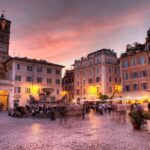
Your tour starts at a restaurant called San Pancrazio on Piazza Biscione. Enter the restaurant and talk to the staff—they’ll point you to the right next step.
This matters more than it sounds. Rome can be a maze of small lanes and overlapping plazas, and showing up at the right door saves time and keeps your evening relaxed from minute one. Bring comfortable shoes because you’ll want to walk a bit once you’re oriented.
Also, plan to arrive a few minutes early. You’re paying for a time-based experience (2.5 hours), and the first tasting moment usually sets the tone for the whole night.
You can also read our reviews of more tours and experiences in Rome
Inside the Pompey theater-wall setting: why the room changes the taste
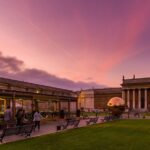
This wine tasting is described as taking place in a historic room with Pompey’s theater wall. That single detail changes the feel of the evening—you’re not just drinking wine in a generic space, you’re in a place with Roman atmosphere baked into the background.
In practical terms, a historic setting like this often encourages a slower pace. Your sommelier can talk without the noise level jumping around, and you can focus on aroma, texture, and how the wine shifts after each bite. It’s also part of what makes the experience feel “Rome” rather than “somewhere that happens to be in Rome.”
One additional detail you should keep in mind: at least some versions of this experience have been described as taking place in a private home setting on the Tiber Island, with river views. So depending on the specific run you book, you might get more of that riverside perspective.
The 2.5-hour flow: what the evening feels like
You’re looking at a 2.5-hour guided wine tasting experience, with a certified sommelier leading the tastings. The overall structure is built around a selection of high-end Italian wines and gourmet food pairings, paced so you can actually taste the differences.
Here’s how to mentally map the evening. Expect a sequence that moves across multiple wine styles—velvety reds, crisp whites, and elegant sparkling—each supported by food (cheese, charcuterie, and seasonal Italian delicacies). That means you’re not only learning “what this wine is,” but also “how it behaves” when paired with salt, fat, and savory flavors.
Because the pairing is part of the instruction, don’t treat bites as filler. Take them as part of the tasting lesson. If you leave hungry or rush the food, you miss the whole point of why the sommelier brought those particular items to your glass.
Certified sommelier lessons: learning the nuances that stick
The headline here is the sommelier: you get expert insights, and the tasting is guided. Even if you’re a casual drinker, you’ll likely appreciate how the sommelier helps you connect what you smell and taste to how the wine is built.
What you should focus on during the tasting is simple: train your senses step-by-step. Start with aroma, then taste the balance (fruit vs. acidity vs. tannins for reds), and finally notice how the flavors change after a cheese or charcuterie bite.
One review detail that’s worth translating into your expectations: a guide named Gabriel has been described as covering wine history and sharing knowledge about wines beyond the usual Tuscany spotlight. If you get that kind of guide, you’ll come away with a broader mental map of Italian winemaking—useful the next time you order wine in a restaurant.
You’ll also likely hear explanations in English, Italian, or Spanish, depending on what’s available for your session. If you’re comfortable asking short follow-up questions, this style of tour usually rewards that curiosity.
Reds, whites, and sparkling: how the pairing teaches you to taste
This experience is explicitly built around variety. You’ll taste a mix of luxury Italian wines, including reds, whites, and sparkling. The sommelier doesn’t just present bottles; the food pairings are designed to highlight differences between those wine types.
Think about what each style asks you to notice:
- Reds often invite attention to texture and structure—things like tannins and how the wine feels after a bite.
- Whites usually emphasize crispness and balance—how acidity can cut through richer foods.
- Sparkling wines are great for noticing fresh aromatics and how bubbles can reset your palate between courses.
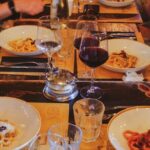
The food you get supports those lessons. Artisan cheeses and fine charcuterie bring salt and fat, which makes it easier to detect sweetness, acidity, and finish length. Even if you’re not a wine expert, the pairing helps you taste like one.
Also, because the cheeses and charcuterie are part of the experience, I’d avoid arriving with a full stomach. A light meal earlier is fine, but you want to taste the wines clearly.
You can also read our reviews of more wine tours in Rome


Artisan cheese and fine charcuterie: why this isn’t a snack
The pairing lineup is built around artisan cheeses and fine charcuterie, plus seasonal Italian delicacies. That’s a meaningful choice, because these foods are classic partners for Italian wine styles. They’re also varied enough to keep the tasting interesting.
Here’s what you can do to get more out of each pairing:
- Take a small bite first, then taste the wine without adding anything else.
- Note whether the food makes the wine feel smoother, drier, or more fruit-forward.
- Repeat with the next bite and listen for the change.
This is also why the “not suitable for people with food allergies” note matters. If you have allergies, you might need a version with confirmed ingredient controls. With this format, the pairing is central, so it’s safer to choose a different type of experience if you can’t reliably manage allergens.
If you’re not allergic, this is one of the best ways to understand Italian wine quickly: the food tells you what to taste, and the sommelier tells you why it works.
Beyond Tuscany: the winemaking story you can bring home
A big part of the value here is the perspective on Italian wine. The experience is described as teaching you about Italy’s viticultural heritage, and one guide story mentions wine knowledge outside the Tuscany area.
That matters because many travelers only learn Italy through a narrow lens. Tuscany is famous, yes, but Italy is a patchwork of regions with different climates, grape traditions, and styles. When the sommelier brings in that broader view, your next wine order in Rome (or back home) becomes more confident.
The practical payoff: you’ll start to recognize how to choose a wine based on what you like—whether that’s the feel of a red, the crispness of a white, or the festive lift of sparkling. Even if you forget the exact names, you’ll remember what you enjoyed and why.
Price and value: is $168.79 worth it for 2.5 hours?
At $168.79 per person, this is squarely in the luxury-tasting category. So the value question isn’t whether it’s cheap—it’s whether what you’re buying adds up.
You’re getting:
- A guided wine tasting experience
- A selection of high-end Italian wines
- Gourmet food pairings (cheese, charcuterie, seasonal delicacies)
- Expert insights from a certified sommelier
- A 2.5-hour time block in a historic Rome setting
When all those pieces come together, $168.79 starts to make sense for travelers who want guidance and quality in the same sitting. Self-guided wine drinking can be less expensive, but you usually give up the pairing logic and the explanations that help you understand what you’re tasting.
My advice: if you enjoy food-and-wine pairing nights and want structured instruction, this price is likely fair. If you’re mainly trying to sample a couple of cheap glasses, a paid tasting like this probably won’t feel like a bargain.
What to bring and what rules to follow in Rome
This is one of those tours where the small “Roman practicality” details help. Bring:
- Comfortable shoes
- A camera
And note what’s not allowed:
- No sandals or flip flops
- No pets
- No sleeveless shirts
That clothing note isn’t about being fussy—it’s about keeping things comfortable in a setting where you’ll be walking and standing at least a bit. Shoes matter more than you think when you’re trying to enjoy a 2.5-hour plan without feet pain taking over.
Also, if you’re choosing what to wear, think about temperature changes and how long you’ll be on your feet. A simple, comfortable outfit usually works best.
Who this luxury tasting fits best
This experience is best for adults who want a guided, food-supported wine education in the heart of Rome. It’s not suitable for children under 18 years, and it’s also not suitable for pregnant women.
It’s also not suitable for people with food allergies, which can be a dealbreaker if you need ingredient certainty. If that’s your situation, you’ll want a different format where dietary needs can be handled with confirmed substitutions.
If you’re a wine connoisseur, you’ll appreciate the sommelier-led nuance and the higher-end bottles. If you’re a beginner, you’ll likely like the structure—reds, whites, and sparkling with pairings that make the tasting easier to understand. Either way, the certified guidance is the core benefit.
Should you book this Rome wine experience?
Book it if you want a guided luxury tasting with real pairing logic, a certified sommelier, and a memorable historic setting near Campo de’ Fiori. It’s especially worth it if you like learning in the moment—tasting, then getting the explanation before the night moves on.
Skip (or choose a different option) if you have food allergies, if sleeveless/flip-flop footwear and strict rules are a hassle for you, or if you prefer to wander at your own pace instead of sticking to a timed plan.
One smart way to decide: ask yourself what you want from the wine. If you want tasting plus education plus food, this one fits well.
FAQ
How long is the wine experience?
It lasts about 2.5 hours.
Where do I meet the group?
Meet at the restaurant San Pancrazio on Piazza Biscione. Enter the restaurant and ask the staff for directions.
What’s included in the price?
The price includes a guided wine tasting, a selection of high-end Italian wines, gourmet food pairings, and expert insights from a certified sommelier.
What languages are offered during the tour?
The instructor provides the experience in English, Italian, and Spanish.
Is free cancellation available?
Yes. You can cancel up to 24 hours in advance for a full refund.
What should I bring?
Bring comfortable shoes and a camera.
Is it suitable for children or for people with allergies?
No. It’s not suitable for children under 18 years, for pregnant women, or for people with food allergies.