REVIEW · ROME
Rome: MIAC Italian Museum of Moving Images Entry Ticket
Book on GetYourGuide →Operated by GetYourGuide Tours & Tickets GmbH · Bookable on GetYourGuide
Italian cinema has a real address. At Cinecittà Studios, the Museo Italiano del Cinema (MIAC) turns Rome’s movie mythology into walk-through exhibits. You get classic film clips and historical artifacts that explain why Italian filmmaking became a world brand, not just a local hobby.
What I like most is how the museum links old-world movie glamour to the nuts-and-bolts of making movies. I especially enjoyed the mix of historical props, costumes, and sets connected to films made at Cinecittà, because it makes the story feel concrete instead of abstract.
My one caution: the idea and flow can feel a bit hard to decode on your first pass, especially if you’ve just come from another Cinecittà museum and you’re relying on Italian-language explanations. If you want it to click fast, plan for an unrushed visit.
In This Review
- Key things to know before you go
- Where MIAC fits into Cinecittà Studios in Rome
- Tickets and the real value of the $15 entry
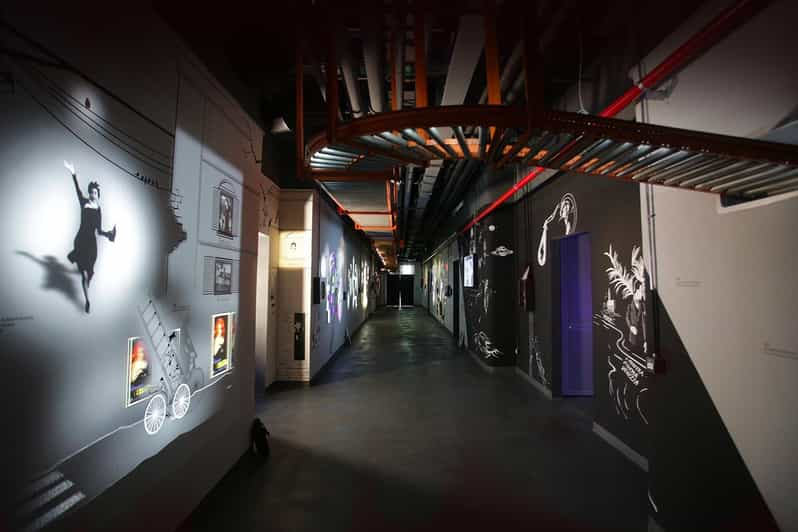
- What you’ll see: clips, costumes, artifacts, and studio sets
- Interactive installations: where it gets practical (not just visual)
- The evolution of filmmaking technology you can actually spot
- How long to plan for and how to pace your day
- Italian-language explanations and understanding the concept
- Who MIAC is best for (and who should think twice)
- Practical tips that keep you from feeling lost
- Should you book MIAC at Cinecittà Studios?
- FAQ
- FAQ
- How much is the Rome MIAC Italian Museum of Moving Images ticket?
- How long is the entry valid?
- What’s included with the entry ticket?
- Are there start times?
- Is the museum wheelchair accessible?
- What language is available for the museum experience?
Key things to know before you go
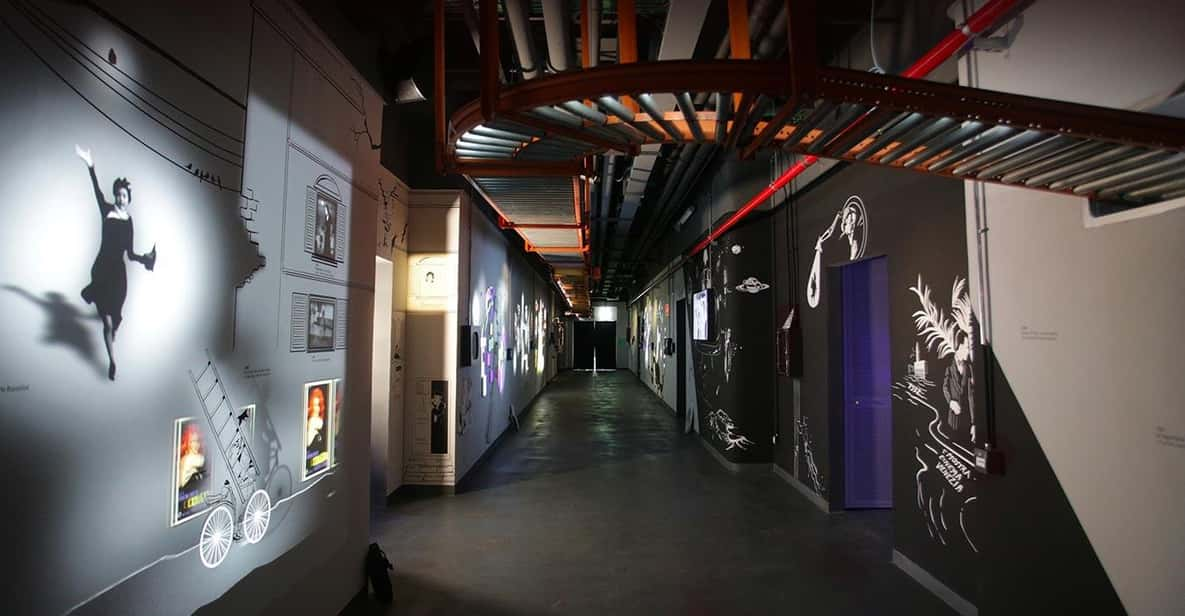
- Cinecittà Studios location: The museum sits inside the Hollywood-on-the-Tiber setting.
- Classic clips + artifacts: Expect film excerpts paired with tangible historical items like costumes and sets.
- Technology timeline: You can trace how filmmaking tools and methods evolved over time.
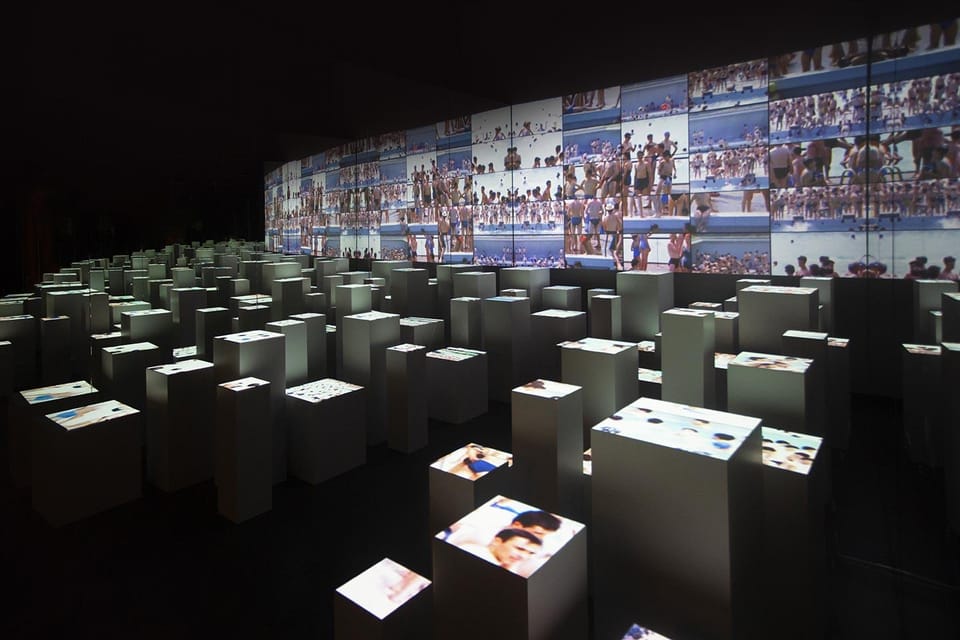
- Interactive installations: Hands-on displays are part of the ticket, not just background scenery.
- 1-day entry: Your ticket is valid for one day (start times depend on availability).
Where MIAC fits into Cinecittà Studios in Rome
MIAC is inside Cinecittà Studios, the big-name film campus in Rome. It’s the “Hollywood on the Tiber” concept in physical form: a place built for moving images, with enough history attached to it that you’ll feel surrounded by movie-making culture even before you step into the galleries.
That matters for your planning. This isn’t a standalone “movie museum somewhere downtown.” It’s tied to the studio world—so your visit will work best if you treat it like part of a studio day. If you’re already doing a Cinecittà stop on your itinerary, MIAC can be a natural follow-up that focuses more directly on Italian cinema history and the craft behind it.
And if you’re not planning anything else there? That’s fine too. MIAC gives you a focused, ticketed way to experience Italian moving-image history without having to guess what to do on arrival.
You can also read our reviews of more tours and experiences in Rome


Tickets and the real value of the $15 entry
The entry ticket costs $15 per person and is valid for 1 day. In practice, that price is the most reasonable when you factor in what’s included: admission to the Museo Italiano del Cinema plus access to interactive installations.
So here’s the value check I’d use:
- If you like film history and you’ll actually spend time on displays (not just “glance and go”), the $15 feels fair.
- If you mostly want the studio experience as a quick stop, you might find you’re paying for an exhibit experience rather than a broad “see everything” tour.
Also note the wording around timing: entry is valid for one day, but you’ll want to check availability for the starting times. That helps you avoid the classic Rome problem—show up when it’s convenient for you and then wait longer than planned.
What you’ll see: clips, costumes, artifacts, and studio sets
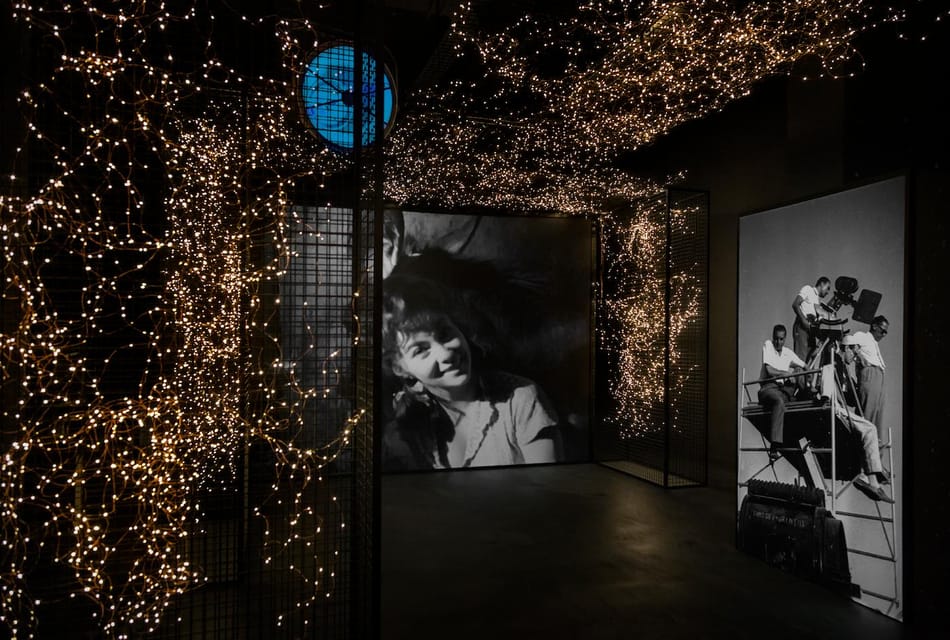
MIAC’s core appeal is that it mixes screen history with physical objects. You’re not only shown classic Italian film clips; you’re also shown the surrounding evidence—historical artifacts, including costumes and sets tied to films produced at Cinecittà.
That pairing does two useful things for your visit:
- It helps you connect what you see on screen to what it takes to build a scene.
- It reduces the “museum blur” effect, where everything feels like it’s about “cinema” in general.
In plain terms: you’ll likely enjoy MIAC more if you can stand looking at a costume, a set element, or a prop and ask yourself how it was used in a story. The museum is built around that kind of attention.
One more practical thought: since the museum focuses on Italian moving images and Cinecittà productions, it can feel more meaningful if you’re curious about how Italy built its film identity over time. If you’re coming only for general Rome sightseeing, you may need to lean in a little to get the payoff.
Interactive installations: where it gets practical (not just visual)
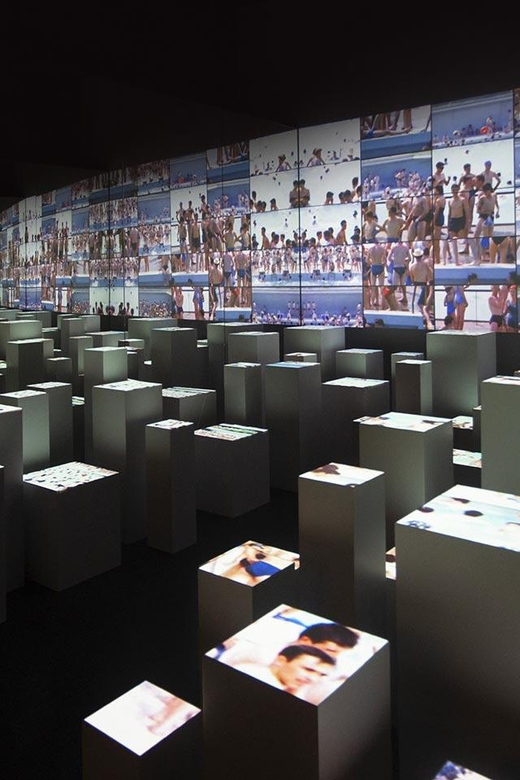
A big part of the ticket is access to interactive installations. That’s important because it signals the museum isn’t just a slideshow of film posters and short clips. Instead, you’ll get elements that ask you to do something—press, compare, follow, or respond to the way movies are made and presented.
What this means for you as a visitor:
- You’ll probably stay engaged longer than in a traditional gallery.
- You can learn in a more hands-on way, especially if you like figuring things out with your own questions.
These installations also fit the museum’s bigger goal: showing how Italian cinema became what it is by mixing artistry with technology and production choices.
If you tend to get restless in museums, interactive components help. If you love film craft, they help even more—because you’re not only watching history; you’re also experiencing how the museum explains it.
The evolution of filmmaking technology you can actually spot
One of MIAC’s strongest themes is the evolution of filmmaking technology. The museum isn’t just saying “movies got better.” It’s showing that filmmaking is a chain of tools, processes, and decisions—each one shaping what ends up on the screen.
Even without a technical background, you can get value here if you approach it like this:
- Treat each exhibit like a before-and-after moment.
- Notice how changes in tools can change what a filmmaker can accomplish.
This kind of exhibit is especially rewarding if you watch films closely and you’re the type who wonders why a scene looks a certain way. The museum gives you a framework to connect visual style with the production world behind it.
You can also read our reviews of more museum experiences in Rome




How long to plan for and how to pace your day
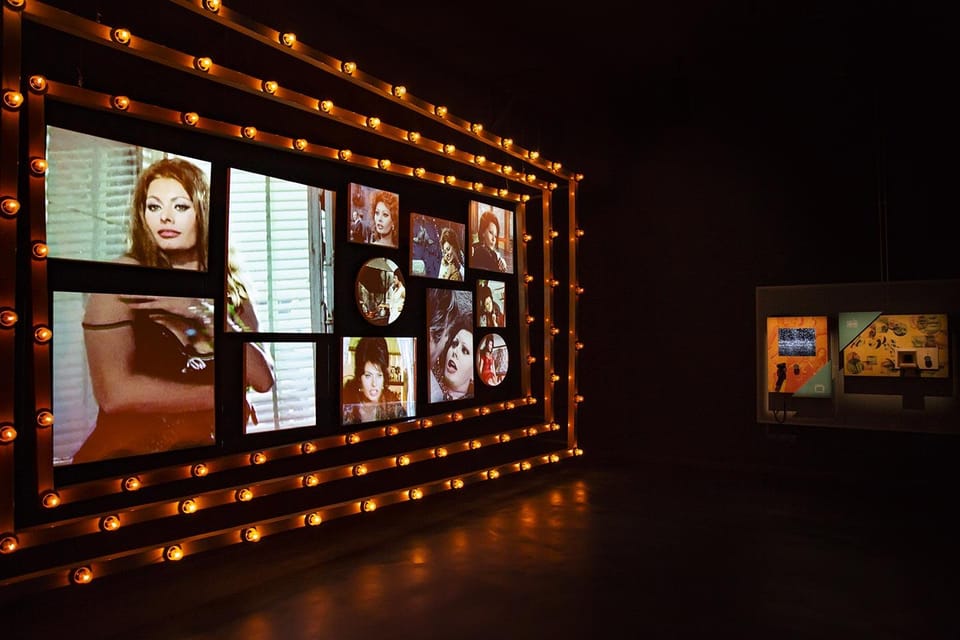
You only have to plan for one day, but “one day” doesn’t automatically mean “one quick hour.” MIAC’s format—clips, artifacts, interactive installations, and technology exhibits—takes time if you want the museum to make sense.
A smart pacing approach:
- First pass: focus on the big story lines and the layout.
- Second pass: return to the areas you liked most (often the interactive parts and the artifact-heavy zones).
Also, because your entry relates to starting times based on availability, you’ll want to reserve yourself enough flexibility. In Rome, small delays snowball. If your time is tight, pick a start time that gives you a buffer for the museum to work at your pace.
Italian-language explanations and understanding the concept
Here’s the only challenge I’d flag: Italian is the listed language, and the host or greeter is Italian. That doesn’t mean you can’t enjoy MIAC—but it does mean your comprehension may depend more on your willingness to slow down and read, or to use a translation tool if you need one.
This is especially relevant if you’re visiting back-to-back with other Cinecittà museum stops. If you’ve just come from another exhibition and you feel like everything is blending together, MIAC may take a moment to “click.” The concept is film-focused and technology-aware, so it can feel less intuitive than a museum built only around famous landmarks.
My practical suggestion: if you’re the type who needs a clear orientation fast, come with one goal. For example:
- Do you want to understand how films were made at Cinecittà?
- Or do you want to focus on tech changes and how they affect visuals?
That single goal keeps the museum from becoming random information in your head.
Who MIAC is best for (and who should think twice)
MIAC is a great fit if you:
- Like cinema history and want a museum tied to a real studio campus.
- Enjoy seeing the connection between screen scenes and physical artifacts.
- Want more than passive viewing thanks to interactive installations.
- Appreciate learning how filmmaking technology evolves over time.
You might be less satisfied if you:
- Prefer purely scenic studio visits with minimal reading or explanation.
- Want a quick stop with little structure.
- Need everything explained in a language other than Italian and you’re not comfortable using translation help.
Practical tips that keep you from feeling lost
These are small moves that can make a big difference at MIAC.
- Plan for the start time: Since starting times depend on availability, match your visit window to what’s offered that day.
- Use a simple translation strategy: Because the language is Italian, have your phone translation app ready if you’re not comfortable reading Italian.
- Don’t rush the interactive areas: Interactive installations are included for a reason. If you treat them like an afterthought, you’ll miss the part that makes the museum feel more alive.
And if you’re doing other Cinecittà-related stops the same day: give yourself a little mental reset. Two studio museums back-to-back can blur together fast, especially when explanations are in Italian.
Should you book MIAC at Cinecittà Studios?
I’d book MIAC if you want a film-history-focused visit inside Cinecittà Studios, with real studio artifacts and hands-on elements included in the ticket. The $15 price makes the museum feel approachable, and the mix of classic clips, historical objects, and technology evolution is a strong combination if you enjoy how movies are made.
Skip it (or reconsider your expectations) if you’re looking for a simple “see some sets and move on” experience. MIAC is designed to be educational and explanatory, and the language factor can slow you down if you’re not ready for Italian-language content.
If you’re a movie person, this is one of the more direct ways to understand why Cinecittà matters—without needing to be a professional film historian first.
FAQ
FAQ
How much is the Rome MIAC Italian Museum of Moving Images ticket?
The ticket is priced at $15 per person.
How long is the entry valid?
Your ticket is valid for 1 day.
What’s included with the entry ticket?
The ticket includes entry to the Museo Italiano del Cinema and access to interactive installations.
Are there start times?
Yes. Starting times depend on availability, so you should check what’s offered for the day you plan to go.
Is the museum wheelchair accessible?
Yes, the experience is wheelchair accessible.
What language is available for the museum experience?
The listed language is Italian.