REVIEW · ROME
Private Extended Colosseum & Roman Forum With SUPER Sites Tour
Book on Viator →Operated by LivTours · Bookable on Viator
Rome’s ruins come with a secret map. This private, English tour links the Colosseum to SUPER restricted-access areas of the Forum and Palatine Hill, plus stops most people skip. You’re not just ticking off monuments; you’re getting context for how elite life, politics, and spectacle all fit together in one walk.
I like two things a lot: the private guide time (you can actually ask questions and get clear answers), and the chance to see the Forum and Palatine Hill places that most visits can’t access. One consideration: arena floor access isn’t included, so if that’s your top goal, you may need a different ticket.
In This Review
- Key highlights to know
- SUPER Sites in the Roman Forum: what makes it worth your money
- Colosseum priority entrance and the underground spectacle
- Palatine Hill Imperial palaces without the confusion
- Domus Tiberiana exhibition rooms: elite life made tangible
- Santa Maria Antiqua: a 6th-century church inside the Rome story
- Roman Forum: everyday life, temples, politics, and the Valley of the Gods
- The guide experience: why warm, detail-focused leadership changes everything
- Timing and pacing: can you see this in 4 hours without feeling rushed
- Cost and value: is $391.56 a good deal for this specific mix?
- Practical tips that prevent the common Colosseum headaches
- Who should book this tour?
- Should you book the Private Extended Colosseum & Roman Forum SUPER Sites Tour?
- FAQ
- What’s the duration of the tour?
- Is the tour private?
- What language is the tour offered in?
- Where do I meet and where does it end?
- Do I need photo ID for the Colosseum?
- Is the arena floor included?
- Which sites may be closed on certain days?
- What’s the cancellation policy?
Key highlights to know
- SUPER restricted-access Forum and Palatine Hill areas that most tickets don’t cover
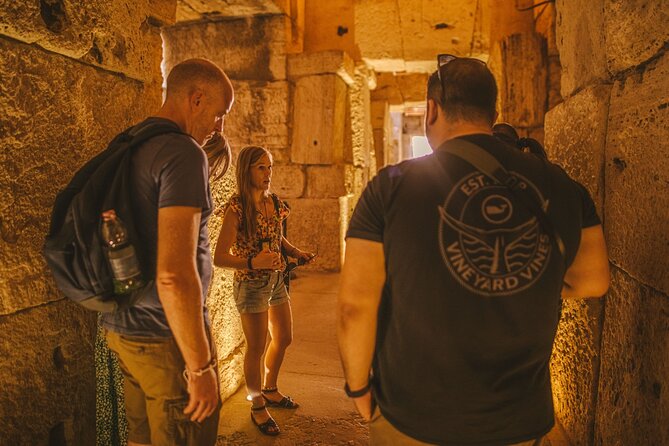
- Priority entrance to the Colosseum, with the underground story included (not just the view)
- Domus Tiberiana exhibition rooms, including a newly opened stop
- Santa Maria Antiqua, a 6th-century church with frescoes tied to early Christian culture
- A guide who handles details and pacing well (including shade-aware leadership from guides like Gaia)
SUPER Sites in the Roman Forum: what makes it worth your money
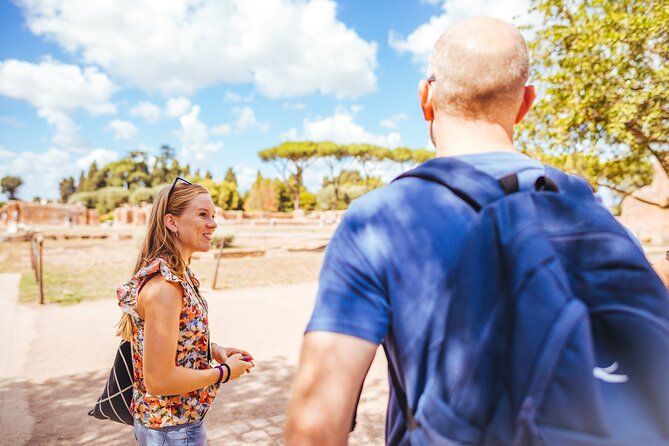
The Roman Forum is big, busy, and easy to misunderstand. This tour’s main selling point is the SUPER sites component—exclusive, restricted-access spots of the Forum and Palatine Hill. Translation: you’re more likely to walk away with a clearer sense of how the area worked and why certain buildings mattered.
A standard Forum visit can feel like columns and names. Here, the goal is to connect the dots: imperial presence on the Palatine, daily life in the Forum, and the political theater that happened in the same stone. That’s why the restricted areas feel more valuable than simply having more ruins on your checklist.
If you care about the difference between propaganda, religion, and government (and you probably do, once you’re standing there), this format makes it easier. You’ll still see the famous spaces, but you’ll also get more of the “how did this place function?” explanations.
You can also read our reviews of more private tours in Rome

Colosseum priority entrance and the underground spectacle
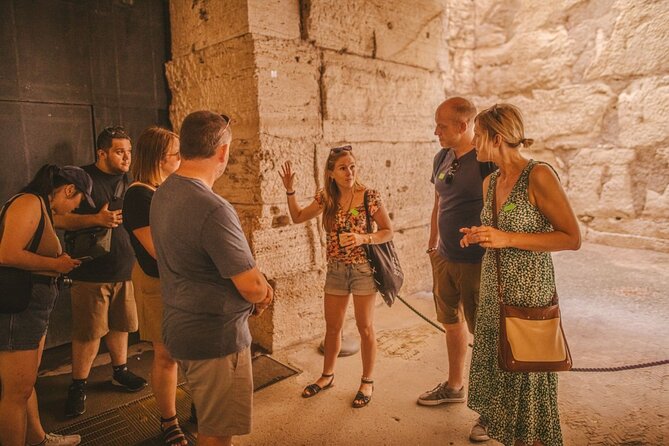
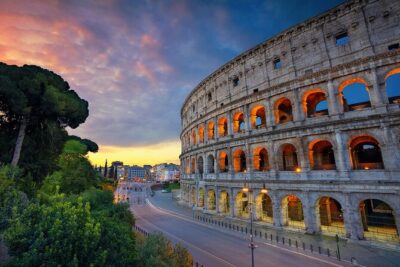
You meet at Piazza del Colosseo and go straight in with priority entrance. That matters because time in the Colosseum isn’t just about comfort—it’s about momentum. Fewer delays means more of your 4-hour window goes to actual viewing and guidance.
In the Colosseum, you’re shown the tiered seating scale—this is where up to about 80,000 spectators could pack in. But the better part is the story the guide frames around the space: where gladiators stood, how the arena ran as a machine, and the eerie reality under your feet.
A key detail here is the underground network of passages and elevators, described as the waiting area for beasts and gladiators before they made their grand entrance. Even if you’re not going down to every possible access area, hearing how that system worked helps the architecture click. It changes the Colosseum from a photo stop into a functioning venue.
Quick heads-up: the arena floor isn’t included. If you’re imagining stepping into the central ring-level experience, plan accordingly. You’ll still get the core Colosseum impact, just not that specific access option.
Palatine Hill Imperial palaces without the confusion
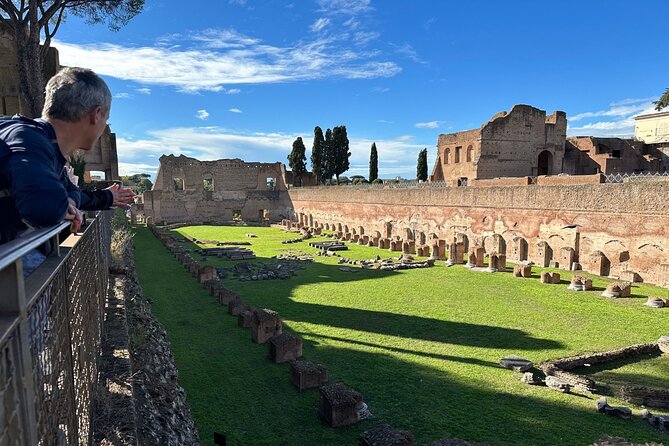
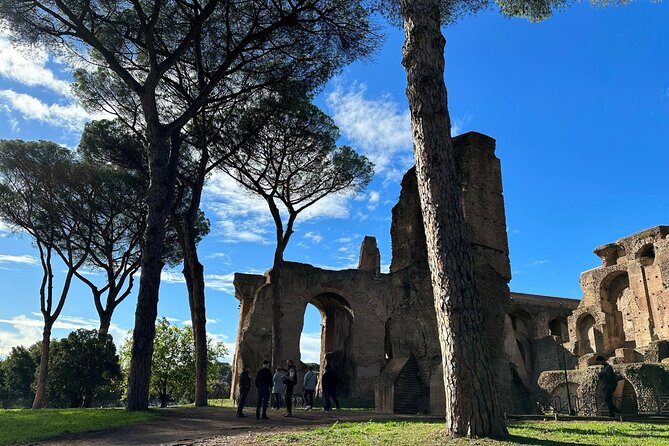
Palatine Hill is where Rome’s rulers liked to be seen—and where they liked to hide. This stop focuses on the opulent imperial palaces and the human reality around them: emperors living surrounded by enslaved people and aristocrats. That mix of power and dependence is what makes the place more than “pretty ruins.”
You’ll also have a short but meaningful time here (about 45 minutes). That’s a good duration for a site like this because Palatine can sprawl in your mind if you let it. A guided framework keeps it grounded: who lived here, why it was prestigious, and how the landscape supported status.
The tour also includes related museum and site elements, including the Palatine Museum and other guided zones on this hill. In practical terms, that means you’re not only looking outward—you’re getting directed attention to the layers that tell the story.
One more practical note: heat can slow your brain down. The tour is designed with pacing in mind, and guides on this style of experience often pay attention to shade and comfort—something Gaia was specifically praised for when leading groups through cooler stretches.
Domus Tiberiana exhibition rooms: elite life made tangible
The Domus Tiberiana stop is around 30 minutes and centers on newly opened exhibition rooms. That’s a big deal because many ruins you see in Rome are partial—walls without the “daily feel.” Here, the emphasis is on the luxurious lifestyle of Rome’s elites, which helps you imagine how status was performed through space.
The key value for you is clarity. When you walk into a room that’s presented as part of an exhibition, the guide can point out what you’re seeing and why it reflects elite living. Without that, the same stones can feel like random fragments.
This stop also breaks up the experience nicely. You move from the grand spectacle of the Colosseum to the everyday mechanics of power in the Forum, then land in domestic grandeur on the Palatine side. That rhythm keeps the story from blurring.
Santa Maria Antiqua: a 6th-century church inside the Rome story
At about 30 minutes, Chiesa di Santa Maria Antiqua adds a different kind of time travel. Instead of Roman imperial power, you shift to early Christian culture through a 6th-century church with frescoes.
This is one of those stops that can surprise you—in a good way—because it shows how Rome’s sacred meaning evolved rather than simply crumbled and ended. The frescoes are described as offering a glimpse into early Christian life, so you’re not only looking at architecture; you’re seeing how people communicated their beliefs visually.
What I like about including a church like this on a Forum/Colosseum tour is that it gives your brain a broader timeline. Rome doesn’t stop at gladiators and emperors. The city’s story continues, and this kind of stop helps it feel continuous instead of segmented into “ancient Rome” and “everything else.”






Roman Forum: everyday life, temples, politics, and the Valley of the Gods
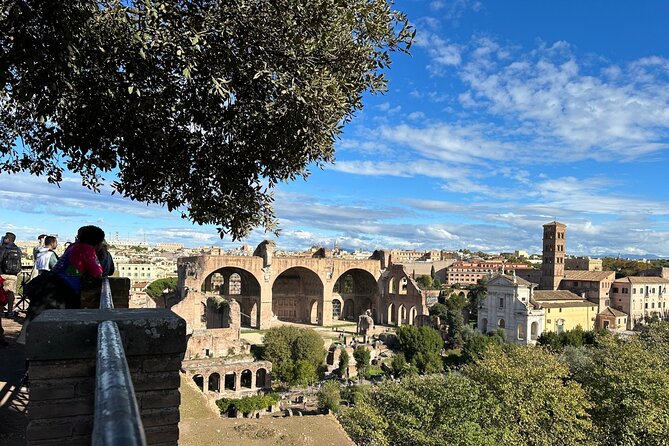
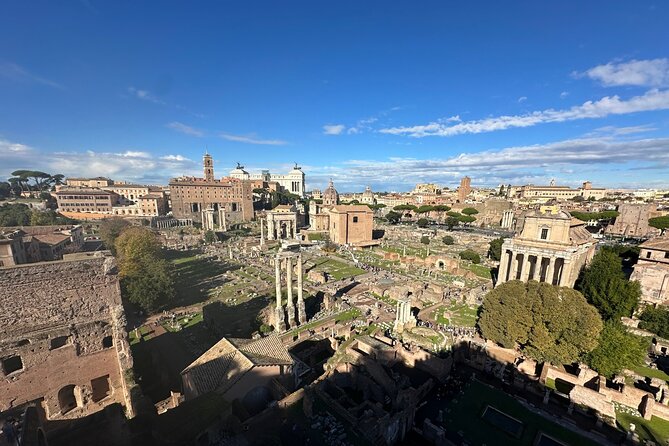
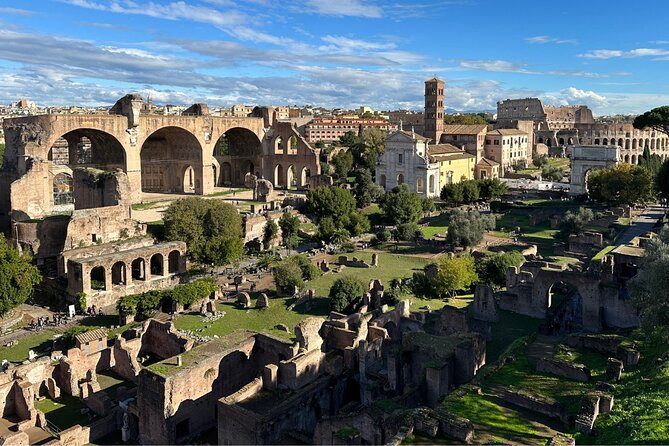
The Roman Forum is where the tour’s final big segment comes together. Expect about an hour here, walking in the footsteps of everyday Romans as the guide ties sites to how people lived, believed, and governed.
You’ll cover the Valley of the Gods area and see ruins including pagan temples, the Vestal Virgins’ mansion, and the Roman Curia. These aren’t just name-and-date stops. With the right guidance, you start to feel the mix of religion and politics as one operating system.
The Vestal Virgins’ connection is especially important because it ties sacred authority to civic legitimacy. And the Roman Curia helps you understand that governance wasn’t a distant concept—it was staged in real spaces with real audiences and real influence.
Also, it helps to have a guide who notices small details. Several guides praised on this style of tour for pointing out fine elements that make a big difference in understanding, including art-history-minded explanations from an art historian and question-friendly teaching from Darius. That kind of guidance is what keeps the Forum from turning into a blur of ruins.
The guide experience: why warm, detail-focused leadership changes everything
This is a private tour, which means the guide can actually match pacing to your questions and your energy. That sounds like a sales line, but on ancient sites it becomes practical fast. You don’t waste time re-explaining basics to a large group.
The guide quality is also strongly reflected in the names and leadership styles you’ll see mentioned for this tour format. People praised Annalisa for being engaging and warm. Barbara was highlighted for enthusiasm and for the “SUPER sites” value. Darius was praised for making the trip fun by connecting facts to what you were standing in front of. And Gaia was specifically noted for thoughtful leadership through heat and shade.
Even if you’re not trying to be an expert, that kind of delivery matters. You get the small connections you’d miss alone, like why a building matters in a political system, or how the same stones play different roles across eras.
If you like asking questions—about daily life, power, art, or religion—this is the setup that supports it. A private format gives you permission to go slower when something clicks.
Timing and pacing: can you see this in 4 hours without feeling rushed
The tour runs about 4 hours, and it’s built around focused segments: roughly 1 hour at the Colosseum, 45 minutes on Palatine Hill, then shorter stops at Domus Tiberiana, Santa Maria Antiqua, and the Roman Forum.
That duration works well if you want a complete storyline rather than a fragmented walk. But you should still plan your mindset. Rome is walking-heavy, and your comfort level depends on shoes and heat.
The tour runs rain or shine, so come ready for weather. Comfortable walking shoes are strongly recommended because you’ll be on uneven surfaces and changing levels. If it’s sunny, bring what you need; if it’s wet, keep your footing and dress for the conditions.
The upside of this schedule is that it doesn’t overstay at one place. You get multiple “aha” moments instead of getting stuck in one site until you feel museum fatigue.
Cost and value: is $391.56 a good deal for this specific mix?
At $391.56 per person, this isn’t a budget option. But value in Rome isn’t only about price—it’s about what you receive for the time you’re spending.
Here’s the practical breakdown from what’s included:
- Colosseum entrance ticket (valued at €24 per person)
- Colosseum reservation fee (valued at €2 per person)
- The rest of the price covers the guide and the additional stops and site services included (Roman Forum, Palatine Hill, Santa Maria Antiqua, Domus Tiberiana exhibition rooms, Palatine Museum, and specific areas like Aula Isiaca and Loggia Mattei)
Because it’s private, you’re paying for an experience designed around your group’s pace, not around fitting more people into the same slot. That’s where the price starts to make sense—especially if you hate waiting in lines or you don’t want to guess what you’re looking at.
There’s also mention of group discounts, which can lower the effective cost if you’re traveling with others. The biggest “value” question for you is this: do you want guidance that turns ruins into understanding? If yes, the price becomes more reasonable fast.
If you just want photos at the highlights with minimal explanation, you’ll probably feel the cost more.
Practical tips that prevent the common Colosseum headaches
Two practical details can make or break your day.
First, the Colosseum requires photo ID for all participants. You’re advised to bring passports on the day of your tour. If you show up without ID, entry can be denied. I’d treat this as non-negotiable.
Second, plan around closures. The House of Augustus is closed on Monday, and the House of Livia is closed on Tuesday. If seeing one of those specific houses is a priority, book for the correct day. If you’re flexible, it’s still fine—you’ll see plenty of other Palatine and Forum context.
Also, the itinerary order can vary slightly due to restoration efforts or the day of the week. That’s normal in Rome. Build your day around the idea of a guided flow, not a perfectly rigid checklist.
Who should book this tour?
This tour is a strong fit if you:
- Want priority entrance and a guided storyline instead of wandering
- Care about the Roman Forum’s role in politics and daily life, not just famous ruins
- Prefer a guide who can explain the “why,” and you enjoy asking questions
- Plan to spend a focused half-day on the ancient core
It also says most travelers can participate, which is helpful if you’re balancing a Rome schedule with other activities. Still, it’s a walking-and-standing tour, so comfortable shoes and a realistic pace matter.
If your travel style is mostly independent and you’re happy with guidebooks, you might not need a private format. But if you want to get meaning fast, this is one of the better ways to do it.
Should you book the Private Extended Colosseum & Roman Forum SUPER Sites Tour?
I’d book it if you want your Colosseum and Forum visit to feel like a connected story. The SUPER restricted-access sites, priority entrance, and the inclusion of Domus Tiberiana and Santa Maria Antiqua make it more than the standard highlights package.
I’d think twice if arena floor access is the one thing you truly want, since it isn’t included here. I’d also be extra sure about your photo ID plan, because that’s a hard requirement for entry.
If you’re aiming for the kind of Rome experience where architecture turns into understanding—fast—this private format is a solid choice.
FAQ
What’s the duration of the tour?
The tour is listed as approximately 4 hours.
Is the tour private?
Yes. It’s a private tour/activity, and only your group will participate.
What language is the tour offered in?
The tour is offered in English.
Where do I meet and where does it end?
You start at Piazza del Colosseo, 23, 00184 Rome, and the experience ends at the Roman Forum area (00186 Rome).
Do I need photo ID for the Colosseum?
Yes. All participants need photo ID, and you’re advised to bring passports. If you don’t show identification, entry may be denied.
Is the arena floor included?
No. The arena floor is not included.
Which sites may be closed on certain days?
The House of Augustus is closed on Monday, and the House of Livia is closed on Tuesday.
What’s the cancellation policy?
You can cancel for a full refund if you cancel up to 24 hours in advance of the experience start time. If you cancel less than 24 hours before, the amount paid isn’t refunded.