REVIEW · ROME
Rome Street Food Tour – History, Craft and Authentic Taste
Book on Viator →Operated by Rosy Smart City Tours · Bookable on Viator
One of Rome’s tastiest shortcuts. This street food tour pairs old neighborhoods with quick history stops, so the city feels legible fast. You start downtown, walk through places most people only glance at, and eat your way toward a very Rome-specific dinner.
What I love most is the mix of traditional bites you don’t always think to seek out. You’ll hit classics like supplì (fried rice balls) and carciofo alla giudia (deep-fried artichokes), plus gelato and a tiramisu finish that actually feels earned after all that walking.
One thing to plan around: if you have gluten or lactose intolerance, not every tasting is guaranteed. You’ll need to flag it at booking, and last-minute changes won’t be considered.
In This Review
- Key things that make this tour worth your time
- Value and the real meaning of $83.13 in Rome
- Meeting at Largo dei Librari: where the pace stays friendly
- Stop 1 at Largo dei Librari: skewers to start, stories to match
- Campo de’ Fiori: market energy and supplì you’ll remember
- Mosaic shop stop: craft time instead of photo time
- Passetto del Biscione: a frescoed shortcut that saves time
- Largo Argentina: Julius Caesar’s murder, told where it happened
- The Jewish Ghetto: outside synagogue views and fried artichokes
- Pantheon area: see it from the right angle, not behind a ticket line
- Sant’ Eustachio gelato: the sweet reset at the right moment
- Piazza Navona finale: tiramisu and the Four Rivers fountain
- Piazza della Minerva: the elephant and the last story
- What you’ll eat (and what to expect about alcohol)
- Who this tour fits best (and who should consider alternatives)
- Should you book this Rome Street Food Tour?
- FAQ
- How long is the Rome Street Food Tour?
- Where does the tour start and end?
- What’s included in the food tastings?
- Is alcohol included?
- What is the group size?
- Can I join if I have a food intolerance or I’m vegetarian?
Key things that make this tour worth your time
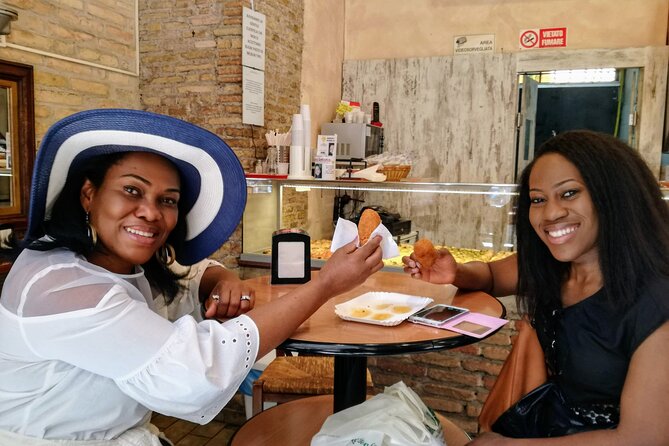
- Meat-and-cheese skewers to start at Largo dei Librari, with a first hit of Roman flavor right away
- Campo de’ Fiori market area plus supplì, a snack Rome does better than most cities
- Mosaic craft stop where you see how tile cutting and steps lead to something you can actually picture
- Passetto del Biscione shortcut with frescoed walls that turn a walk into a mini story
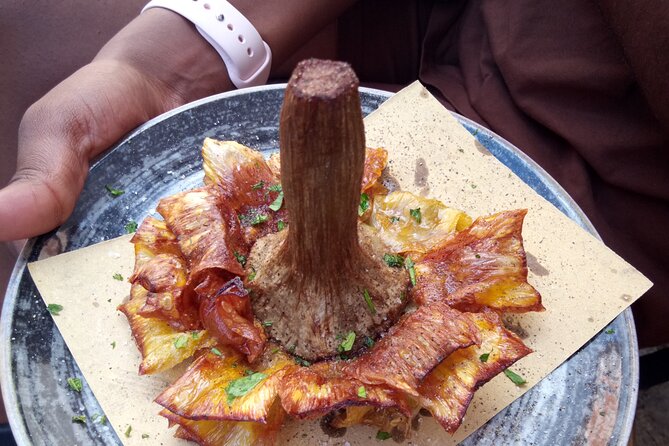
- Jewish Ghetto focus with outside views and the must-try fried artichoke
- Pantheon and Piazza Navona timing that sets you up for gelato and a proper tiramisu finale
Value and the real meaning of $83.13 in Rome
At $83.13 per person for about 3 hours, this isn’t a cheap “snack stroll.” It’s priced like what it is: guided walking, multiple tastings that add up to a full meal, and a small group (maximum 10) so you’re not just herded along.
You’re not only paying for food. You’re paying for someone to connect what you’re eating to where you’re walking—like the Jewish Ghetto route, Largo Argentina, and the Pantheon area stop made for explanations outside the monument. That history-and-street-food combo is the point. If your goal is to do Rome with less guesswork, this format works.
You can also read our reviews of more food & drink experiences in Rome
Meeting at Largo dei Librari: where the pace stays friendly
You meet at Largo dei Librari (Via dei Giubbonari, 90) and end at Piazza Navona. That’s a nice setup because it keeps your route moving in one direction through central Rome, rather than bouncing around.
The tour runs in English and uses a mobile ticket. It’s offered year-round and goes in sun or rain unless weather is extreme. In other words: pack for walking. Rome can be rainy, and you’ll still be out there.
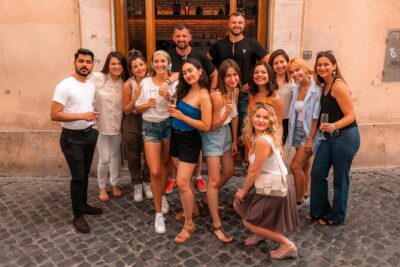
The group cap at 10 matters more than you might think. With a smaller group, you get time to hear details, ask quick questions, and actually keep up when streets narrow. This is one of the reasons so many people rate it a 5 out of 5.
Stop 1 at Largo dei Librari: skewers to start, stories to match
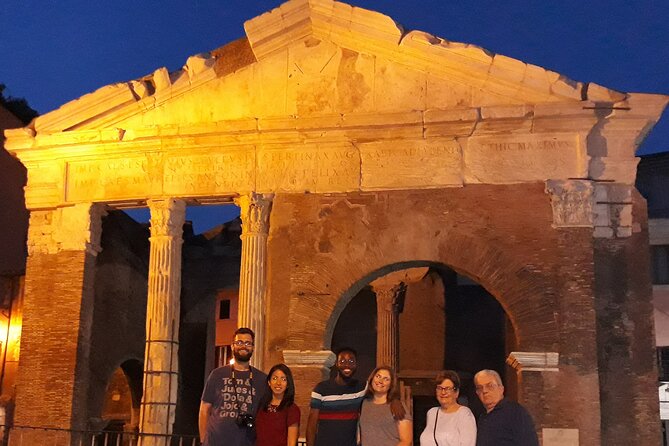
You begin with immediate tastings—meat and cheese skewers plus a first drink moment early in the walk. Even when alcohol isn’t included for everyone, the idea is the same: you get fed before you’re far from the meeting point.
This first stop is useful because it sets your taste expectations and wakes up your appetite early. After that, the guide starts framing what you’ll see next—Rome’s neighborhoods as lived-in places, not museum rooms.
Campo de’ Fiori: market energy and supplì you’ll remember
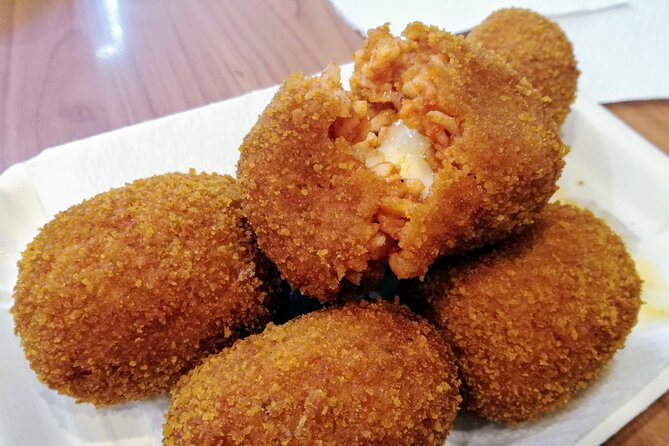
Then you head into the Campo de’ Fiori area, which is tied to a famous figure—Giordano Bruno—and also to the market life that makes the square feel like Rome is working even when tourists are off chasing ticket lines.
Here you get supplì, fried rice balls filled with mozzarella and tomato sauce. It’s the kind of snack that’s simple on paper but satisfying in real life: crisp outside, hot and melty inside. It also trains you to notice flavors as you walk, instead of treating food as a random series of bites.
The best part of this stop is pacing. You’re not just eating. You’re seeing the square’s role in daily Rome, then tasting a classic that belongs in the same world.
Mosaic shop stop: craft time instead of photo time
After Campo de’ Fiori, the tour includes a visit to a mosaic artisan shop during its labor days (or you’ll get an alternative food tasting if the shop isn’t operating).
This is one of the more unusual inclusions on a food tour. You’ll see how mosaic work happens step-by-step—how pieces are cut and how the process turns flat tile into something that reads as an image. Even if you’re not a craft person, you’ll come away with a clearer sense of what you’re looking at when you see mosaic artwork around Rome.
Drawback to note: since the shop depends on working days, your exact version of this moment could vary. The tour compensates with an extra tasting instead, but the mosaic experience itself is not guaranteed every day.
You can also read our reviews of more tours and experiences in Rome


Passetto del Biscione: a frescoed shortcut that saves time
Next comes Passetto del Biscione, a shortcut through narrow alleys decorated with frescoes. The guide uses this passage to help you understand Rome as a city built for movement—people cut through these spaces because it’s the shortest path.
This stop also matters because it connects the walk to food. You’re headed toward a pizza tasting afterward, and the frescoed lane makes the whole transition feel intentional rather than random.
Even if you’ve been to Rome before, shortcuts like this are where you feel the city’s texture. It’s the kind of segment that turns a tour from “checklist” into “I get it now.”
Largo Argentina: Julius Caesar’s murder, told where it happened
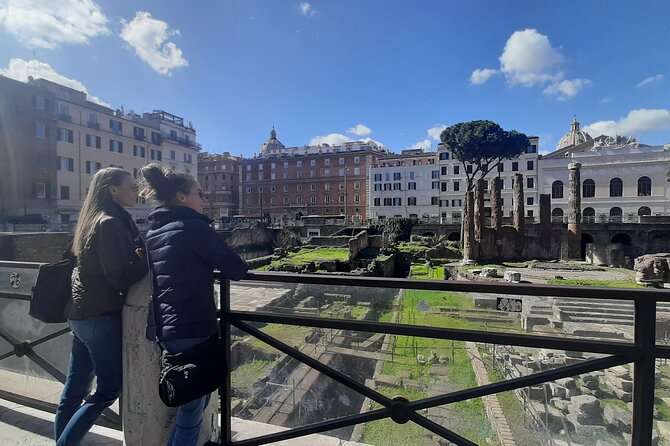
You’ll visit Area Sacra di Largo Argentina, where you can see the site connected to Julius Caesar’s murder. This is another outside-only moment, and that’s on purpose: you’re in walking mode, not museum mode.
Why it’s worth it: Rome’s food is tied to social life—neighbors, markets, street habits. This stop places that life inside big historical events, so you understand why places feel layered. You don’t need long explanations, just the right ones, at the right time.
The Jewish Ghetto: outside synagogue views and fried artichokes
One of the most praised parts of the tour is the route through the Ghetto. You’ll see remains of ancient Roman structures and the synagogue from outside. This isn’t a heavy lecture; it’s a route-based explanation that gives context to what you’re eating.
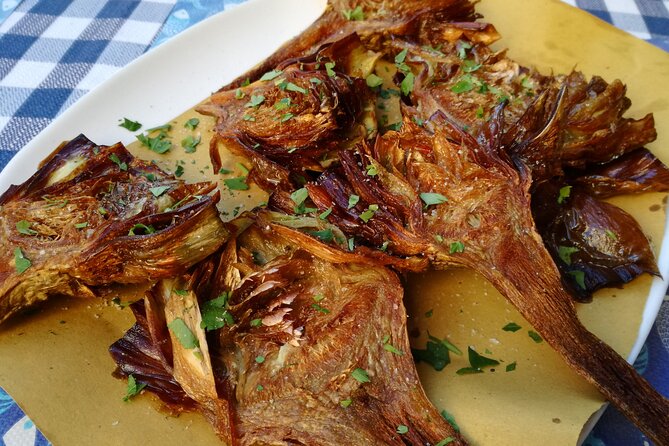
Then comes the star: carciofo alla giudia, the deep-fried artichoke that’s a must in Roman and Jewish culinary tradition. People consistently name this as a favorite because it’s distinct. The flavor is different from the “normal” idea of artichokes—crispy, savory, and unmistakably street-food Roman.
This is also where guides really shine in the reviews. Multiple guides are singled out for being animated and patient when explaining the area and its food traditions. If you care about understanding what you’re tasting, this stop is the payoff.
Pantheon area: see it from the right angle, not behind a ticket line
You’ll stop at the Pantheon area and get the main details, but not go inside. For some people, that’s exactly the right call. You’re keeping momentum, and your energy goes into the next eating moments instead of waiting your turn.
The value here is your guide’s ability to point out what matters visually and historically while you’re still in the flow. You end up with a stronger impression than a quick glance from the sidewalk, without turning your day into a queue marathon.
Sant’ Eustachio gelato: the sweet reset at the right moment
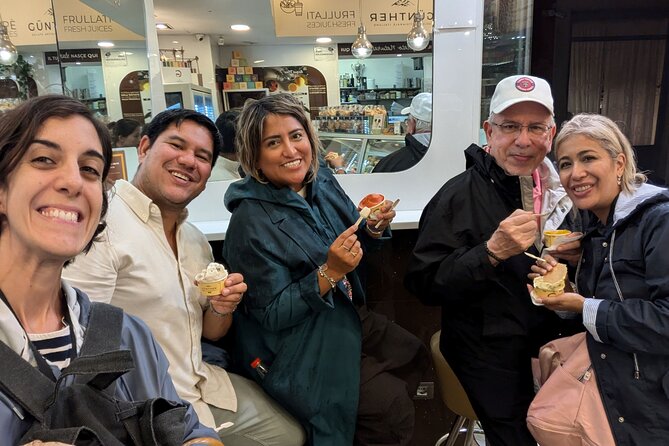
Then it’s time for gelato at Sant’ Eustachio. This is a smart scheduling choice. After savory bites and fried food, gelato resets your palate and keeps the last stretch of walking from feeling like one long sugar-less crunch-fest.
Some people mention flavor standouts like pistachio gelato in their favorites. Your exact scoop can vary, but the timing is what helps: you get sweetness before the final desserts, not after you’re already tired.
Piazza Navona finale: tiramisu and the Four Rivers fountain
Near the end, you reach Piazza Navona, famous for the Fountain of the Four Rivers. This square is scenic even if you’re not the “sit and stare” type. It gives you a sense of where the walking has been leading.
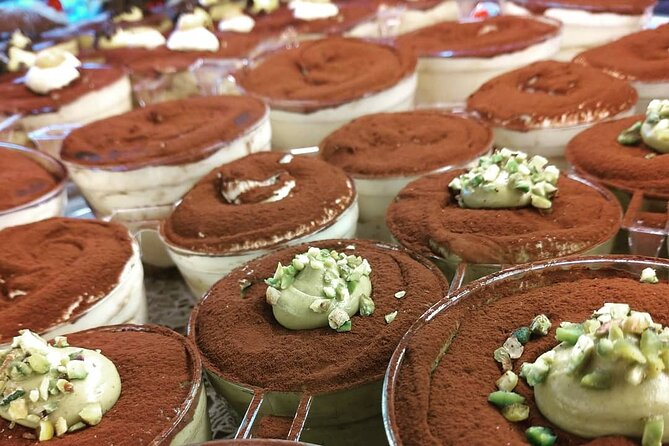
The last tasting is tiramisu. By this point, you’ll have eaten enough that it feels like a conclusion, not a random dessert stop. That’s part of why the tour works as a value: you’re getting multiple items that together can stand in for a hearty meal.
Piazza della Minerva: the elephant and the last story
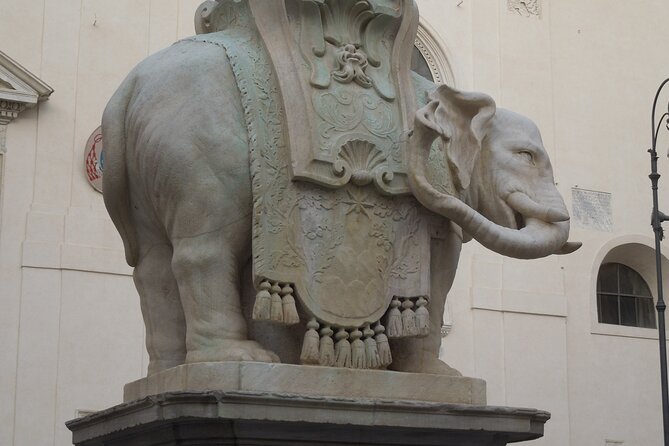
Finally, you wrap at Piazza della Minerva, where you can admire Bernini’s stone elephant and hear its history. This stop is short, but it adds personality. The elephant doesn’t belong to the same “food-only” category, and that’s why it works: you leave with an image you’ll remember.
What you’ll eat (and what to expect about alcohol)
Your tasting list includes skewers, supplì, sliced pizza samples, carciofo alla giudia, gelato, and tiramisu, plus a surprise dessert moment. The tour also includes the mosaic shop visit when it’s operating.
Alcoholic beverages are not included and can be bought separately based on preference. You might hear about wine earlier in the route, but don’t plan your budget assuming alcohol is part of the package.
If you’re someone who likes to keep things simple, you can treat the included tastings as your meal and spend only on water or optional extras.
Who this tour fits best (and who should consider alternatives)
This tour is best for you if:
- You want a 3-hour Rome “taste and learn” mix without jumping between far-apart neighborhoods.
- You like street food but also want the story behind it, especially for Jewish and Roman culinary traditions.
- You prefer a small group (max 10) pace over big-bus energy.
It might not fit as well if:
- You have strict dietary needs. Gluten or lactose intolerance can be accommodated, but not all tastings can be guaranteed, and you must communicate restrictions at booking.
- You’re traveling with reduced mobility and want to avoid affecting the duration for others. In that case, the provider suggests booking a private tour.
Should you book this Rome Street Food Tour?
If you’re trying to start your Rome trip with momentum, I’d say yes. This is one of those “worth it because it reduces decision fatigue” experiences. You get a strong slice of central Rome, plus a meal built from multiple Roman classics—supplì, pizza samples, fried artichokes, gelato, and tiramisu—without having to pick each stop yourself.
Book it especially if you like the idea of learning while you eat. The guide-driven details (including highlights in the Jewish Ghetto area and careful explanations at multiple stops) are a big part of why the tour earns 5-star ratings so often.
If your diet is complex, message the provider early and clearly. If your restrictions are straightforward, you’ll likely have a smooth time. If they’re strict, plan to be flexible.
In short: for most first-timers and many repeat visitors, this is a high-value way to experience Rome on foot—one bite, one story, one turn at a time.
FAQ
How long is the Rome Street Food Tour?
It runs for about 3 hours.
Where does the tour start and end?
The tour starts at Largo dei Librari (Via dei Giubbonari, 90, 00186 Roma) and ends at Piazza Navona (00186 Roma).
What’s included in the food tastings?
You’ll receive snacks including skewers, supplì, artichokes, gelato, and tiramisu. You’ll also have a mosaic shop visit during working days, and there is a surprise dessert.
Is alcohol included?
No. Alcoholic beverages can be bought separately based on your preferences.
What is the group size?
The tour has a maximum of 10 travelers.
Can I join if I have a food intolerance or I’m vegetarian?
Gluten or lactose intolerants (not allergic) can participate, but not all tastings are guaranteed—so communicate restrictions at booking. Vegetarians can be accommodated, but vegans cannot be guaranteed.