REVIEW · ROME
The Four Seasons by Antonio Vivaldi – Sala Dante Roma
Book on Viator →Operated by Opera e Lirica srl · Bookable on Viator
Vivaldi after dark with Trevi in the window. I love the intimate listening room and the Trevi Fountain view that makes this feel like more than a standard concert. One thing to think about: audience behavior can get distracting, especially with phones and late arrivals.
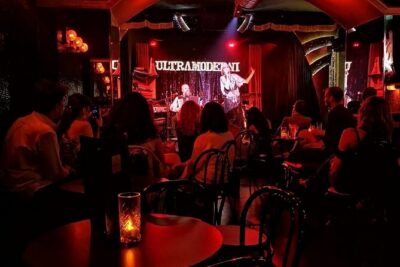
This is a one-night, one-block kind of plan. You’re getting Vivaldi’s Four Seasons performed by a string quintet with harpsichord, with no giant stage show to hide behind. If you want classical music in a small setting, with great acoustics and a real Roman atmosphere, this works.
My take: it’s a strong value when you treat it like an evening out in Rome, not a ticketed museum experience. Go in smart casual, expect assigned seating you can’t preview, and be ready for the room’s comfort to vary a bit.
In This Review
- Key things to know before you go
- Why Vivaldi’s Four Seasons hits differently in Rome
- Entering Sala Dante at Palazzo Poli (and what to expect)
- The ensemble: strings quintet and harpsichord (plus Elvin Dhimitri)
- Trevi Fountain from the windows: the Rome twist you can’t fake
- What the 8:30 pm schedule feels like, minute by minute
- Sound and acoustics: hearing without amplification
- Seats: you won’t know your view until the box office assigns them
- Audience etiquette: the main drawback to watch for
- Comfort and room conditions: historic isn’t always cozy
- Dress code and what to wear (smart casual works best)
- Price and value: is $54.07 worth it?
- Who this concert fits best (and who might want to think twice)
- Should you book The Four Seasons in Sala Dante?
- FAQ
- Where does the concert take place?
- What time does it start?
- How long is the experience?
- Is the performance in English?
- Who performs The Four Seasons?
- Will I be able to see the Trevi Fountain from the venue?
- What is included in the ticket price?
- What should I wear?
- Is transportation included?
- How many people are in the group?
Key things to know before you go
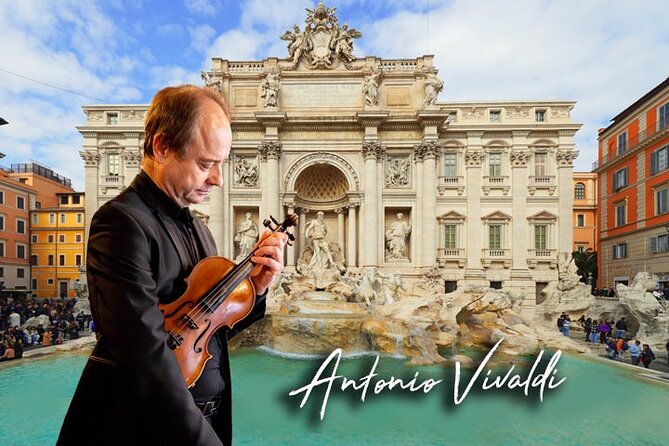
- Trevi Fountain view from Sala Dante windows (it’s part of the magic of the setting)
- English performance offered for this concert
- Small group size (max 20 travelers), which helps keep the mood calm
- Unpredictable seat assignment by the box office on the performance date
- Smart casual dress code
- No trip time wasted: one stop, one start time, then enjoy the music
Why Vivaldi’s Four Seasons hits differently in Rome
Vivaldi’s Four Seasons is famous for a reason. Even if you only know it from popular recordings, you’ll recognize how the music paints seasons through tempo and texture. Hearing it live is where the detail shows up, especially in the fast passages where strings can sound like they’re speaking.
What makes this performance special is the setting. You’re not stuck watching a big production. You’re close enough that you can follow the ensemble’s balance—violin lines, inner string support, and the harpsichord’s crisp color. Multiple people have also described how clearly they could hear performers from most seats, which matters for an intimate work like this.
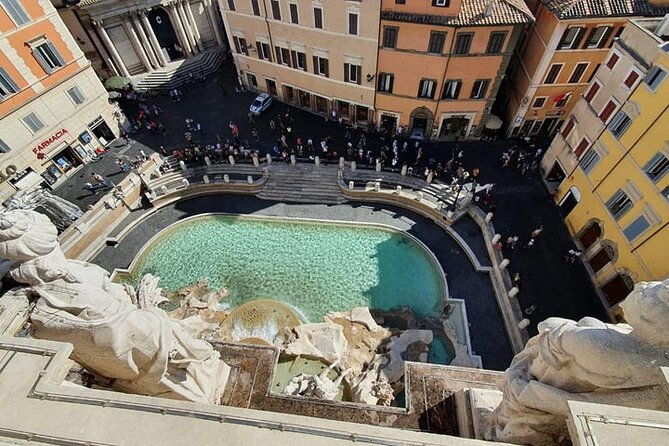
And then there’s the Roman bonus: the Trevi Fountain view from the windows. It’s the kind of detail that turns the waiting moments into part of the experience, because you’re looking out at one of Rome’s icons while music is happening nearby.
You can also read our reviews of more tours and experiences in Rome.



Entering Sala Dante at Palazzo Poli (and what to expect)
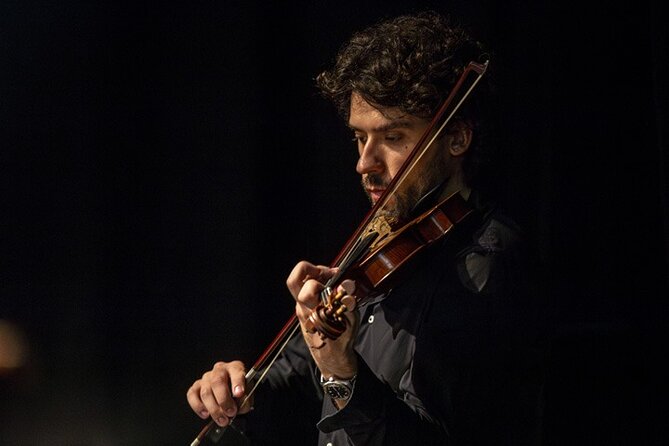
Your night starts at Palazzo Poli, at Sala Dante (Via Poli, 54) with an 8:30 pm start. That timing is ideal for travelers who want an evening plan after dinner but don’t want to fight late-night crowds.
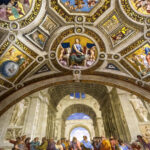
Sala Dante is an atmospheric room tied to a historic setting. Reviews point to it being a church or oratory-like venue with old frescoes. That’s a big part of why the acoustics can feel so good—small rooms with hard surfaces can be very musical when the performers are tuned into them.
There’s a practical side too. Because it’s not a modern theater designed for comfort, conditions can be hit-or-miss. Some people noted it got warm, while others mentioned cold temperatures and even concerns about smell or lighting. Bring the mindset of “historic building” and you’ll read the environment more charitably.
The ensemble: strings quintet and harpsichord (plus Elvin Dhimitri)
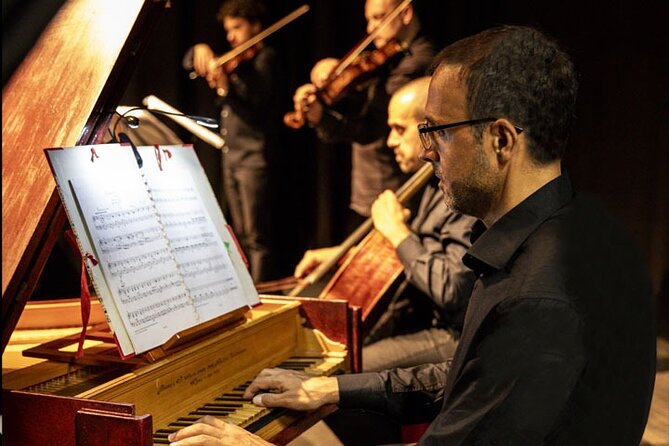
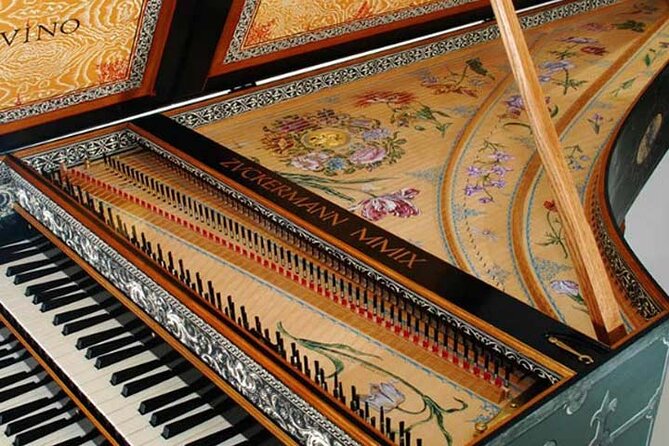
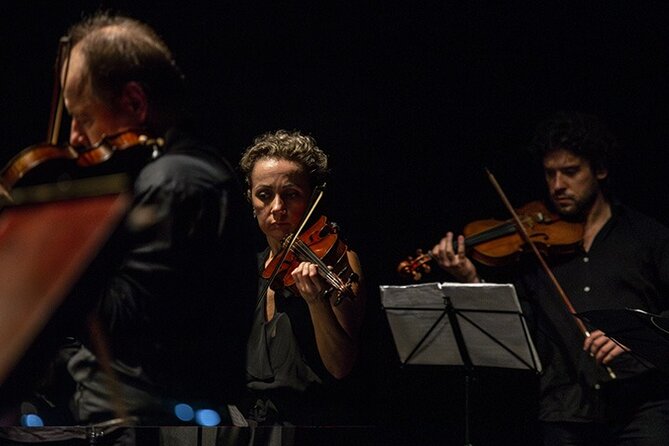
This isn’t a solo violin show. The performance features a string quintet and harpsichord, which gives Four Seasons a fuller, more orchestral feel without turning it into a massive production. The harpsichord is a key ingredient here: it adds that bright, lightly percussive backbone that makes Baroque phrasing feel crisp.
Elvin Dhimitri is listed as the violinist for this event, described as the first violin of Opera e Lirica. He’s also noted as having been appointed Concertmaster in youth and symphony contexts, including roles with the Rome Philharmonic Orchestra and since 1997 with the Rome and Lazio Symphony Orchestra. In plain terms: this is not a random local recital-styled group.
In reviews, people repeatedly praise musicianship—tight ensemble playing, passion in the violin parts, and an experience that feels professional rather than casual. That’s exactly what you want for Four Seasons, because the work is technically demanding but also emotionally expressive.
Trevi Fountain from the windows: the Rome twist you can’t fake
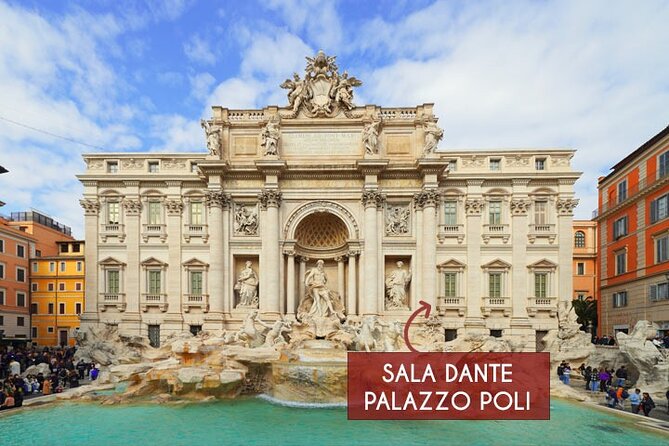
The standout “Roman moment” here is the Trevi Fountain view from the windows of Sala Dante. You’re inside, listening, but you’re also looking out at the fountain’s familiar silhouette in the background of your evening.
This matters because it changes your pacing. Instead of walking out only to go find photos later, you get a built-in visual anchor. It makes the waiting time feel purposeful—especially on a trip where evenings can run together and blur.
It also adds to the sense of occasion. Many people described this as a special way to round off a visit to Rome or to make the last night feel memorable. If you’re traveling for views and experiences, this gives you both: music and a “you’re really in Rome” moment at the same time.
What the 8:30 pm schedule feels like, minute by minute
There’s one stop: Palazzo Poli, Sala Dante, start time 8:30 pm. That simplicity is a win. You’re not juggling multiple locations, and you’re not paying for time you’d rather spend wandering.
Because start time is fixed, plan to arrive with a small buffer. Even if you’re punctual, historic venues can take a little time with entry and seating. And based on feedback, latecomers can be ushered in during the performance, which can interrupt attention. Getting there early reduces your own stress and helps the room stay focused.
Once you’re seated, this is a listening-first evening. Reviews highlight that you can hear the last notes fading. That’s the kind of detail you only notice when a performance is happening without amplification and with an audience that lets the sound fully breathe.



Sound and acoustics: hearing without amplification
A big part of the appeal is that people describe hearing everything clearly with no amplification. With Sixteen-something-year-old walls (or close to it) and a small footprint, sound can travel fast and feel intimate.
In reviews, the clearest compliments are about balance and clarity: you can hear performers perfectly from most seats, and the ensemble blends well. For Four Seasons, that matters because it’s not just about one melody. It’s about how lines interlock—something a larger, louder venue can sometimes blur.
One practical consideration: seating and temperature. Some people mentioned wooden chairs that can be uncomfortable after a while, plus noises when someone moves. If you’re easily distracted by shifting sounds, that’s worth factoring in. Also, several reviews mention warmth, so consider bringing a small bottle of water if you run warm.
Seats: you won’t know your view until the box office assigns them
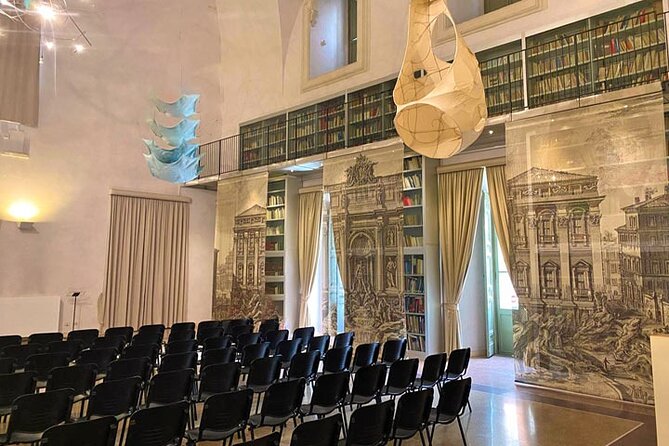
Seats are assigned by the theater box office and you won’t know them in advance. That’s not unusual for smaller venues, but it does change how you should plan.
If you care about optimal sightlines, you’ll want to be flexible. The good news is that multiple reviews say sight and sound were excellent from most seats. Still, your exact location isn’t something you can shop for ahead of time, so treat it as part of the gamble you’re accepting in exchange for an intimate setting.
Because of the assigned seating system, I’d avoid arriving at the last second. Not because you’ll lose your spot, but because late entry can be stressful and—if the room is already in motion—unhelpful for the overall experience.
Audience etiquette: the main drawback to watch for
The most repeated downside in feedback isn’t the music. It’s what happens around the music.
Some people reported latecomers being ushered in during the performance, and others complained about mobile phones being used. There were also mentions of people taking videos, moving around, and clapping at the wrong times. In a small room, those distractions can feel bigger than they would in a huge theater with a raised stage.
Here’s how to use this info wisely: plan to be an audience-friendly listener. Silence your phone. Keep it away until the performance ends. If you’re a serious classical listener, you’ll get more from the concert if you can tune out the occasional social-media moment.
Comfort and room conditions: historic isn’t always cozy
This venue is described as an oratory/church-type space with old frescoes. That’s why conditions can vary. Some people mentioned it was warm; another review noted it felt cold. One person also mentioned bad smell, plus too much lighting.
So what should you do? Dress in layers. Pick shoes you can sit in comfortably for about 1.5 hours. If you tend to feel cold easily, bring a light layer. If you run warm, bring water and plan to fan yourself with a program or small card.
And if you’re expecting modern theater lighting and climate control, you might feel annoyed. If you’re okay with historic, slightly unpredictable conditions, you’ll probably enjoy the charm more.
Dress code and what to wear (smart casual works best)
Dress code is smart casual. That’s a good target because it keeps the evening feeling special without being stiff. You’ll see a mix—some people follow the dress code more closely than others—but smart casual is the right baseline.
Also consider that you’re sitting for about 90 minutes. Choose breathable layers, avoid anything that forces you to constantly adjust, and don’t wear something so formal you’ll feel uncomfortable if the room temperature swings.
Price and value: is $54.07 worth it?
$54.07 per person (with local taxes included) is a fair price for an evening concert in a small setting. You’re paying for live entertainment, plus the advantage of skipping long lines at the box office. In practice, that matters: you lose less time and you arrive ready to settle in.
That said, value is personal. One review said ticket pricing was cheaper at the venue, and another suggested buying a standard concert ticket instead because the event felt more tourist-oriented. You can take that as a “check the market” reminder—especially if you’re the type who likes to shop around.
My balanced take: if you want Four Seasons in an intimate room with the Trevi view and a professional ensemble, this price makes sense. If you’re purely price-driven or you strongly prefer a traditional theater ticket process, you might compare options before you commit.
Who this concert fits best (and who might want to think twice)
This is ideal if:
- you love classical music and want it performed by a serious ensemble
- you want a “Rome evening” that feels special without being complicated
- you like the idea of an intimate hall where you can hear clearly from where you sit
- you’re traveling as a couple, and you want a memorable last-night plan
It might not be perfect if:
- you need a fully quiet, phone-free environment to enjoy music
- you’re very sensitive to chair noise and people moving in tight seating
- you can’t handle historic venue conditions (temperature, lighting, odors can vary)
It also seems family-friendly in the sense that couples and even families with teens have attended, based on written feedback. Just remember: in small venues, etiquette becomes extra important for everyone’s enjoyment.
Should you book The Four Seasons in Sala Dante?
I’d book this if you want a classic piece of music presented in a small, well-sounding room with a distinctly Roman twist. The Trevi Fountain view alone gives it personality, and the ensemble format—string quintet plus harpsichord—fits Four Seasons like it should.
Skip or think twice if you’re easily thrown off by late arrivals or phones, or if comfort is your top priority and you dislike historic venues. If you can go in with patience for the setting and help keep the room quiet, you’ll likely come away feeling this was a smart way to spend an evening in Rome.
FAQ
Where does the concert take place?
The performance is at Sala Dante of Palazzo Poli, Via Poli 54, Rome.
What time does it start?
It starts at 8:30 pm.
How long is the experience?
The duration is approximately 1 hour 30 minutes.
Is the performance in English?
Yes, it is offered in English.
Who performs The Four Seasons?
It is performed by an Opera e Lirica string quintet and harpsichord, with violinist Elvin Dhimitri listed for this event.
Will I be able to see the Trevi Fountain from the venue?
Yes. The Sala Dante windows overlook the Trevi Fountain.
What is included in the ticket price?
Admission to The Four Seasons is included, along with local taxes and live entertainment.
What should I wear?
The dress code is smart casual.
Is transportation included?
No. Transportation to and from attractions is not included.
How many people are in the group?
This activity has a maximum of 20 travelers.