REVIEW · ROME
Christianity in the Ancient Rome Private Tour
Book on Viator →Operated by Rome Private Excursions · Bookable on Viator
Early Christianity in Rome, in one long day. What makes this tour stand out is the private guide approach, paired with St. Callixtus catacombs and other key sites tied to St Peter and St Paul. You also get door-to-door pickup in a vehicle with live commentary, so the day feels planned rather than stitched together.
One possible drawback to plan around: several stops are short (about 15 minutes at some churches), and you’ll pay for major entrances on site, including the catacombs and the prison.
In This Review
- Key Highlights Worth Your Time
- A Private, Christian-History Route That Actually Feels Like a Story
- Pickup at 8:30 and a 7-Hour Plan That Covers Real Ground
- Abbey of St. Paul Outside the Walls: A 4th-Century Anchor for the Day
- Catacombs of Saint Callixtus: The Underground Reality Check
- Santa Sabina on Aventine Hill: Short Stop, Big Visual Impact
- Domine Quo Vadis: The Footprint Story on the Appian Way
- Carcer Tullianum / Mamertine Prison: Where the Tradition Says the Apostles Were Held
- Why the Guide Changes Everything (Especially With Peter and Paul)
- Cost and Value: What You’re Paying For (and What You Still Need to Pay)
- Dress Code and Comfort: Don’t Lose Your Entry Over Shoulders and Knees
- Who Should Book This Tour (and Who Might Skip It)
- Should You Book This Private Christianity in Ancient Rome Tour?
- FAQ
- How long is the Christianity in Ancient Rome private tour?
- What time does the tour start?
- Do you get picked up from your hotel?
- Does the tour include drop-off?
- Is this a private tour?
- What language is the tour offered in?
- Which entrance fees are not included?
- How much are the entrance fees for the catacombs and the prison?
- Is lunch included?
- What dress code do I need for churches?
- Is there free cancellation, and how far in advance?
Key Highlights Worth Your Time
- Private guide with live commentary: You can ask questions and steer the pacing to your interests.
- Catacombs tour led with context: Underground burial spaces tied to early popes, plus an on-site ticket process.
- Apostles’ Rome in focused stops: Churches and traditions connected to Peter and Paul, not just big-name sights.
- Free access at several churches: St Paul Outside the Walls, Santa Sabina, and Domine Quo Vadis are listed as free.
- Comfortable pickup-and-drop format: You start at your hotel (or airport) and end back there the same day.
A Private, Christian-History Route That Actually Feels Like a Story
Rome can be noisy, crowded, and hard to connect into meaning. This day is built around one theme: Christianity’s first centuries in the city, with stops linked to St Peter and St Paul. You’re moving by car between sites, not hopping between distant neighborhoods with a tired sense of “now what?” That matters, because the core value here isn’t just seeing buildings—it’s understanding why these places became important.
I like that the experience is private. With only your group, you can slow down when something clicks, or speed up if a stop isn’t landing. I also like the strong mix of “on-the-ground” places: major church sites above street level, plus an underground visit in the catacombs for a reality check on what early believers faced.
One thing to keep in mind: this is more of a guided route through sacred and historic locations than a strict lecture that marches in perfect chronological order every step of the way. If you want a very timeline-heavy “from start to finish” framing, it helps to ask your guide to keep the structure tight.
You can also read our reviews of more private tours in Rome


Pickup at 8:30 and a 7-Hour Plan That Covers Real Ground
The tour starts at 8:30 am with pickup from your accommodation in Rome or from the airport on arrival. You also get drop-off back to your place (or to the airport). That door-to-door flow is not just convenient—it reduces the stress of coordinating buses and meeting points, especially on a morning when Rome’s heat and traffic can still mess with your schedule.
The tour is listed as about 7 hours, and it uses that time efficiently by combining short museum/church visits with one longer underground segment. On a day like this, timing is everything. If you’ve ever tried to DIY “early Christianity” sites, you know the problem: some are spread out, some require tickets, and some are hard to link into a coherent picture without local interpretation.
Also, the day includes a driver and live commentary, which means you’re not stuck staring out the window in silence while you travel between stops. You’re getting context while you move.
Abbey of St. Paul Outside the Walls: A 4th-Century Anchor for the Day
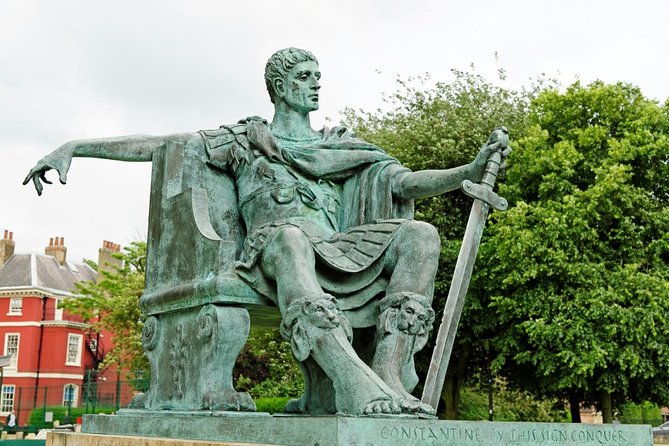
You start at the Abbey of St. Paul Outside the Walls (Abbazia di San Paolo Fuori Le Mura). It’s listed at about 30 minutes, and the admission is free. Even if you already know St Paul’s story in general, this stop is a strong “anchor” for the day because it sits within the long timeline of Roman Christianity—especially because it’s associated with the era of Constantine.
You’ll tour the interiors during that time. The practical value of starting here is simple: it gives you an early framework for why Paul’s memory mattered so deeply in Rome. You’re not just ticking off a church; you’re building a mental map for the rest of your route.
Potential consideration: 30 minutes can feel quick if you’re the type who loves to linger over details. But as the first stop, it sets the tone and keeps the day moving so you still get your longer underground visit later.
Catacombs of Saint Callixtus: The Underground Reality Check
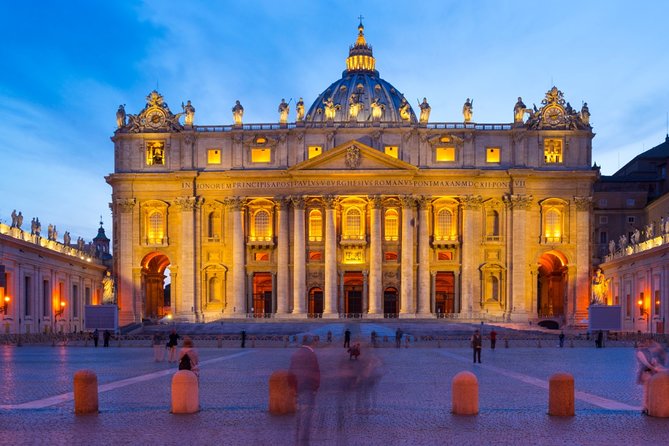
Next comes the part many people remember most: the Catacombs of Saint Callixtus. This stop is about 45 minutes, and you’ll pay the admission ticket on site. The price details are given in a couple places, but expect to budget roughly €8–€10 per person, with a reduced rate noted as €5.
This is your most “hands-on” encounter with early Christian burial culture. These aren’t just symbolic spaces; they’re the kind of setting where you can feel how the community lived under pressure—because the architecture and scale are different from what most modern visitors expect. Having your guide help with the ticket purchase is a real time-saver, and it keeps the day from turning into a logistics puzzle.
One note: the tour mentions you should have moderate physical fitness. Catacombs often mean uneven ground and time underground. You don’t need to be an athlete, but you should be comfortable walking and standing for a bit.
A small planning tip: because you’re paying on site, you’ll want to be ready with the right mindset about cash/card acceptance and timing at the ticket point. If you’re traveling on a tight schedule, it helps to keep your group moving as soon as your guide gives the go-ahead.
Santa Sabina on Aventine Hill: Short Stop, Big Visual Impact
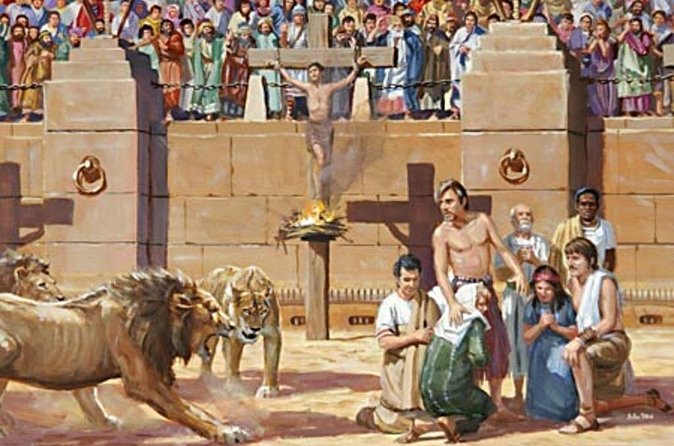
After the underground, the pace brings you to Basilica of Saint Sabina on Aventine Hill. You’ll have about 15 minutes, and admission is free (as listed). In that short window, the standout detail is the famous wooden doors carved with Biblical scenes, plus the feel of one of Rome’s early churches.
This stop is worth it even if you’re not a stained-glass-and-mosaics person. The reason: you’re seeing an early Christian visual language in a compact time frame. It also works as a “reset” after the crypts, letting you breathe, look up, and reframe what you just saw underground.
Possible drawback: 15 minutes means you’ll need to pick your focus. If you want to study carvings carefully, arrive with an idea of what you want to see—doors, interior, or general atmosphere—so you don’t feel rushed.






Domine Quo Vadis: The Footprint Story on the Appian Way
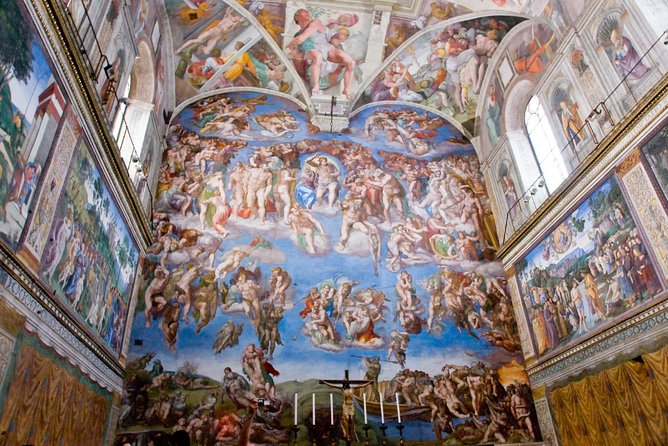
Next is the Chiesa del Domine Quo Vadis. You’ll spend about 15 minutes, and admission is listed as free. This is the stop for tradition—specifically the story of Peter fleeing persecution along the Appian Way and encountering Jesus in a vision. According to the tradition tied to the site, it includes the Latin exchange Quo vadis? and a statement about returning to Rome to be crucified again.
A lot of religious sites rely on big words and big crowds. This one often lands differently because it’s tied to a specific, physical moment in the story: the site is known for the footprint tradition. Even if you approach it as history-first rather than faith-first, the cultural meaning still matters. You’re seeing how communities kept telling and preserving the meaning of endurance and decision-making.
If your goal is historical context, you’ll likely appreciate that your guide can explain what’s story, what’s tradition, and what’s hard to verify. That kind of framing helps a lot—especially if you’re comparing this tour’s approach to more doctrinally focused tours.
Carcer Tullianum / Mamertine Prison: Where the Tradition Says the Apostles Were Held
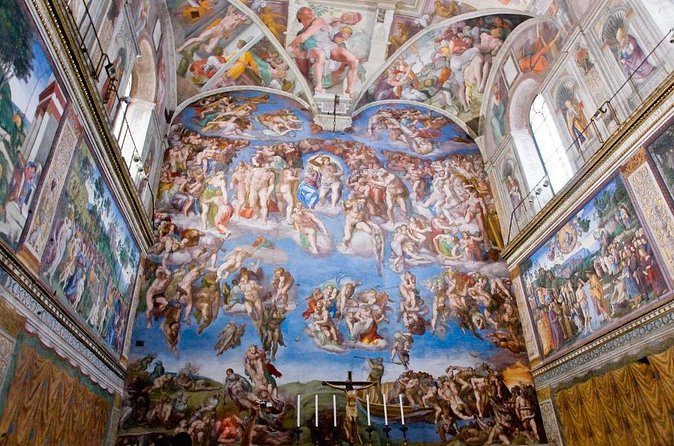
The day ends with visits that link back to the apostles through Roman-era prisons. You’ll stop at Carcer Tullianum and the price details depend on which part you visit. The tour notes on-site entry fees around €8–€12 per person for this prison stop, and additional info also lists €6 for the inside entrance and notes it’s free for kids up to 6 years old.
This stop is about atmosphere. You’re stepping into a place associated—by Roman and Christian tradition—with Peter and Paul being held. The value isn’t that you’ll suddenly “prove” everything the tradition claims. The value is that you’re standing where the story took on a physical location in Rome’s memory.
Time is about 30 minutes here. That’s enough to see and absorb without turning it into a long slog at the end of the day.
Practical note: this is one of the places where entrance fee handling matters. Because the tour lists payment as on site, come prepared for that extra cost so you don’t feel surprised at the door.
Why the Guide Changes Everything (Especially With Peter and Paul)
The most consistent praise in the feedback is about the guide experience itself. Names like Max, Manny, Antonio, Luca, John, Iovanni, and even a driver-guide pairing nicknamed The Professor come up as highlights. The common thread: guides are friendly, responsive, and willing to tailor the day to what you care about most.
That tailoring shows up in small but important ways:
- If you’re serious about the apostles’ Roman story, a guide can focus your route on the most relevant sites and explain the traditions tied to each.
- If you care more about context, you’ll get background on how early Christianity spread in Rome and how communities survived different phases of tolerance and persecution.
- If you want less-common places, your guide can point you toward stops that many standard tours gloss over.
One balanced caution: a few comments suggest the day can feel heavier on churches than on a strict “how Christianity started in Rome” timeline. In plain terms: if you want a very structured, origins-first lecture, tell your guide up front so they can shape the pacing.
Cost and Value: What You’re Paying For (and What You Still Need to Pay)
At $469.14 per person, this is not a budget tour. The value comes from what’s included:
- Hotel pickup and drop-off
- Private tour (your group only)
- Driver
- Live commentary during the day
For a theme like this—multiple sites spread across Rome—transport and coordination can eat a full day fast. Here, the tour handles that, so you spend your energy on the sites instead of planning.
What’s not included are the entrances that matter most to the theme:
- Catacombs of Saint Callixtus: roughly €8–€10 per person (with a reduced rate mentioned as €5)
- Mamertine Prison / Carcer Tullianum: listed around €8–€12 per person, and inside entry is also noted as €6
- Lunch: not included
So, the honest way to judge value is this: you’re paying for a private, guided route with built-in transportation and interpretation, plus you budget additional entry fees for the two most time-and-theme-heavy stops. If that matches your travel style, the price starts to look fair.
If you only want one or two sites and you’re comfortable navigating on your own, you’d pay less by going DIY. But if you want meaning, guidance, and a smooth day in one loop, the private format is doing real work here.
Dress Code and Comfort: Don’t Lose Your Entry Over Shoulders and Knees
This tour has a dress code for places of worship and selected museums. The requirement is clear: no shorts or sleeveless tops. Both men and women must have knees and shoulders covered, or you risk being refused entry.
That’s not just a rule to ignore—it’s one of the easiest ways to accidentally ruin a schedule. If you’re traveling in summer heat, plan light layers that still cover you properly. A light cardigan or shawl can save the day.
Also, because the catacombs are on the agenda and the tour asks for moderate physical fitness, think about comfortable walking shoes and pacing yourself. This is a long day with multiple stops, not a quick photo spree.
Who Should Book This Tour (and Who Might Skip It)
This is a great fit if you:
- Want early Christian Rome with a guide who can connect sites to St Peter and St Paul.
- Appreciate history and context, not just the main “icon” churches.
- Like the idea of a private vehicle with pickup, so you can focus on the story rather than logistics.
- Are comfortable paying a couple of on-site entrances for the big thematic experiences.
You might think twice if you:
- Only care about one famous basilica and don’t want to pay for catacombs or prison entrances.
- Need a strict chronological “origins of Christianity in Rome” structure and want every stop framed in that exact order.
- Have trouble with walking and standing in less accessible spaces like underground areas.
Should You Book This Private Christianity in Ancient Rome Tour?
If you’re choosing between “some religious sites on my own” and “a guided day that ties the apostles to real locations,” I’d lean toward booking. The combo of private guide + pickup + live commentary makes the day feel efficient, and the stops are selected around Peter and Paul rather than around a general list of Roman churches.
To decide confidently, ask yourself two questions before you book:
- Do you want the story explained in context as you move between sites?
- Are you okay with a few short church stops, plus paying on site for the catacombs and prison?
If the answer is yes, this is one of those Rome days that gives you more than photos. It gives you a framework for how early Christians carved meaning into a hard city.
FAQ
How long is the Christianity in Ancient Rome private tour?
The tour lasts about 7 hours.
What time does the tour start?
The start time is 8:30 am.
Do you get picked up from your hotel?
Yes. Pickup is offered directly from your accommodation in Rome, or from the airport on arrival.
Does the tour include drop-off?
Yes. Drop-off is provided back at your Rome accommodation or at the airport.
Is this a private tour?
Yes. It’s private, and only your group participates.
What language is the tour offered in?
The tour is offered in English.
Which entrance fees are not included?
Entrance fees for the Catacombs of Saint Callixtus and Carcer Tullianum / the Mamertine Prison are not included, and they are paid on site.
How much are the entrance fees for the catacombs and the prison?
The catacombs entrance is listed as €8 (and another listing shows €10), with reduced pricing noted as €5. The prison entrance is listed as about €8–€12 per person, and inside entry is noted as €6 per person.
Is lunch included?
No, lunch is not included.
What dress code do I need for churches?
You need knees and shoulders covered. No shorts or sleeveless tops are allowed, and you may be refused entry if you don’t meet the requirement.
Is there free cancellation, and how far in advance?
Yes. Free cancellation is available up to 24 hours in advance for a full refund.