Fresh pasta teaches you faster than any lecture.
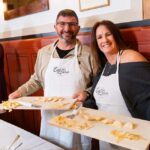
This Roman pasta making class in Rome is built around doing the work: you’ll learn classic techniques for shaping dough and building signature sauces like Carbonara, Amatriciana, and Cacio e Pepe. Instructors such as Francesca and Michela are described as step-by-step teachers who also explain the food culture behind the recipes, not just the mechanics.
Two things I really like: you’re in a small setting with close guidance, and you leave with recipes you can actually follow at home. One consideration: it’s a set 3-hour experience near Piazza Margana, so if you’re hoping for a long sit-down restaurant-style meal (or want door-to-door transport), you’ll need to plan your timing and local transit.
In This Review
- Key highlights you should care about
- Handmade Pasta + Roman Sauces at Piazza Margana
- What You’ll Do During the 3 Hours (and why the order matters)
- Step 1: Fresh handmade pasta and a Roman shape
- Step 2: Roman sauces you can repeat at home
- Step 3: Tasting your results with drinks
- Carbonara, Amatriciana, and Cacio e Pepe: the Roman rules
- Carbonara: technique over shortcuts
- Amatriciana: savory depth with Roman attitude
- Cacio e Pepe: cheese that behaves
- The people factor: why Francesca and Michela get mentioned
- Wine with lunch, plus take-home recipes you’ll actually use
- Drinks included (and why that helps)
- Recipes to take home
- Price and value: what $106.65 buys you in real terms
- Getting there near Piazza Margana (and what to wear)
- Who this Roman pasta class is for
- Should you book Classic Roman Pasta Making: Carbonara & More?
- FAQ
- How long is the Roman pasta class?
- What does the class cost?
- What’s included in the price?
- Are wines included?
- Where do I meet the class?
- Is it offered in English, and is cancellation free?
Key highlights you should care about
- Tonnarelli-style pasta practice so you learn a distinctly Roman shape, not generic spaghetti tricks
- Three classic Roman sauces built around how they’re traditionally put together in Rome
- Small-group feel where questions don’t get lost in a crowd
- Wine and soft drinks included, which makes the tasting portion feel more like lunch with friends
- Take-home recipes so you can recreate carbonara and friends without guessing later
Handmade Pasta + Roman Sauces at Piazza Margana
Rome has a way of making pasta feel personal. The noodles aren’t just food here; they’re part of how the city cooks. That’s why this class works so well: it focuses on the Roman approach—fresh dough, classic shapes, and sauces that depend on technique more than fancy ingredients.
Your base point is Piazza Margana (21, 00187 Rome). It’s central, and the activity runs with a mobile ticket. Also, it’s offered in English, which matters if you want to understand the why behind every step, not just copy what someone does.
This is the kind of experience that suits a couple of different travel styles. If you’re food-focused, you’ll appreciate the specificity. If you’re new to cooking, you’ll still feel capable by the end, because the class format is built around doing, not watching.
You can also read our reviews of more cooking classes in Rome

What You’ll Do During the 3 Hours (and why the order matters)
Even without a published minute-by-minute schedule, the structure is clear from what you’re taught and what you eat. Expect the class to move from dough to shape to sauce, then into a tasting where your work turns into lunch.
Step 1: Fresh handmade pasta and a Roman shape
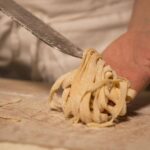
You’ll work on fresh handmade pasta using typical Roman shapes, including tonnarelli pasta. That means you’re not only mixing ingredients. You’re learning how dough behaves—how it should feel as you shape it, and how the final form matters for the sauce you’ll make next.
This part is where beginners usually gain confidence fast. Once you see how manageable the dough is in real hands, pasta stops feeling like a restaurant magic trick.
Step 2: Roman sauces you can repeat at home
After pasta prep, the class centers on classic Roman sauces: Carbonara, Amatriciana, and Cacio e Pepe. These are ideal choices because each one teaches a different kind of technique:
- Carbonara rewards precision and timing
- Amatriciana emphasizes balance and building flavor in a traditional way
- Cacio e Pepe is all about getting cheese and seasoning to behave
You’re not just tasting these dishes later. You’re learning the logic behind how they come together.
Step 3: Tasting your results with drinks
Once your dishes are ready, you’ll eat what you made. Beverage options are included, and the class provides fine wines (red and white) plus soft drinks and water. It’s a key part of the value: the lunch component is built into the experience, not an extra add-on.






Carbonara, Amatriciana, and Cacio e Pepe: the Roman rules
These three sauces are the heart of the class, and they’re chosen for a reason. They show how Roman cooking tends to be direct: strong technique, straightforward ingredients, and careful handling.
Carbonara: technique over shortcuts
Carbonara is the one that most people think they know—until they try making it the Roman way. The point of a class like this is that you learn where people most often get it wrong: temperature control, timing, and how the sauce should cling without turning into something heavy.
If you’ve ever had carbonara that tasted good but felt inconsistent, this class format helps you understand what causes that inconsistency.
Amatriciana: savory depth with Roman attitude
Amatriciana is about developing a sauce that feels savory and clean. You’ll learn how to combine ingredients in the right sequence so the flavor doesn’t feel flat, and the end result tastes like Rome rather than a generic red-sauce interpretation.
Cacio e Pepe: cheese that behaves
Cacio e Pepe sounds simple, but it’s also where technique matters most. The goal is a sauce that tastes creamy and cohesive without becoming grainy. When you learn this in a structured setting, you’ll have a much easier time recreating it later—especially if you’re cooking at home without restaurant equipment.
The people factor: why Francesca and Michela get mentioned
In cooking classes, the chef’s personality isn’t a small detail. It changes how safe you feel making mistakes. In the feedback I reviewed, Francesca and Michela come up for a reason: they’re described as warm, funny, and very clear about steps.
That kind of teaching matters because pasta-making has a learning curve. You can’t speed-run it. You need someone to notice when you’re doing something slightly off and correct it before you end up with tough dough or a sauce that won’t cooperate.
A nice touch from the class setup is that it’s friendly and welcomes beginners. That doesn’t mean it’s dumbed down. It means you’ll get guidance that keeps you moving.
Wine with lunch, plus take-home recipes you’ll actually use
Food experiences in Rome should do two things: feed you well and teach you something useful. This class nails both, and it does it in a way that feels relaxed.
Drinks included (and why that helps)
You’ll get alcoholic beverages plus bottled water and soda/pop. The class provides fine wines in both red and white, and there’s a strong chance the tasting portion feels lively. That’s not just a perk. It helps make the class feel like a shared meal rather than a timed factory session.
Do note: if you want to drive or plan anything immediately afterward that requires sobriety, treat the drinks like a real lunch plan, not a quick sip.
Recipes to take home
One standout value: you receive recipes to recreate what you make. That’s huge in a pasta class. Most people don’t need another cookbook quote—they need practical instructions that match what they did in the room.
If you’re the type who likes to cook after a trip, this is the kind of class that gives you a real souvenir: a repeatable skill set.
Price and value: what $106.65 buys you in real terms
At $106.65 per person for about 3 hours, the price sits in the middle-to-upper range for Rome cooking classes. But the value comes from the combination of what’s included:
- Guided instruction from an expert chef
- Hands-on pasta making with Roman shapes like tonnarelli
- Classic sauces: Carbonara, Amatriciana, and Cacio e Pepe
- Tasting/lunch included in the experience
- Beverages included, including wine
Also, the class includes a licensed/certified guide, and it has a maximum group size listed up to 50. In practice, the setup can feel much smaller because it’s often run as a tight group where you actually get personal attention.
The big cost-related catch: private transportation isn’t included. If you’re planning to taxi from far across town, factor that in so the class price stays what you think it will be.
Getting there near Piazza Margana (and what to wear)
Meeting point is Italian cooking classes in Rome, Piazza Margana, 21, 00187 Rome. The good news is that it’s near public transportation, so you’re not stuck planning a complicated route.
What I’d do before you go:
- Wear something you don’t mind getting a little messy
- Bring a jacket or layers if you’re visiting in cooler months
- Show up a few minutes early so the start doesn’t feel rushed
Also, service animals are allowed. If you have specific needs, it’s worth confirming details when you book, but the listing does explicitly allow service animals.
Who this Roman pasta class is for
This class fits best if at least one of these is true:
- You want a genuine Roman cooking experience instead of a generic pasta demo
- You’re a beginner and want structured, step-by-step help
- You love food you can repeat at home with recipes included
- You enjoy a class that includes lunch vibes, not just a tasting bite
It’s also a great choice for a date or a small group, since the environment tends to be intimate rather than chaotic. If you’re traveling solo, you can still have a good time—especially because the instruction is focused and English is supported.
Should you book Classic Roman Pasta Making: Carbonara & More?
If you want to leave Rome with more than photos, I think this booking makes sense. The best reason is simple: you’ll learn Roman pasta techniques and make sauces that are actually specific to this city’s style. Add the recipe handoff and included wine, and it turns into a memorable lunch you can reproduce later.
Skip it if your priority is pure sightseeing time, since it’s a set 3-hour commitment centered on the kitchen. Also, if you don’t want to handle local transit at all, you’ll need to plan your route to Piazza Margana since private transport isn’t included.
FAQ
How long is the Roman pasta class?
The class lasts about 3 hours.
What does the class cost?
It costs $106.65 per person.
What’s included in the price?
Included items are bottled water, soda/pop, alcoholic beverages, and a licensed or certified guide. You also taste what you make as part of the experience.
Are wines included?
Yes. The class includes fine wines (red and white), plus soft drinks and water.
Where do I meet the class?
You meet at Piazza Margana, 21, 00187 Rome, Italy. The experience ends back at the meeting point.
Is it offered in English, and is cancellation free?
It is offered in English. Free cancellation is available up to 24 hours in advance for a full refund.