REVIEW · ROME
Ancient Rome with Archaeology – Small Group Only
Book on GetYourGuide →Operated by LeonardoDC · Bookable on GetYourGuide
Rome makes more sense with archaeology.
This small-group walk in Lazio links the big sights into one clear story, using archaeology, history, and art-historical context so the ruins don’t feel like random stone piles. You’ll cover the Roman Forum, Colosseum, Imperial Fora, plus the Capitoline area and end at the archaeological space around the Theatre of Marcellus and nearby temples.
I especially like two parts of the format. First, the guide’s approach starts with a timeline and the “why, when, and how” of Rome’s monuments, so you know what you’re looking at before you see it. Second, the group stays intimate, limited to 6 participants, which helps the pace feel personalized to your interests.
One thing to consider: this experience does not include tickets or entry inside the monuments. You’re out for a light, 2.5-hour walking experience, and you’ll get guided analysis from vantage points rather than interior rooms and floors.
In This Review
- Key things to know before you go
- Why this archaeology-first route works for Rome
- Piazza Mattei start: getting your bearings fast
- Practical tip for the start
- Colosseum viewpoints: what archaeology adds to the roar
- A possible drawback at this stop
- Imperial Fora: seeing the city as a power machine
- Roman Forum: the layers you’ll start to read
- Capitoline Hill square: where the city’s story turns political
- Theatre of Marcellus finale: the archaeology close-up you can stand on
- Best way to enjoy the ending
- What you won’t get, and how to plan around it
- Value for money: why $36.08 makes sense here
- Who this Ancient Rome archaeology walk is for
- Should you book this tour
- FAQ
- How long is the Ancient Rome with Archaeology small-group tour?
- What is the price per person?
- Where do we meet for the tour?
- Where does the tour end?
- Which sites are included on the route?
- Does the tour include tickets or entry inside the monuments?
- What languages is the live guide available in?
- Is the tour wheelchair accessible, and is it strenuous?
- Can I cancel for a full refund, and is pay later available?
Key things to know before you go
- Archaeology-led explanations connect the Colosseum, Forum, and Imperial Fora into one evolving city story
- Small-group size (max 6) keeps the walk flexible and easier to follow
- Theatre of Marcellus archaeological area anchors the ending, plus nearby Temple of Apollo and Porticus of Octavia
- No monument entry or tickets means you plan for viewpoints and exterior context instead of indoor stops
- Wheelchair accessible and designed as a light walk with no effort needed
Why this archaeology-first route works for Rome
Rome can overwhelm you fast. You see a huge building, you take a photo, and then the next stop looks like a similar pile of rock from a different angle. This tour tackles that problem by turning the monuments into a timeline you can hold in your head.
The magic is how the guide explains what changed over time—how Rome built, rebuilt, repurposed, and expanded. That is the heart of archaeology: not just “what it looked like,” but how layers of construction and redesign explain why things stand where they stand today. You start to notice patterns, like how power shifts show up in urban planning, and how architecture becomes a public message.
I also like that the tour is honest about what you will and won’t do. You’re not paying for indoor access. Instead, you’re paying for the interpretation. If you want a ticketed, inside-the-monument day, pair this with a separate entry-focused activity later. If you want a strong “big picture” foundation that makes the rest of your Rome trip click, this is a smart fit.
You can also read our reviews of more tours and experiences in Rome.



Piazza Mattei start: getting your bearings fast
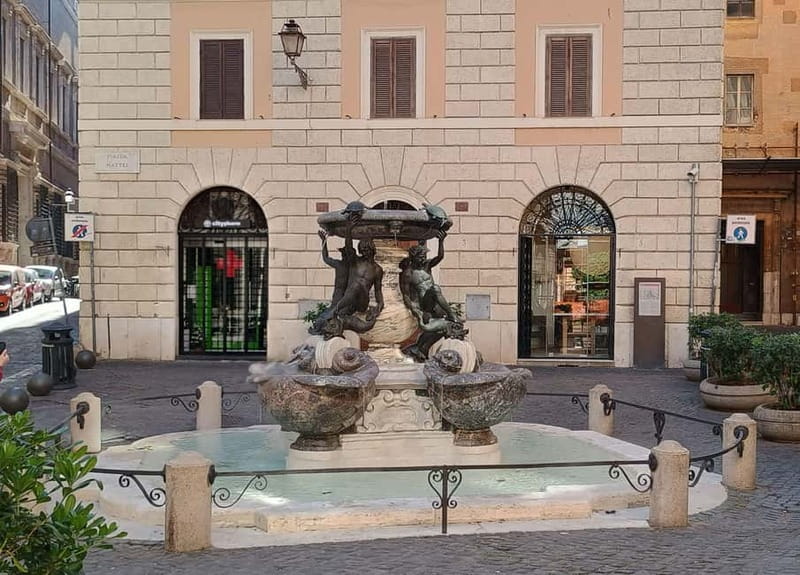
You meet right in front of the Fountain of the Turtles at Piazza Mattei, 1. That’s a good start point because it’s easy to orient yourself with landmark-based navigation while you wait.
Before you jump into the major sites, the guide gives you a brief introduction on the timeline of Rome’s history. This matters more than it sounds. When you know the order of events—at least in broad strokes—you’re better at reading the city in layers. You also hear the basic logic of Roman art and architecture: why materials and forms mattered, and how the built environment reflected politics and culture.
The tone is interactive and paced. You can expect the route to adjust to your time and interests. In a city where most monuments come without labels, that matters. It’s the difference between standing in front of a façade and actually understanding what it’s doing there.
Practical tip for the start
Go into the meeting point ready to listen, not ready to multitask. Put your phone away for the first bit. You’ll save time later, because you’ll recognize what you’re seeing instead of “guessing” your way through.
Colosseum viewpoints: what archaeology adds to the roar
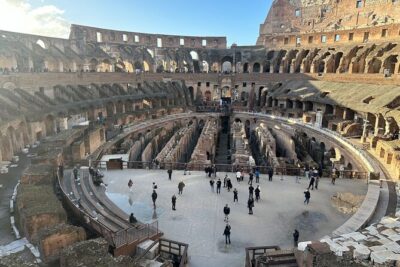
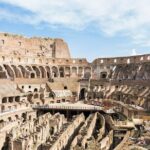
The tour hits the Colosseum early, with a guided, walk-based segment that lasts about 30 minutes. Since the experience does not include entry tickets, you won’t be marching through corridors or stepping onto floors. Instead, you focus on what the outside tells you.
This is where the archaeology approach pays off. The Colosseum isn’t just impressive in a postcard way; it’s also a piece of urban messaging. Archaeology helps explain how and why such monuments were built, then how their surroundings changed as Rome changed.
You’ll likely pass through the kinds of viewing angles that make it easier to understand scale and relationship between parts of the structure and the surrounding city. And because you’re pairing it immediately with historical context, the Colosseum becomes less of a standalone icon and more of a chapter in the larger story you’re building during the walk.
What to watch for: even from the outside, Roman buildings communicate function—mass, rhythm, and design choices. When someone explains those choices in terms of construction phases and context, you start seeing details instead of just “big arches.”
A possible drawback at this stop
Since you’re not going inside, if you really want interior sections (and the special feeling of being inside the monument), you may feel a bit teased. That’s not a flaw in the tour—it’s simply a different goal. Treat this as guided interpretation from the street-side perspective.






Imperial Fora: seeing the city as a power machine
Next comes the Imperial Fora, where you spend around 30 minutes with guided sightseeing and walking. This is one of the smartest parts of the route because it shows how Rome wasn’t just one empire-era miracle. It was a series of building campaigns, each tied to leaders and political goals.
These areas are great for archaeology-based storytelling. The Fora are made for comparison: you can watch how the design language communicates authority, and you can understand how planning connects religious, civic, and ceremonial spaces. Even if you don’t go inside anything, the guided analysis helps you understand why these complexes were set up where they were, and why they mattered to how the city worked.
I like that this stop comes before the Roman Forum itself. It sets expectations. When you then reach the older heart of Rome, you feel the evolution more clearly—like you’re seeing a city expand and rebrand itself over time.
Roman Forum: the layers you’ll start to read
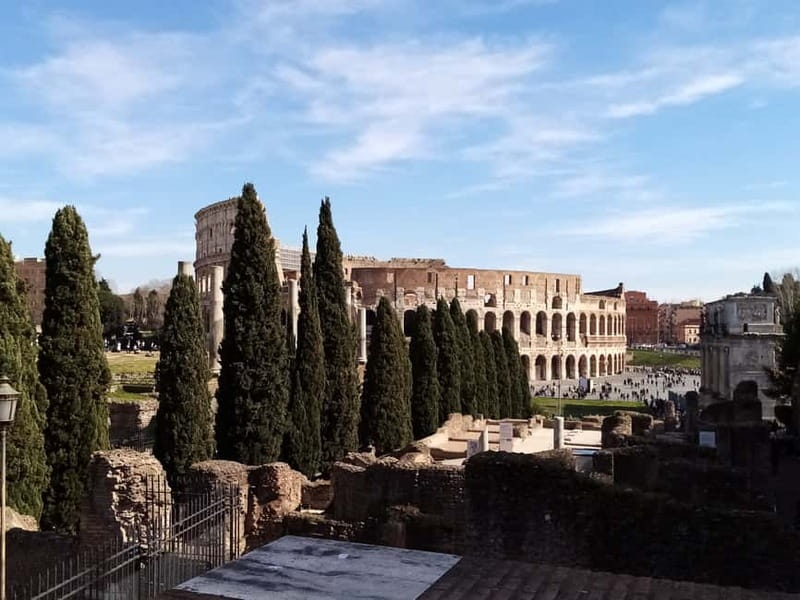
The walk then moves to the Roman Forum, with about 30 minutes of guided sightseeing. This is the emotional center of the experience for many people, because the Forum is where Rome’s story feels most “alive.” Archaeology helps here because the Forum is not a single moment frozen in time. It’s a place of continuous use, transformation, and re-use.
That means the guide’s timeline introduction becomes crucial. With the big-picture framing, the Forum becomes a map of change rather than a confusing list of ruins. You’ll get the sense of how Rome developed from an early settlement into a monumental capital city—how one era builds the groundwork for the next.
Even though you’re staying outside and not entering monuments, the guided approach is still doing real work: it helps you separate what you’re looking at (structures and spaces) from what you’re inferring (purpose, era, and evolution).
How to get the most out of this stop: look for relationships. Which areas feel connected to civic activity? Which spaces feel more ceremonial? The guide’s art and history context makes those questions easier to answer.
Capitoline Hill square: where the city’s story turns political
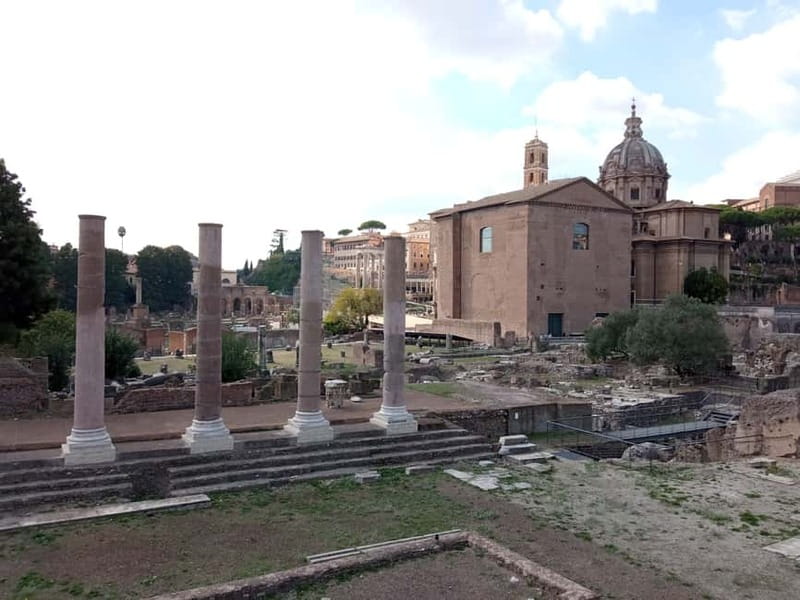
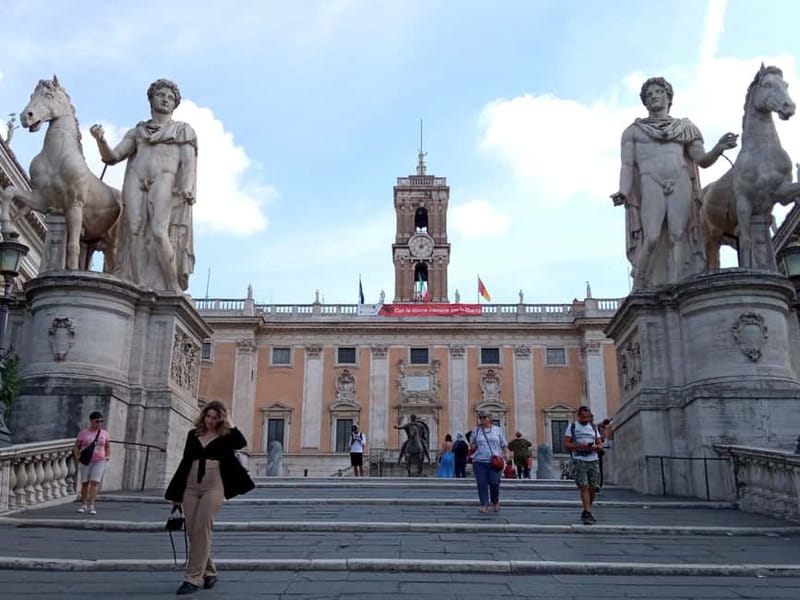
From the Forum zone, you head toward Piazza del Campidoglio (the Capitoline Hill area), spending about 30 minutes for guided touring and walking. This stop is valuable because it adds another viewpoint on governance and symbolism.
The Capitoline area often feels like the “control room” of Rome’s narrative. The guide’s art-historical framing helps you notice how Roman authority tried to be seen and felt—through urban planning, architectural presence, and the public choreography of monuments.
Even if you’re not going into buildings, your brain starts grouping what you see: Forum as civic center, Imperial Fora as power branding, and the Capitoline area as a statement of rule and legacy. That mental grouping is the real benefit of an archaeology-led walk.
Theatre of Marcellus finale: the archaeology close-up you can stand on
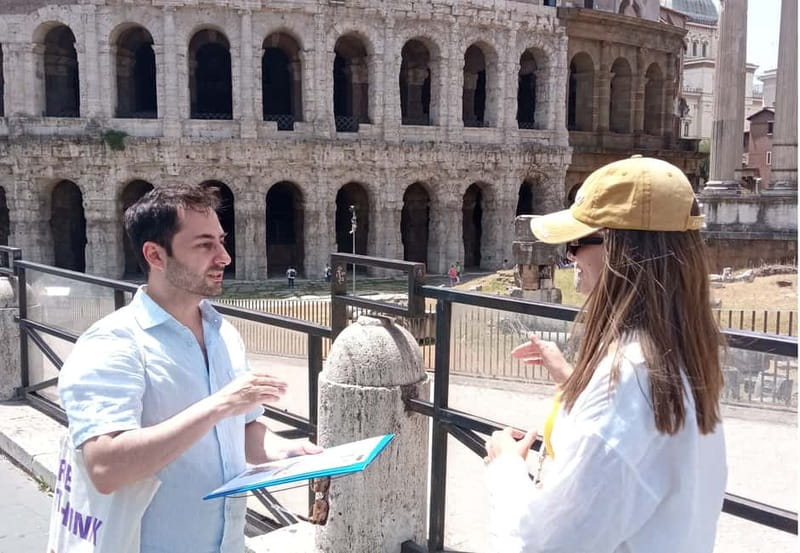
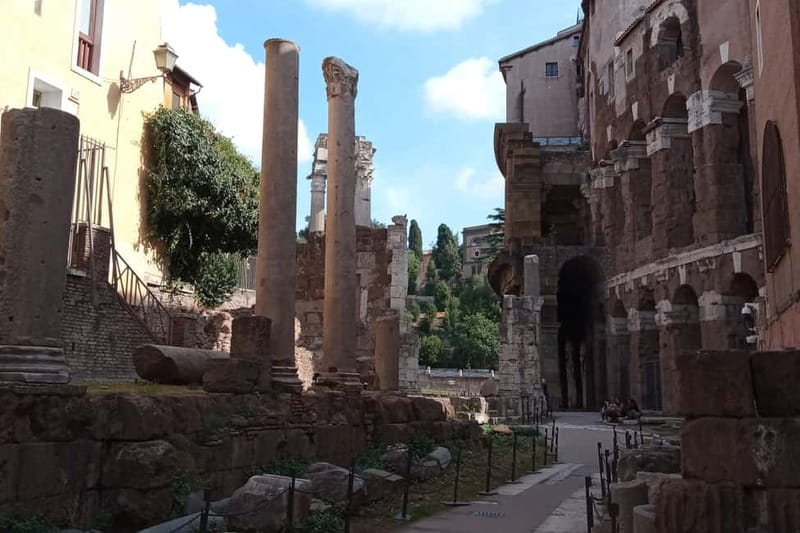
The tour ends at the archaeological area of the Theatre of Marcellus, with guided sightseeing and walking. This is where you get the full “archaeology on the ground” effect, because you finish in a space that reads like a studied site rather than just an isolated landmark.
Nearby you’ll also see context for the Temple of Apollo and the Porticus of Octavia. The stop feels like a thoughtful capstone because it ties back to the central idea of the tour: monuments aren’t simply old. They’re evidence of Rome’s development, and of how each era left marks on the city.
The tour also mentions moving through the archaeological area that connects to the zone of the former Jewish Ghetto. That historical layer matters. It reminds you that Rome is not only “Ancient Rome,” but also a city with more recent histories that shaped how the archaeological areas exist and are interpreted today.
Best way to enjoy the ending
Take your time at the final stop. If you rush the last segment, you miss the point: finishing here is meant to turn your understanding into a coherent story, not just a list of sites.
What you won’t get, and how to plan around it
This tour is built for context without tickets. That’s a clear trade-off, and it can be a great one if you plan well.
You won’t be doing interior access to the Colosseum, Forum structures, or other monuments. Instead, you’re paying for guided exterior analysis, archaeology-based explanations, and a tight route connecting multiple major sites.
If you want the full “walk inside and feel it” version of Rome’s landmarks, you’ll want to book a separate entry-focused visit later. Think of this tour as the brain upgrade that makes those tickets more meaningful.
If you don’t care about inside access and want the best use of a couple hours, this is strong value. You’re getting several major stops in one outing without ticket complexity.
Value for money: why $36.08 makes sense here
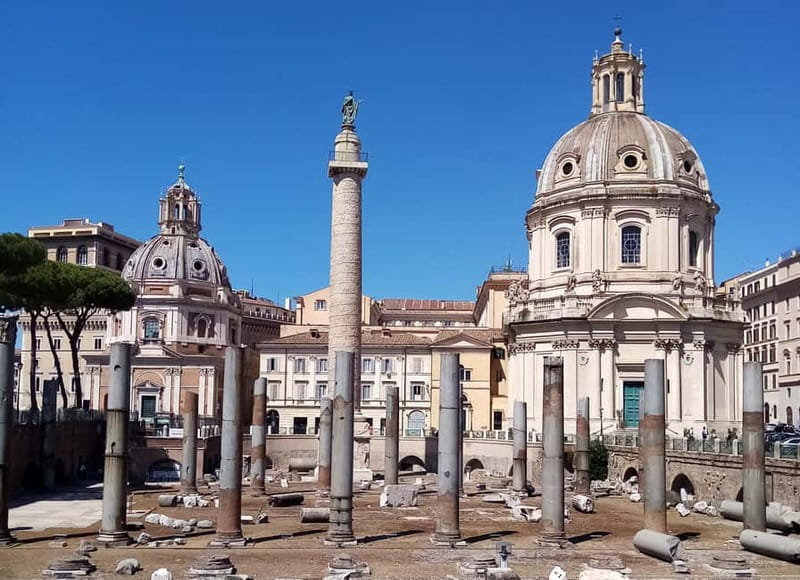
At about $36.08 per person for a 2.5-hour small-group experience, you’re paying for a guide, time on foot, and guided interpretation across multiple landmark zones. For Rome, that’s a fair setup because you’re not only seeing one monument. You’re linking the Colosseum, Imperial Fora, and Roman Forum into one narrative.
The small group size (up to 6) also supports the value. Fewer people means you can actually follow the explanation, ask questions, and keep pace without the whole group shuffling along like a school bus.
The best “value move” is booking this early in your Rome days. If you do it on day one or two, your later self-guided walks will feel easier. You’ll notice details and read the city faster.
Who this Ancient Rome archaeology walk is for
This tour fits best if you want a clear, guided story rather than a checklist. It’s especially good for:
- First-time Rome visitors who want the big monuments connected by a timeline
- People who like understanding how buildings evolved, not just what they look like
- Anyone who prefers a light walking pace suitable for all ages
- Travelers who’d rather spend money on interpretation than on multiple tickets
It may be less ideal if you already know Roman archaeology well and want hands-on museum-style content, or if you specifically want inside access at the Colosseum and other monuments.
Should you book this tour
Book it if you want Rome to make sense quickly. The route is structured to move you through the monuments in a way that supports archaeology-led understanding, and the ending at the Theatre of Marcellus area gives you a satisfying finish that feels connected to the city’s later layers too.
Skip it or add another ticketed option if your top priority is interior access. This tour is designed for exterior viewing and guided interpretation, not for climbing through restricted or ticketed spaces.
If you can match your expectations to that style, this is a very solid way to spend 2.5 hours in Rome.
FAQ
How long is the Ancient Rome with Archaeology small-group tour?
It lasts about 2.5 hours.
What is the price per person?
The price is $36.08 per person.
Where do we meet for the tour?
You meet right in front of the Fountain of the Turtles at Piazza Mattei, 1.
Where does the tour end?
The activity ends back at the meeting point.
Which sites are included on the route?
You’ll see the Colosseum, the Imperial Fora, the Roman Forum, the Capitoline area (Piazza del Campidoglio), and finish at the archaeological area of the Theatre of Marcellus, including the Temple of Apollo and Porticus of Octavia.
Does the tour include tickets or entry inside the monuments?
No. The experience does not include going inside the monuments or tickets for them.
What languages is the live guide available in?
The guide offers tours in Portuguese and English.
Is the tour wheelchair accessible, and is it strenuous?
Yes, it is wheelchair accessible. It’s described as a light walking tour that does not require effort.
Can I cancel for a full refund, and is pay later available?
Yes. You can cancel up to 24 hours in advance for a full refund. It also offers reserve now & pay later, meaning you can book your spot and pay nothing today.