REVIEW · ROME
Rome: Castle Sant’Angelo Ticket w/ audioguide option
Book on GetYourGuide →Operated by REAL BARCELONA TOURS, S.L · Bookable on GetYourGuide
Castel Sant’Angelo feels like a time machine. You get a skip-the-line entrance, then wander through a former Roman emperor tomb turned papal fortress, prison, and execution site. And the best part comes at the end: the rooftop panoramic views over the Tiber and St. Peter’s dome.
I also like that this ticket is built for an own-pace visit. You’ll move through major highlights like the Papal Rooms and the Spiral staircase without being tethered to a loud group schedule. One caution: this experience isn’t suitable for people with mobility impairments or wheelchair users.
In This Review
- Key things to notice at Castel Sant’Angelo
- Why Castel Sant’Angelo hits harder than you expect
- Skip-the-line entry and a self-paced visit that works
- Inside the Papal Rooms and the Spiral staircase
- Hadrian’s ashes and the prison chapter you can’t skip
- Rooftop terrace views over Rome, the Tiber, and St. Peter’s Dome
- Audioguide option: when it’s worth the add-on
- Price and value: is $30 a good deal?
- Practical tips before you go (so the visit stays smooth)
- Who should book this Castel Sant’Angelo ticket?
- Should you book this Rome Castle Sant’Angelo ticket?
- FAQ
- Is this a skip-the-line ticket?
- Does the ticket include a live guide?
- Is an audioguide available?
- How long is the ticket valid?
- Where do I meet the team?
- What do I need to bring?
- What items are not allowed inside?
- Is it wheelchair accessible?
- How much does it cost?
Key things to notice at Castel Sant’Angelo
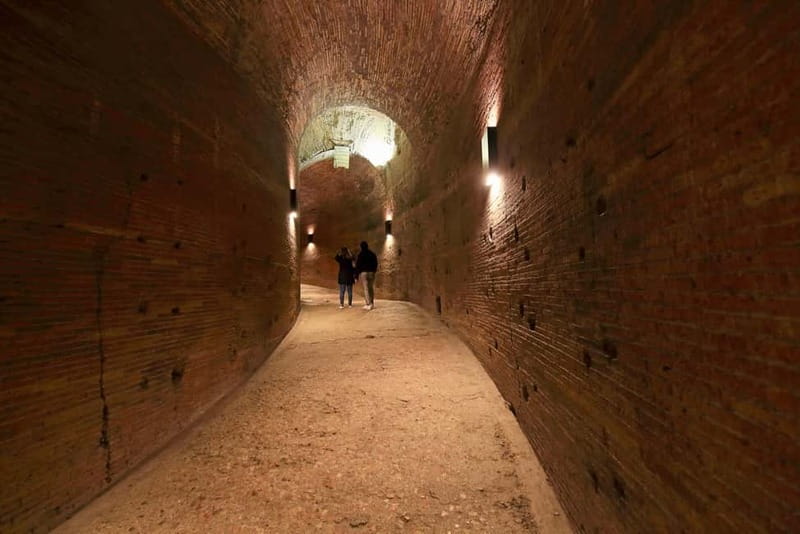
- Skip-the-line, separate entrance helps you start seeing things faster
- Hadrian’s ashes room ties the castle back to its Roman origins
- Papal fortress + prison story includes famous prisoners like Benvenuto Cellini and Cagliostro
- Secret Vatican connection is part of why this site became so cinematic
- Rooftop terrace delivers a wide view of Rome, the Tiber, and St. Peter’s Dome
- Optional audioguide lets you choose between a simple self-guided stroll and extra narration
Why Castel Sant’Angelo hits harder than you expect
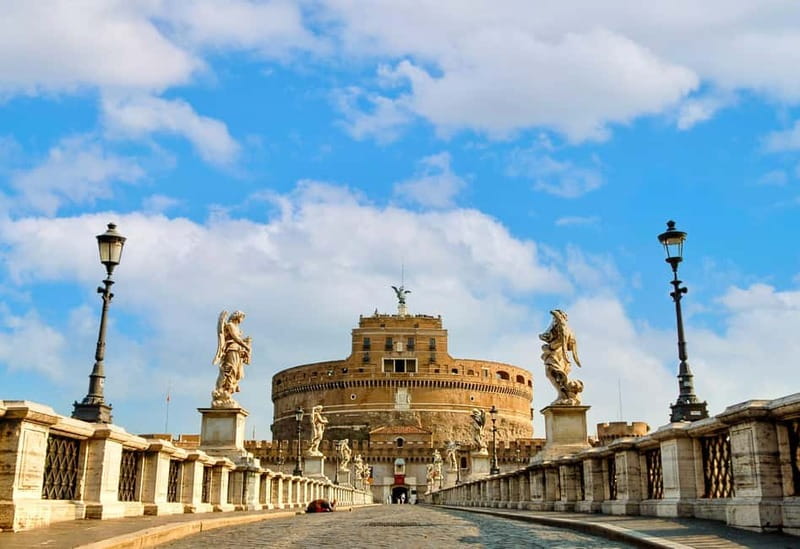
Castel Sant’Angelo is one of those Rome stops where the building keeps changing roles. It starts in ancient Rome as Hadrian’s Roman emperor tomb. The ashes of Emperor Hadrian have been kept inside since the 2nd century A.D. (yes, that’s the part that makes it more than just a castle with views).
Then the story flips. In the Early Renaissance, it became a papal fortress—plus a prison and an execution site. That mix matters because you can literally see why the place feels intense. It’s built like a fortress, but it also carries the gravity of punishment and secrecy.
And there’s a political and spooky angle you’ll learn as you move through the spaces. The castle has a secret walkway connected with the Vatican Palace, said to have inspired the Angels and Demons movie story. The idea is that popes used the passage when danger was near. So you’re not just walking through rooms—you’re tracing a route that connects two of the most powerful institutions in the city.
If you like landmarks that tell layered stories (Roman empire to papal control to modern tourism), Castel Sant’Angelo is a strong pick. You’ll come for the big sights, but you’ll probably remember the turning points: tomb, fortress, prison, and then that rooftop reveal.
You can also read our reviews of more tours and experiences in Rome


Skip-the-line entry and a self-paced visit that works
This ticket is designed to reduce your biggest enemy in Rome: wasted time. The point is straightforward—skip-the-line entrance through a separate entrance—so you can spend your limited visit window actually inside the castle.
Your ticket is valid for 1 hour, and you should check available starting times before you commit. That’s not a long time for an entire monument, so plan to use the hour with focus: hit the must-sees, then slow down in whatever rooms feel most interesting to you. The structure supports that. There’s no live guide included, so you’re free to move at your own pace.
That self-paced style is a big deal if you’re traveling with people who get tired easily. One helpful detail from a prior visitor’s experience: they bought tickets ahead of time and appreciated the option to take breaks. If you’ve got older relatives or you just know you’ll pause for photos and resting stops, this setup can make the visit feel far less stressful.
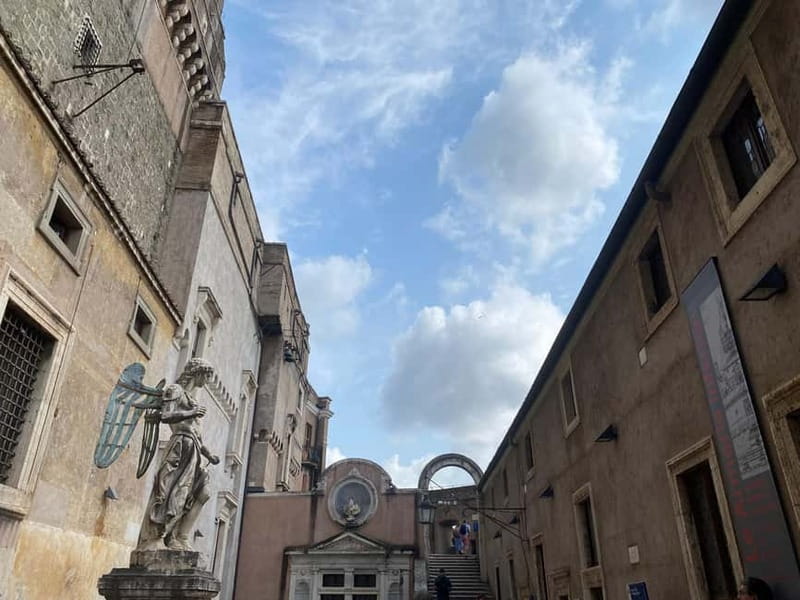
Logistics are simple once you’re there. You’ll meet a team member right in front of the entrance near the Angel Statue. Look for staff wearing a light blue jacket or T-shirt. When your timed entry ends, the activity finishes back at the meeting point.
Inside the Papal Rooms and the Spiral staircase
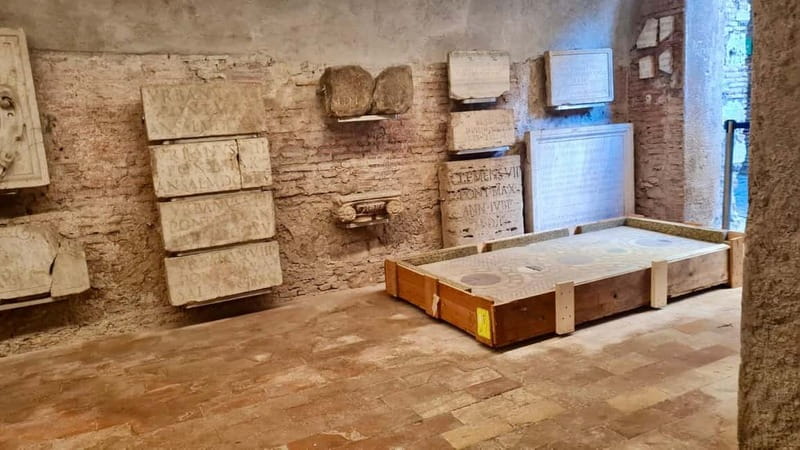
Once you enter, the visit follows a clear flow. You’ll explore the Papal Rooms at your own pace. These spaces are where the castle’s shift from Roman tomb to papal fortress becomes tangible. The “why” behind the building is different now—less about emperors and more about power held by the church and the security that came with it.
Then you’ll reach the Spiral staircase. It’s a classic castle element, and it’s one of those sections you feel in your body. Expect stairs and tight turns. Even if you’re comfortable climbing, it helps to pace yourself—especially if you plan to stop for photos. This is also where your one-hour ticket can start to feel tight if you linger too long without deciding what’s next.
A useful tip for timing: treat the staircase as your checkpoint. Once you’ve climbed it, you’re already halfway into the “big reveal” portion of the visit, including Hadrian’s ashes area and the rooftop.
And don’t ignore the emotional tone of what you’re moving through. This isn’t a cheerful museum. Even without a live guide narrating every detail, the building’s purpose comes through. You go from papal spaces into a place that later served as a prison—so the architecture and atmosphere shift as you travel deeper into the site.
Hadrian’s ashes and the prison chapter you can’t skip
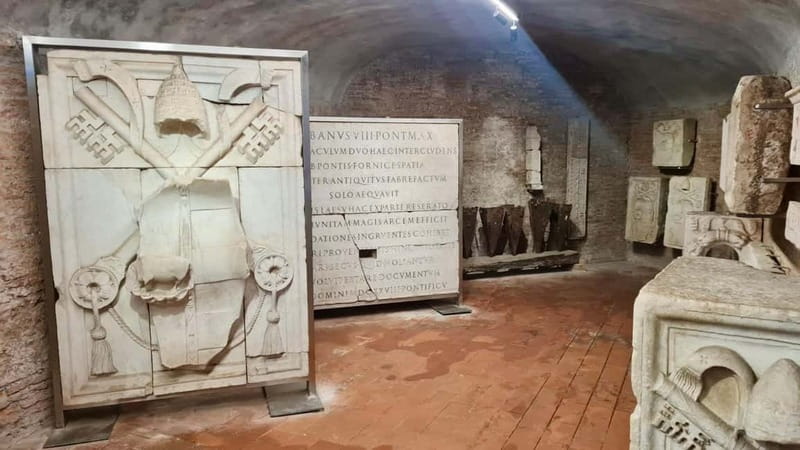
One highlight you’ll want to prioritize is the Room of the ashes of Hadrian’s Emperor. This is the link back to the original reason Castel Sant’Angelo was built: Hadrian’s tomb. Standing inside a space tied to the ashes of an emperor makes the whole site click. The castle doesn’t just look old—it has an origin story rooted in the 2nd century A.D.
From there, the castle’s darker identity comes forward. Castel Sant’Angelo became a papal fortress, prison, and execution site. The prison chapter is a big part of why people find this monument so memorable. And it’s not vague. You’ll hear about famous prisoners who were held there, including the goldsmith Benvenuto Cellini and the charlatan Cagliostro.
That specific name detail matters. When a site gives you recognizable historical figures, it helps your brain organize the experience. You’re not just moving through rooms with generic “history vibes.” You’re walking through a place connected to real stories—some tied to craft and reputation, others tied to notoriety.
If you’re the type who likes to understand a place through its people, Castel Sant’Angelo is a good match. You can also pair this with your own background reading before you go, then let the rooms confirm what you learned.
Rooftop terrace views over Rome, the Tiber, and St. Peter’s Dome
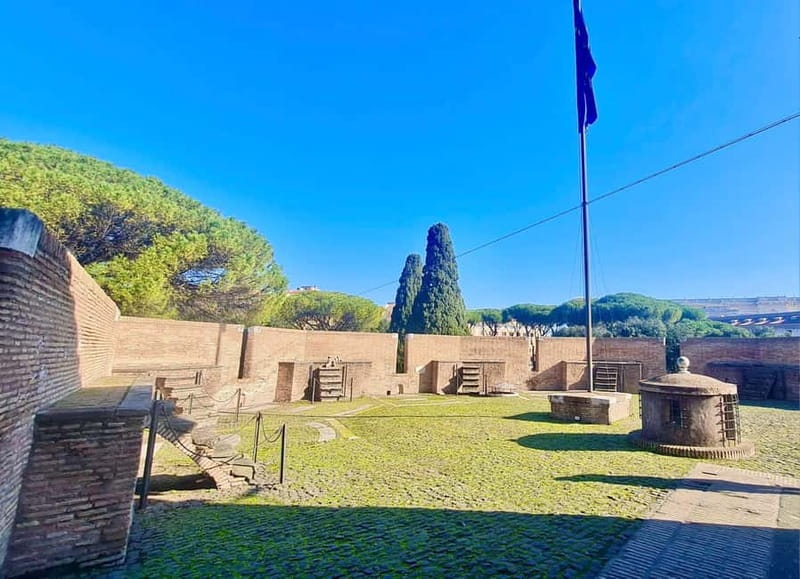
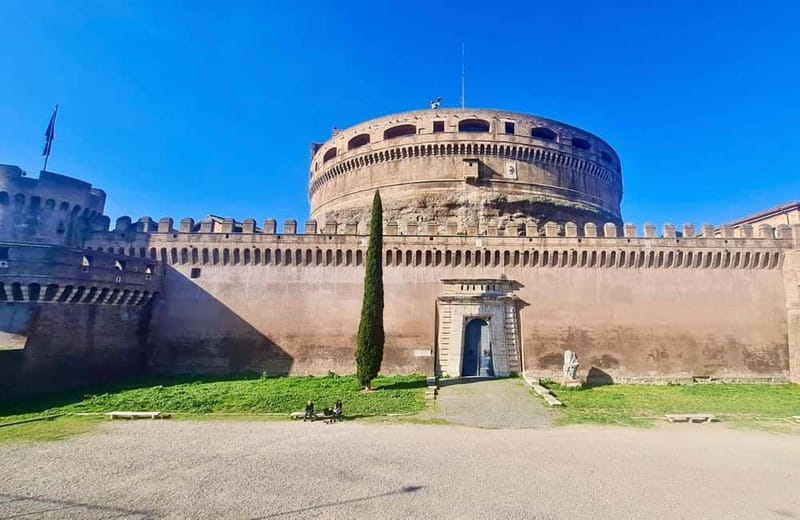
At some point, you’ll reach the part that makes almost everyone stop for longer than planned: the rooftop. The castle’s terrace gives panoramic views of Rome, the Tiber, and St. Peter’s Dome.
This view is more than a photo op. Castel Sant’Angelo sits in a strategic position, so the rooftop helps you understand the site’s purpose—why it mattered, and why control of that area would matter to both Roman and papal power. From above, you see the city layout and the river corridor that helps define Rome’s geography.
Practical advice: bring some patience for photos. Rome rooftops can be popular, and this one rewards you with big visual payoff. If your hour is running out, don’t wait until the last minute to go up. Plan it so you still have time to enjoy the view without rushing.
Also, if you’re sensitive to heights or tight passageways, pace yourself on the way up and down. The rooftop is the reward, but the route there includes that earlier Spiral staircase segment.





Audioguide option: when it’s worth the add-on
The ticket includes skip-the-line entry, but it does not include a live guide. Audioguide is optional, and it’s available in English, French, Italian, Spanish (with other languages listed for the broader offering).
So the real question is: do you want extra narration while you wander?
If you prefer a simple visit where you focus on atmosphere, you can skip the audioguide and still get plenty from the rooms you’ll enter: Papal Rooms, Hadrian’s ashes area, and rooftop views. The castle’s physical storytelling is strong.
If you like context—dates, what happened where, and the meaning behind the spaces—an audioguide can help you feel less like you’re moving through labels. You’ll also be able to follow the “tomb to fortress to prison” transformation more clearly. It’s especially useful for making sense of the secret walkway connection with the Vatican (the story tied to Angels and Demons), and for understanding why certain spaces were used the way they were.
My rule: if you tend to read every sign at a site, the audioguide is usually worth it. If you mostly like scenery and don’t mind filling in details later, you can do the self-guided version and still have a great time.
Price and value: is $30 a good deal?
At about $30 per person, the value here is mostly about time savings and a clear set of highlights. You’re paying for a fast start (skip the line) and a self-paced visit format that hits the castle’s key spaces within a 1-hour window.
That’s the tradeoff. Because your time is limited, it’s not ideal if you want a super slow, all-day deep exploration. But if you’re doing other sights in Rome on the same trip, this fits nicely. It’s also good value for families or mixed-age groups because the pace is yours—so you can take breaks and keep the visit from becoming exhausting.
Another value point: the ticket includes the major “must-see” areas you’d likely pay to prioritize anyway—pacing through Papal Rooms, the Spiral staircase experience, the room tied to Hadrian’s ashes, and the rooftop terrace.
If you’re the type who hates standing in lines, skip-the-line tickets tend to feel like money well spent. If you’re comfortable with crowds and you can handle waiting, you might compare options. But given how time-sensitive Rome days can be, I’d still call this a practical choice.
Practical tips before you go (so the visit stays smooth)

To keep your entry trouble-free, bring a passport or ID card. The castle also has rules on what you can bring inside: weapons or sharp objects are not allowed, baby strollers aren’t allowed, and large luggage or bags aren’t allowed. Pets aren’t allowed either, though assistance dogs are allowed.
Dress and comfort matter more than you might think here. The route includes stairs, including the Spiral staircase, and the experience isn’t listed as suitable for wheelchair users or people with mobility impairments. If that applies to you, you’ll want to skip this option and look for a different visit format.
Finally, don’t arrive wandering around without a plan. You’ll find the meeting team right in front of the entrance near the Angel Statue, and you should look for staff wearing a light blue jacket or T-shirt. After your time slot ends, you’ll return to the same meeting point area.
Who should book this Castel Sant’Angelo ticket?
Book it if you want:
- Skip-the-line access and a time-efficient visit
- A self-paced route through major highlights like Papal Rooms and the rooftop terrace
- Clear story anchors: Hadrian’s ashes room and major prisoner names like Benvenuto Cellini and Cagliostro
Consider skipping it (or choosing another plan) if:
- You use a wheelchair or have mobility limitations that make stairs a problem
- You want a long, slow guided tour that covers everything in depth over many hours
This ticket works especially well for couples, independent travelers, and families who want control over pace. If you like sites that mix Roman and papal eras into one building, Castel Sant’Angelo is a strong choice.
Should you book this Rome Castle Sant’Angelo ticket?
Yes—if your goal is a focused, high-impact Castel Sant’Angelo visit without wasting time in lines. The skip-the-line entry plus rooftop views gives you a lot of payoff for a relatively short window. If you also like historical context, add the audioguide so the tomb-to-fortress-to-prison transformation lands even better.
Just be realistic about one thing: your ticket window is 1 hour, and the route includes stairs. If you can handle that, you’re set up for a memorable Rome stop that combines big views with surprisingly dark, specific stories.
FAQ
Is this a skip-the-line ticket?
Yes. It includes Castel Sant’Angelo skip-the-line entry tickets through a separate entrance.
Does the ticket include a live guide?
No. A live guide is not included.
Is an audioguide available?
Yes. There is an optional audioguide (available in English, French, Italian, and Spanish).
How long is the ticket valid?
The ticket is valid for 1 hour. Starting times depend on availability.
Where do I meet the team?
Meet the team right in front of the entrance near the Angel Statue. They wear a light blue jacket or T-shirt.
What do I need to bring?
Bring a passport or ID card.
What items are not allowed inside?
Weapons or sharp objects aren’t allowed. Baby strollers, luggage or large bags, and pets are also not allowed (assistance dogs are allowed).
Is it wheelchair accessible?
No. It’s not suitable for wheelchair users or people with mobility impairments.
How much does it cost?
The price is listed as $30 per person.