REVIEW · ROME
Rome: Colosseum, Forum, and Palatine Hill Guided Tour
Book on GetYourGuide →Operated by italypasstours srl · Bookable on GetYourGuide
A short walk turns into a full Roman day. You’ll get swift entry to the Colosseum and then follow your guide through the Forum and up to Palatine Hill for big views and clearer context on daily life in ancient Rome. I like that the tour is built around the sites people actually want to see, not just a long slideshow, and I like that the guide connects the ruins to real human moments—public punishment, gladiator spectacle, and elite power.
One thing to watch: this is a 3-hour walking tour in a very uneven, very outdoor environment. It runs rain or shine, you’ll need comfortable shoes, and it’s not suitable for wheelchair users, visually impaired people, people over 80, or anyone with pre-existing medical conditions.
In This Review
- Key things to know before you go
- Meeting at the Arch of Constantine and Getting In Swiftly
- Colosseum First: First and Second Tiers Up Close
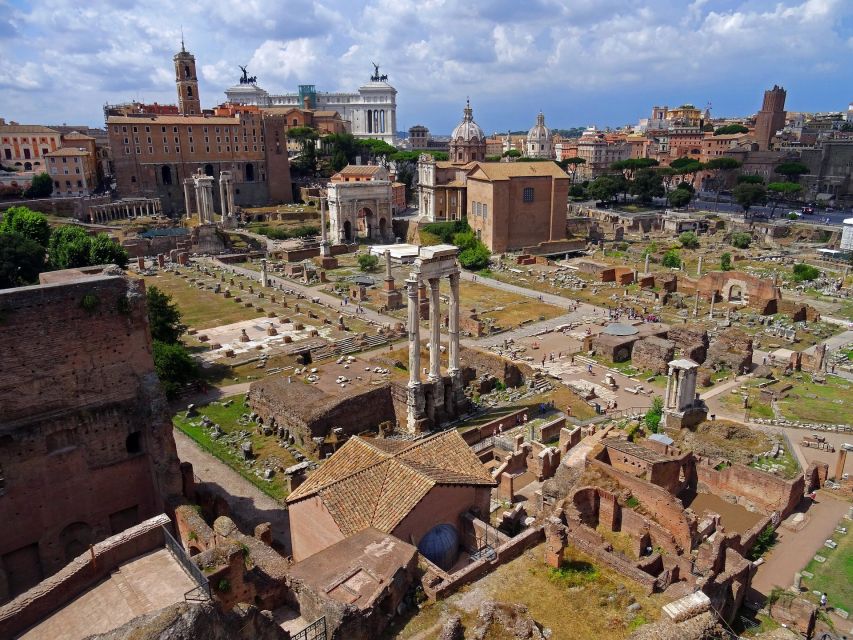
- Roman Forum Time: Government Buildings and Daily Life Context
- Palatine Hill: Views, Elite Ruins, and the Circus Maximus Angle
- How the Tour Pacing Uses Your 3 Hours
- Price and Value: Why $71 Can Make Sense
- Rules and Items: Small Things That Can Slow You Down
- Who This Tour Is Best For (and Who Should Skip It)
- Should You Book This Colosseum, Forum, and Palatine Tour?
- FAQ
- Where do we meet the guide?
- How long is the tour?
- What’s included in the price?
- Does this tour run in bad weather?
- What languages are offered for the guide?
- What should I bring?
- Is this tour wheelchair accessible?
Key things to know before you go
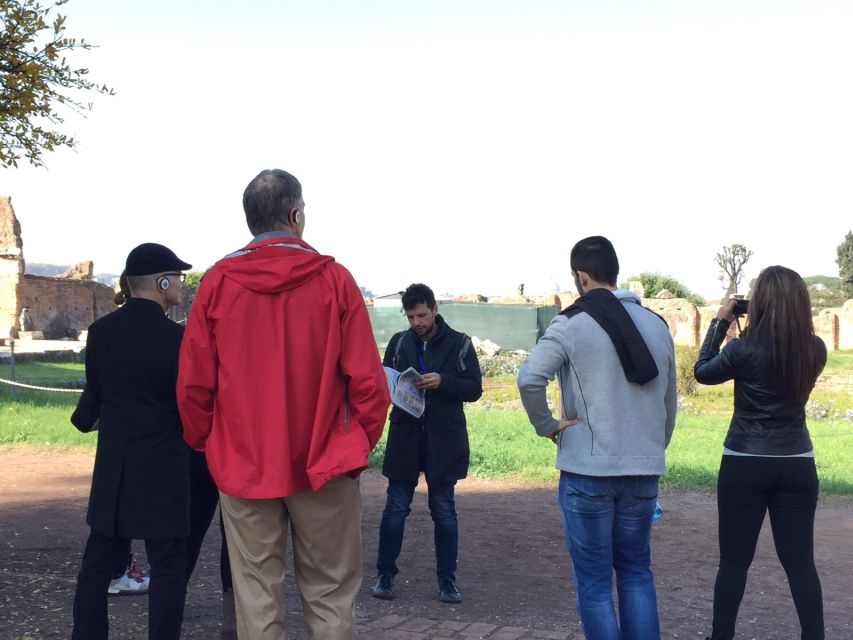
- Quick access to three major sites: Colosseum, Palatine Hill, and the Roman Forum, each with entry included.
- Security checkpoint on arrival: expect airport-style checks before you enter.
- Stories tied to what you see: the guide explains brutal events that once played out in the arena and how Roman government worked in the Forum.
- Palatine Hill’s height and views: it sits about 40 meters above the Forum and gives you perspectives like Circus Maximus.
- A tight time window: first and second tiers of the Colosseum plus guided blocks at both Palatine Hill and the Forum.
- Real-world risk with short notice changes: one review reported a last-minute cancellation issue, so plan with care.
Meeting at the Arch of Constantine and Getting In Swiftly
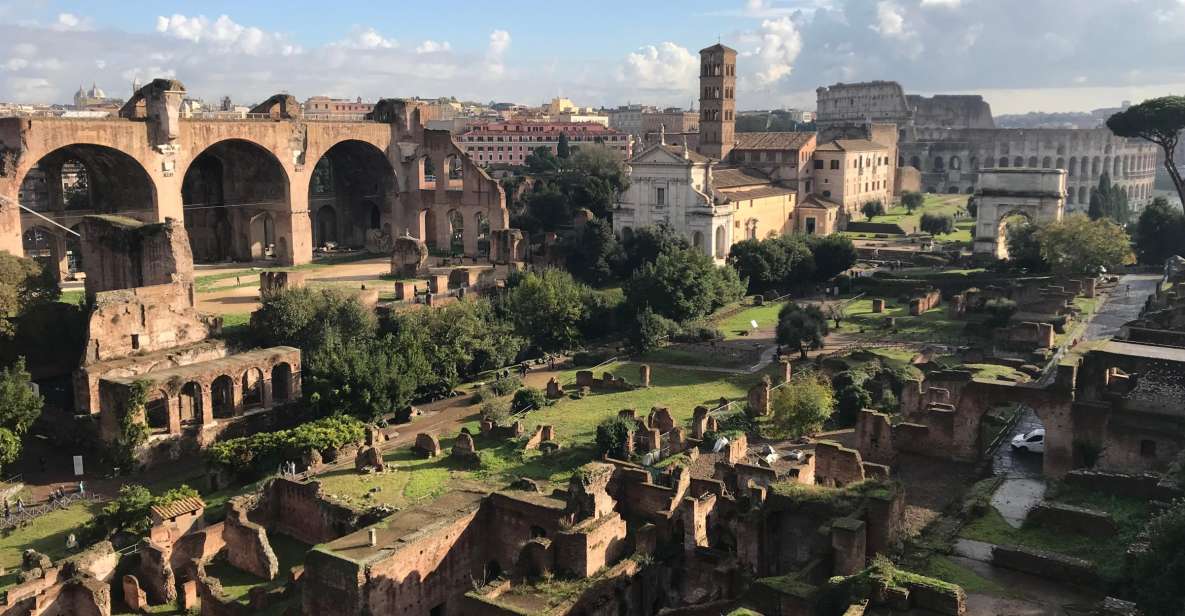
This tour starts at the Arch of Constantine, which is a smart choice because it puts you right near the Colosseum area. You meet your guide holding a flag with the provider logo (Italy pass), so you’re not wandering around trying to decode vague meeting notes.
The big practical win here is swift access. You still have to pass through airport-style security, but once you’re through, the tour is set up to keep you moving rather than burning your morning in a slow queue. If you’ve ever visited major sites in Rome, you know the day can disappear fast. Here, the pacing is designed to squeeze in three key stops while your attention is still fresh.
One more small detail that matters: you’ll want ID. A passport or ID card is required, and the site rules also ban weapons or sharp objects, plus alcohol/drugs. Even plastic bottles and glass objects are not allowed, so bring something you can drink from that fits the local rules (or be ready to buy once you’re past checks).
You can also read our reviews of more guided tours in Rome

Colosseum First: First and Second Tiers Up Close
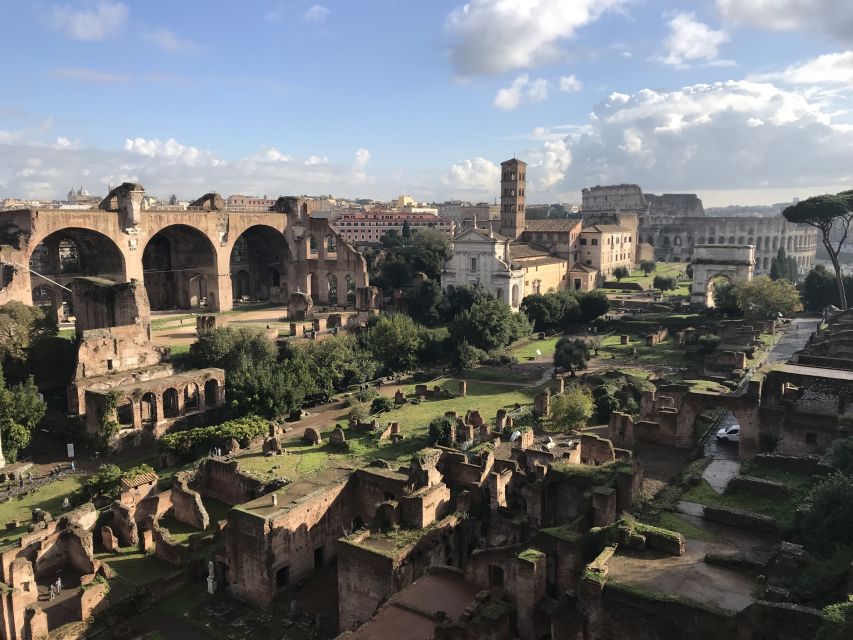
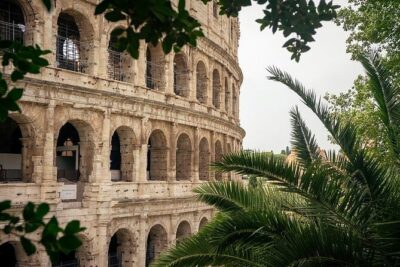
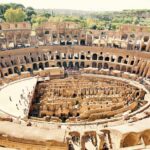
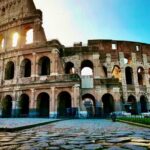
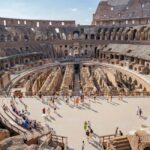
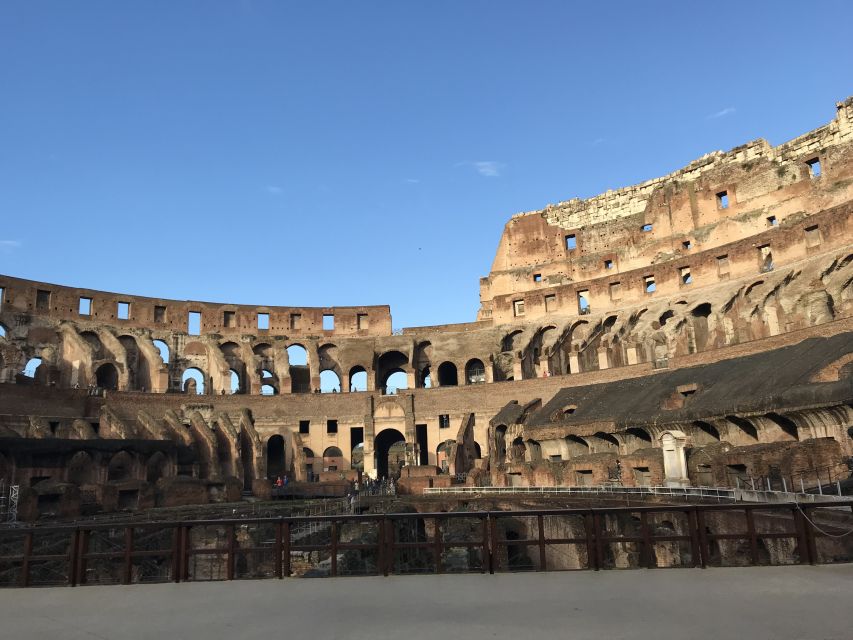
The Colosseum is the headliner, and this tour makes sure you see it in a way that feels immediate. You’ll start with a photo stop and then get a guided visit that includes the first and second tiers. That sounds technical, but it really changes how you experience the building. You’re not just looking at the outside mass—you’re getting a sense of scale and crowd levels, and you can better imagine how spectators would have filled the tiers.
You also get time for scenic photo moments on the way in. That matters because the Colosseum hits differently when you’re capturing your first perspective, then standing closer to pick up details like arches, sightlines, and the way the structure curves around the arena floor.
Here’s what I think makes the Colosseum portion worth your time: your guide connects the space to what happened there. The tour includes stories about executions and gory gladiator battles. I’d rather hear how the Romans used the arena to stage power and fear than just a dry list of dates and emperors. The guide’s job is to give you mental pictures—so when you look at seating tiers and passageways, you can picture people moving, shouting, and reacting.
Practical tip: wear shoes with grip. You’re on stone in a high-traffic monument, and there’s no point in slowing down because your feet are fighting you.
Roman Forum Time: Government Buildings and Daily Life Context
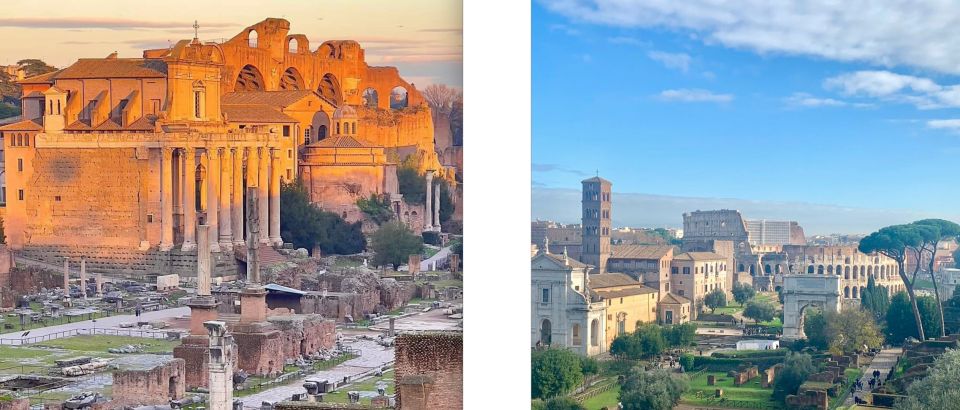
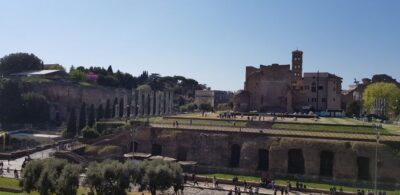
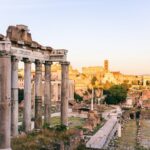
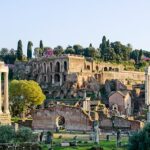
After the Colosseum, you move to the Roman Forum for about an hour of guided walking. The Forum can feel like a pile of ancient rocks if you don’t have context. The tour addresses that directly by pointing out important ancient Roman government buildings and explaining how the culture worked around civic life.
What’s valuable here is the shift from spectacle to structure. In the Colosseum, you’re thinking about public entertainment and intimidation. In the Forum, your brain has a new job: figuring out where politics happened, where decisions were made, and how people organized themselves as a society.
You’ll also get a photo stop along the way, which helps because the Forum is wide and visually busy. A quick photo break gives you an anchor point so the rest of the walk doesn’t blur together.
If you’re the kind of visitor who likes to leave with a clearer map in your head, the Forum portion is where that often happens. Even if you’ve read about Rome before, standing in this area with a guide can make the city’s priorities click: spectacle, yes—but governance and public life too.
Palatine Hill: Views, Elite Ruins, and the Circus Maximus Angle
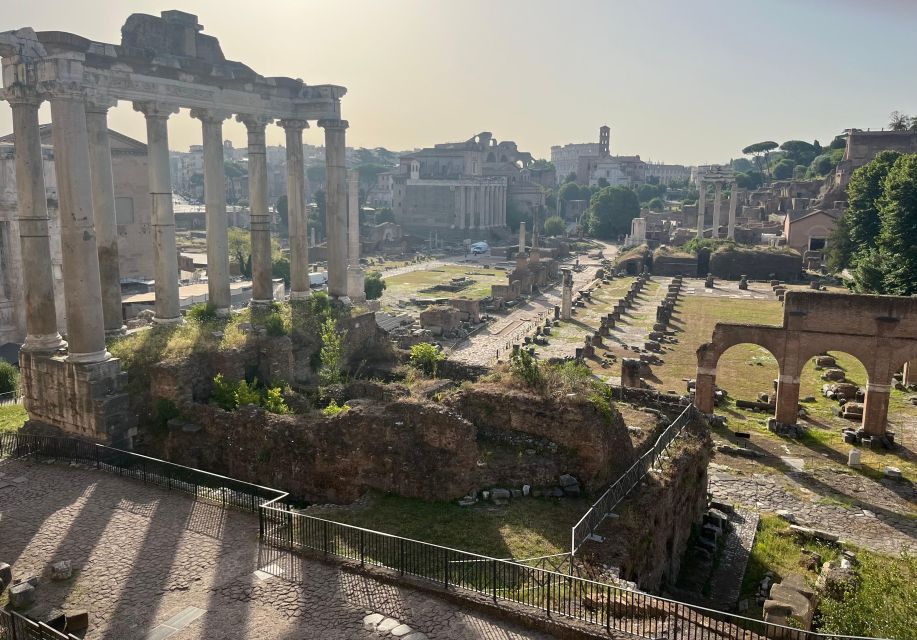
Then you climb up to Palatine Hill, one of Rome’s seven hills. The tour includes a guided visit there, and it’s timed so you get both ruins and views rather than just “more walking.”
A standout detail is the elevation: Palatine Hill is about 40 meters above the Roman Forum. That height changes everything. From up here, you can see how the Forum sat below and how power was literally placed above the crowd. It’s one of those moments where the city layout teaches you something without a lecture.
You’ll also get the viewpoint toward Circus Maximus. That’s a nice payoff because Circus Maximus is one of those famous places you’ve heard of, and seeing it from Palatine helps you understand why it mattered. You’re not just visiting ruins; you’re learning how Rome designed its attractions and movement.
On the ground, Palatine Hill includes remnants of palaces, temples, and gardens. The point of this stop isn’t to list architectural fragments—it’s to show the lifestyle of the Roman elite. Your guide helps connect the ruins to the kind of wealth and control that created them. Even without entering every structure, you’re walking through the area where that opulent daily life is imagined into shape.
Practical note: Palatine Hill is outdoors and uneven. If your knees don’t love stairs or slopes, go slow. The tour is only three hours total, so rushing can make it feel more stressful than it needs to be.
How the Tour Pacing Uses Your 3 Hours
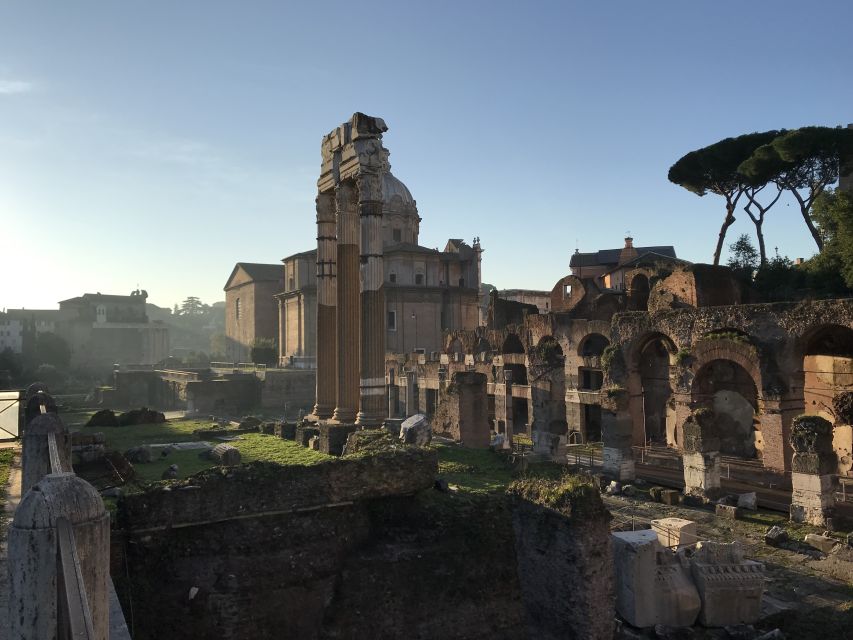
This experience is short by design: about three hours. That’s a good fit if Rome is stacked with other must-sees—Vatican plans, another neighborhood walk, or a long dinner that you don’t want to rush.
The tradeoff of a 3-hour format is coverage. You’ll see major highlights, but you’re not getting a museum-style “every detail” visit. Instead, you’re getting a sequence: Colosseum (arena spectacle), Forum (government and civic life), Palatine (elite power and views). That structure can actually be more satisfying than trying to do everything at once.
I also like that the tour includes multiple photo moments. Rome’s ancient sites can overwhelm your senses, especially if you’re moving fast between places. The built-in stops help you reset without losing the thread of the story.
Because the activity runs rain or shine, build your day with the assumption that you’ll be outdoors. A light layer helps even on mild days, because stone monuments and shade can feel cooler than you expect.
Price and Value: Why $71 Can Make Sense
At $71 per person for a 3-hour guided route, the key question is whether you’re paying for convenience or for something you’d miss on your own. Here, you’re paying for three things that are hard to replicate easily:
- Guided explanations while you’re inside three different historic zones
- Entry tickets included for the Colosseum, Palatine Hill, and the Roman Forum
- Swift access so your time doesn’t get eaten by waiting
If you compare that to the cost of just buying tickets and then trying to piece together the story yourself, this tour is more competitive than it looks. The included entry is especially helpful because it removes a planning step and reduces the chance of arriving at the wrong time or getting caught by timing issues.
Is it perfect value? It depends on how much you want context. If you love architecture and facts only, you might not feel the full benefit of the guide. But if you want the ruins to make sense—why the Forum mattered, why Palatine sits above, why the Colosseum was designed to control attention—then the guide component is the real value.
One more thing: you’ll see a wide range of ratings overall. One review highlighted a cancellation problem reported less than an hour before departure and dissatisfaction with the compensation offered afterward. That doesn’t mean it’s the norm, but it’s a reminder to keep your schedule flexible and have a Plan B if the tour is tied to a critical day/time.
Rules and Items: Small Things That Can Slow You Down
Rome sites have rules, and this one includes a few you should take seriously before you arrive. You can’t bring weapons or sharp objects, and alcohol/drugs are obviously not allowed. The tour also bans plastic bottles and glass objects. That surprises some people, but it’s common on controlled-site security lines.
You’ll want comfortable clothes and comfortable shoes. The walking is short, but the ground can be tricky and the surfaces are outdoors. Also, bring a passport or ID card since it’s required.
If you show up without thinking, you might lose time to security or having to deal with items you can’t bring in. If you show up prepared, you’ll move through checks with less stress.
Who This Tour Is Best For (and Who Should Skip It)
This tour is a strong match for you if you want the “big three” of ancient Rome—Colosseum, Forum, Palatine Hill—in a guided format without spending half a day coordinating. It’s also a good choice if you enjoy learning through storytelling because the guide includes dramatic context about the arena and connects elite life and government structure to what you’re walking past.
It’s not suitable for several groups, including wheelchair users, visually impaired people, people over 80, and anyone with pre-existing medical conditions. The reason is simple: it’s walking-heavy and outdoors, with security steps and uneven terrain. If any of those constraints apply, you’ll likely have a rougher time than you want on a limited vacation.
If you’re traveling with tight timing—like you only have one morning or early afternoon to do the essentials—this format fits well. If you have unlimited time and prefer slow independent wandering, you might choose a self-guided route so you can linger longer in the spots that grab you.
Should You Book This Colosseum, Forum, and Palatine Tour?
I’d book it if you want a focused, story-led introduction to Rome’s most famous ancient spaces, and you’re interested in understanding how spectacle, government, and elite life fit together. The best part is the sequence: you start at the Colosseum and then your mind naturally moves toward the Forum and up to Palatine, where the city’s power structure becomes easier to imagine.
Skip it or think twice if you have mobility or health constraints, because the tour is not designed for accessibility needs. Also, because one review raised a last-minute cancellation issue, it’s smart to avoid scheduling this as the only plan for a critical event date. Keep your day flexible, especially if your trip schedule is tight.
If you want a practical way to get oriented fast and leave with clearer mental pictures, this tour is a solid value at $71, especially with entry included and the guided explanations doing the heavy lifting for you.
FAQ
Where do we meet the guide?
You meet your guide at the Arch of Constantine. Your guide will be holding a flag with the activity provider logo (Italy pass).
How long is the tour?
The tour lasts about 3 hours.
What’s included in the price?
The tour includes a live guide, entry tickets to the Colosseum, entry tickets to Palatine Hill, and entry tickets to the Roman Forum.
Does this tour run in bad weather?
Yes. The tour takes place rain or shine.
What languages are offered for the guide?
The live tour guide is available in Italian, English, French, German, and Spanish.
What should I bring?
Bring a passport or ID card, and wear comfortable shoes and comfortable clothes.
Is this tour wheelchair accessible?
No. It is not suitable for wheelchair users, and it’s also listed as not suitable for visually impaired people, people over 80, or people with pre-existing medical conditions.