REVIEW · ROME
Rome: The Four Seasons by Vivaldi
Book on GetYourGuide →Operated by Opera e Lirica srl · Bookable on GetYourGuide
Vivaldi turns Rome into sound. This 80-minute concert experience brings Italian Baroque music to life with a stop that gives you an eye-level break on the Trevi Fountain area.
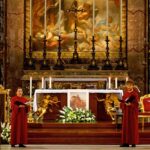
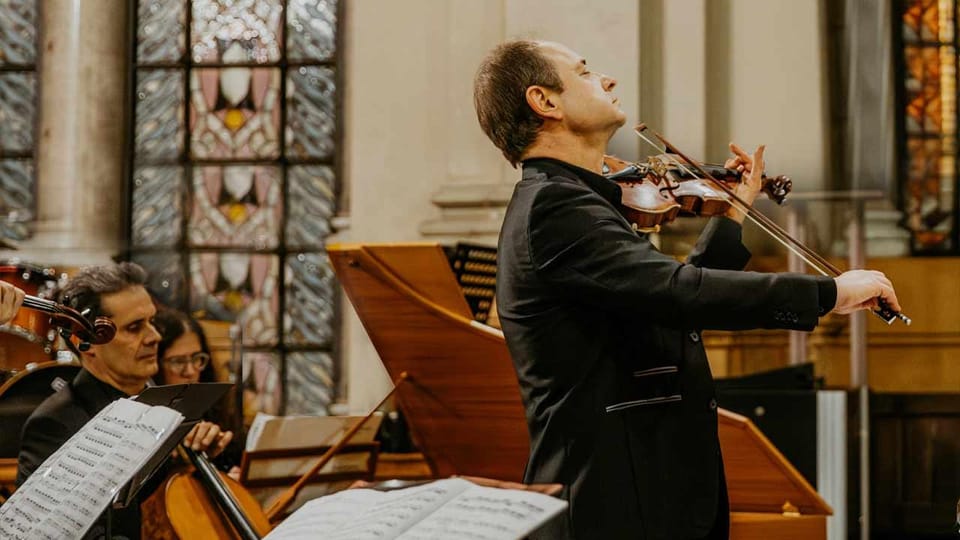
I especially like the hands-on intensity of the performance with violin soloist and conductor Elvin Dhimitri, and I love the added color from the harpsichord.
One thing to weigh: seating isn’t assigned, and the indoor space can run hot or chilly depending on where the evening lands.
In This Review
- Key highlights you’ll remember
- Why this Vivaldi experience in Rome feels personal
- Mapping the night: church meeting, Palazzo Poli view, and Horti Sallustiani
- 1) Start at Chiesa Evangelica Metodista
- 2) Take in the Trevi Fountain moment from Sala Dante (Palazzo Poli)
- 3) The concert slot at Horti Sallustiani
- The music: how the seasons get painted in sound
- Spring, Summer, Autumn, Winter
- An extra appetizer before the seasons
- Elvin Dhimitri and the Opera e Lirica sound
- Where the view meets the sound (Trevi timing tip included)
- Price and value: what you’re really paying for
- Comfort and logistics: seating, sightlines, and room conditions
- Seats are first come, first served
- Lighting and temperature can affect your enjoyment
- Breathing space
- Who this concert suits best (and who might want a backup plan)
- Should you book this Four Seasons performance?
- FAQ
- Where is the meeting point for this experience?
- How long is the concert?
- Who performs The Four Seasons?
- What music will I hear?
- Will I get a view of Trevi Fountain?
- Are seats numbered?
- Is the venue wheelchair accessible?
- Are there different concert times?
- Can I cancel for a refund?
- What is included in the price?
Key highlights you’ll remember
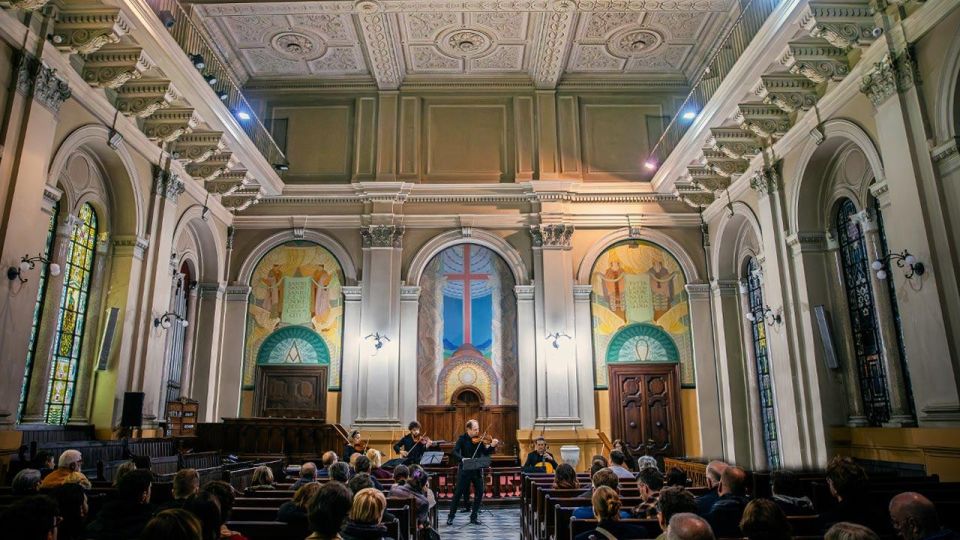
- Elvin Dhimitri leads (and conducts) for a focused, energetic Four Seasons
- Harpsichord + strings give the music a sharper, more “picture-in-sound” feel
- Trevi Fountain overlook from Sala Dante at Palazzo Poli is a standout moment
- Small-venue sound tends to be clear, close, and emotionally direct
- Unnumbered seating means arriving a bit early matters for your sightline
- Two show times are offered at the Horti Sallustiani slot (7:00 pm and 9:00 pm)
Why this Vivaldi experience in Rome feels personal
If you’ve ever heard The Four Seasons on a phone speaker, you already know what it lacks: space, air, and those tiny rhythmic details that make Vivaldi sound like he’s watching the weather change. In Rome, this performance turns the score into something you can almost see with your eyes.
The biggest reason I’d recommend it is the combo of music + place. You get the Italian Baroque approach (bright contrasts, fast energy, dramatic shifts) and then you’re given a visual pause that’s directly tied to one of Rome’s most iconic sights. Even the price point makes sense here: at about $35 per person for roughly 80 minutes, you’re not paying for a giant production. You’re paying for talented musicians in a setting that stays close to the sound.
The other reason I think this works is the cast. You’re not just hearing strings in the abstract. Elvin Dhimitri is the first violin and conductor, so the performance has a strong center of gravity, not just background accompaniment.
You can also read our reviews of more tours and experiences in Rome.



Mapping the night: church meeting, Palazzo Poli view, and Horti Sallustiani
This is set up around three key locations, and the order matters for your expectations.
1) Start at Chiesa Evangelica Metodista
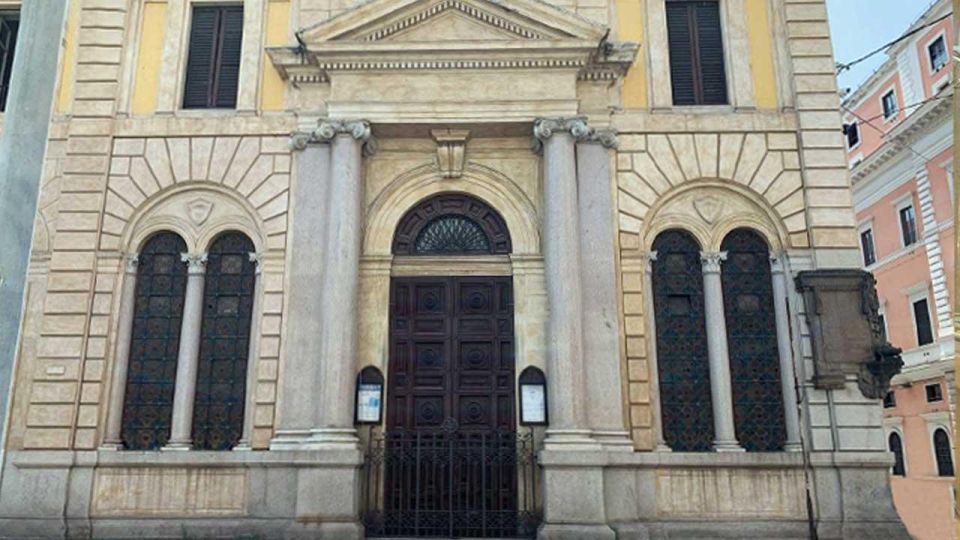
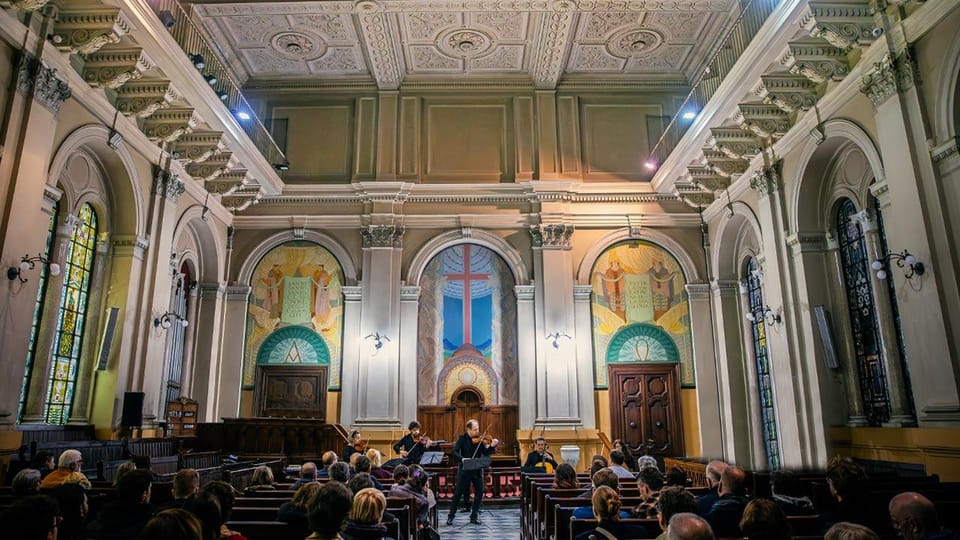
You meet at Chiesa Evangelica Metodista, Via XX Settembre 122c. This is where the evening begins, and it’s also part of why the whole event can feel intimate. Smaller rooms in Rome can make the music feel immediate, like the musicians are playing for you, not for a thousand seats.
One practical note: if you’re sensitive to temperature, plan for it. People have described the space as can-be-chilly, but also at times warm and close. Bring a layer you can peel on and off.
2) Take in the Trevi Fountain moment from Sala Dante (Palazzo Poli)
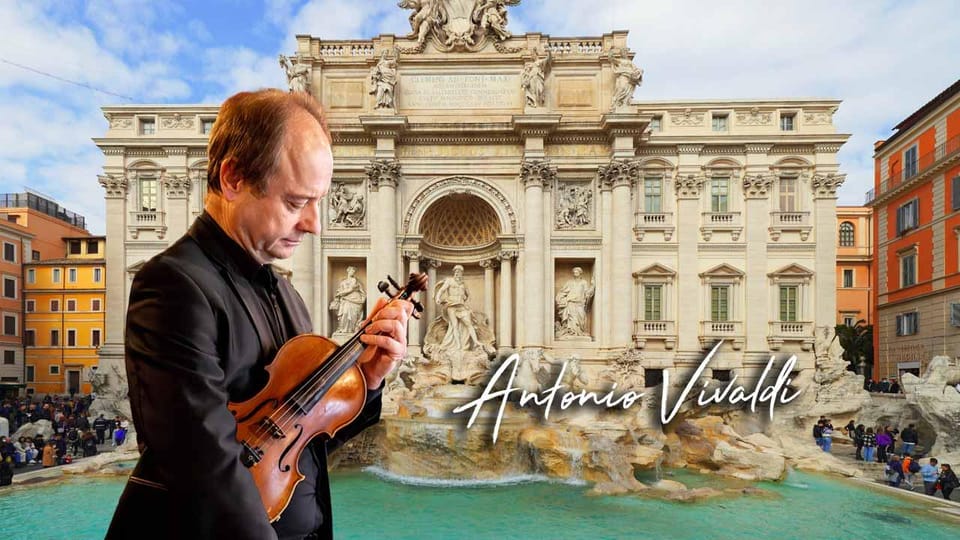
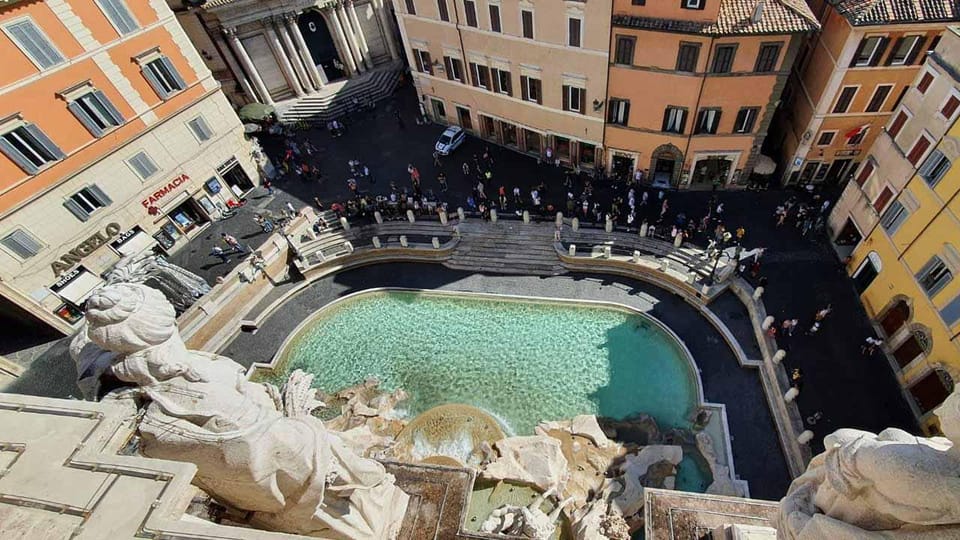
You’ll also spend time at Sala Dante of Palazzo Poli, Via Poli 54, where you can overlook Trevi Fountain. This is the “only-in-Rome” kind of stop: your concert evening isn’t just inside a venue, it has a view that connects the music to the city’s drama and spectacle.
What I like about this break is that it’s not a generic photo stop. It’s built into the experience. You’re not rushing across town mid-trip. You’re seeing the city from a more unusual angle, and then returning to music right after.
3) The concert slot at Horti Sallustiani
The experience also lists Horti Sallustiani, Piazza Sallustio 21, with a double concert: one at 7:00 pm and another at 9:00 pm. That means you can choose the timing that best fits your evening plans, whether you’re doing an early dinner or stretching out the night.
Here’s the balanced caution: venue conditions can vary by slot and setup. Some people have talked about lighting not being super soft and the atmosphere feeling a bit warm. That doesn’t mean it’s bad—it just means you’ll enjoy it more if you’re prepared.





The music: how the seasons get painted in sound
This is not a random “Vivaldi greatest hits” sampler. You’re set up to hear The Four Seasons as a full experience, with separate concert sections for each season.
Spring, Summer, Autumn, Winter
You’ll hear Vivaldi’s movements for each season, including the famous contrasts that make the music so vivid:
- Spring (Concerto No. 1, RV 269): typically starts with an energetic Allegro, shifts to Largo, then returns to a lively Allegro (often described as Pastorale dance energy).
- Summer (Concerto No. 2, RV 315): includes fast passages plus a storm section feel, with dramatic tempo shifts.
- Autumn (Concerto No. 3, RV 293): starts with Allegro that keeps a peasant-dance pulse, then moves into slower, heavier mood and ends with more hunting energy.
- Winter (Concerto No. 4, RV 297): opens with a brisk Allegro, slows down, then returns with a final Allegro that gives that biting, restless feeling.
Even if you don’t know the classical terms, you’ll recognize what’s happening. Vivaldi wrote these as scenes: birds and spring motion, summer heat and storms, autumn hunts and fatigue, and winter cold and rain. The Baroque idea here is simple: nature isn’t just background. It’s the plot.
An extra appetizer before the seasons
The program listing also includes additional Baroque pieces before The Four Seasons proper (concerts for strings and a concerto in A Major, with an Allegro non molto / Largo / Allegro structure). That’s a good setup. It warms your ear up for Vivaldi’s style before you hit the full seasonal storytelling.
Elvin Dhimitri and the Opera e Lirica sound
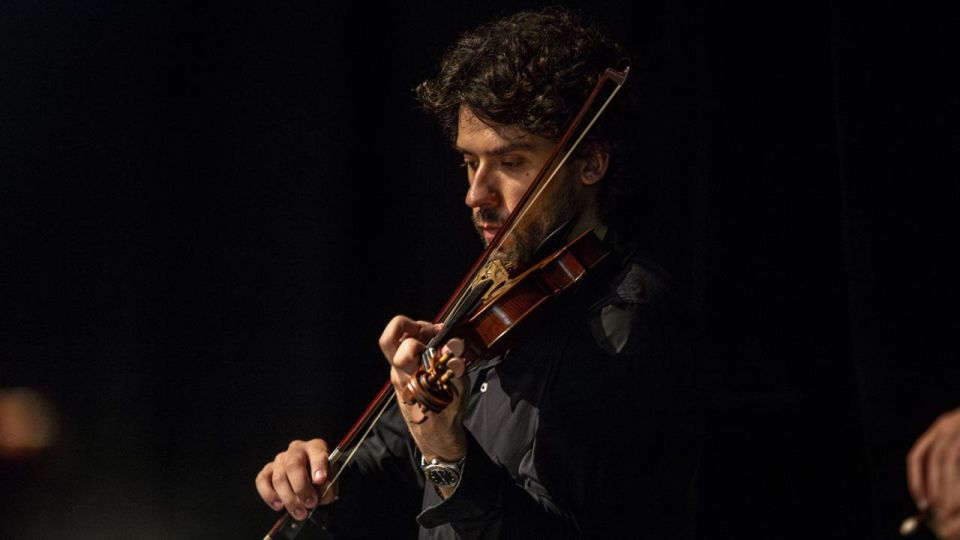
This performance isn’t just “a” string group. It’s built around a very specific lead: Elvin Dhimitri, the first violin and conductor. The description ties him to major orchestral roles, including a long connection to the Rome and Lazio musical world and leadership responsibilities in youth symphony work.
What you should care about as a listener is the impact of that leadership. A strong concertmaster can keep the ensemble tight through the quick contrasts and tempo changes that Vivaldi loves. In performances like this, that matters more than people expect.
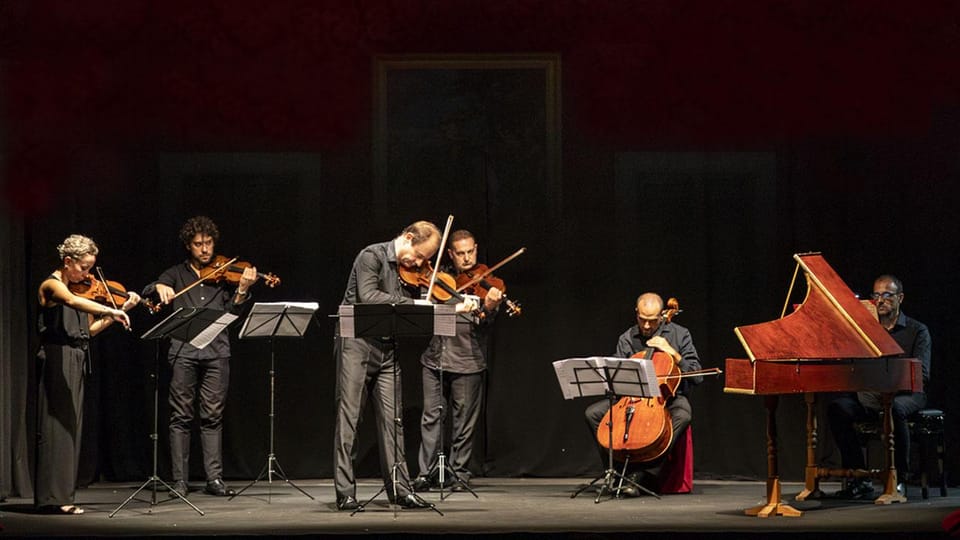
And then there’s the harpsichord. Reviews and program details both point to it being a real contributor, not a token instrument. Harpsichord lines add bite and definition, especially when the music jumps between moods quickly. If you’ve only heard Vivaldi with modern orchestral continuo, you’ll notice the difference right away.
The ensemble is described as Opera e Lirica strings quintet and harpsichord, and that smaller string setup often lets you hear the details in articulation. In other words: you don’t just hear the melody. You hear how it moves.
Where the view meets the sound (Trevi timing tip included)
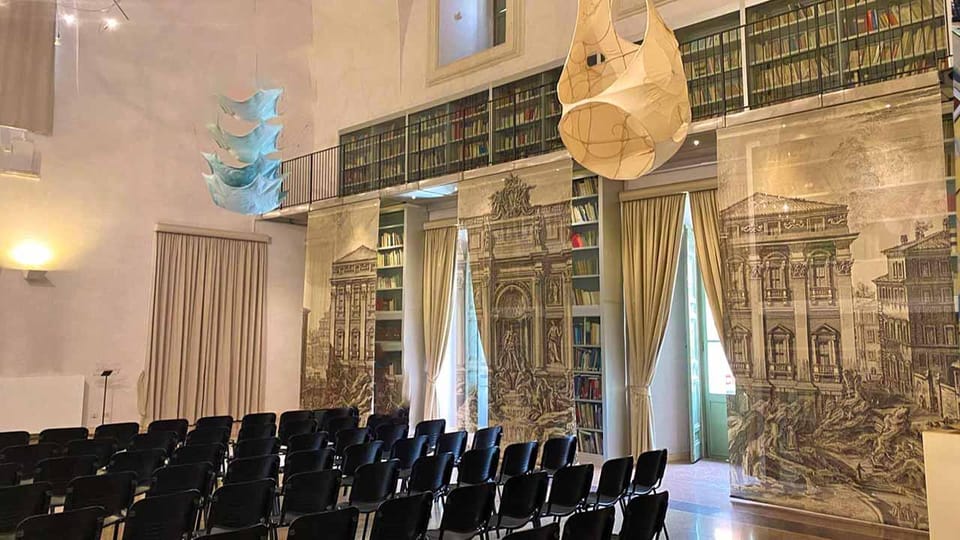
The Trevi Fountain overlook from Sala Dante is one of the evening’s most talked-about moments, and I get why. Trevi is a destination you usually experience from the street level and crowds. Here, you get a more controlled vantage point, and then you transition back to music.
If you want the best of both worlds, give yourself a bit of buffer time for getting oriented at the start. Since seating is first come, first served and not numbered, you’re winning either way if you arrive early enough to choose where you’ll sit. Then when the group moves toward the Trevi moment, you’re not also scrambling with the crowd.
Also: if you’re planning photos, do it quickly at Sala Dante and then put the camera away. Vivaldi works best when you stop multitasking. The music moves fast in places, and it’s easier to feel the story once you let it take over.
Price and value: what you’re really paying for
At $35 per person with an 80-minute runtime, this concert is priced like an access experience, not a luxury ticket. And that’s exactly how it feels.
You’re getting:
- a performance of The Four Seasons (the full seasonal concept, not just one movement)
- a lead artist described as both violin soloist and conductor
- strings and harpsichord in an arrangement that suits Baroque tone
If you’re comparing value, think of it like this: a bigger, more formal concert hall might cost more and feel more distant. Here, the small-scale nature tends to bring you closer to sound and expression. People have also highlighted how emotional and entertaining the performance can feel, which is what matters most when you’re spending a night out in Rome.
One practical value note: because seats aren’t numbered, the “best value” seats go to whoever arrives early enough to get a good angle. This is still worth it, but you’ll enjoy it more if you treat arrival as part of the experience.
Comfort and logistics: seating, sightlines, and room conditions
This event can be magical, but it’s not a sterile museum experience. It’s live music in real rooms.
Seats are first come, first served
The listing is clear: seats aren’t numbered, so it’s first come first served. That means sightlines can vary depending on row position and chair arrangement. If you’re tall, you’ll likely be fine. If you need a clear view of the performers, get there early and don’t assume the best seats will be left open.
Lighting and temperature can affect your enjoyment
Some people have described lighting that could be softer and room conditions that swing from chilly to warm. This isn’t unusual for smaller older buildings in Rome, but it’s still something you should plan for. Bring a light layer, and if you’re sensitive to heat, plan around the season you’re visiting.
Breathing space
A couple of comments point to the room feeling close over time. I’d treat that as a “take breaks if you need them” kind of hint, not something to ignore. Drink water before you go, and don’t be afraid to choose a comfortable spot rather than the first spot you see.
Who this concert suits best (and who might want a backup plan)
I think this is a great fit if you:
- love Baroque music or want a strong introduction
- want a high-quality night out without paying for a massive, distant venue
- prefer smaller settings where you can hear details and feel the mood shifts
- are traveling with kids and want something shorter and story-driven (the runtime is around 80 minutes)
It might be less ideal if you:
- strongly need assigned seating
- have trouble with heat or cold indoors
- need extremely consistent lighting and sightlines
Also consider that the venue setup can change. Some people have said they were expecting one kind of hall and ended up in another. The show still follows the Vivaldi concept, but your comfort could vary.
Should you book this Four Seasons performance?
Yes, if you want a genuinely different Rome evening: Vivaldi’s seasons played with a clear center lead, plus a real city moment at Palazzo Poli with Trevi Fountain in your line of sight. For $35, the value is strong because you’re getting a full seasonal performance with the right instrumentation, in a setting that tends to make the music feel close.
I’d book it especially if you’re flexible on room comfort and you don’t mind arriving a little early for seating. If you can do that, you’ll get the best version of the experience: music that tells a story and Rome that shows up in your photos and your ears.
FAQ
Where is the meeting point for this experience?
The meeting point is Chiesa Evangelica Metodista, Via XX Settembre 122 c, Rome.
How long is the concert?
The duration is listed as 80 minutes.
Who performs The Four Seasons?
The performance includes violin soloist and conductor Elvin Dhimitri, along with a strings ensemble and harpsichord.
What music will I hear?
You’ll hear Vivaldi’s The Four Seasons, with sections for Spring, Summer, Autumn, and Winter, plus additional concert pieces included in the program.
Will I get a view of Trevi Fountain?
Yes. The experience includes a stop at Sala Dante of Palazzo Poli, where you can overlook Trevi Fountain.
Are seats numbered?
No. Seats aren’t numbered, and seating is first come, first served.
Is the venue wheelchair accessible?
Yes, it is listed as wheelchair accessible.
Are there different concert times?
Yes. The listing shows a double concert at Horti Sallustiani with performances at 7:00 pm and 9:00 pm.
Can I cancel for a refund?
Yes. Free cancellation is available up to 24 hours in advance for a full refund.
What is included in the price?
The experience includes the concert ticket.