REVIEW · ROME
Rome By Night: Small Group E-Bike Tour
Book on GetYourGuide →Operated by Rex-Tours · Bookable on GetYourGuide
Rome is prettier after dark. This e-bike ride starts at sunset, letting you glide between Rome’s biggest landmarks with the heat and daytime crowds dialed down.
I love the small group feel: with a max of eight riders, guides can keep things flexible. I also like how the night route flows through the Colosseum, Roman Forum, Trevi Fountain, Pantheon, Spanish Steps, and Saint Peter’s Basilica without it feeling like a checklist.
The catch is that this is real biking, not a slow walk-and-stand tour. It’s not suitable if you can’t ride comfortably, and there are age, height, and weight limits you should take seriously before booking.
In This Review
- Quick Takes Before You Ride
- Why This Rome Night E-Bike Works So Well
- From Meeting Point to Helmets On: What the First Hour Feels Like
- The Colosseum and Roman Forum: Seeing Power With Fewer Hassles
- Trevi Fountain After Dark: Iconic, But Not a Standstill
- Pantheon at Night: A Stop That Rewards Slower Looking
- Spanish Steps: Views and Photos Without the Midday Stress
- Saint Peter’s Basilica After Dark: The Big Finale Energy
- Your Guide Makes the Difference (Leo, Marco, and the Small-Group Effect)
- How Long You’ll Spend at Stops (and Why the Timing Feels Right)
- Price and Value: Is $81 a Good Deal?
- What to Bring (Because Drinks and Pickup Aren’t Included)
- Who Should Book This (and Who Should Skip It)
- Should You Book This Rome By Night E-Bike Tour?
- FAQ
- How long is the Rome By Night e-bike tour?
- What price is the tour?
- What’s included in the ticket?
- Are hotel pickup and drop-off included?
- Which languages are the live guides speaking?
- How big are the groups?
- What sights are included on the route?
- Who is the tour not suitable for?
Quick Takes Before You Ride
- Sunset start for cooler air and glowing monuments
- Max eight participants for a more personal pace
- Guides who talk history and also focus on safety
- A high-impact route: Colosseum, Forum, Trevi, Pantheon, Spanish Steps, St. Peter’s
- E-bikes and helmets included, so you show up ready to move
- No food or hotel pickup, so plan your timing and snacks
Why This Rome Night E-Bike Works So Well
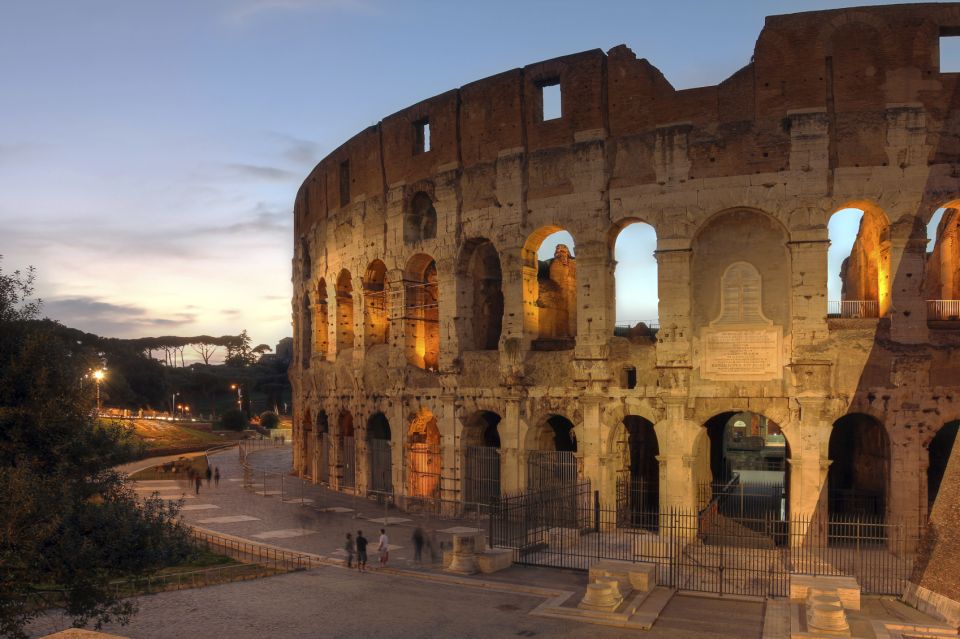
Rome by day is a workout for your patience. At night, the city changes tone: streets feel calmer, buildings look softer in the light, and you can actually enjoy the sights instead of fighting for position. On an e-bike, you get that better atmosphere without turning the whole evening into a long march.
The other big win is the way the tour groups major highlights into one continuous ride. Instead of hopping between far-apart areas by bus (and losing time), you get a guided route that strings the best-known places together in a smart order. That makes the whole experience feel like one storyline: ancient power to celebrity Rome to church Rome.
You can also read our reviews of more cycling tours in Rome
From Meeting Point to Helmets On: What the First Hour Feels Like
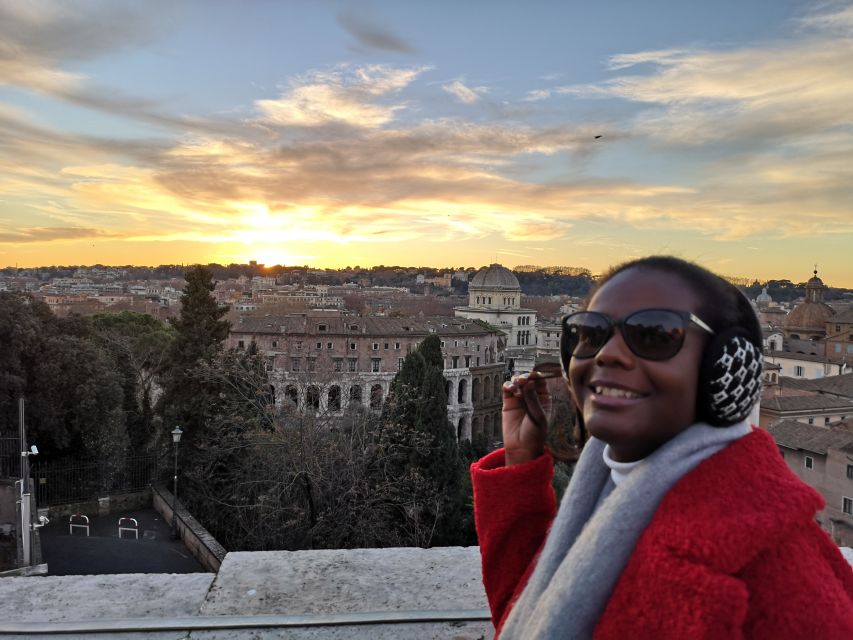
You meet at a location that can vary depending on the option you book, so make sure you check your exact start point ahead of time. From there, the vibe is straightforward: helmet on, e-bike fitted, and you’re off. The goal is to get you comfortable early, because the rest of the ride is about enjoying Rome’s night rhythm—not wrestling with the bike.
Starting around sunset is more than a cute timing choice. The light is often golden enough to make stone details pop, but it’s cool enough to keep you from feeling fried. You’ll also notice how much easier it is to watch architecture when there’s no midday haze and you aren’t standing in a sea of people.
The Colosseum and Roman Forum: Seeing Power With Fewer Hassles
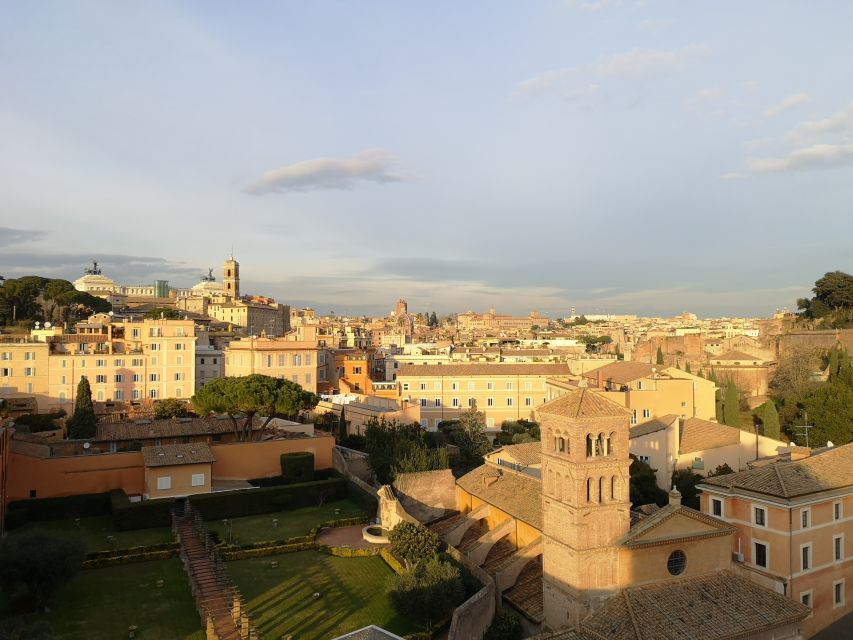
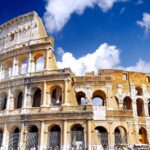
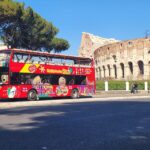
The night version of the Colosseum has a different mood. By dark, it’s less about scale and more about presence. You can take in the shape, the openings, and the sheer size without the constant glare and throngs that show up earlier.
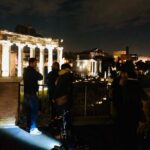
The ride connects you into the Roman Forum atmosphere too, where the ruins start to feel less like random piles and more like a place that once ran Rome’s day-to-day life. Even if you’re not a Roman history superfan, the guide’s storytelling helps you connect what you’re seeing to what it used to mean—law, politics, ceremonies, and public life.
The practical upside: you’re not trying to do Colosseum timing gymnastics plus Forum timing plus crowd timing all separately. You get it as one guided sequence, with the e-bike cutting out the dead time between stops.
Tip for your eyes: when you pause, don’t just look straight ahead. Turn your head slightly and let your gaze scan the edges and levels. At night, the light exaggerates depth, and that’s where the Forum and Colosseum really start to look three-dimensional.
Trevi Fountain After Dark: Iconic, But Not a Standstill
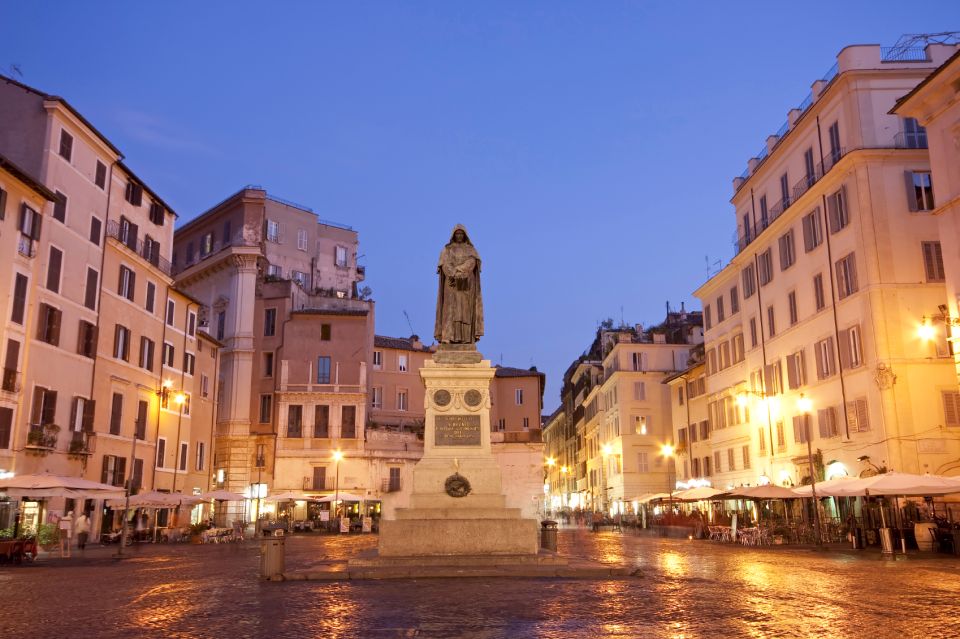
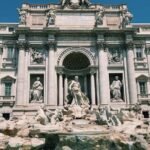
Trevi Fountain is famous for a reason. At night, it’s also less of a traffic jam. The water, the stone, and the lighting work together, so the fountain feels like a real stage instead of a backdrop you pass through.
On a guided e-bike evening, you also have a luxury most solo travelers don’t: a guide managing where you stop, how long you linger, and what direction you face. That makes it easier to get photos without spending your whole time locked in a queue.
One drawback to know: this is still Trevi. Even without the daytime crush, it can be busy. So focus on small moments—water reflections, baroque details, and the way people flow around the fountain—rather than expecting a private viewing.
Pantheon at Night: A Stop That Rewards Slower Looking
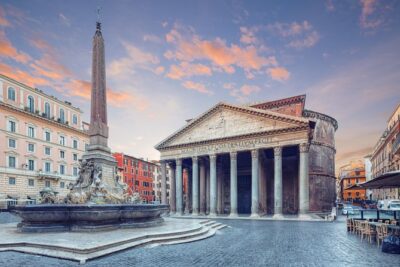
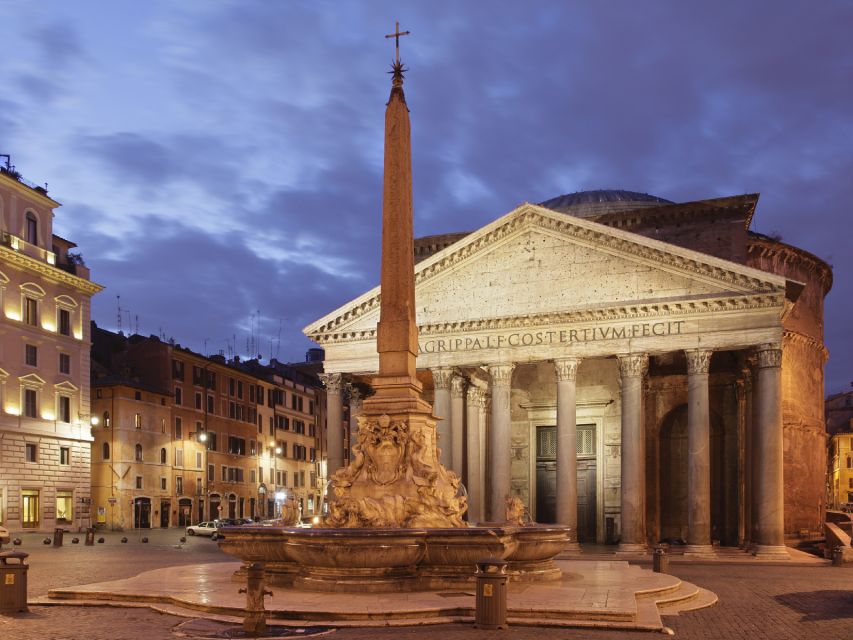
The Pantheon is one of those buildings you feel more than you try to analyze. At night, it becomes especially satisfying because you can appreciate the geometry without the daytime distraction. You’ll get a pause long enough to notice the big features, and the guide’s talk gives you context that makes the stop land.
This is a great place to take your time in a simple way: stand at a good angle, look up, and then look back toward the entrance/area you’re in. The Pantheon’s design is all about how space shifts with perspective. Night lighting helps you see that effect.
If you’re the kind of person who likes one or two stops done properly rather than ten stops rushed, this is one of the places that usually pays off.
You can also read our reviews of more evening experiences in Rome
Spanish Steps: Views and Photos Without the Midday Stress
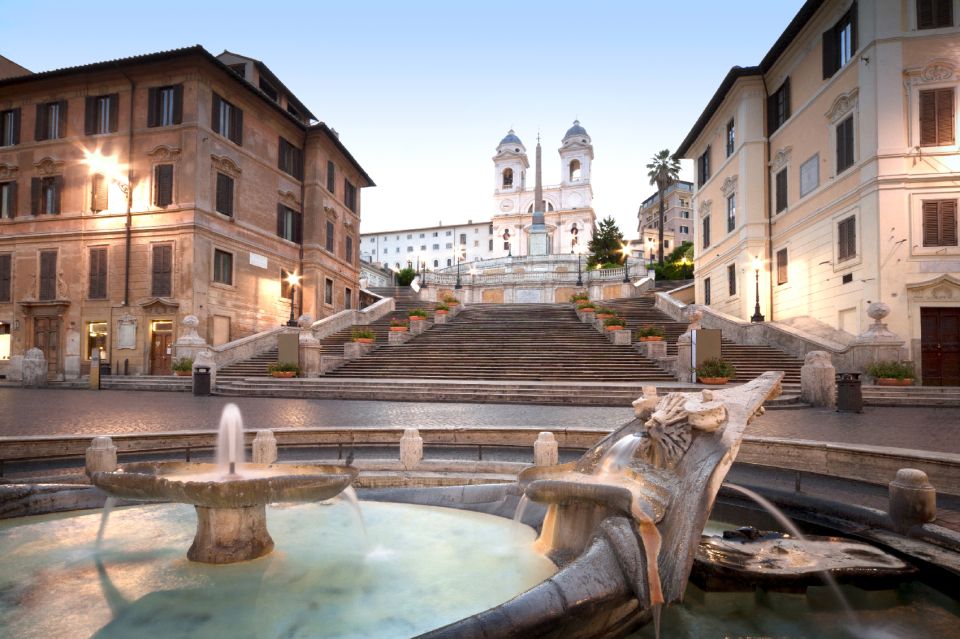
The Spanish Steps are famous—and at night, they feel more like an evening promenade than an obstacle course. The setting changes when the sun drops: people move differently, and you can often get the kind of photo angles that are harder earlier in the day.
The e-bike format helps here because you’re not only watching the steps; you’re also moving through Rome’s night streets between landmarks. That in-between time is part of the experience, because it shows you how these famous areas connect across neighborhoods.
Practical note: if you’re hoping for wide, empty-step photos, you might still be waiting. But you’ll generally have a better chance at calm viewing than during peak daytime hours.
Saint Peter’s Basilica After Dark: The Big Finale Energy
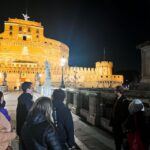
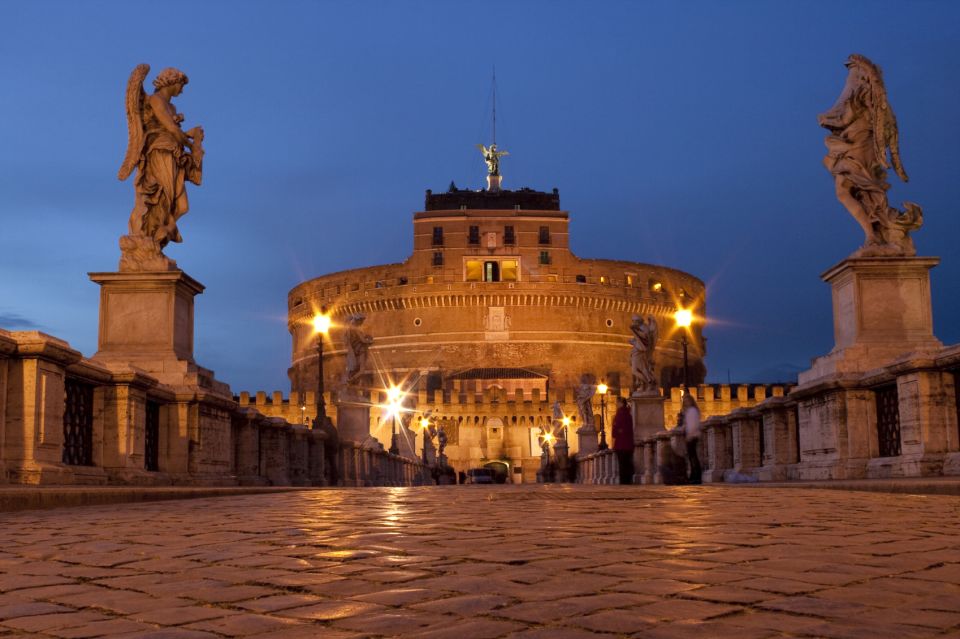
Ending near Saint Peter’s Basilica feels like a natural payoff. You go from ancient sights and iconography to one of the world’s most recognizable church spaces, and the contrast gives your evening a satisfying shape.
At night, Saint Peter’s area tends to feel monumental rather than crowded-in-your-face. The light helps emphasize the scale, and you can take in the building without the same level of heat pressure that makes daytime sightseeing exhausting.
It’s also a smart closing act for a 3-hour tour. You’ll likely finish with a sense that you saw Rome’s major chapters in a compact evening—ancient Rome, classic legends, and the center of Catholic Rome—without needing a full day of exhausting walking.
Your Guide Makes the Difference (Leo, Marco, and the Small-Group Effect)
The most praised part of this experience is the guide style. People mention leaders like Leo and Marco by name, and the common thread is clear: communication that’s easy to follow, plus a safety-first mindset. Helmets are included, and guides pay attention to how you ride, not just where you end up.
What I really like about the small-group size is the flexibility. When it’s just you and a couple of other riders, the guide can accommodate interests. One pairing described how the guide adjusted and took them to places they were specifically curious about. Another small group mentioned that the guide was friendly and also attentive to safety, which matters a lot when you’re sharing roads with Rome traffic.
And yes, practical touches show up too. One group noted that waters were provided for the ride. Even when the listing doesn’t promise drinks, this kind of small comfort can make the evening feel smoother.
How Long You’ll Spend at Stops (and Why the Timing Feels Right)
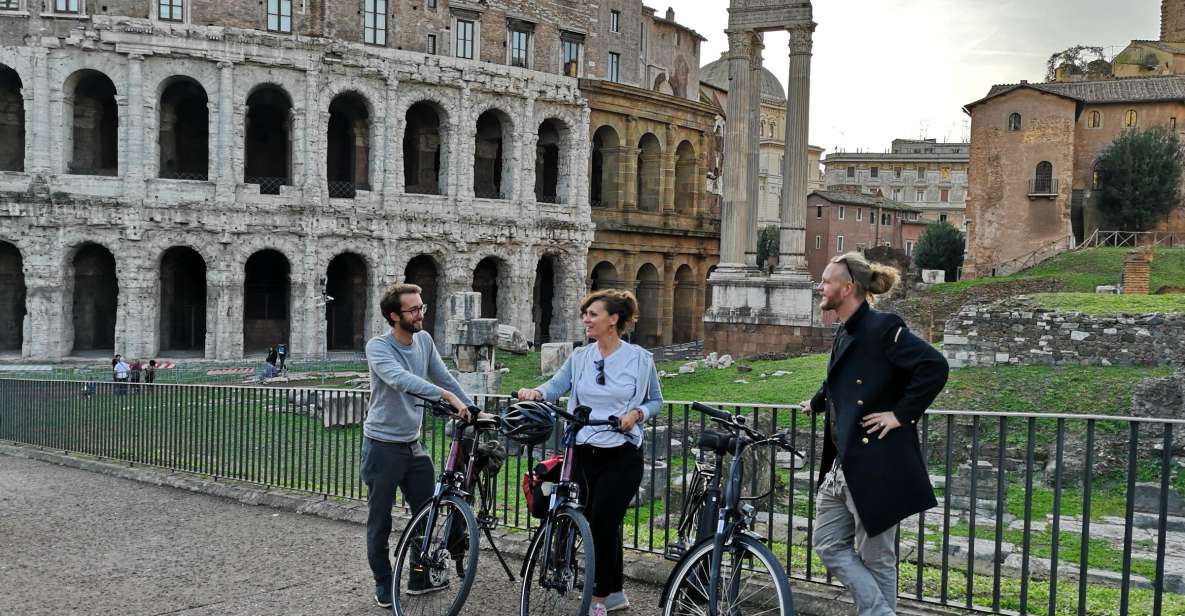
This is a 3-hour experience, so it’s built for motion. You won’t get a museum-style, hour-per-building plan. Instead, you get the essential look at each landmark plus enough time for photos, brief absorbing, and the guide’s key story points.
That timing works because you’re on an e-bike. The bike handles the travel time so your stops can stay meaningful. You’ll spend more of your evening looking at Rome and less of it sitting through transit or waiting at intersections.
If you hate rushing, plan your expectations for “see it well enough to remember it.” You’ll leave with strong mental images, and you’ll know where you want to return later for a longer, slower visit.
Price and Value: Is $81 a Good Deal?
At $81 per person for 3 hours, the value mostly comes down to what’s included and what’s saved. You’re getting an e-bike rental and a helmet, plus a live guide in English or German. You’re also getting a route that tackles multiple headline sites in one evening, which cuts down on your time and hassle.
What you’re not getting is just as important: there’s no hotel pickup/drop-off, and there are no food or drinks included. So you’ll want to handle your own pre-ride snack and plan to grab something after. That’s not a deal-breaker, but it changes how you budget your evening.
For the right traveler, this price makes sense because it buys comfort (e-bike help), access (a guided night route), and a calmer pace (heat and crowds reduced). If you already love biking and want a fun way to connect Rome’s landmarks, this is the kind of ticket that can feel worth it fast.
What to Bring (Because Drinks and Pickup Aren’t Included)
Keep it simple. Bring what you’d need for a short evening ride: comfortable clothing for movement and stable shoes that work on uneven pavement. The tour includes a helmet, so you don’t need to bring one yourself.
Because food and drinks aren’t included, I’d plan a snack or light meal before you go. If you’re sensitive to getting thirsty on rides, consider having your own water ready at the start point.
Also remember: there’s no hotel pickup. You’ll need to get yourself to the meeting location on time, and since the exact meeting point can vary by option, double-check your specific details before leaving your hotel.
Who Should Book This (and Who Should Skip It)
This tour fits best if you want a relaxed night format and you’re comfortable riding a bike. The guide-led route is great for people who don’t want to spend their evening planning turns and trying to connect landmarks efficiently.
It’s also a good match for couples or small groups because the maximum group size of eight supports a more personal experience. If you like the idea of a guide adjusting pace based on your interests, this is the kind of tour where that can happen.
But don’t force it if biking isn’t your thing. The tour isn’t suitable for children under 12, people who can’t ride a bike, wheelchair users, or anyone with mobility impairments. There are also height and weight limits (135 cm minimum height and 110 kg maximum weight), plus an age limit of 70 years. If any of that applies, it’s smarter to pick a different format that matches your comfort level.
Should You Book This Rome By Night E-Bike Tour?
I’d book it if you want Rome at night with less sweat, fewer daytime headaches, and a guide who helps you see how the city connects across centuries. The e-bike does the heavy lifting, and the small group size makes the evening feel human instead of factory-paced. With guides like Leo and Marco showing up in the experience, the vibe tends to be friendly, clear, and focused on safety.
I’d skip it if you’re not confident on a bike or you know you’ll be uncomfortable with a few hours of riding. Also, if you prefer lots of long, slow stop time at each attraction, this format is more about highlights with meaning, not lingering like a dedicated day-trip scholar.
If you fall in the comfortable-rider camp, this is a smart way to see Rome’s best-known landmarks in one smooth night loop.
FAQ
How long is the Rome By Night e-bike tour?
It runs for 3 hours.
What price is the tour?
The price is $81 per person.
What’s included in the ticket?
You get an e-bike rental and a helmet.
Are hotel pickup and drop-off included?
No. Hotel pickup and drop-off are not included.
Which languages are the live guides speaking?
The live tour guide speaks German and English.
How big are the groups?
The group is small, with a maximum of eight participants.
What sights are included on the route?
You’ll stop at the Colosseum, Roman Forum, Trevi Fountain, Pantheon, Spanish Steps, and Saint Peter’s Basilica.
Who is the tour not suitable for?
It’s not suitable for children under 12, people with mobility impairments, people who can’t ride a bike, wheelchair users, people under 4 ft 4 in (135 cm), people over 243 lbs (110 kg), or people over 70 years.