REVIEW · ROME
Private Walking Tour of Rome and a Cooking Class
Book on Viator →Operated by Sublime Tours · Bookable on Viator
Rome tastes better when you cook it. This private walking tour of Rome plus cooking class has a simple idea: cover key landmarks on foot, then learn how to make real Italian dishes at a nearby restaurant.
I like the way the day mixes big sights with practical food skills: you get to enjoy a guided route from Piazza Barberini all the way toward the Pantheon, without feeling rushed. I also really enjoy that the cooking class includes pasta made from scratch, and you’ll get recipes afterward so you can recreate it at home.
One thing to keep in mind: the menu can shift with seasonal ingredients, so you should be flexible about the exact non-pasta courses.
In This Review
- Key highlights at a glance
- Rome’s best “first day” route, starting at Piazza Barberini
- Spanish Steps to Trevi Fountain: why the guide matters on “icon” streets
- The Pantheon stretch and Santa Maria Sopra Minerva stops
- Piazza Navona and Campo de’ Fiori: square energy without the confusion
- From sightseeing to cooking: how the class actually works
- Pasta from scratch is always included
- What you’ll eat: artichokes, gnocchi, and ciambelline
- A realistic “Rome heat” plan: pauses in the shade
- Value check: what you’re paying for at $167.59 per person
- Dietary needs and menu flexibility
- Who should book this private walking + cooking combo
- Should you book it?
- FAQ
- How long is the Private Walking Tour of Rome and Cooking Class?
- Is this a private tour?
- Where do we meet, and where does the tour end?
- What sights are included on the walking part?
- What will we cook and eat?
- Are recipes provided after the tour?
- Does the menu stay the same every time?
- Can the tour accommodate dietary restrictions?
- Are drinks included?
Key highlights at a glance
- Private for just your group: you won’t be blended into a big crowd.
- Major sights on one walk: Spanish Steps, Trevi Fountain, the Pantheon, and more.
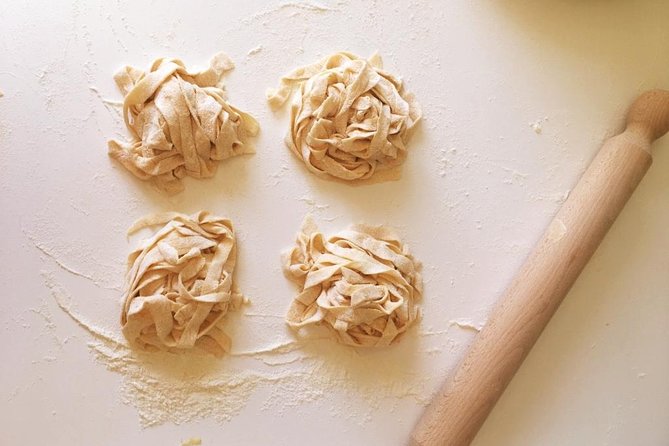
- Hands-on pasta making: you’ll make pasta from scratch and choose a sauce for it.
- Seasonal cooking with built-in options: courses may vary, but you’ll have a clear menu plan.
- Eat what you cook: lunch or dinner is part of the experience, not an afterthought.
- Recipes sent after the tour: you’ll leave with something useful for home cooking.
Rome’s best “first day” route, starting at Piazza Barberini
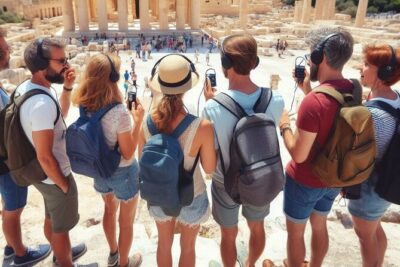
This tour is designed for people who want to get oriented quickly, without turning your day into an endless photo sprint. You start at Piazza Barberini, then your guide takes you through a tight set of landmark stops with explanations along the way. The big win here is focus. Instead of wandering, you move through the parts of central Rome that make first-timers go, Oh, right, this is why people come here.
The walking route is classic Rome, but it’s also smart. You’re positioned for a strong sequence of views and then you work your way toward the Pantheon area, where the tour ends near Via del Pantheon. That matters because once you finish, you’re already close to one of the city’s easiest hubs for continuing your day on your own.
Also, it’s offered in English, and it’s a private activity, so the guide can pace you. If your group includes kids, this style tends to work better than tours where you’re treated like a herd.
You can also read our reviews of more walking tours in Rome
Spanish Steps to Trevi Fountain: why the guide matters on “icon” streets
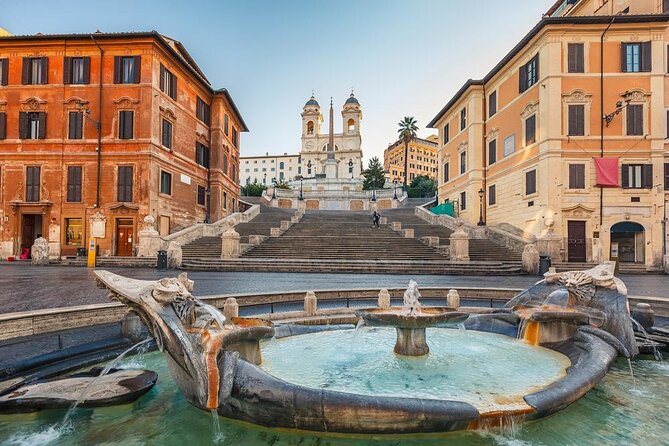
Your first “wow” moment comes early with the Spanish Steps. These stairs are one of those sights that can feel underwhelming if you just glance at them from a distance. With a guide, you get the context that helps you understand what you’re actually looking at and why it became such a signature spot in Rome.
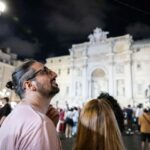
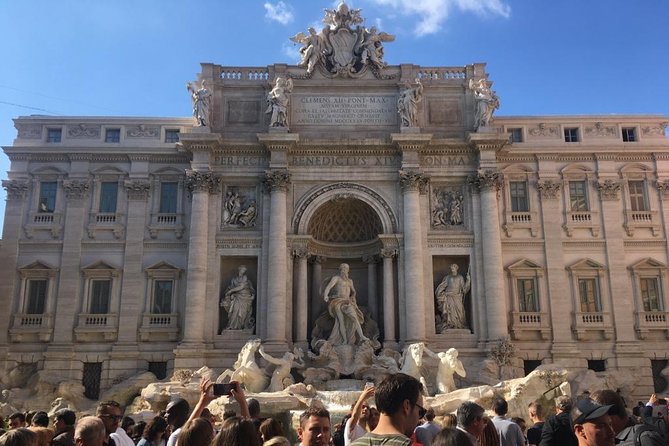
From there you head to Fontana di Trevi. Trevi is famous for a reason, but it’s also where crowds can crush the experience if you’re not prepared. The value of a guided, paced walk is that you’re not trying to figure out timing, routes, and what to notice. You get stop-by-stop interpretation, so you’re not just staring at a fountain—you’re learning what makes it special.
Then the route continues through Piazza Di Pietra, which often gets less attention on typical first-timer itineraries. In a good way, it gives you a break from the biggest headline sights while still keeping you moving through central Rome. You’re maintaining momentum, but you’re not stuck in constant “biggest thing ever” mode.
The Pantheon stretch and Santa Maria Sopra Minerva stops
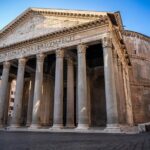
One of the reasons this tour works so well as a food-and-sights combo is that you’re walking into areas where the architecture does some of the talking for you. The Pantheon stop is obviously a headline moment. Even if you’ve seen pictures, being there in person changes the scale.
What makes it stronger in this format is the explanation you receive while you’re there. You’re not left to guess what you’re seeing, and you’re not rushing to get the right angle for a single photo. You can take it in at a human pace.
Next is Chiesa di Santa Maria Sopra Minerva. This is a more focused, church-specific stop compared with the open squares. If you like the details—facades, layout, and how the building fits into its surroundings—you’ll appreciate it. And because the route is private, the guide can adjust the level of detail to your group.
Piazza Navona and Campo de’ Fiori: square energy without the confusion
As you move toward the later stops, you hit two of Rome’s most useful public spaces for orientation: Piazza Navona and Campo de’ Fiori.
Piazza Navona is one of those places where the geometry and the fountains can look almost theatrical. The key here is learning where to stand and what to notice. The guide’s explanations make it easier to understand how the square functions and why it’s such a magnet.
Then you reach Campo de’ Fiori, which has a lively “market square” feel. Even if you’re not shopping, it helps you understand the neighborhood rhythm. And because the tour then transitions into your cooking class, this is a nice cultural bridge. You’re shifting from landmark Rome to everyday Rome.
From sightseeing to cooking: how the class actually works
After the walk, you’re taken to a local restaurant nearby to create authentic dishes from scratch. This is where the experience becomes more than sightseeing, and where you’ll likely feel the biggest difference from the typical “look and leave” day.
The flow is straightforward:
1) Walk the sights with the guide.
2) Head to the restaurant.
3) Cook your dishes from the ground up.
4) Sit down and eat the lunch or dinner you made.
5) Receive recipes afterward.
A big plus is that this is built for attention. It’s a private tour, and the class style gives you a chance to ask questions while you’re actually doing the work. That matters because pasta making sounds simple until you’re holding the dough.
You can also read our reviews of more private tours in Rome



Pasta from scratch is always included
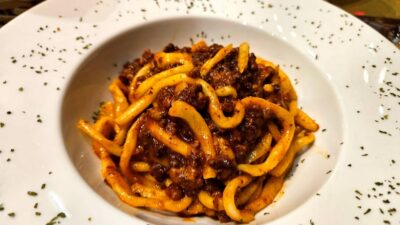
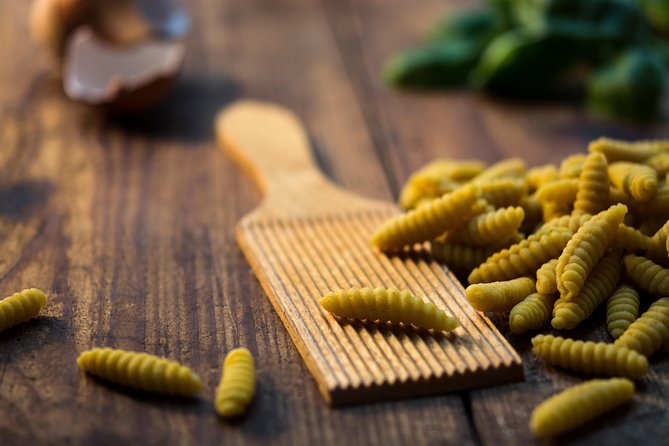
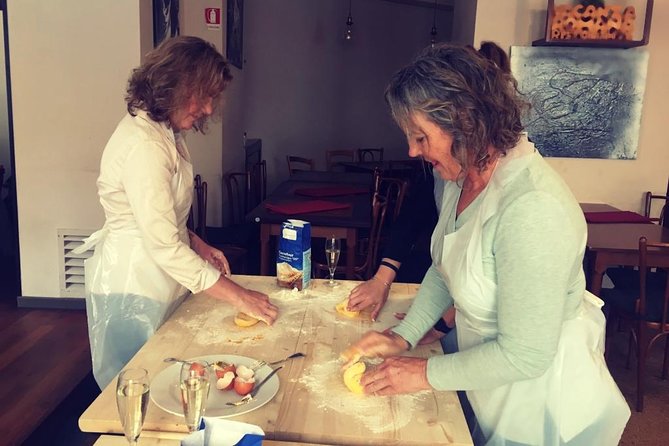
The cooking part centers on pasta. The standout promise is clear: a pasta dish is always included, and you’ll make the pasta from scratch. You’ll then serve it with a sauce of your choice.
That “of your choice” detail is small, but it changes the whole experience. It means you’re not just following steps blindly. You’re thinking like a cook, even if it’s your first time doing fresh pasta in Rome.
And because some of the other courses are seasonal, pasta acts like the anchor. Even if the menu shifts, the core skill you take home stays the same.
What you’ll eat: artichokes, gnocchi, and ciambelline
Your sample meal gives a good snapshot of what to expect in the kitchen. The typical starter is Jewish style artichoke (seasonal), and the broader sample menu also lists caprese salad as an alternative option.
For the main course, the sample focuses on gnocchi: gnocchi with pork-cheeks, artichokes, and pecorino cheese. This is a hearty, deeply Italian meal profile—salty, creamy, and satisfying. If you like comfort food that still tastes “special,” this is the direction.
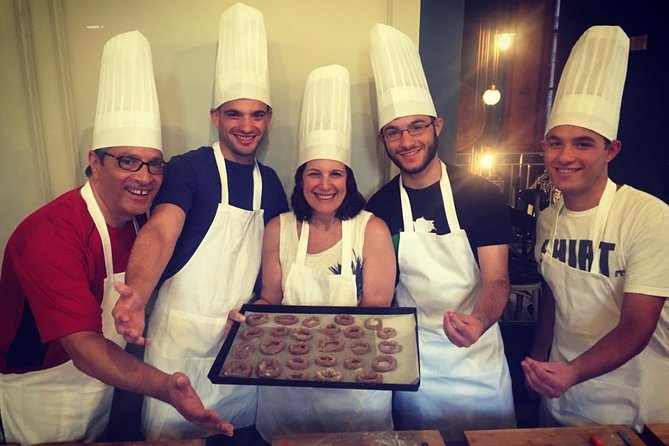
Dessert is usually ciambelline (crispy donuts) al Vino Rosso, though the broader sample menu also includes tiramisu as an alternative choice. You’ll also have a drink with your meal: a glass of wine, beer, or soft drink.
One practical note: the included menu items can match your exact day, but the overall menu can shift based on seasonal ingredients and what the restaurant is preparing. The one constant is the pasta component.
A realistic “Rome heat” plan: pauses in the shade
Rome can get brutal in summer. One of the best practical details tied to this tour is that the guide knows how to keep the pace comfortable. On days when temperatures hit around 40°C, the tour has a track record of making shade stops. That’s not a luxury detail. It can be the difference between enjoying the afternoon and feeling wiped out before the cooking begins.
If you’re booking in hot months, wear comfortable walking shoes and carry water. This tour is paced well, but your body still has to do the basics.
Value check: what you’re paying for at $167.59 per person
At $167.59 per person for about 4 hours, you’re paying for three things at once:
- A private walking guide with explanations at multiple landmark stops
- A hands-on cooking class (not a demo)
- Lunch or dinner plus a drink, and recipes afterward
When you look at it that way, the price starts to make sense. If you only want a sightseeing walk, you could find cheaper group walking tours. But if you want to add pasta skills and sit down to eat what you made, this format replaces a “food experience” day with a single organized block of time.
Also, because it’s private, the value is stronger for couples and families who want a calmer pace. You’re not trying to fit your schedule into a crowded departure time, and you can get explanations tailored to your interests.
Dietary needs and menu flexibility
This tour says special menus are available if you ask in advance. That includes gluten-free, dairy-free, vegetarian, and other needs. If you have dietary restrictions, tell the operator before you go, so they can build your plan with the restaurant.
Just remember the other key constraint: the menu can change seasonally. So even if your requested diet is accommodated, you might see variations in exact dishes on the day.
Who should book this private walking + cooking combo
This tour is a strong fit if you want:
- A first-time Rome orientation that doesn’t drown you in logistics
- A day that mixes famous sights with something active and useful
- A food experience that ends with you eating what you cook
- A class style that can work well for families, including kids who enjoy hands-on activities
It may be less ideal if you:
- Only want passive sightseeing and are not interested in cooking
- Have a very specific list of must-eat dishes and can’t handle seasonal changes
- Prefer to end your day far from the Pantheon zone
Should you book it?
If you’re trying to make the most of a short Rome visit and you like the idea of taking a real cooking skill home, I’d lean yes. The route hits Rome’s headline sights in a controlled way, and the cooking class turns your time into something practical. You’ll leave fed, with recipes, and with a stronger sense of how different neighborhoods feel.
If you’re unsure, the deciding factor is simple: do you want a guided walk plus a hands-on food lesson in one package? If the answer is yes, this is a tidy, high-value way to spend four hours in the center of the city.
FAQ
How long is the Private Walking Tour of Rome and Cooking Class?
It runs for about 4 hours.
Is this a private tour?
Yes. It’s private, and only your group participates.
Where do we meet, and where does the tour end?
You start at Piazza Barberini and the tour ends near the Pantheon at Via del Pantheon.
What sights are included on the walking part?
Stops include Piazza Barberini, the Spanish Steps, Fontana di Trevi, Piazza Di Pietra, the Pantheon, Chiesa di Santa Maria Sopra Minerva, Piazza Navona, and Campo de’ Fiori.
What will we cook and eat?
You’ll cook and eat authentic dishes from scratch. Pasta is always included, and the sample menu includes a starter like Jewish style artichoke (seasonal), a main that features gnocchi, and dessert such as ciambelline (crispy donuts) or tiramisu.
Are recipes provided after the tour?
Yes. Recipes for the dishes are provided after the tour so you can recreate them at home.
Does the menu stay the same every time?
No. Some dishes may vary based on season and the restaurant. The pasta dish is always included.
Can the tour accommodate dietary restrictions?
Special menus are available upon request, including options such as gluten-free, dairy-free, and vegetarian.
Are drinks included?
Yes. You’ll have a glass of wine, beer, or a soft drink with your meal.