REVIEW · ROME
Private Cooking Class in the Heart of Rome 3 types of Pasta and Wine
Book on Viator →Operated by Roma Gourmet Experience · Bookable on Viator
Handmade pasta in Rome, with a real chef. You’ll learn how to shape Italian pasta step-by-step with Chef Christian, then sit down to eat what you made with Italian wine and classic sides. The experience is built for real cooking skills you can repeat at home, not just a show.
Two things I especially like: the private feel (it’s just your group) and the full meal that follows your work—bruschetta, pasta, wine, and a homemade dessert. One caution: the cooking location may not be in the historic Trastevere area anymore; some sessions use a kitchen inside the Appia Antica Archaeological Park, which can change how far you travel from the sights.
In This Review
- Key highlights worth targeting
- What makes this Rome cooking class feel genuinely hands-on
- The pasta menu: fettuccine, gnocchi, and cavatelli in one course
- Gluten-free and dietary needs
- The “pasta workshop” part: what you actually do
- Your meal: bruschetta, wine, water, bread, and a homemade dessert
- Wine pairing that stays responsible
- Trastevere and Santa Maria: why the timing includes a short sightseeing moment
- Where the class happens: Appia Antica can replace “heart of Rome” vibes
- Group size and privacy: how this stays personal
- Language barrier? Usually not a problem
- What $94.92 really buys you (value check)
- Tips to get the best experience (and avoid common hiccups)
- Should you book this Rome pasta class?
- FAQ
- What’s included in the 2.5-hour experience?
- Which pasta types will I learn?
- Is there a gluten-free option?
- Will I be able to choose sauces?
- Do I need to speak Italian?
- Is this a private class?
- Is wine included for everyone?
- Where do we meet?
- What sights are included besides cooking?
- Can I cancel and get a refund?
- What type of ticket do I get?
Key highlights worth targeting
- Chef Christian teaches the pasta-making process with clear, patient instruction
- You cook more than one pasta type (fettuccine, gnocchi, and also cavatelli in the menu)
- Sauce-picking is part of the class, so your meal feels personal
- Wine + your meal: you’ll pair what you made with an included glass of wine
- Dietary options are supported, including gluten-free versions
- You leave with help to repeat it: a recipe book plus photo/video recap in some cases
What makes this Rome cooking class feel genuinely hands-on
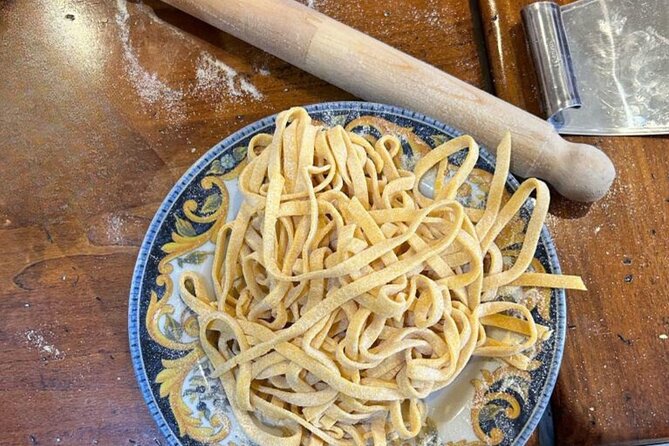
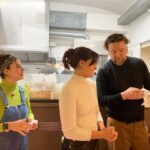
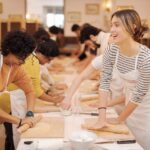
This is the kind of food experience that makes you understand why Italians talk about pasta like it’s a craft. You’re not watching from across a room. You’re rolling dough, shaping pieces, and learning what to look for as the texture changes under your hands.
The biggest practical win is the private, chef-led format. Even when you’re traveling solo or as a couple, you can ask questions without competing with a crowd. That matters in a cooking class, because tiny mistakes (flour amount, dough consistency, timing) are exactly what you want corrected in real time.
And yes, you’ll get English support. The chef is there to explain steps clearly, including how to use the pasta making machine correctly, so you can focus on technique instead of language.
You can also read our reviews of more private tours in Rome

The pasta menu: fettuccine, gnocchi, and cavatelli in one course
Italy’s most famous dish gets treated properly here. The core of the class centers on fettuccine and gnocchi made from scratch, with instruction on rolling, shaping, and handling dough. You’ll learn the rhythm of the process: mix, work the dough, use the machine when appropriate, and shape each pasta so it holds sauce well.
On top of that, the course menu includes cavatelli as a third pasta first course. So your hands-on experience isn’t limited to one shape. Expect to see how each type behaves differently with sauce—something that helps you cook with more confidence later, because you’ll stop thinking of pasta as one thing.
If you’re worried about level, good news: this kind of class works for beginners because the chef can guide you step-by-step. And for experienced home cooks, it’s a chance to tighten up technique—especially around dough handling and how to get the texture right.
Gluten-free and dietary needs
There’s a GLUTEN FREE course option available through the packages, and the chef can make accommodations for dietary requirements. That’s a major quality-of-life detail: you’re not stuck with a sad alternative dish while everyone else has real pasta.
Also, you can choose your sauce dressing from traditional Italian options. That means even if you’re avoiding certain ingredients, you can usually steer toward something that fits.
The “pasta workshop” part: what you actually do
You’ll work on two main pasta workshops—fettuccine and gnocchi—with the chef guiding each stage. The class emphasizes using the pasta machine, which is one of those skills that sounds simple until you try it at home.
Here’s what matters for your expectations:
- You’ll actively make the pasta, not just assemble it.
- You’ll learn what the dough should feel like, and how to adjust if it’s too dry or too soft.
- You’ll also learn what sauces work best with what you made, so your meal tastes like it belongs together.
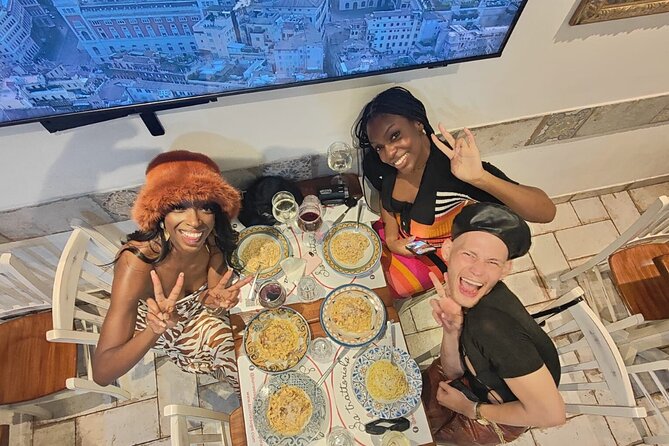
At the end of the master class, the pasta the group prepared is served. This is a nice setup because your “I made this” moment lands right away, not two hours later after you’re tired and hungry.
Your meal: bruschetta, wine, water, bread, and a homemade dessert
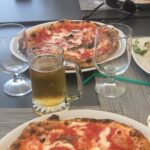
Cooking is fun, but this is still a meal in Rome, and it’s built to reward your work. Your lunch or dinner includes:
- Two bruschettas (based on seasonal choices)
- Your pasta first courses made entirely by the group
- A glass of wine plus water and bread
- Homemade dessert chosen from the day’s options
This “eat what you made” format is where the value shows. A lot of cooking classes end with a sampling or a light bite. Here, the structure is a proper Italian flow: starter, pasta, dessert.
You can also read our reviews of more cooking classes in Rome


Wine pairing that stays responsible
Wine is part of the experience, but it’s handled properly. If you’re under the legal drinking age in Italy (18), you won’t be served alcoholic beverages. That keeps things comfortable for families and mixed-age groups.
In practice, you’ll be sitting down to enjoy your pasta alongside that included glass. It’s a simple pairing, but it’s also a smart way to learn what works together without overthinking it.
Trastevere and Santa Maria: why the timing includes a short sightseeing moment
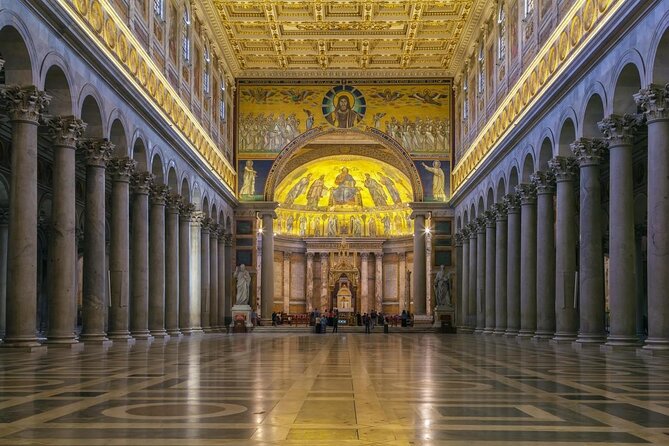
The experience doesn’t start inside the kitchen. It includes a stop at Basilica di Santa Maria in Trastevere, then time in Trastevere.
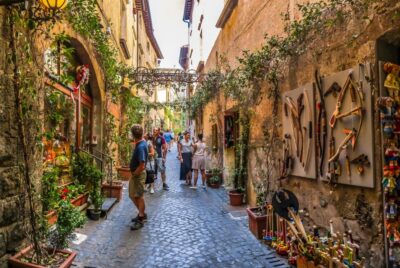
Even if the sights aren’t the main event, this matters. Food in Rome isn’t just ingredients—it’s neighborhood and rhythm. Trastevere is one of those areas where that vibe is tangible: narrow streets, local energy, and a sense that daily life includes good eating.
Practical note: make sure you dress for walking. You’ll likely want comfortable shoes, since you’re combining a short visit with an active cooking session afterward.
Where the class happens: Appia Antica can replace “heart of Rome” vibes
Here’s the one logistics detail you should plan for. Depending on the session, the cooking location may shift away from the historic Trastevere area. Some setups use a kitchen inside the Appia Antica Archaeological Park.
That change can affect your expectations in two ways:
- You might spend a little more time traveling from the sights.
- The setting can feel calmer and more spacious than a tight city-center space.
Good news: the venue is described as within the downtown zone, and buses from areas like Piazza Venezia or the Palatine area reach the entrance in about 20 minutes. If you’re using ride-hailing apps, it may be a short car ride too—just don’t assume you’ll be right around the corner from Trastevere restaurants.
If you’re the type who hates last-minute surprises, check the day-of location details carefully. It’ll save you the “wait, we’re where?” moment.
Group size and privacy: how this stays personal
This is sold as a private tour/activity, meaning only your group participates. In the best versions of this experience, it can feel like your own cooking day with a chef—without other strangers hovering or asking questions over you.
The private format shows up in small things:
- The chef can slow down when you need it.
- You can ask why you’re doing a step, not just how.
- You can get help with sauce choice, dough consistency, or dietary adjustments.
One review-style detail that lines up with the vibe here: the chef may chat about your trip and local history as you cook. That turns the class from purely technical into a real cultural break from sightseeing.
Language barrier? Usually not a problem
You’ll be guided in English, and the format is designed around instruction and demonstration. Cooking works even when you don’t share a language, because dough and technique are visual.
Still, do yourself a favor: come with a couple of questions ready. Even basic ones like what flour adjustment to make or how to know gnocchi is ready can get you something you can use later at home.
What $94.92 really buys you (value check)
At $94.92 per person for about 2.5 hours, this is priced like a quality meal + real instruction combo.
Here’s what’s bundled in:
- A guided pasta-making workshop with Chef Christian
- Multiple pasta types in the course menu
- A meal you eat afterward: bruschetta, pasta, dessert
- An included glass of wine (for adults)
- Water, bread, and sauce dressing choices
When you compare that to Rome dinner costs plus the price of a standalone workshop, the value starts to make sense. You’re paying for both skill-building and a full sitting meal that follows it.
Also, it tends to book ahead, with an average of about 45 days in advance. If your trip window is fixed (holidays, weekends), book earlier rather than later.
Tips to get the best experience (and avoid common hiccups)
A few practical moves will make this smoother:
- Go hungry. You’re making pasta and then eating a full lunch or dinner.
- Plan for walking and standing. The day mixes a short sightseeing stop with active cooking work.
- Ask about sauce options early, especially if you have dietary needs. You’ll get the best result if choices are made while the chef is setting up the meal.
- Bring your curiosity, not your expectations of perfection. Homemade pasta is forgiving in the best way—mistakes teach you what matters.
- Have a notebook or phone handy for notes. Even if you get a recipe book, writing down your questions helps you remember what you learn.
Should you book this Rome pasta class?
I’d book it if you want a real cooking lesson in Rome, not just a tasting. The combination of hands-on pasta work, included meal, and chef guidance (with English support) is ideal when you want something memorable that also changes what you can do at home.
I’d think twice if you’re staying right in the historic core and hate traveling beyond it. The cooking venue can be in Appia Antica, which is still central enough to be doable, but it’s not the same as walking out of Trastevere and turning left.
If your goal is to leave with confidence—how dough should feel, how pasta shapes pair with sauce—this is one of the better ways to spend a chunk of your Rome time.
FAQ
What’s included in the 2.5-hour experience?
You’ll do a pasta-making workshop with the chef, then eat a meal afterward. The meal includes two bruschettas, the pasta first courses made by your group, a glass of wine (for adults), water, bread, and a homemade dessert.
Which pasta types will I learn?
The course focuses on handmade fettuccine and gnocchi, and the menu also lists cavatelli as part of the pasta first courses.
Is there a gluten-free option?
Yes. The experience offers a GLUTEN FREE course through its available packages.
Will I be able to choose sauces?
Yes. You’ll choose your dressing/sauce from traditional Italian options.
Do I need to speak Italian?
No. The class is offered in English, and the chef’s instruction is designed to work without an Italian-language requirement.
Is this a private class?
Yes. It’s a private tour/activity, with only your group participating.
Is wine included for everyone?
Wine is included, but you won’t be served alcoholic beverages if you haven’t reached the legal drinking age in Italy (18).
Where do we meet?
The meeting point is Via Ardeatina, 237, 00179 Roma RM, Italy. The activity ends back at the meeting point.
What sights are included besides cooking?
The experience includes stops connected to Trastevere, including Basilica di Santa Maria in Trastevere and time in the Trastevere area.
Can I cancel and get a refund?
Yes. Free cancellation is available up to 24 hours before the start time for a full refund.
What type of ticket do I get?
You receive a mobile ticket. Confirmation is received at the time of booking.