REVIEW · ROME
Palazzo Barberini: 2-Hour Private Tour
Book on GetYourGuide →Operated by Rome Guides · Bookable on GetYourGuide
Baroque Rome feels like a living timeline. I love how this private tour turns a museum visit into a clear art-history story, and I especially liked seeing Raphael’s La Fornarina and the eye-popping Pietro da Cortona ceiling tied to what was happening in Italy. The one drawback to plan around: this tour is not suitable for wheelchair users or people with mobility impairments.
You get an expert guide (English or Italian) for a private group, so you can ask questions and move at a pace that makes the art easier to understand. I also like that the tour connects style changes to real forces like religious and political shifts, not just names on labels.
It starts at the museum entrance area and runs rain or shine, so bring comfortable shoes and keep your bag small. If you’re hoping for easy accessibility or lots of time to linger on your own, this 2-hour format may feel a bit tight.
In This Review
- Key things I’d plan around (and look for)
- Where Palazzo Barberini Starts (and why the meet point matters)
- The 2-hour structure that keeps the art from feeling like a blur
- Raphael’s La Fornarina: more than just a famous face
- Caravaggio and the so-called Cursed Painter label
- Titian, El Greco, and Guido Reni: spotting style changes in real space
- Pietro da Cortona’s ceiling: the Baroque effect made clear
- Ending in Piazza Navona: Baroque style beyond the museum walls
- Price and value for a private 2-hour visit
- Who this tour is best for (and who may want another plan)
- Practical tips so the visit stays comfortable
- Should you book the Palazzo Barberini 2-hour private tour?
- FAQ
- How long is the Palazzo Barberini private tour?
- Is this a private tour?
- What’s the price per person?
- What languages are available for the live guide?
- What’s included in the tour price?
- Is hotel pickup or drop-off included?
- Where do I meet my guide?
- What should I bring with me?
- Are luggage or large bags allowed?
- Does the tour run in bad weather?
- What’s the cancellation policy?
- Can I reserve now and pay later?
- Is the tour suitable for wheelchair users?
Key things I’d plan around (and look for)
- Raphael’s La Fornarina: get the story behind what makes it so memorable.
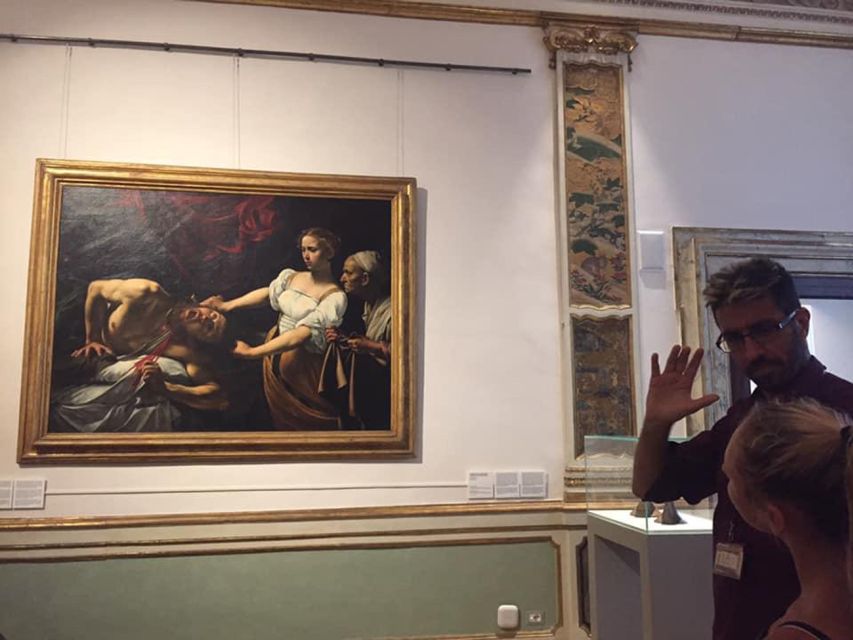
- Caravaggio’s cursed-painter reputation: context that explains the drama.
- A guided art-history sweep: Middle Ages to Baroque, with politics and religion in the mix.
- Pietro da Cortona’s ceiling: Baroque ceiling effects explained in plain terms.
- A finish at Piazza Navona: the Baroque style shows up in the city layout, not just inside.
Where Palazzo Barberini Starts (and why the meet point matters)
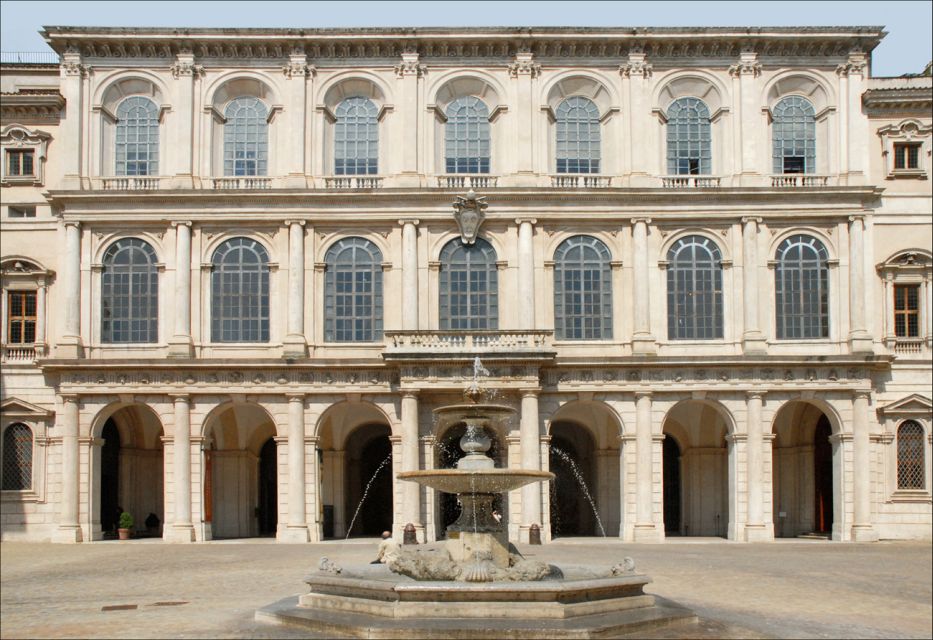
This tour is timed, and the meeting point is very specific. You’ll want to arrive about 15 minutes early and look for your guide in the courtyard area, standing in front of the museum entrance while holding a sign with the tour name.
Right away, you’ll get your bearings for the visit. Entry tickets are handled at the start, so once you’re with your guide, you can spend your mental energy on the art instead of paperwork.
Also keep in mind the practical rules of the space: no luggage or large bags. If you’re traveling light, great. If you’ve got a bigger bag, you may need to rethink what you bring for this stop in Rome.
You can also read our reviews of more private tours in Rome


The 2-hour structure that keeps the art from feeling like a blur
In two hours, you cover a lot: a journey through Italian art from the Middle Ages to Baroque. The key isn’t speed for its own sake. It’s that your guide uses a storyline that helps you notice what changes over time: subjects, religious messaging, emotion, and political taste.
You’ll be walking through rooms where masterpieces are connected to their era. You’ll also hear how major religious and political changes shaped what artists were expected to create, and what viewers were drawn to.
The format works well if you want an overview that still has names and meaning. It’s not a “read every label” tour. It’s more like a guided timeline you can actually follow.
Raphael’s La Fornarina: more than just a famous face
One of the big reasons to book is that you get to focus on a standout: Raphael’s La Fornarina. This painting is often treated like a highlight you briefly recognize, but the tour approach makes it feel like a story you can unpack.
What I like about this kind of stop is that you’re guided to see what people found compelling at the time. Raphael’s work carries that mix of technical control and human presence, and the guide’s explanations help you understand why it mattered in the era that produced it.
If you’re the type of visitor who enjoys figuring out the “why” behind the “wow,” this stop is a strong match. You’re not just looking at an image; you’re learning how art functioned in its world.
Caravaggio and the so-called Cursed Painter label
Caravaggio is a magnet for curiosity, and the tour leans right into that with the story of him as the so-called Cursed Painter. This is one of those reputations that can sound like gossip if it’s not grounded in context, but with a guide you get the background behind the legend.
The value here is framing. You’ll connect the intensity in his approach to the broader cultural climate around him—especially how artists were judged and how their work was received.
If you’ve seen Caravaggio before and felt like you were missing the larger picture, this is the fix. You come away understanding that the “cursed” angle isn’t just for drama; it’s tied to how his work and persona landed in his time.
Titian, El Greco, and Guido Reni: spotting style changes in real space
The tour doesn’t stop at the headline names. You’ll also see other masters such as Titian, El Greco, and Guido Reni, and that matters because it helps you compare how different artists solved the same big questions.
You’ll learn how shifts across centuries show up in style: how figures are presented, how feeling is expressed, and how religious themes can look different depending on the era’s expectations. Even without turning into an art student, you can start to notice patterns once you have a guide pointing your eyes in the right places.
This is also where the timeline structure pays off. If you go in with just a vague sense of Baroque versus earlier art, the tour gives you a practical way to sort what you’re seeing—fast.
You can also read our reviews of more tours and experiences in Rome




Pietro da Cortona’s ceiling: the Baroque effect made clear
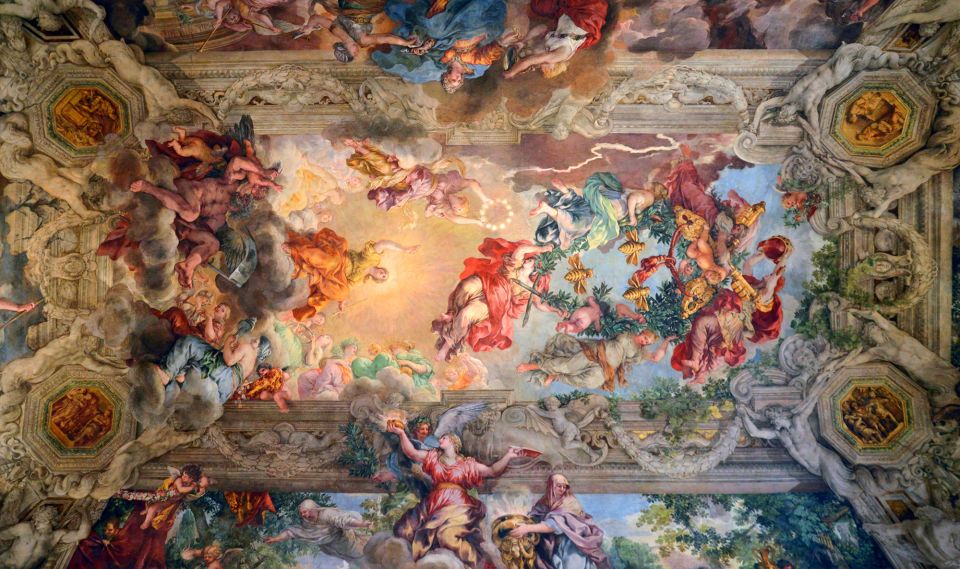
A major highlight is the magnificent ceiling by Pietro da Cortona, a famous example of the Baroque style. Ceilings can be tough to appreciate because they’re part architecture, part illusion, part theater—and you can miss the “how” if no one explains it.
This tour helps you see the ceiling as more than decoration. You learn what makes Baroque feel dramatic: the way it plays with space, movement, and viewer attention. The result is that you understand why Baroque art tries to pull you into the scene instead of keeping you at a polite distance.
Even in a short visit, this stop is the kind that gives you that instant “ah, now I get it” moment.
Ending in Piazza Navona: Baroque style beyond the museum walls
You don’t just tour inside. The walk ends back at your meeting point, but the route includes finishing in Piazza Navona, which is described as the symbol of the Baroque style of Rome.
This is a smart ending because it links “style” to something you can experience in the open air. Baroque isn’t only about paintings and ceiling illusions. It’s also about how space is designed to impress you, guide you, and keep your attention moving.
Piazza Navona is the kind of place where you’ll naturally look up, then look around. That helps the Baroque story you learned indoors feel real in the city itself.
Price and value for a private 2-hour visit
At $135.94 per person for a 2-hour private tour, the big question is value for your time and your group size. Since it’s private, you’re paying for flexibility and for having a guide focus on your questions. If you’re traveling with a partner or small group, the per-person cost can feel more reasonable than a “go with the crowd” option.
You’re also getting included entry tickets, plus the guide and the private tour itself. That removes one friction point: you’re not trying to coordinate museum entry on your own while also trying to follow an art-history narrative.
If you’re someone who enjoys guided context—especially religious and political background—this price is easier to justify. If you’re the type who only wants quick visual sightseeing and doesn’t care about explanations, you might feel the cost more than the payoff.
Who this tour is best for (and who may want another plan)
This experience fits you if you want a clear art timeline in a short amount of time. It’s great for first-time visitors to Rome who want Raphael, Titian, Caravaggio, and Baroque all tied together in one coherent story.
It’s also a good fit if you like private guiding—meaning you can ask questions and keep the pacing comfortable. And since the guide works in English or Italian, you’ll be able to follow the nuance without translation guesswork.
It may not fit you if you need wheelchair access or mobility-friendly routes, because it’s not suitable for people with mobility impairments or wheelchair users. Also note the bag rule: no luggage or large bags, so plan to travel light.
Practical tips so the visit stays comfortable
Here are the small things that help your 2 hours feel smooth:
- Arrive early: the guide waits in the courtyard area holding a sign with the tour name.
- Bring ID for children: you may need a passport or ID card for children.
- Travel with a small bag: luggage and large bags aren’t allowed.
- Wear comfortable shoes: you’ll be moving through museum areas and then toward Piazza Navona.
- Expect rain or shine: the tour runs in all weather, so dress accordingly.
Because the tour is only two hours, comfort matters. When you’re not constantly adjusting bags or footing, you can actually enjoy the art explanations.
Should you book the Palazzo Barberini 2-hour private tour?
If you want an art-history guide that connects major painters to the bigger story—especially the way religious and political change shaped styles—this is a strong choice. The stops are built around high-impact moments: La Fornarina, Caravaggio’s story as the so-called Cursed Painter, and that Pietro da Cortona ceiling that makes Baroque feel theatrical.
I’d skip it if accessibility needs are a factor, since it isn’t suitable for wheelchair users or people with mobility impairments. I’d also think twice if you’re only after a quick look and don’t care about context.
If you’re planning your Rome days around meaningful experiences, this one is a solid use of two hours.
FAQ
How long is the Palazzo Barberini private tour?
The tour lasts 2 hours.
Is this a private tour?
Yes. It’s listed as a private group experience.
What’s the price per person?
The price is $135.94 per person.
What languages are available for the live guide?
The live guide is available in English and Italian.
What’s included in the tour price?
Entry tickets, the guide, and the private tour are included.
Is hotel pickup or drop-off included?
No. Hotel pickup and drop-off are not included.
Where do I meet my guide?
Arrive about 15 minutes early. Your guide will wait in front of the museum entrance in the courtyard holding a sign with the name of the tour.
What should I bring with me?
For children, bring a passport or ID card.
Are luggage or large bags allowed?
No. Luggage or large bags are not allowed.
Does the tour run in bad weather?
Yes. This tour takes place rain or shine.
What’s the cancellation policy?
You can cancel up to 24 hours in advance for a full refund.
Can I reserve now and pay later?
Yes. The option says reserve now & pay later.
Is the tour suitable for wheelchair users?
No. It is not suitable for wheelchair users and not suitable for people with mobility impairments.