REVIEW · ROME
Cooking Class 2 Hour Spanish Steps – Fettucine and Tiramisù
Book on Viator →Operated by cheforaday · Bookable on Viator
Fresh pasta starts with your hands. In central Rome, this fettuccine and tiramisù class puts you in a real Roman restaurant with a professional chef, then you can head toward the Spanish Steps after.
Two things I really like are the step-by-step egg-and-flour pasta coaching and the hands-on small-group vibe, capped at 20 people. One consideration: the class runs fast, and time to eat isn’t counted in the 2-hour window, so keep your next plan flexible.
In This Review
- Key Things to Know
- Getting to V. della Croce and Settling In
- Two Hours for Fettuccine and Tiramisù: What Your Schedule Really Looks Like
- The Pasta Lesson: How Egg and Flour Become Real Fettuccine
- Sauce Choices and the Limits of a 2-Hour Class
- Tiramù Together: Layers, Timing, and Group Work
- Wine, Limoncello, Coffee, and the Part You Actually Eat
- From Your Finished Plate to the Spanish Steps
- Price and Value at About $113.72 per Person
- Who This Class Fits Best (and Who Might Want Something Else)
- Should You Book This Rome Pasta and Tiramù Class?
- FAQ
- How long is the cooking class?
- Where do I meet for the class?
- Is the class offered in English?
- How many people are in the group?
- What dishes will I make?
- Is wine included, and do I have to be 18+?
- Do I get limoncello or coffee at the end?
- Is a pasta sauce included?
- What is the cancellation deadline for a full refund?
Key Things to Know
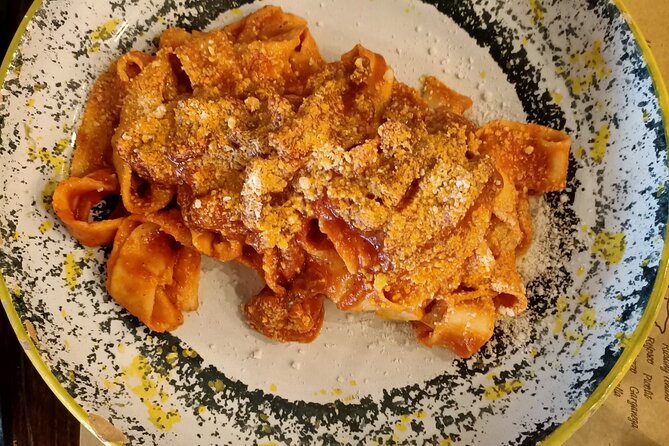
- Make fettuccine from scratch: you work the dough with your hands and learn the core technique.
- Tiramisù is made together: layers and assembly happen as a group, then you dine afterward.
- Choose your pasta sauce: you select a sauce for your pasta, while the session focuses on pasta technique.
- Wine and limoncello are part of the deal: you get a glass of wine (or soft drink) and limoncello at the end, plus coffee/tea options.
- Small group, English instruction: capped at 20 people and offered in English with a mobile ticket.
- Chef assignment may vary: Chef Paolo might not be the teacher, since instructors can change.
Getting to V. della Croce and Settling In
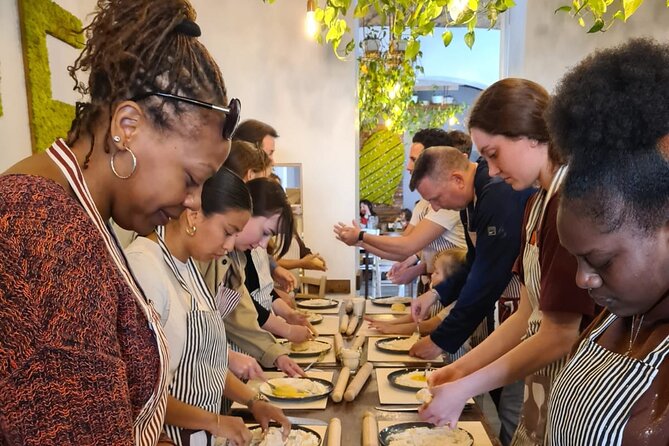
The meeting point is V. della Croce, 34, right in central Rome (00187). That’s a win because you’re not crossing the city just to learn how Italians handle egg dough. Plus, it’s near public transportation, so you can arrive without turning your afternoon into a mini expedition.
One practical tip: the location is in a working restaurant. If you don’t spot the activity right away, just ask a server where to go. People doing early lessons often mention it’s not always obvious at first glance, but the staff will guide you fast.
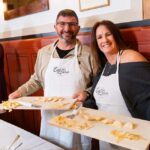
Inside, the vibe tends to feel like a genuine neighborhood place, with music and decor that make the whole thing feel less like a tourist workshop and more like dinner prep with friends. That matters more than you’d think: if you’re comfortable, you’ll relax enough to actually learn the dough.
You can also read our reviews of more cooking classes in Rome

Two Hours for Fettuccine and Tiramisù: What Your Schedule Really Looks Like
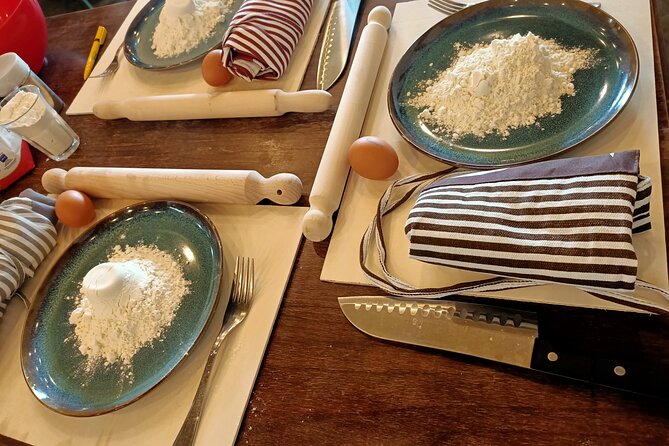
This is an approx. 2-hour class. You’ll cook the pasta and the tiramisù, but the time to eat isn’t included in those 2 hours. In plain terms: the cooking part is the focus, and then the meal happens after you’ve finished the prep work.
That timing affects how you should plan the rest of your day. If you’re trying to cram museum tickets, a long walk, and dinner all back-to-back, this might feel like a squeeze. If you plan one clear block for the lesson and keep the rest looser, it feels easy.
Also note: there are multiple start times. So you can pick something that matches your energy level—morning for sightseeing days, afternoon for a break from the heat, or early evening if you want your “Rome evening” to end with dessert.
The Pasta Lesson: How Egg and Flour Become Real Fettuccine
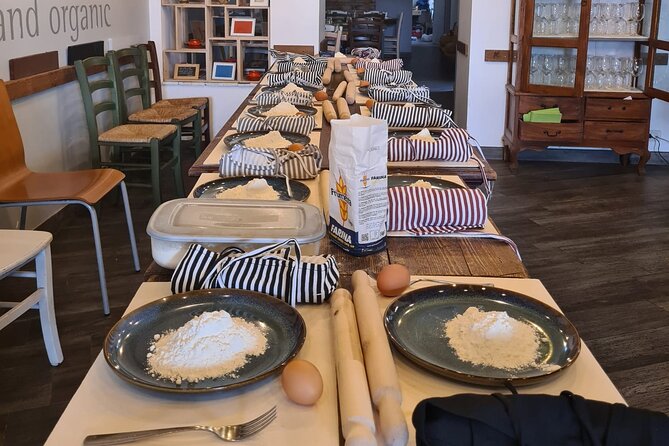
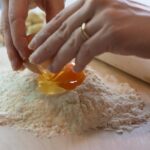
The heart of this experience is learning pasta dough the old-fashioned way: egg and flour, mixed by hand, then worked until it behaves. The class promises you’ll understand the dish and the history of one of Italy’s best-known culinary icons, plus the many forms it can take. Even if you’re not into food trivia, learning the “why” behind each step usually makes the technique stick.
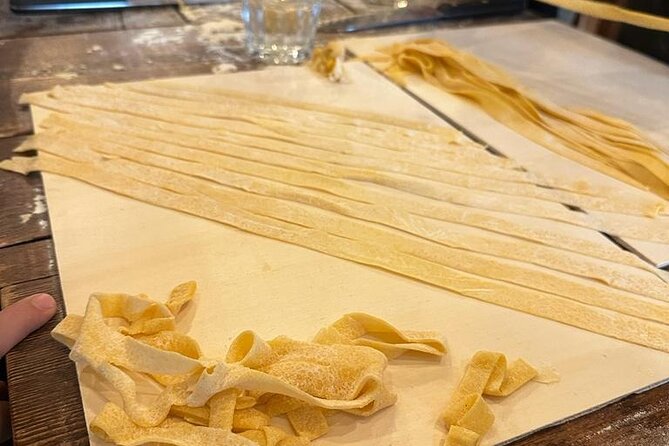
What you’ll likely focus on most is texture. Many people walk away talking about dough consistency—when the dough feels right before it goes to rolling. That’s the make-or-break detail for fresh pasta. You can have the right ingredients and still fail if the dough is too dry or too sticky.
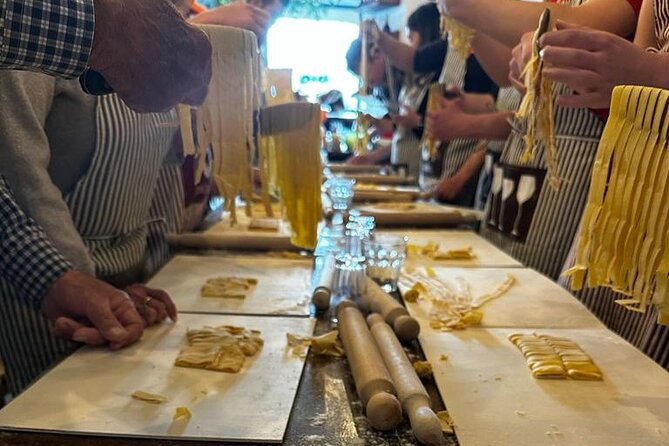
You’ll also get guidance on rolling and shaping. A recurring theme in the feedback is learning the mechanics of cutting/portioning so the fettuccine turns out clean and even. The class is built to keep you moving, so you don’t just watch while someone else does all the work.
And because it’s a small group (up to 20), the chef can correct mistakes. That’s huge for beginners. Fresh pasta is forgiving, but only if someone points out what to adjust while you’re doing it.
Sauce Choices and the Limits of a 2-Hour Class
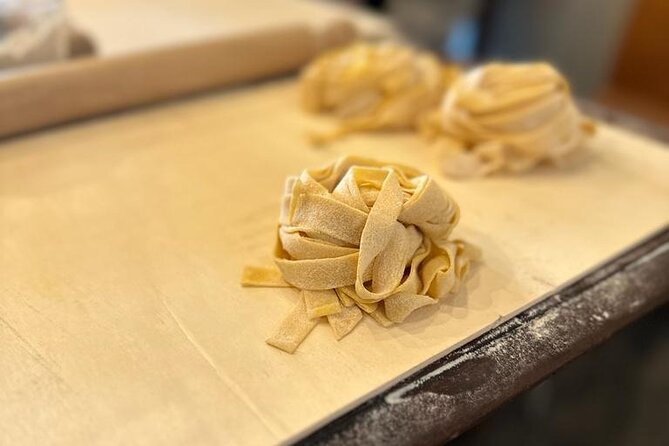
Here’s where expectations matter. You do get a sauce of your choice included with your pasta, but the session is centered on making the pasta itself. The materials mention sauces aren’t included, yet your pasta is paired with a sauce you pick—so think of this as: you choose a pairing, and the class provides the sauce option rather than teaching you to build every sauce component from scratch.
One result: if you’re a detail-obsessed cook who wants to grind, reduce, and craft sauce every step of the way, a 2-hour format may feel too quick. At least one person wanted a bit more time to make their own sauce. On the flip side, this schedule is also the reason it stays fun and doesn’t turn into a half-day homework assignment.
A smart way to use this class: treat the pasta technique as the main takeaway. When you get home, you can repeat the dough and fettuccine steps, then pair with your favorite store-bought or homemade sauce. You’ll still feel like you learned something real—because you did.
Tiramù Together: Layers, Timing, and Group Work
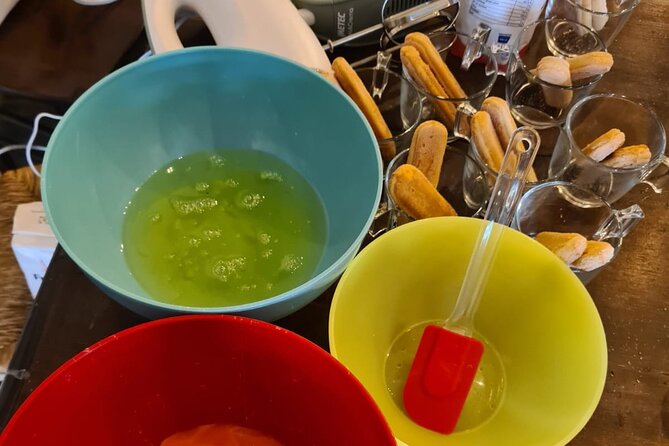
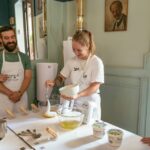
Tiramisù is included, and it’s designed so the group works together—tiramisù is cooked all together. That means you’re not necessarily building one dessert independently from start to finish. Instead, you’ll contribute to the process and learn how the layers come together.
The best part of learning tiramisù in a class like this isn’t just the ingredients. It’s the structure: how to assemble so it looks right and tastes balanced. Tiramisu isn’t hard, but it’s easy to mess up if your layering or handling is inconsistent.
The teaching style also tends to be warm and story-based. Several classes are described with instructors who add personal touches—family memories, food stories, and little coaching nuggets that keep you from feeling stuck at any one step. Even when the cooking pace is quick, those small human moments help you stay engaged.
And when it’s done right, it’s the perfect Rome ending: creamy, not fussy, and instantly satisfying after pasta dough work.
You can also read our reviews of more tours and experiences in Rome


Wine, Limoncello, Coffee, and the Part You Actually Eat

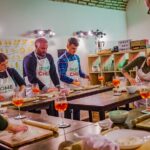
This package includes a glass of wine of your choice (white or red) or, alternatively, a soft drink. Wine service follows Italy’s legal drinking age rules (18+). You also get bottled water, plus coffee and/or tea at the end—then you choose a finishing shot between limoncello or espresso.
So you’re not just paying for the cooking skill. You’re also getting an Italian meal experience that matches the work you did. That matters because it turns the class into a full activity, not a “stand in kitchen, snack later” situation.
A small heads-up: portion size can be a mixed bag. Most comments are positive about the meal, but at least one person felt the dining portion was underwhelming for the price and expected more. So if you’re the type who expects a big restaurant banquet, you may want to plan a simple extra bite before or after (like gelato or a pastry) to round out your hunger.
Still, the overall mood is usually upbeat: you cook, you laugh, then you sit down and eat what you made with your group. That part is where the value really clicks.
From Your Finished Plate to the Spanish Steps
One of the class highlights is that you head to the Spanish Steps after your lesson. This is smart planning. You get a practical indoor activity in the middle of sightseeing, then you step back outside into the iconic Rome scene while the day is still young.
Because your class is central, the Spanish Steps are an easy next move rather than a long transit project. Even if you’re walking more slowly afterward (fresh pasta does that), it’s a nice payoff: you end with a classic photo spot right after a hands-on food moment.
If you want an easy rhythm, plan it like this:
- Finish the class, then take your time walking over.
- Stop for photos before your legs complain too loudly.
- Reward yourself with a gelato nearby, because Rome.
Price and Value at About $113.72 per Person
$113.72 might sound steep at first, but look at what’s bundled. You’re paying for:
- A professional chef-led class
- Cooking equipment
- Ingredients and included items for fettuccine and tiramisù
- A pasta sauce pairing you choose
- Wine or soft drink plus bottled water
- Limoncello at the end, plus coffee/tea options
- An award certificate
When a tour includes both the instruction and the meal components, it usually lands better than paying separately for a cooking class and a restaurant dinner. You’re also getting a skill you can repeat: fresh egg pasta dough and the process of making it without needing fancy tools.
In other words, this isn’t just a tasting. It’s skill-building with food and drink attached. For couples, families with teens, and people who want a break from museum hours, that combo often feels like real value.
Who This Class Fits Best (and Who Might Want Something Else)
This class is a strong match if you:
- Want beginner-friendly pasta instruction with hands-on coaching
- Like the idea of learning both pasta and a classic dessert
- Prefer a small group setting (max 20) where you’re not stuck watching
- Need a rainy-day plan or a way to cool down from Rome heat
It’s also a solid choice for families with older kids, since the class is paced so people can participate without needing culinary training.
Who might not love it? If you’re a serious cook chasing precision, long technique sessions, or a full sauce-making workshop, you could feel the format is too short for your goals. The 2-hour timeframe is designed for fun and momentum. That’s great for most people, but not for everyone.
Should You Book This Rome Pasta and Tiramù Class?
If you want a hands-on Rome pasta cooking class that ends with what you made—fettuccine paired with your chosen sauce and tiramisù plus wine and limoncello—this is an easy yes. The small group size, English instruction, and emphasis on dough technique are the key reasons it works, especially for first-timers.
Book it if you’re also planning to spend time near the Spanish Steps afterward. The timing is convenient, and the whole day feels like a sequence rather than three unrelated tasks.
Pass or look for something longer if you need deep sauce education, slow pacing, or a big multi-course restaurant meal experience. This is cooking class energy: active, structured, and designed to finish in time for sightseeing.
If you can keep your next stop flexible and treat the meal as part of the lesson, you’ll likely come away with both a full stomach and a real skill you can use again at home.
FAQ
How long is the cooking class?
The class is listed at approximately 2 hours.
Where do I meet for the class?
The meeting point is V. della Croce, 34, 00187 Roma RM, Italy.
Is the class offered in English?
Yes, it’s offered in English.
How many people are in the group?
The maximum group size is 20 travelers.
What dishes will I make?
You’ll make fettuccine pasta and tiramisù.
Is wine included, and do I have to be 18+?
Yes. You get 1 glass of wine of your choice (white or red) or alternatively a soft drink. Alcoholic beverages are not served to anyone under 18.
Do I get limoncello or coffee at the end?
Yes. At the end of the meal you choose between a shot of limoncello or an espresso, and you also have coffee and/or tea included. You’ll also have 1 limoncello at the end of the meal.
Is a pasta sauce included?
Yes. You’ll have a sauce of your choice for the pasta included. Sauces are noted as not included for extras, but the included pasta pairing is part of the class.
What is the cancellation deadline for a full refund?
You can cancel for a full refund up to 24 hours before the experience’s start time (based on local time).