REVIEW · ROME
Rome: Trevi Fountain District and Underground Domus Guided Tour
Book on Viator →Operated by TOURISTATION · Bookable on Viator
Rome has a water secret under Trevi. This short, focused tour takes you down into Vicus Caprarius, where the Vergine aqueduct connection and the site’s finds explain how Romans engineered fountains. I like that it’s a small-group experience, so your guide can actually answer your questions while you stand in the cool, excavated spaces below street level.
I also like the payoff: you get a guided look at striking objects like polychrome marble coverings, the head of Alessandro Helios, and even a hoard of 800 coins, before you resurface for Trevi’s quick, famous stop. One thing to consider is that the underground area is limited, and the Trevi Fountain portion is brief—so if you’re mainly chasing big Trevi views, you may feel a bit constrained.
In This Review
- City-of-Water Underground Meets Trevi: The Real Reason This Tour Works
- Meet at Vicolo del Puttarello and Get Set for 30 Feet Down
- Vicus Caprarius: The “City of Water” and the Vergine Aqueduct Connection
- What You’ll Actually See (Not Just “Old Stuff”)
- The Best Part: Getting the Water System in Your Head
- Trevi Fountain: A Quick, Guided Connection to What You Just Saw
- Small Group Size: Why It Feels More Like a Guided Walk Than a Crowd Event
- Price and Value: $53.10 for Guide, Tickets, and Gelato
- Timing and What to Wear (So the Underground Part Feels Easy)
- Who This Tour Is Best For (And Who Might Skip It)
- Quick Tips for Getting the Most From the Underground Story
- Should You Book This Tour?
- FAQ
- How long is the tour?
- Where do I meet the guide?
- What happens during the underground part?
- What will I see underground?
- How much time do I get at Trevi Fountain?
- Is the tour offered in English?
- What’s the group size limit?
- Is this tour suitable for people with mobility impairments?
- Can I cancel and get a full refund?
- FAQ
- What’s included in the price?
- What is not included?
City-of-Water Underground Meets Trevi: The Real Reason This Tour Works

Rome’s fountains don’t happen by magic. They ride on a long network of aqueducts, tanks, and pipes that kept the city supplied—often in ways that are still hard to picture once you’re walking at street level. This tour gives you a rare, practical viewpoint: you see the underground “plumbing” story near Trevi, then you reconnect it to what you’re looking at above.
The value here isn’t just that it’s underground. It’s that the guide links the space to the water system feeding this part of Rome, and you get context you usually miss when you just admire Trevi from the sidewalk. Plus, you’re not fighting the worst of street crowds while you’re inside, which makes the whole experience feel calmer than you’d expect from this area.
Meet at Vicolo del Puttarello and Get Set for 30 Feet Down
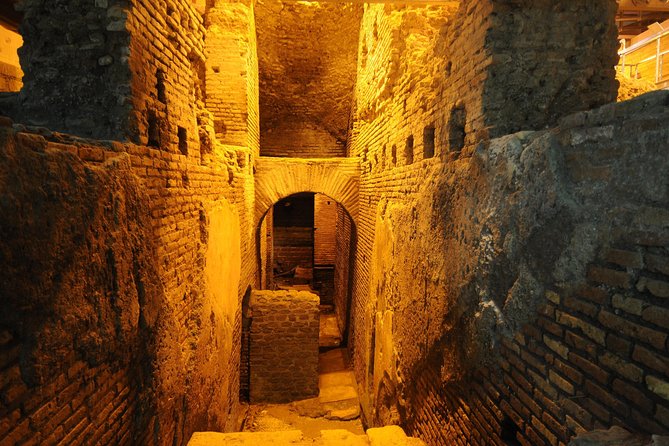
Your tour starts at Vicolo del Puttarello, 25, right by the Vicus Caprarius site. You redeem your ticket on-site and enter with your guide, so you’re not standing around sorting logistics while everyone’s melting in the street heat.
The key practical point: you’re going underground about 30 feet (nine meters). That means comfortable shoes matter, and if you’re expecting a fully flat, easy walkthrough, plan accordingly. The tour is described as not suitable for people with mobility impairments, so be realistic about stairs and steps.
You can also read our reviews of more guided tours in Rome



Vicus Caprarius: The “City of Water” and the Vergine Aqueduct Connection
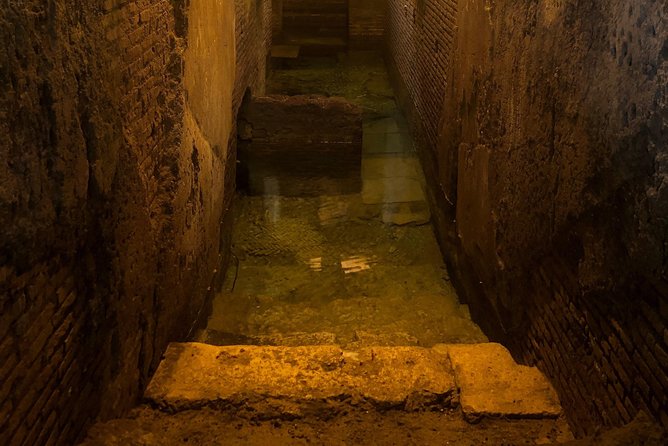
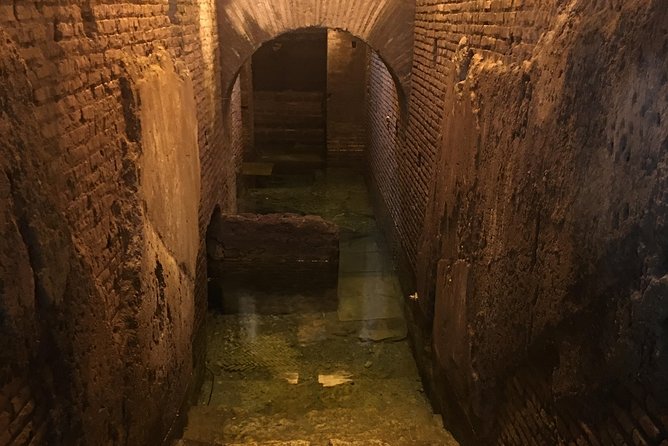
This is the star of the show. Vicus Caprarius—found and excavated only recently compared with Rome’s better-known ruins—was discovered in 1999 in the basement of a cinema. That backstory alone adds a twist: you’re not just touring ancient remains; you’re stepping into a modern discovery that revealed how water infrastructure shaped daily life.
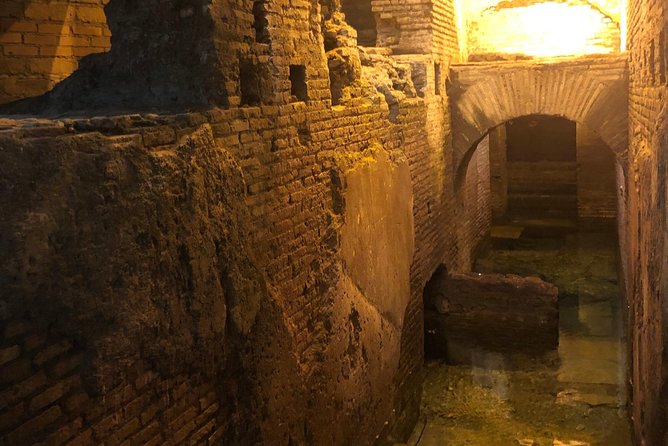
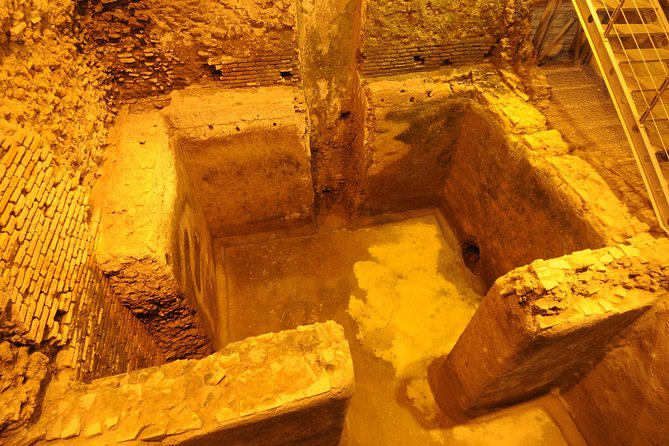
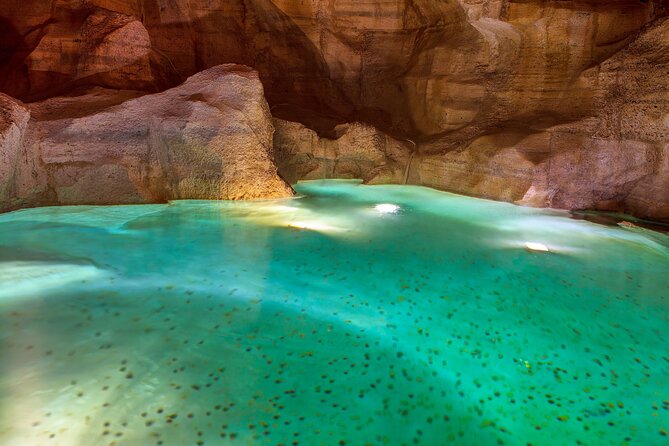
Once you’re inside, you’ll spend around 45 minutes with your guide focusing on the underground water complex. You can see a water tank connected to the Vergine aqueduct, and the site helps explain why the area earned the nickname connected to water supply—Rome’s “City of Water” idea isn’t a slogan. It’s a map of engineering underground.
What You’ll Actually See (Not Just “Old Stuff”)
The tour is built around real finds uncovered when the site was discovered. You’ll learn what they were used for and why they matter in the larger water-and-living story. Expect to hear about:
- Polychrome marble coverings, including precious decorative materials that show a high-status setting
- The head of Alessandro Helios, a notable artifact that stands out in the collection
- A treasure trove of about 800 coins, giving a snapshot of value and use of the space
- Spatheia amphorae—special African jars used to transport oil
Even if you’re not a “Roman artifact person,” this section works because the guide keeps tying items back to function: who lived here, what flowed through the system, and how water mattered more than most people realize.
The Best Part: Getting the Water System in Your Head
A lot of Rome history is about dates and names. This tour is about cause and effect. After you’re down below, you start understanding how water moves through a city, not just where the final fountain sits.
If you like short tours that teach you one clear idea—how the water feeds the area—this fits. Guides named Erika and Michelle (and others) are singled out in past experiences for keeping the tour fun while still packing in details. That combination matters here, because underground sites can turn into a fast tour lecture if the pacing isn’t right.
Trevi Fountain: A Quick, Guided Connection to What You Just Saw
After you come back up, you head to Trevi Fountain. This part is shorter—about 10 minutes—and it’s mainly there to connect the underground water story to the famous surface landmark.
You’ll have access to the Trevi Fountain area as part of the experience, which can help you avoid some of the worst “just stand wherever” chaos. Legend says tossing a coin ensures you’ll return to Rome, and you can do that if you want, but the real trick is using this moment to look with new understanding.
One caution: Trevi is crowded. In the time you have, you may not get long, peaceful staring sessions. That’s okay if you treat Trevi as a capstone, not the main course.





Small Group Size: Why It Feels More Like a Guided Walk Than a Crowd Event
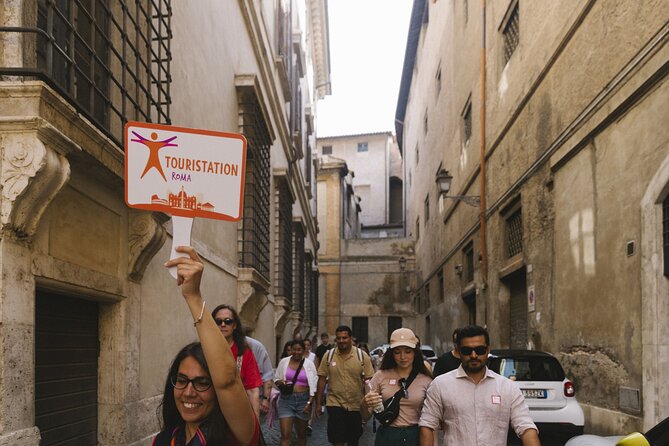
The tour caps at 15 travelers. That size is big enough to feel social, but small enough for the guide to keep moving at a human pace and answer questions without losing everyone.
This matters especially underground. When you’re in a compact space, one person blocking a view can slow a whole group. A smaller group makes it more likely you actually see what the guide points out, rather than watching everyone else watch.
In the feedback for this experience, guides like Erika, Noemi/Neomi, and Erica are repeatedly praised for energy and clarity. When the guide’s style clicks, you’ll feel like you’re exploring with someone who cares—without the awkwardness of a rigid script.
Price and Value: $53.10 for Guide, Tickets, and Gelato
At $53.10 per person for about 55 minutes, this tour sits in the “do we want a guide for this?” category. Here’s how I’d think about value.
You’re paying for three things bundled together:
- A reserved entry ticket and a guided visit to Vicus Caprarius
- Access tied to Trevi Fountain for the on-the-day finish
- An Italian gelato included with the experience
The underground component is where the guide has the most job to do. The site is small, and without context it can feel like you toured a room of interesting objects. With a good guide, that same space turns into a story about how water was brought, stored, and used.
A practical cost-check note: one cost comparison in past feedback noted a much cheaper price for the underground ticket when purchased on your own (around a few euros each). If you’re the type who likes self-guided sites and reads signs, you might decide to do it independently. But if you want a time-efficient explanation that connects underground water infrastructure to Trevi, the guided format is what you’re buying.
Timing and What to Wear (So the Underground Part Feels Easy)
This is a short tour, so every minute counts. Plan to arrive with enough time to find the meeting point without stress. Since the tour goes down and back up, wear shoes you’d trust on uneven stone.
If you’re traveling in warmer months, the underground experience can feel like a relief from street heat. Just remember you’ll still be outside briefly for Trevi, where crowds can make movement slow.
If you want photos at Trevi, you’ll need to be flexible. Ten minutes goes fast, and you’ll likely spend some of that time threading through people.
Who This Tour Is Best For (And Who Might Skip It)
This tour is a great fit if you:
- Want a short, high-impact experience near Trevi
- Care about how Rome actually worked, not just what it looked like
- Prefer smaller groups and a guide who connects details to a single theme (water)
- Have already seen the biggest Rome highlights and want something different and practical
You might think twice if you:
- Came mainly for a long, relaxed Trevi Fountain visit
- Expect a huge sprawling underground maze with lots of tunnels
- Are trying to get the lowest-cost option possible and don’t care about guided context
The underground site is described as limited in scale in some feedback, so set your expectations: think special and specific, not massive and endless.
Quick Tips for Getting the Most From the Underground Story
Here are a few things I’d do to make this tour feel worth your time:
- Ask your guide to explain how the tank and aqueduct connection relates to the fountain you see at the end. That’s the tour’s main bridge.
- Listen for how the artifacts connect to daily life and materials, not just dates—coins, amphorae, and marble have jobs in the story.
- Treat Trevi as a photo-and-legend moment plus a “look again” chance, not as a slow walk.
If your guide’s name is Erika (or Michelle, Erica, Noemi/Neomi), you’re likely in for an energetic, story-driven session based on past experiences.
Should You Book This Tour?
Book it if you want something different from the standard Trevi stop: a compact, guided look at Rome’s water infrastructure that gives you a new way to see the fountain above. The small-group size, the underground setting, and the included gelato make it feel like a complete little package.
Skip or self-guide if you’re mainly chasing Trevi views, or if you’re expecting a much larger underground complex. In that case, you might prefer to spend more time at the surface and pay only for the underground entry when it fits your schedule.
In short: if you like practical history you can see with your own eyes, this is an easy yes. If you want Trevi first and underground second, adjust your expectations before you buy.
FAQ
How long is the tour?
The tour runs for about 55 minutes.
Where do I meet the guide?
You meet at Vicolo del Puttarello, 25, 00187 Roma RM, Italy, which is also the ticket redemption point.
What happens during the underground part?
You enter the Vicus Caprarius site with a guide and go down about 30 feet (nine meters) to explore the Roman villa and ancient cistern remains, plus a collection of artifacts.
What will I see underground?
You can expect a water tank connected to the Vergine aqueduct and information about finds such as polychrome marble coverings, the head of Alessandro Helios, about 800 coins, and spatheia amphorae used for oil.
How much time do I get at Trevi Fountain?
The Trevi Fountain stop is about 10 minutes.
Is the tour offered in English?
Yes, the tour is offered in English.
What’s the group size limit?
The tour has a maximum of 15 travelers.
Is this tour suitable for people with mobility impairments?
No, it is not suitable for people with mobility impairments.
Can I cancel and get a full refund?
Yes. You can cancel up to 24 hours in advance for a full refund.
FAQ
What’s included in the price?
The price includes a guided tour and reserved entry ticket to Vicus Caprarius, Trevi Fountain access, Italian gelato, and Touristation staff assistance.
What is not included?
Food and drinks are not included, and there is no hotel pickup or drop-off mentioned.