REVIEW · ROME
Pasta Making & Wine Tasting with Dinner in Frascati from Rome
Book on Viator →Operated by From Scratch - Authentic Experiences · Bookable on Viator
Frascati turns a simple cooking class into a real day out: a scenic old-town walk, a family wine cellar tasting, and then you make classic Roman pasta with a chef in a small group. I especially like that it pairs Frascati Superiore DOCG and Vagnolo wines with the meal, so the wine choice feels intentional, not random.
What I like most is the hands-on fresh pasta part and the family-run wine setting that goes beyond a quick pour. You’ll learn how to shape and season pasta from scratch, then sit down to eat what you made with the local wines.
The main drawback to think about is the train-and-walk logistics: you meet outside Frascati’s train station and you’ll walk through the old town and head into the wine cellar, with stairs mentioned in the experience flow.
In This Review
- Key highlights you should actually care about
- Frascati: the quick escape that changes the tone of your Rome trip
- Getting to Frascati station and walking the old town
- Wine tasting in a real Frascati cellar: DOCG and Vagnolo
- Making Roman pasta from scratch: cacio e pepe, carbonara, or amatriciana
- Dinner with your pasta and local wine, plus a cave peek
- What you’ll learn (and what you can reuse later)
- Price and timing: is $45.95 good value?
- Who this fits best: families, solo travelers, and pasta-curious beginners
- Practical tips so the day goes smoothly
- Should you book this Frascati pasta and wine dinner?
- FAQ
- Where do we meet in Frascati?
- What pasta dishes can I make during the class?
- What wines are included in the tasting?
- Is the experience offered in English?
- Are vegetarian, vegan, or gluten-free options available?
- How long is the experience and how many people are in the group?
Key highlights you should actually care about
- DOCG + IGT tasting pairing: sip Frascati Superiore DOCG and Vagnolo wines alongside local appetizers
- Small group pace (max 18): you get help if you’ve never made pasta before
- Three Roman pasta choices: cacio e pepe, carbonara, or amatriciana
- Dinner where the pasta lands: your finished dish comes out as a sit-down meal with local wine
- Caves below the cellar: after dinner, you get a peek at the caves hidden under the wine space
- English offered: classes run in English (plus Italian as needed)
Frascati: the quick escape that changes the tone of your Rome trip
Rome is loud, crowded, and often built around museums and monuments. A Frascati pasta and wine evening flips that script with something calmer: vine-country views, a smaller town feel, and a slow-food rhythm you can actually taste.
Frascati is also a great “starter Tuscany” style experience without committing to a full-day drive. You’re close enough to Rome to do it by commuter train, but far enough that the evening feels like it belongs to a different place.
This is a strong choice if you want a trip that’s part food lesson, part local story, and part gentle sightseeing. It’s not trying to be a theater show. It’s trying to feed you well, teach you well, and let you wander the town at the end.
You can also read our reviews of more food & drink experiences in Rome
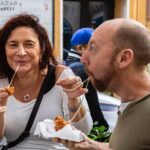
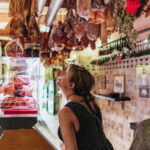
Getting to Frascati station and walking the old town
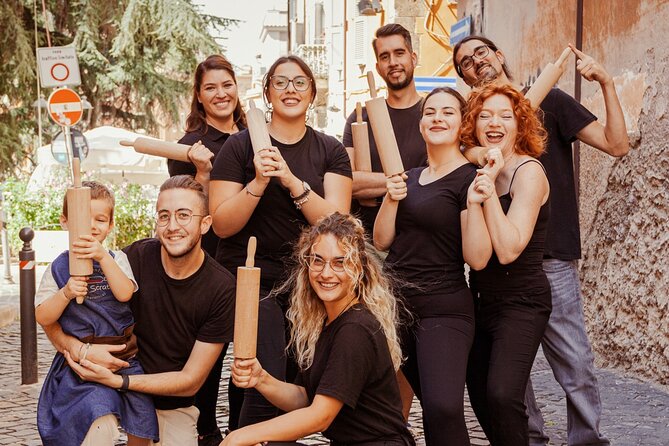
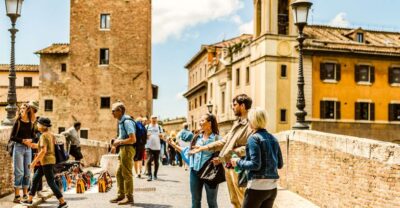
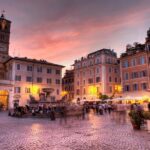
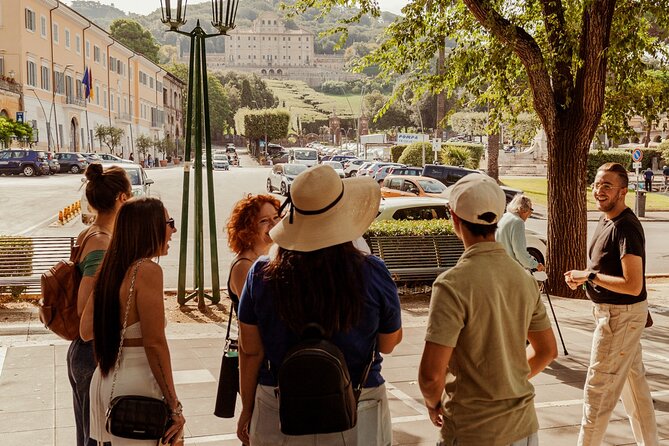
The day starts with a meet-up in 00044 Frascati, right outside the train station. From there, you walk through the Centro storico toward a historic wine cellar, with an intro that helps you get your bearings fast before the wine and cooking begin.
That walk matters more than it sounds. It sets the mood, gives you a sense of scale and streets, and helps the rest of the evening make sense. Frascati isn’t just a label on a bottle here—it’s the place where the family wine is produced and where the cellar tour ends.
One practical note: you should be comfortable with walking and stairs. If mobility is tight, or you hate figuring out public transportation, you’ll want to plan extra time so you don’t arrive frazzled.
Wine tasting in a real Frascati cellar: DOCG and Vagnolo
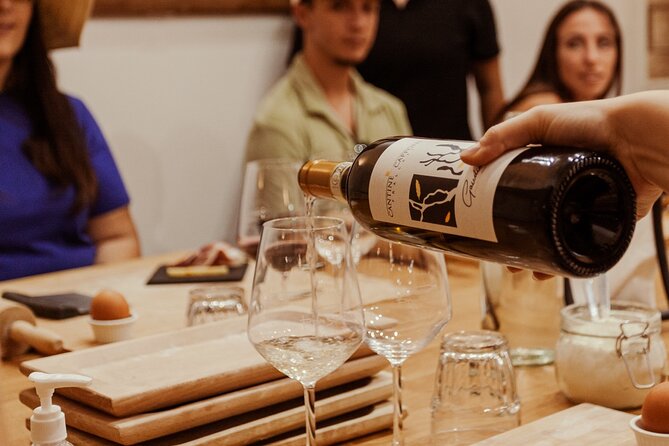
Before you touch dough, you settle in for wine. You’ll taste Frascati Superiore DOCG and Vagnolo wines, plus local appetizers during the tasting portion.
Why this part is worth your attention: Frascati wine isn’t just “white wine from near Rome.” It’s the backbone of the meal, and the tasting helps you notice flavors before you sit down. That makes the later dinner feel like a continuation, not a separate event.
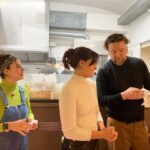
In a family-run setting, you also tend to get answers that don’t feel scripted. Guides in this program often explain what’s in the glass and how the bottles fit into the region’s culture. Names that show up in the experience include Federica, Nico, and Rosie, and they all get praised for keeping things friendly and patient—especially for first-time pasta makers.
After tasting, the pacing shifts from relax mode to action mode. That transition is the whole trick: you’re not rushing in hungry and overwhelmed. You’re warmed up, fed a little, then taught step-by-step.
Making Roman pasta from scratch: cacio e pepe, carbonara, or amatriciana
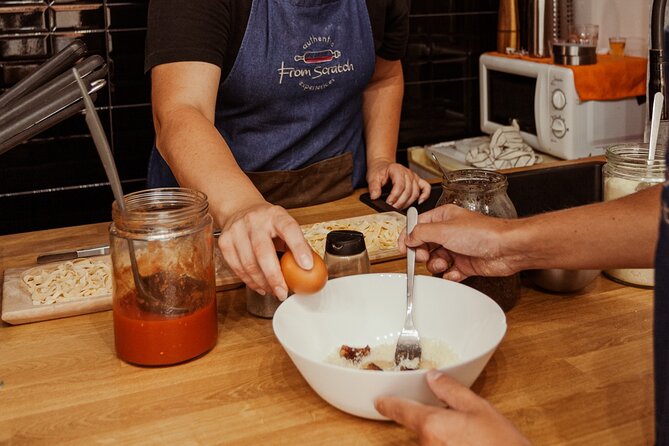
Now the fun part: pasta-making. You’ll roll up your sleeves and learn to make pasta from scratch with chef guidance, with an option to prepare one of three classic Roman dishes:
- cacio e pepe
- carbonara
- amatriciana
You’re not just watching. In a group this size—up to 18 people—the teaching tends to be hands-on. That matters because fresh pasta is touch-based. If the dough is too dry, too wet, or not rested right, you feel it immediately. The best thing you can do is go in with patience. Even people who have cooked before often learn something new about texture and technique in this kind of class.
The guides are also known for staying steady with novices. If you’re an anxious cook, this is the style of class that keeps you from feeling like you’re holding everyone back.
Dietary notes matter here. Gluten-free pasta is possible if required, but the experience also states they cannot assure cross contamination. Vegetarians and vegans can be accommodated if you let the team know in advance. Food intolerance and allergy requests are welcomed too, but they ask you to inquire so they can manage needs on site.
Dinner with your pasta and local wine, plus a cave peek
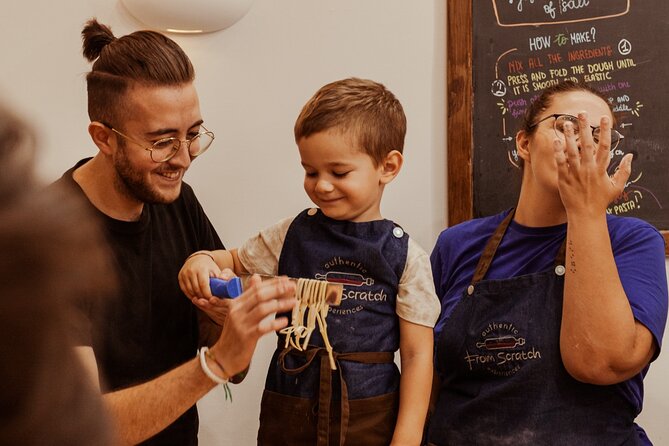
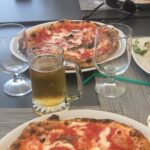
When your pasta is ready, it’s not packed into a to-go box. You sit down for a meal featuring the pasta you prepared, served with local wines.
This is where value shows up. A lot of food tours in Rome sell “a bite” experience. Here, you build something, cook it, and then actually eat what you made. It’s a full circle: dough to plate, and wine as part of the pairing instead of a separate accessory.
After dinner, you get a peek at the caves hidden below the wine cellar. That’s a nice add-on because it gives the wine setting texture—literally. It helps you understand why cellars and caves are so important to how wine is kept, stored, and served in places like this.
Then you wrap up with the walk back toward the train station. If you still have energy, Frascati is a good spot to stretch your legs before heading back to Rome.
You can also read our reviews of more cooking classes in Rome



What you’ll learn (and what you can reuse later)
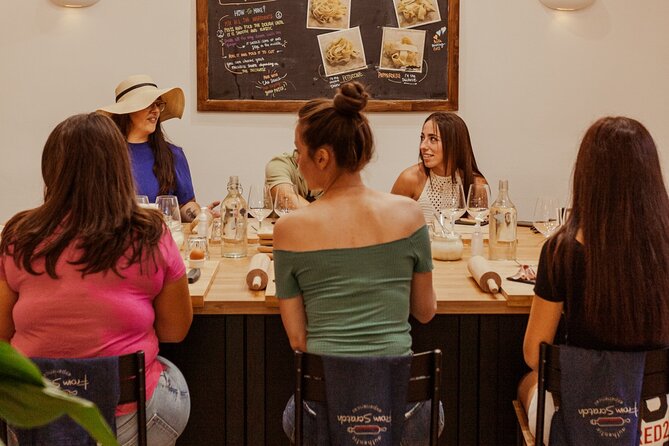
This kind of class is valuable because it teaches a process, not just a recipe. Even if you never plan to host a pasta party, the method sticks.
Here’s what you can expect to take away from an evening like this:
- How to work with fresh pasta dough until it’s the right feel
- How sauce decisions relate to the pasta you’re making
- Why Roman classics stay simple but careful (ingredient balance, timing, and handling matter)
- The practical rhythm of cooking: prep, rest, roll, shape, cook, then plate with the meal
The program is also structured so the wine tasting doesn’t feel disconnected. You taste first, then you cook and eat with the wine experience still fresh in your head. That makes the whole thing more memorable than a “two separate halves” class.
If you enjoy food tours, you’ll probably appreciate that it’s not only about cooking. There’s also a town and wine story woven into the evening, so you get context while you eat.
Price and timing: is $45.95 good value?
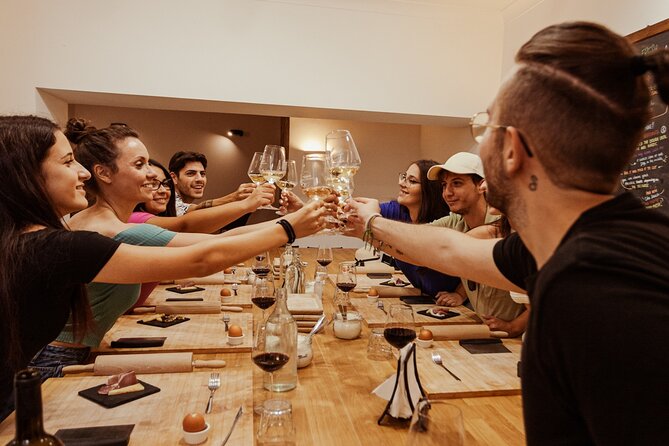
At $45.95 per person for about 2 hours 30 minutes, this is priced like a serious activity, not a quick snack class. The value comes from what’s included:
- a Frascati walk with local context
- wine tasting with appetizers
- hands-on pasta-making instruction
- a sit-down dinner with the pasta you made and local wine
- a look into the cellar caves afterward
For Rome, that combo is exactly what makes the price feel fair. You’re paying for instruction, ingredients, and a full meal experience outside the city’s usual tourist pricing pressure.
It also tends to sell early—this one is often booked around 29 days in advance on average. If you’re traveling in peak season, it’s smart to lock it in sooner rather than gambling on last-minute availability.
Who this fits best: families, solo travelers, and pasta-curious beginners
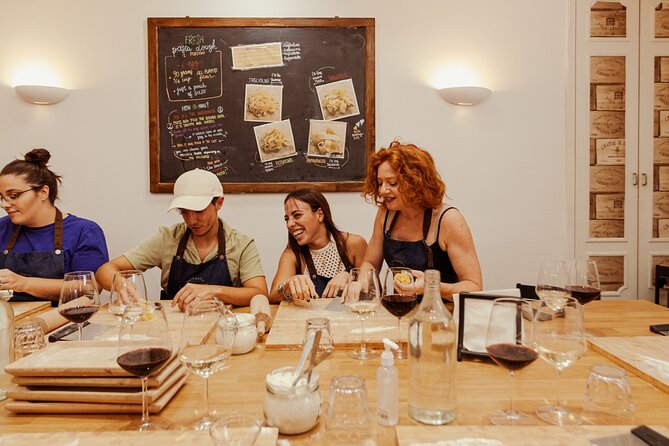
This is a great match if you:
- want a break from central Rome
- like cooking with guidance instead of doing it solo and guessing
- enjoy wine that comes with a local story
- want a shared experience that stays small and friendly
It also works for families. There’s evidence that kids around early teen ages handle it well when the group is patient and the pacing is steady. Even if children are skeptical at first, the combination of tasting, making, and eating tends to win them over.
Solo travelers can also do fine. The experience is built around a small group, so you’re not stuck watching everything from the sidelines.
If you’re the type who wants a purely sightseeing day, this might feel too food-centered. But if you want a day that includes real technique, real wine, and a real meal, it’s right in its lane.
Practical tips so the day goes smoothly
A few things help you get the best version of this evening:
- Arrive on time at Frascati station. The walk and cellar timing matters once you’re in the wine-and-pasta flow.
- Wear shoes you trust. You’ll walk through old streets and be in and around the cellar area.
- Plan for stairs. Stairs are mentioned in the experience flow, so don’t assume it’s flat.
- Share dietary needs early. Gluten-free is possible but not cross-contamination guaranteed. Vegans, vegetarians, and allergies can be managed if you request ahead.
- Go into it hungry but calm. The first tasting portion helps, but you still need enough energy to enjoy the hands-on cooking without rushing.
One more tip: if you’re unsure about wine styles, you’ll still be fine. The tasting is part of the learning, and the meal follows your experience of the glass.
Should you book this Frascati pasta and wine dinner?
Yes, if you want a real food-and-wine evening with a local family feel outside Rome. The strongest reason to book is the combination: DOCG/IGT tasting + hands-on Roman pasta + sit-down dinner plus a cellar cave peek. That’s a lot of “included value” for one price, and the small group size helps the experience stay personal.
Skip it (or at least think hard before booking) if you hate trains and walking, or if you’re expecting a huge multi-course restaurant-style feast with unlimited wine. This is a cooking class and tasting evening, not a formal fine-dining program.
If your priority is authentic, practical, and delicious, this is the kind of day trip that makes Rome feel less one-note.
FAQ
Where do we meet in Frascati?
You meet at 00044 Frascati outside the train station. The activity ends back at the meeting point.
What pasta dishes can I make during the class?
You can prepare one of three classic Roman dishes: cacio e pepe, carbonara, or amatriciana.
What wines are included in the tasting?
The tasting includes Frascati Superiore DOCG and Vagnolo wines, along with local appetizers.
Is the experience offered in English?
Yes. The classes are offered in English (and Italian as needed).
Are vegetarian, vegan, or gluten-free options available?
Vegetarian and vegan options are available if you let the team know. Gluten-free pasta is possible if required, but they cannot assure cross contamination.
How long is the experience and how many people are in the group?
It lasts about 2 hours 30 minutes and has a maximum group size of 18 travelers.