REVIEW · ROME
Rome: Private/Group 4 Hours Golf Cart SightseeingTour
Book on Viator →Operated by Rome in golf cart · Bookable on Viator
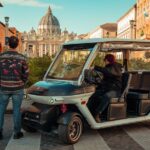
Four hours, and Rome feels bigger than ever. This golf-cart tour is fast enough to beat the street crush while still getting close-up views of the classics. I especially like the pacing that balances driving time with short, purposeful stops for photos and quick looks, plus the back-street angle that shows you Rome beyond the usual postcard routes. The main trade-off is simple: each stop is time-limited, so you will not be lingering in museums or going deep into ticketed interiors.
You’ll be done with the heavy sightseeing legwork fast, which is great for first-timers and for anyone with a tight schedule. The tour can work as a private setup for your group, and there are options for group discounts depending on how you book. One more consideration: it runs only in good weather, and some monuments can be under restoration due to the Jubilee.
Before you go, plan for one key detail. For Colosseum and Roman Forum entry, each person needs a valid ID that matches the name used at booking. If you’re relying on inside visits, also remember that entrance tickets are not included.
In This Review
- Quick Take: what makes this golf cart tour work
- Why Rome on a golf cart fits a real vacation schedule
- Meeting at Piazza della Trinità dei Monti, plus downtown pickup
- First stop energy: Pantheon to set the tone
- Piazza Navona in 15 minutes: what you should look for
- Trevi Fountain for a half-hour of photos and legend
- Roman Forum and Teatro di Marcello: ruins with context
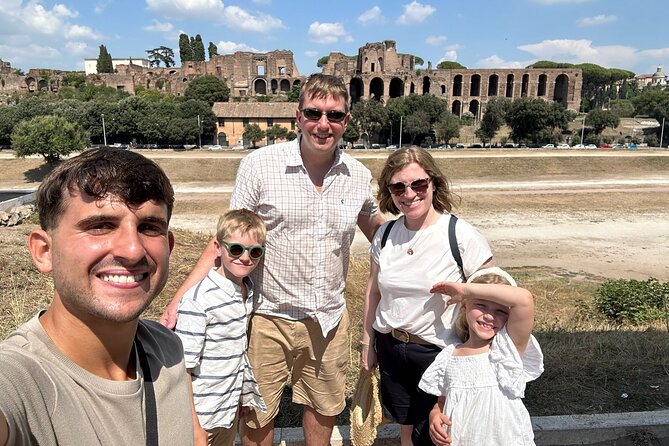
- The best viewpoints: Circus Maximus and Palatine Hill panoramas
- Via Giulia backstreets: the kind of Rome you can’t copy on foot
- Piazza di Spagna: Spanish Steps charm in 20 minutes
- Circo Massimo and Palatine Hill: ancient entertainment and the first center
- The guide-driver effect: why the best part is usually the person
- Price and value: is $168.09 per person worth it
- Who this tour is best for (and who might want something else)
- Should you book this Rome golf cart sightseeing tour
- FAQ
- How long is the Rome golf cart sightseeing tour?
- What does the tour cost?
- Is pickup offered?
- Is this tour private?
- Is the tour in English?
- Are entrance tickets included?
- Do I need ID for the Colosseum or Roman Forum?
- What if monuments are under restoration?
- What if the weather is bad?
- Should I book it?
Quick Take: what makes this golf cart tour work
- Time-saving sightseeing that covers big-name sights without walking all day
- Photo-friendly driving with stops at viewpoints for the right angles
- Backstreet access, including Via Giulia, that’s hard to replicate on foot
- Well-paced guide-driver team who keep the tour moving and still let you look
- Family-ready energy, with drivers who handle kids as well as adults
- Great orientation for short stays, especially on arrival day
Why Rome on a golf cart fits a real vacation schedule
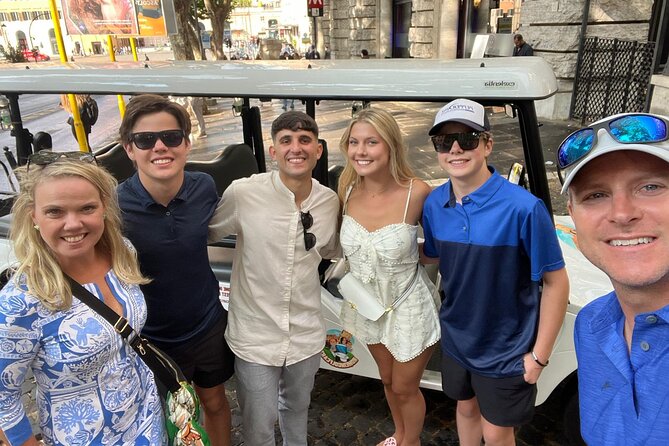
Rome is amazing, but it can be exhausting. This tour’s big advantage is that it gives you momentum: you cover a lot of ground in a short window without shredding your feet on uneven sidewalks.
In practical terms, the golf cart changes how you experience the city. You get unimpeded views while still moving through traffic patterns that buses or cars can’t easily mimic. That matters when you’re trying to “map” Rome quickly—where neighborhoods sit, how the sights relate, and why certain viewpoints feel so dramatic.
It also helps that the tour is built around short stop-and-look windows. You don’t need to choose between seeing the highlights and staying sane.
You can also read our reviews of more private tours in Rome
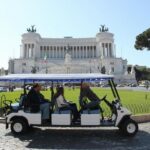
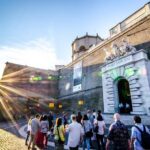

Meeting at Piazza della Trinità dei Monti, plus downtown pickup
The tour starts at Piazza della Trinità dei Monti, which is a convenient jumping-off point near the Spanish Steps area. It also ends back at the same meeting point, so you’re not stranded across town when the 4-hour ride is over.
If you’re staying downtown, pickup may be available from your hotel. This is one of those small things that makes a big difference on day one, especially if you arrive with luggage, jet lag, or you simply don’t want to figure out meeting points with limited time.
There’s also a helpful balance here: the meeting area is near public transportation, so you’re not trapped if your hotel pickup isn’t possible.
First stop energy: Pantheon to set the tone
The itinerary begins with the Pantheon. Even from outside, it’s a powerful anchor for your brain—dome, columns, and that unmistakable “Rome really is different” feeling.
Why start here? Because it gives you a landmark that quickly puts you in Roman time. From there, the tour flows into the more open piazzas and fountains where you can get the geometry of the city right away.
Entrance isn’t included, so treat this as an orientation stop. If you want to go inside, you’ll need tickets on your own.
Piazza Navona in 15 minutes: what you should look for

Piazza Navona is one of Rome’s best “walk-around-with-a-camera” spaces, but the crowds can be intense. In about 15 minutes, this tour style aims to get you the essential view without turning it into a queue-and-stand marathon.
Use this stop to study the shape of the square and the way the buildings frame the center. It’s a quick way to understand why Navona feels like it belongs in a movie.
Also: since this is a short stop, don’t plan to catch every detail. Plan to catch the big impression and move on.
Trevi Fountain for a half-hour of photos and legend
Fontana di Trevi gets a longer stop, about 30 minutes. That extra time helps because Trevi is never truly quiet; even when you’re not waiting in lines, you’re constantly working around people.
What’s worth your time here? Look at the fountain’s layout from angles that aren’t straight-on at the main crowd. This tour format helps because you’re arriving with a schedule, not just drifting until your feet give up.
Admission isn’t the focus here because the fountain itself is free to view. In other words, you can enjoy it even if you skip ticketed interiors.






Roman Forum and Teatro di Marcello: ruins with context
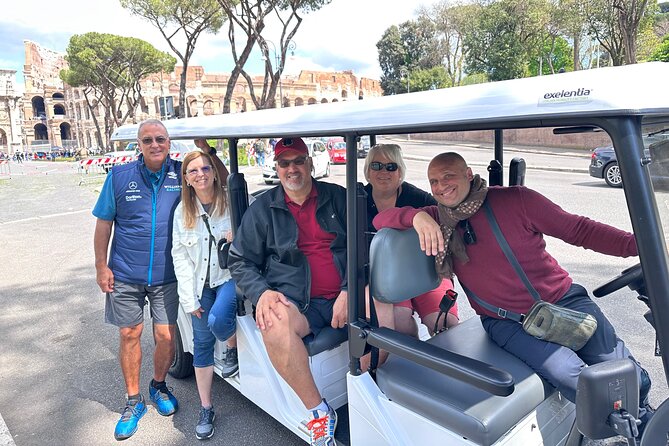
Then you move toward the Roman Forum area (about 15 minutes) and Teatro di Marcello (about 10 minutes). This is where the guide-driver element becomes important, because ruins can feel like random stones if you don’t get the story thread.
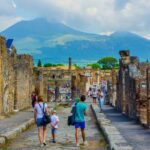
Roman Forum is one of the best places to understand how power worked in ancient Rome—politics, law, ceremonies, and the machinery of an empire. Teatro di Marcello adds a different flavor: it’s a reminder that entertainment and civic life were intertwined in the Roman world.
One practical note: entrance tickets are not included, and the tour highlights these areas as stops. If you want to step into the ticketed sections at the Colosseum and Roman Forum, you’ll need the right ID matching your booking name.
The best viewpoints: Circus Maximus and Palatine Hill panoramas
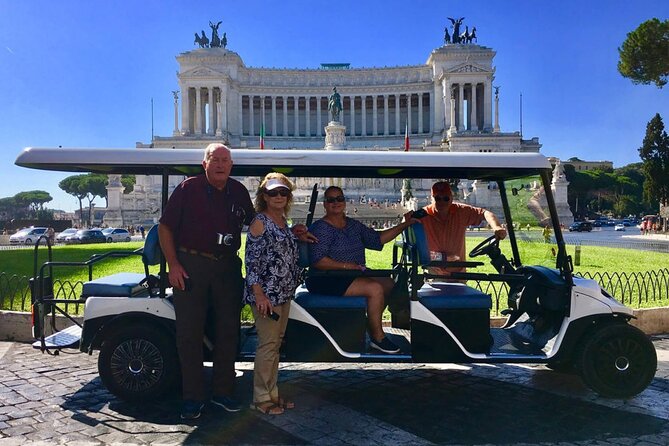
A key feature is the stop for a viewpoint overlooking Circus Maximus and the Palatine Hill. This is the kind of moment you can’t always engineer on your own without spending hours planning bus routes or hiking up viewpoints.
Why it’s valuable: it gives you scale. Once you see the hills and the ancient space in the same glance, the city starts making sense like a diagram.
This tour also includes a stop that focuses on panoramic views toward the Colosseum Arena area. You get the dramatic “wow” angle that postcards try to capture, but with the benefit of being in the right place at the right time.
If you care about photos, this is where you’ll appreciate the method: the guide stops where you can actually get the shot, not just where you can stand shoulder-to-shoulder.
Via Giulia backstreets: the kind of Rome you can’t copy on foot
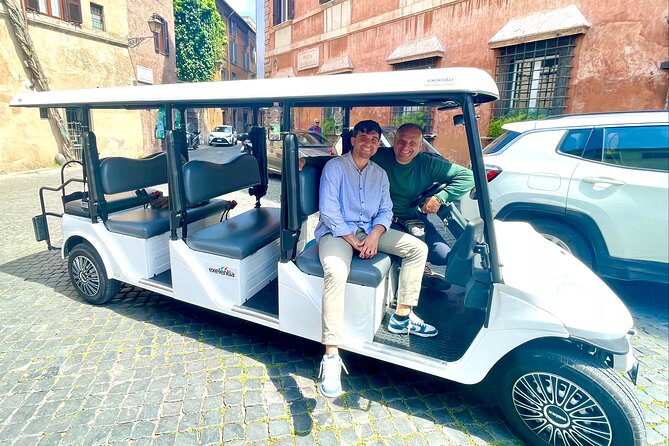
Via Giulia is described as a top backstreet route, and it’s treated like a highlight rather than a drive-by. You get about 10 minutes there, and the big point is access: it’s framed as something you can experience from the golf cart in a way that’s hard to match just walking.
What to look for is the feel of the street—courtyards and Renaissance-era atmosphere. It’s also a stop that tends to change the vibe of the tour. Instead of only ancient ruins and big landmarks, you get a slice of Rome that feels lived-in and architectural.
Also, this is where you may hear references to Michelangelo and Renaissance design influences. Whether you’re a design fan or not, it helps connect the dots between Rome’s layers.
Piazza di Spagna: Spanish Steps charm in 20 minutes
Piazza di Spagna gets roughly 20 minutes. This is a classic Rome stop, but it can be frustrating if you’re trying to do it after hours of walking.
The value here is timing. With a guided schedule, you can enjoy the staircases and the square without turning it into a marathon.
Since the time is limited, focus on choosing your viewpoint quickly. Get a couple of angles, then enjoy the atmosphere of the area before moving on.
Circo Massimo and Palatine Hill: ancient entertainment and the first center
Circo Massimo is on the route next, with about 10 minutes. This ancient chariot-racing stadium is huge in concept, and the best way to appreciate it is by understanding what kind of entertainment brought people together across the empire.
From there, the tour includes Palatine Hill, described as the central part among the seven hills and a key early nucleus of Roman power. This stop is your chance to zoom out and understand why Rome’s geography helped shape its empire.
If you like history but hate slow museum pacing, this is a good middle ground: you get the ideas and the visuals without spending your whole day in ticket lines.
The guide-driver effect: why the best part is usually the person
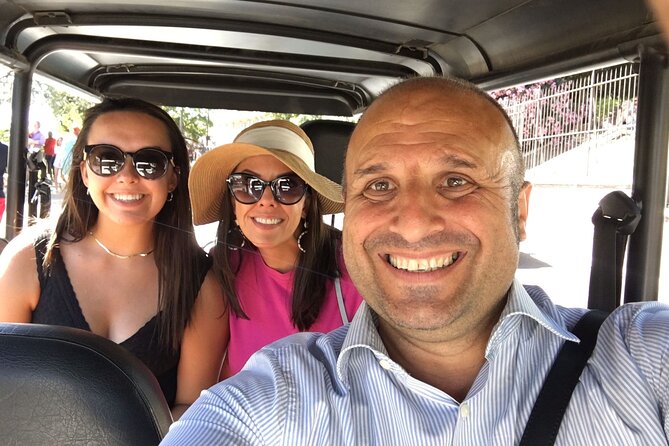
The tour’s success often comes down to the guide-driver. In the reviews, you see the same pattern again and again: drivers like Valerio, Eduardo, Francesco, Michael, Achille, Pierre, and others keep things lively, give clear context, and manage timing so you don’t feel rushed.
Here’s what that looks like for you:
- You get story-based explanations tied to what you’re seeing, not just a list of names.
- Photo stops are handled like part of the plan, so you’re not constantly asking the cart to pause.
- Many guides build in small extras like a coffee or gelato recommendation. Food and drinks aren’t included, but the guidance can point you to a solid break without derailing the schedule.
One more thing I value in this format: flexibility. Multiple reviews mention customization and extra attention, including extra minutes for sites they wanted to see. That’s a real benefit when you’re traveling with kids, older parents, or a group with different energy levels.
Price and value: is $168.09 per person worth it
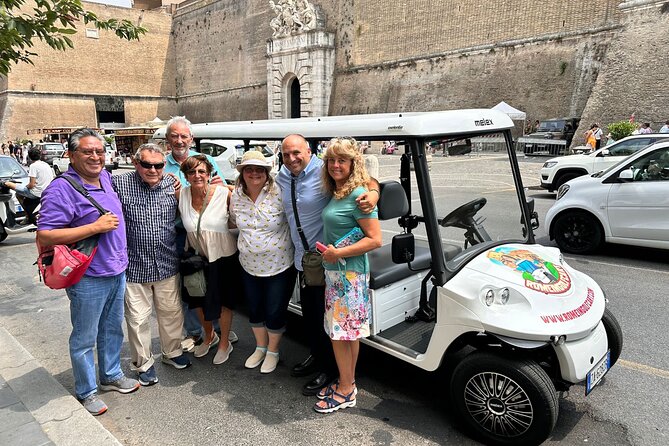
At $168.09 per person for about 4 hours, you’re paying for three things: transportation by deluxe golf cart, a professional guide who also drives, and a tight route that hits major sights and key viewpoints.
If you were to plan this yourself, you’d spend time figuring out transportation, then lose time to walking and lining up at the wrong moments. The tour’s pitch is time-saving, and it mostly delivers because the stops are short and deliberate.
Where the value gets real is for short stays. If you only have a day or a day and a half, a tour like this can replace hours of solo transit plus walking fatigue. For slower trips, it becomes a great “orientation day” so your later explorations are more targeted.
Just remember what you are buying: a guided highlights loop, not a full deep-dive into ticketed interiors all day long.
Who this tour is best for (and who might want something else)
This works especially well for:
- First-time Rome visitors who want major landmarks and viewpoints in one go
- People with limited time who still want to feel the city’s layout
- Families with kids who need frequent breaks and less walking
- Travelers who want photo-friendly pacing without stress
If you’re the type who likes to linger for hours in one museum or you want an all-day ticketed itinerary, you might prefer a slower, ticket-focused plan. This one is designed to move.
It also helps if you like variety. The route blends Pantheon, piazzas, fountains, ruins, and panoramic moments, plus a backstreet stop on Via Giulia.
Should you book this Rome golf cart sightseeing tour
I’d book it if your goal is to get your bearings fast and see the biggest Rome hits without spending your vacation grinding through long walks. It’s a strong first-day option, especially if you want the Colosseum/Forum area context plus sweeping views over Palatine Hill and Circus Maximus.
I would pause if you need long ticketed visits inside major sites, or if you’re traveling during a period where weather is unreliable. The tour does require good weather, and if a sight is under restoration due to the Jubilee, you may need to accept schedule changes.
If your group includes mixed ages or different interests, this format usually lands well. With guides like Valerio, Eduardo, Francesco, and Michael popping up again and again in top feedback, you’re likely to get a lively explanation and a smooth plan.
If you want one smart way to spend four hours in Rome, this is it.
FAQ
How long is the Rome golf cart sightseeing tour?
It runs for about 4 hours.
What does the tour cost?
The price is $168.09 per person.
Is pickup offered?
Yes, pickup is offered from your hotel if it is located downtown. The tour meets at Piazza della Trinità dei Monti.
Is this tour private?
This is listed as a private tour/activity, meaning only your group participates.
Is the tour in English?
Yes, it is offered in English.
Are entrance tickets included?
No. Entrance to the attractions is not included. Some stops are listed as free to view during the stop time, but tickets are not part of the package.
Do I need ID for the Colosseum or Roman Forum?
Yes. Each traveler must present a valid ID card or document that matches the name provided at booking for successful entry to the Colosseum and Roman Forum.
What if monuments are under restoration?
Due to the Jubilee, some monuments may be under restoration, and you may receive messages about potential changes.
What if the weather is bad?
The experience requires good weather. If it is canceled due to poor weather, you’ll be offered a different date or a full refund.
Should I book it?
If you want a highlights loop with minimal walking and strong photo/viewpoint stops in just 4 hours, booking makes sense. Just be ready for short stop times and bring the matching ID you need for Colosseum/Forum entry.