REVIEW · ROME
Rome: 2-Hour Gladiator School
Book on GetYourGuide →Operated by Gruppo Storico Romano · Bookable on GetYourGuide
Roman gladiators, taught like a real class. This 2-hour experience gives you hands-on sword fighting (safely) plus a guided look at what gladiators actually did, not just what movies say.
I especially love that it mixes learning and motion. You get a quick history intro, then you’re suiting up for training, and even at the end there’s a proper “battle” moment that keeps everyone engaged.
One thing to consider: the setting is outdoors, and some people warn about mosquitoes and heat, so pack for a sunny, bug-prone Rome day.
In This Review
- Key Points That Make This Gladiator School Worth Your Time
- The Via Appia Gladiator Class: What the 2 Hours Feels Like
- Finding the Gladiator School of Rome on the Appian Way
- Museum Time: More Than a Quick Look Around
- Swordplay Basics: Safe Training That Still Feels Real
- Learning Gladiator Life: What You Really Hear in Class
- The Final Arena Battle: Your Group’s Big Finish
- What You Get for the Price: Is It Actually Good Value?
- Best Time, Heat, and What to Bring (Mosquitoes Included)
- Language, Group Energy, and How the Guides Run It
- Who This Gladiator School Is For (and Who Might Skip It)
- FAQ
- FAQ
- How long is the Gladiator School experience?
- Where do we meet for the Rome gladiator school class?
- What is included in the experience?
- What happens during the training?
- Do kids and adults participate differently?
- Is the final fight safe?
- Do parents who don’t attend have to pay?
- Is it wheelchair accessible?
- Should You Book Rome: 2-Hour Gladiator School?
Key Points That Make This Gladiator School Worth Your Time
- Via Appia Antica location: training happens on the Appian Way area, where the setting already feels Roman
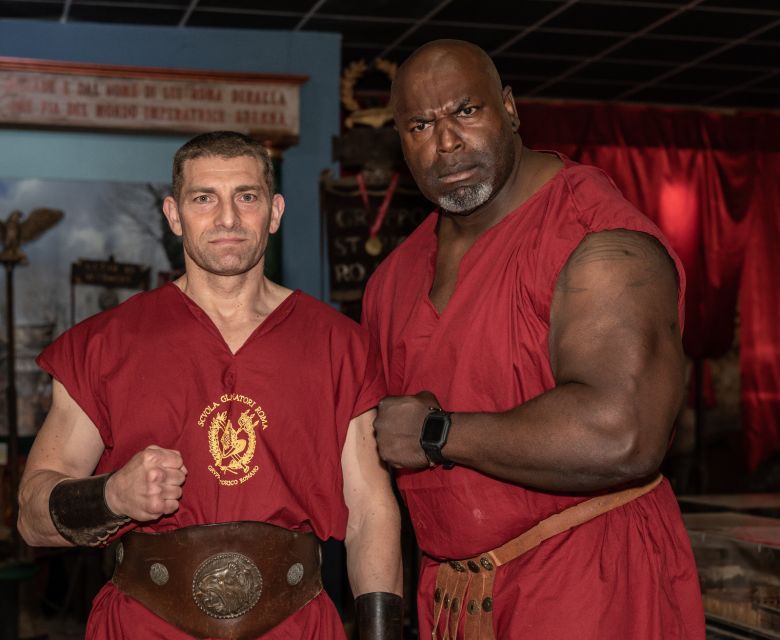
- Museum visit included: you see and handle period-style pieces tied to gladiators and soldiers
- Active, not lecture-heavy: you do swordplay basics with a guide, not just sit and watch
- Final battle moment: you finish with a staged arena-style fight using safe gear
- Guides make it fun: names that came up in recent groups include Cena, Mirko, Olympus, Marko, Patriccio, and Sina
- Great for mixed ages: kids and adults tend to stay interested for the full 2 hours
The Via Appia Gladiator Class: What the 2 Hours Feels Like
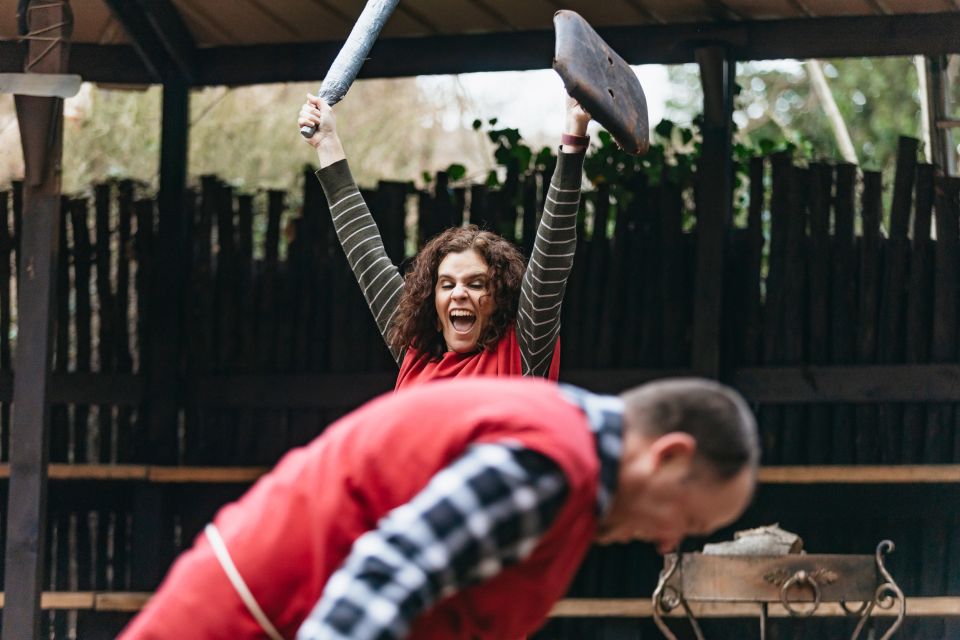
This is the kind of Roman activity that makes history stop being a slideshow. In just two hours, you’ll bounce between a short intro to the world of gladiators and the physical training itself. You’re not just learning terms like lanista or gladius in a vacuum—you’re applying the basics with guidance, discipline, and a lot of encouragement.
The best part is the pacing. You get enough context to understand what you’re doing, then you move fast into practice. That matters because gladiator combat is all about footwork, timing, and control. If you spend the whole time listening, it stops being fun. Here, you’re constantly doing something.
Also, the “school” format works well for families. It’s structured, it has a start and finish, and it ends with a certificate. That last bit sounds simple, but for kids it turns the experience into a real event they can point to later.
You can also read our reviews of more tours and experiences in Rome



Finding the Gladiator School of Rome on the Appian Way
You meet your instructor at the Gladiator School of Rome on the Appian Way. The nearest bus station listed is Appia Antica-Travicella (lines 118 or 218). The activity ends back at the meeting point, so you’re not dealing with a long walk across multiple neighborhoods afterward.
Why I think this matters: the Appian Way area can feel spread out. Starting and ending in the same place reduces stress, especially if you’re bringing kids or trying to fit this between other big sights like the Colosseum.
For the practical side, wear closed-toe shoes. Even if training is “safe,” you’ll be moving around, stepping into positions, and generally using your legs more than you expect. And if you tend to get hot in Rome, dress to breathe.
Museum Time: More Than a Quick Look Around
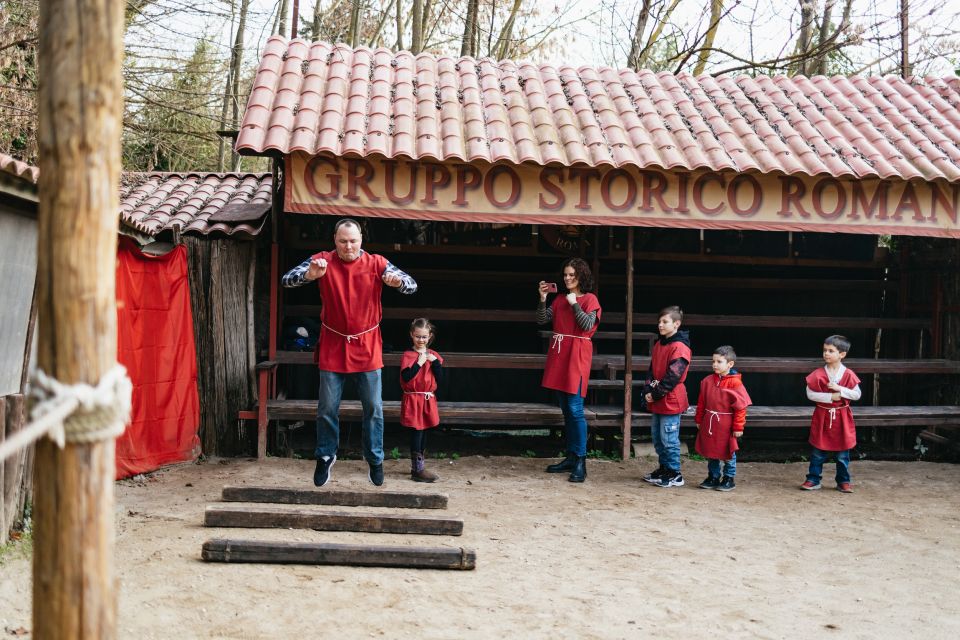
Before you start sword drills, you’ll have a museum visit as part of the session. It’s not presented like a passive museum stop where you whisper and shuffle. People describe it as a small museum with interesting items related to real gladiators and Roman military life—plus the kind of objects you’d miss in a standard museum.
Some guides also turn this portion into a hands-on moment. One of the recurring themes is that the instructor shows things, answers questions, and keeps it lively. That’s important because “museum time” can easily become the part kids tune out. Here, it’s built to feed the training you’ll do next.
What you’ll get out of the museum segment is perspective. Gladiators weren’t just fighters. They were trained athletes operating inside a system that included weapon choice, armor decisions, and rules. Seeing gear in a historical context helps the training feel like a real skill, not just cosplay.
Swordplay Basics: Safe Training That Still Feels Real
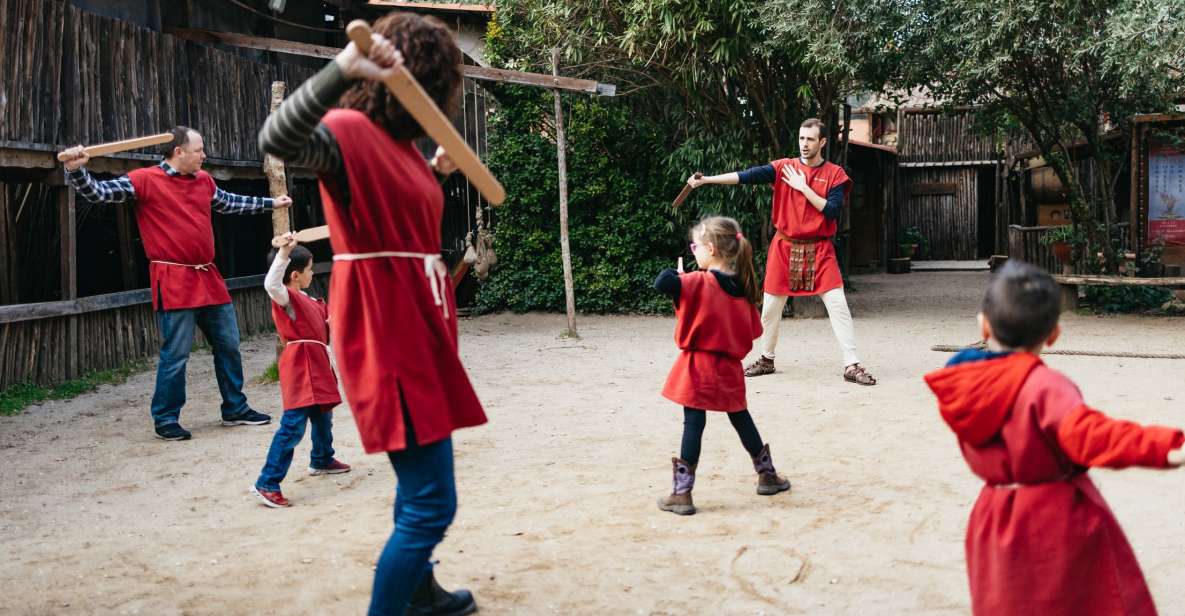
The core of this experience is learning basic techniques of gladiatorial sword fighting. Your session includes putting on the gladiator tunic and practicing swordplay safely under your instructor’s watch.
Expect the training to be active and guided. In multiple groups, people mention constant movement—there’s no long stretch of “stand here while I explain.” You learn through demonstration and repetition. Your guide will give tips on technique using Roman weapons.
A few details that help you picture it:
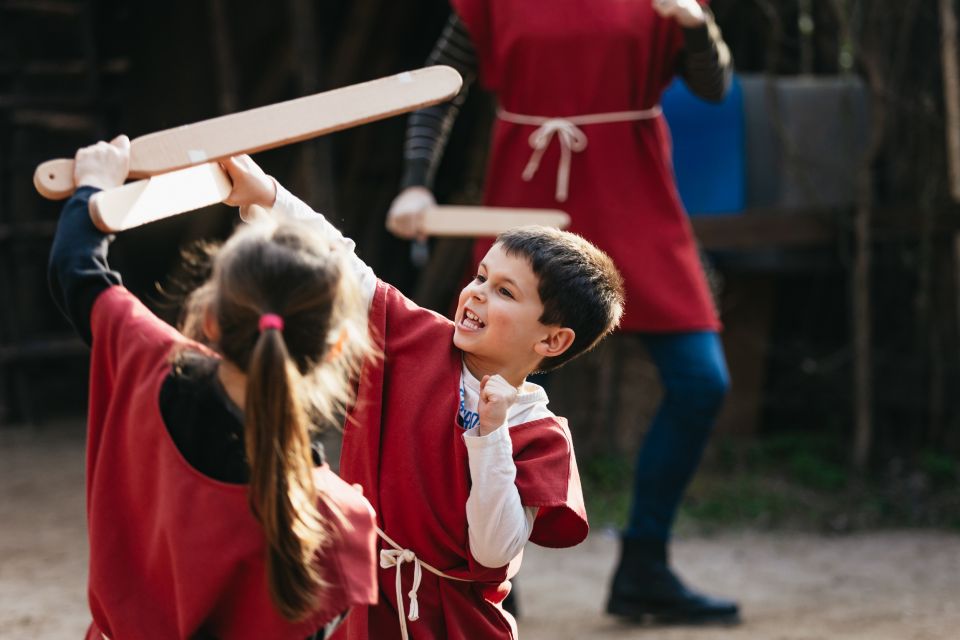
- You practice positions and movements with foam or safe training equipment (people specifically mentioned foam swords in the final moment).
- Your instructor emphasizes control and discipline, not chaos.
- The energy stays high, which is key for young kids. One family described the session as packed with fun and constant activity.
So if you’re an adult worried it will be too childish, don’t. Adults have said they enjoyed the training even as spectators, and that it was more than a 75% lecture “safety briefing” style experience. The format is built for motion and learning together.
Learning Gladiator Life: What You Really Hear in Class

Between training segments, you get explanations about life as a gladiator in Ancient Rome. This is where the experience becomes more than sword lessons. You’re learning what gladiators’ days looked like, how training fit into Roman culture, and how the city’s imperial world shaped the spectacle.
You also get top tips on technique in the same rhythm: short historical context, then immediate application. That’s a smart teaching approach. When kids understand the why, they take the how seriously.
Guides named in recent sessions include Cena, Mirko, Olympus, Marko, Patriccio, and Sina. The consistent thread isn’t a specific teaching style—it’s enthusiasm and patience. Even in groups with very excited children, people describe instructors as friendly, encouraging, and tuned in to what each age group can handle.




The Final Arena Battle: Your Group’s Big Finish
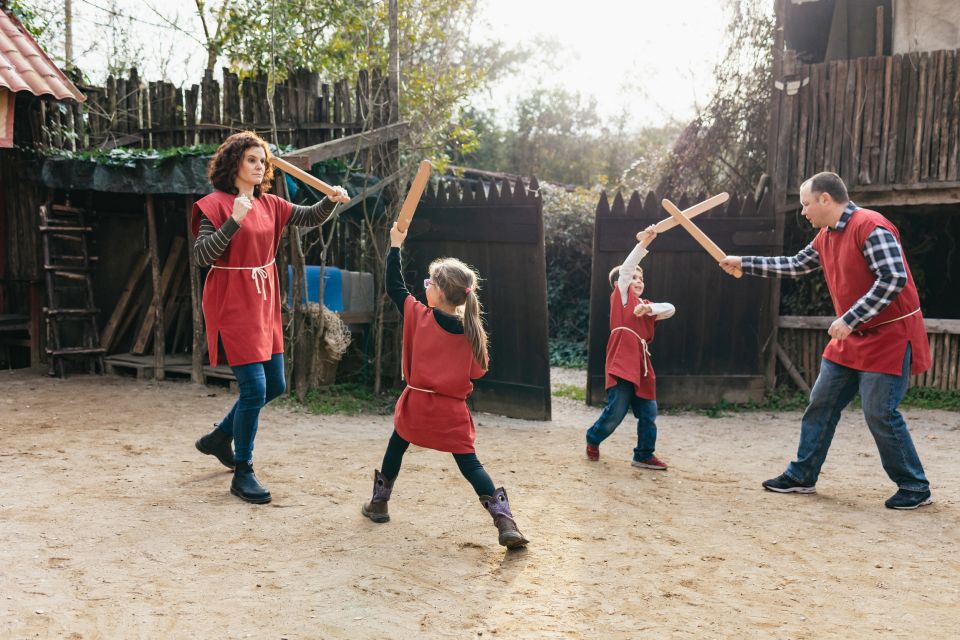
At the end, you’ll get a final battle moment in a kind of arena setting. Families describe this as the highlight: after learning the basics, you get to stage a fight with other participants.
A key detail here is safety. People mention the final battles using foam swords, which lets you experience the thrill of the moment without the risks of real blades. You’ll still feel the drama—facing an opponent, stepping into position, and going through the moves you practiced.
Why this matters for value: the final battle is what turns the class into a memory, not just a skill you learned and forgot. Even some adults who watched as spectators said it looked highly entertaining, and plenty of kids left talking about it for days.
If you want photos, bring your phone and keep it ready during the final segment. It’s also a good time to capture the group dynamic: kids cheer, adults laugh, and the whole event feels like a shared mini-ritual.
What You Get for the Price: Is It Actually Good Value?

At about $135.94 per person for a 2-hour session, you’re not buying a cheap “activity.” But the pricing starts to make sense when you look at what’s included.
Included items:
- Museum visit
- Gladiator training
- Certificate
- Drinks
The value comes from the mix. You’re getting multiple components in one compact experience: history + museum-style viewing + structured training + a final arena-style moment. That combination is what makes it feel like a real class rather than a one-off performance.
Also, it’s one of those Rome experiences where the “price-per-minute” doesn’t feel bad because you’re busy the entire time. Reviews repeatedly highlight that it’s not lecture-heavy and that there’s constant activity. For families, that’s a big deal. Two hours of engagement can beat a longer sight that requires patience.
And it’s not only for kids. Adults have described it as fun even when they participated as well as when they stayed engaged as spectators. If you like hands-on learning, this kind of pricing can feel fair.
Best Time, Heat, and What to Bring (Mosquitoes Included)

This is outdoors training in Rome, so plan like it’s Rome.
Two practical warnings show up in real-life comments:
- Mosquitoes can be a problem, and people recommend bringing insect repellent.
- It can get very hot. One family described over 95°F conditions and noted shady spots plus cold water on-site. Guides also reportedly keep participants hydrated.
So here’s what I’d do:
- Wear light, breathable clothes you don’t mind getting a little dusty.
- Bring sunscreen and water if you run hot. Even with drinks included, it’s smart to have your own comfort plan.
- Pack insect repellent, especially if you’re going during warmer evenings or humid days.
- Use closed-toe shoes that won’t slip on uneven ground.
If you’re planning this after a big morning at the Colosseum, give yourself a short mental reset. Gladiator training asks for energy and movement, even though it’s controlled and safe.
Language, Group Energy, and How the Guides Run It
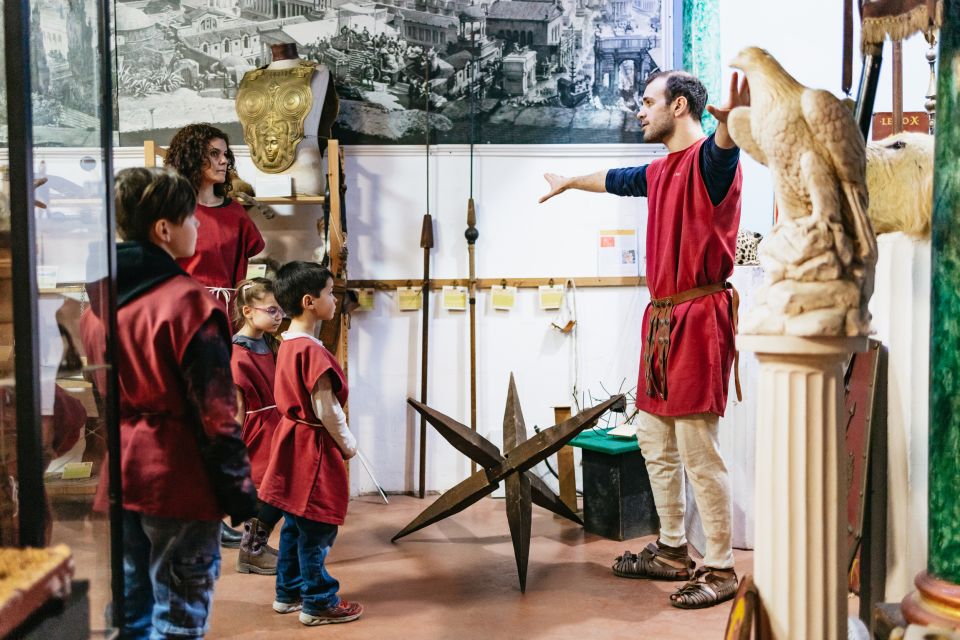
Instruction is offered in English and Italian, so you won’t be left out if your Italian is rusty. People also consistently mention that guides keep things moving and make the experience easy to follow.
What stands out across the named guides (Cena, Mirko, Olympus, Marko, Patriccio, Sina) isn’t just friendliness. It’s that they manage excitement. Kids can be wiggly and loud. Adults can be self-conscious. A good guide handles both without turning the day into a strict drill or a comedy show that loses the teaching.
If you want a smoother experience, listen for the safety and technique tips at the start. After that, commit to the role. When you’re in tunic and doing the footwork, it’s hard not to have fun.
Who This Gladiator School Is For (and Who Might Skip It)
This is a strong match if:
- You want a hands-on history experience in Rome that’s actually interactive.
- You’re traveling with kids and need an activity that keeps them engaged.
- You like learning through doing, not just reading plaques.
- You’ve already seen the Colosseum and want something different—more active and less just “look and move on.”
It might be less perfect if you:
- Want a quiet, reflective museum-only type experience.
- Have mobility limits and feel uncomfortable standing and moving for parts of a 2-hour session (though the activity is listed as wheelchair accessible).
- Are hoping for advanced fencing. This is basic techniques and fun training, not professional combat coaching.
FAQ
FAQ
How long is the Gladiator School experience?
It lasts 2 hours.
Where do we meet for the Rome gladiator school class?
You meet your instructor at the Gladiator School of Rome on the Appian Way.
What is included in the experience?
The tour includes a museum visit, gladiator training, a certificate, and drinks.
What happens during the training?
You’ll learn basic techniques of gladiatorial sword fighting safely, practice under an instructor’s guidance, and hear about life as a gladiator.
Do kids and adults participate differently?
It’s designed to be suitable for children and adults alike, and it’s taught by an instructor in English or Italian.
Is the final fight safe?
The experience includes a final battle moment as part of the training, and foam swords are mentioned in participant experiences.
Do parents who don’t attend have to pay?
Parents and/or companions do not have to pay for a ticket if they do not attend the course.
Is it wheelchair accessible?
Yes, the activity is listed as wheelchair accessible.
Should You Book Rome: 2-Hour Gladiator School?
If you want a Rome experience that mixes history with real participation, I think this is an easy yes. It’s built for attention spans—kids and adults stay active, and you finish with a tangible memory (the certificate and the arena-style final battle).
Book it especially if you’re traveling as a family or you’ve already done the big Roman monuments and want something hands-on. Just come prepared for an outdoor session with sun and bugs, and you’ll get exactly what this class is aiming for: a fun, structured, safe way to learn how gladiators trained.