REVIEW · ROME
Hills of Ancient Rome Segway Tour
Book on Viator →Operated by Rolling Rome · Bookable on Viator
Rome on a Segway feels surprisingly easy. This tour takes the stress out of getting started with hands-on training right at the shop, then uses the Segway to cover serious ground. I especially like that you’re not just staring at buildings from afar; you get to move with purpose between landmarks.
What I love most is the way it strings together major sites of the Ancient City in a single outing, including the Seven Hills viewpoints that make Rome feel big and close at the same time. The main thing to consider: each stop is short, often around 10 minutes, so you’ll get great snapshots and context, not long stays inside ruins or museums.
In This Review
- Quick hits before you roll
- Entering the Seven Hills by Segway (and why it works)
- Rolling Rome training at Piazza del Gesù: learn, then go
- Piazza Venezia and Trajan’s Column: history you can actually aim at
- Foro Romano and Circo Massimo: see Rome as functions, not just ruins
- Aventine viewpoints and the Keyhole: Rome’s famous party trick with a purpose
- Capitoline Hill and Palatine Hill: where the Seven Hills start to click
- Teatro di Marcello: the Colosseum’s older cousin
- What the timing really means for your day
- Price and value: what $102.12 buys you
- Who should book this Segway route (and who should pause)
- What to do before you go for a smoother ride
- Should you book the Hills of Ancient Rome Segway Tour?
- FAQ
- How long is the Hills of Ancient Rome Segway Tour?
- Where do I meet for the tour, and where does it end?
- Is this tour good for beginners?
- What age do you have to be to join?
- What’s included, and is hotel pickup included?
- What’s the cancellation policy?
Quick hits before you roll
- Pre-departure Segway lessons: training and safety briefing before you head out
- Small groups: capped at 10 travelers (and also listed as semi-private up to 8)
- Rain-ready: ponchos provided, plus a helmet and luggage space at the start
- Seven Hills route: views from Aventine, Capitoline, and the Palatine area
- Iconic “little detours”: the Knights of Malta keyhole and Bocca della Verità stop
- Efficient pace: quick time blocks at each landmark so you see a lot in 3.5 hours
Entering the Seven Hills by Segway (and why it works)
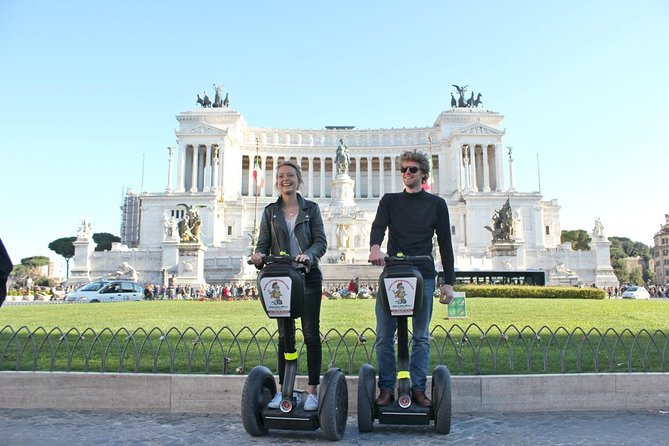
This is a Rome “big hits” tour, but with a smart twist: you use a Segway to cover distance without turning the day into a long slog of steep hills and nonstop walking. With a total duration around 3 hours 30 minutes, you get enough motion to feel like you’re seeing a route, while still getting real orientation along the way.
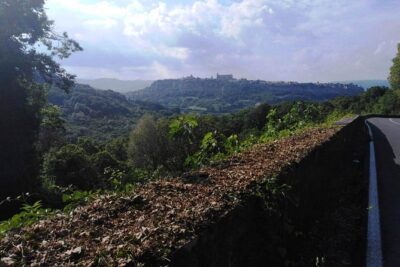
The Segway also changes how you experience viewpoints. When you’re perched up on a hill, you’re not just arriving at the top and rushing back down. You can actually enjoy the angle of Rome—rooftops, domes, and the spread of ruins—because you’re controlling the pace and keeping your footing steady on uneven surfaces.
One practical detail I’d plan around: the minimum age is 15, and the tour is best for people with moderate agility. That doesn’t mean you need to be an athlete, but you should feel comfortable standing, balancing, and riding for a few hours.
You can also read our reviews of more tours and experiences in Rome.



Rolling Rome training at Piazza del Gesù: learn, then go
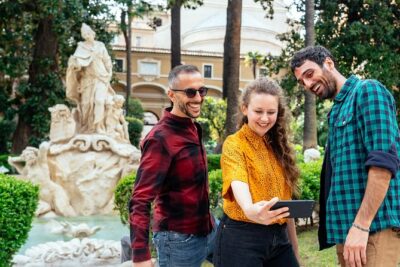
The tour starts and ends at the Rolling Rome meeting spot near transit: Piazza del Gesù 47, 00186 Roma. If you’ve never ridden a Segway, this is one of the reasons I like this style of tour. You begin at the shop area—there’s Wi‑Fi, a toilet, and luggage space—so you can settle in before gear time.
You’ll get the Segway how-to lesson right there, including riding basics and safety guidance before you depart. Helmets are provided, and ponchos are included if weather turns damp (Rome can go from bright to drizzly without warning).
Here’s what matters for your comfort: the tour is designed so first-timers can join. The training reduces the “wait, what if I can’t do this?” stress, and the small group size helps because the guide can correct issues before they become distractions.
A quick tip: dress for both the ride and short outdoor stops. Even when you’re moving, you can feel wind when you slow down at a viewpoint.
Piazza Venezia and Trajan’s Column: history you can actually aim at
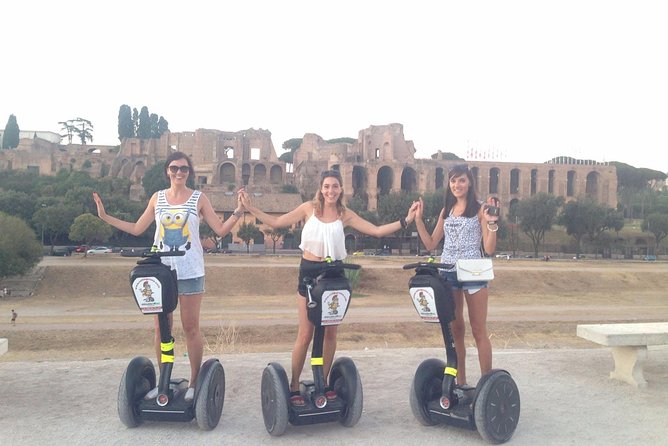
Your first landmark moments happen early, which is exactly when you want to feel confident on the Segway. One stop is Piazza Venezia / the ancient city area, a square packed with stories layered over centuries. Even if you don’t pick out every detail at first, the guide’s talk helps you learn how to look: which buildings anchor the square, and how Rome keeps reusing space and meaning.
Then you head to Trajan’s Column, a huge marble column that’s been standing for about 2,000 years. What makes this stop special is the scale and the narrative. The column tells the story of the Dacian war tied to Emperor Trajan, and you’re not just hearing about it in theory—you’re standing close enough to appreciate that it’s not a small monument. It’s a statement built to last.
Because this is a moving tour, the time here is short (around 10 minutes), so your best move is to listen for the “what to notice” cues. If the guide points out a specific part of the relief story, focus on that instead of trying to read everything all at once.
Foro Romano and Circo Massimo: see Rome as functions, not just ruins
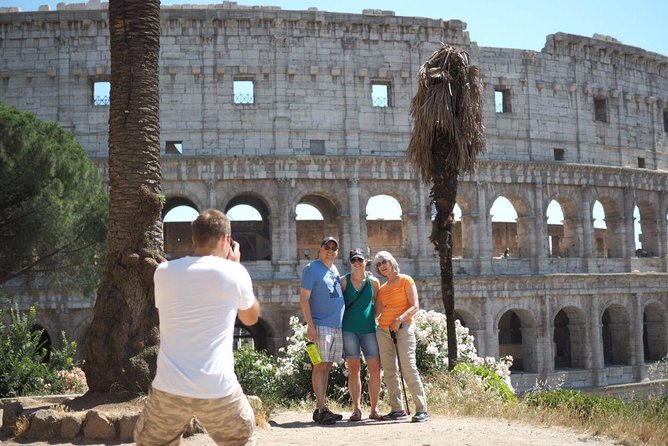
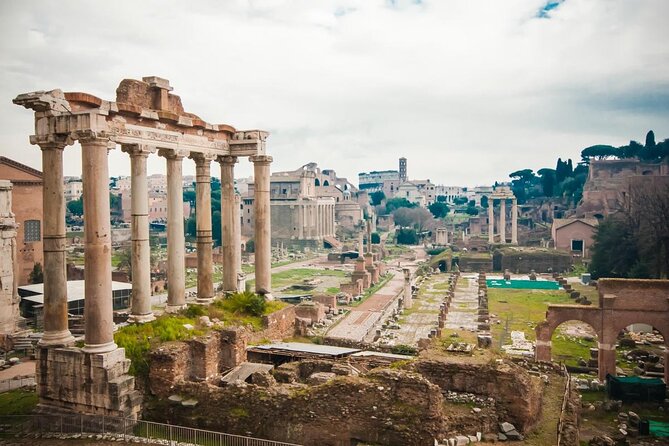
Next up is Foro Romano (the Roman Forum). This part of Rome can feel overwhelming when you arrive on your own. On a Segway tour, you get quick context: markets, politics, money, laws—daily life running through the same spaces people still reference today.
The key value here is interpretation. You’re not just looking at scattered stone. You’re learning what those areas were for. The tour frames it in a way that makes your own walk later more meaningful, because you’ll have a map in your head for what you’re seeing.
From there, you move to Circo Massimo, known for chariot races and tied to the idea of a huge stadium-scale venue. This stop is brief (around 10 minutes), but it’s a good example of how Segways help on tours like this: you can cover ground to reach viewpoints and then quickly circle back to keep momentum.
If you like “how things worked,” this is one of the most satisfying segments. The Forum gives you the civic engine; Circo Massimo gives you public spectacle. Together they shape the Roman experience beyond temples and arches.
Aventine viewpoints and the Keyhole: Rome’s famous party trick with a purpose
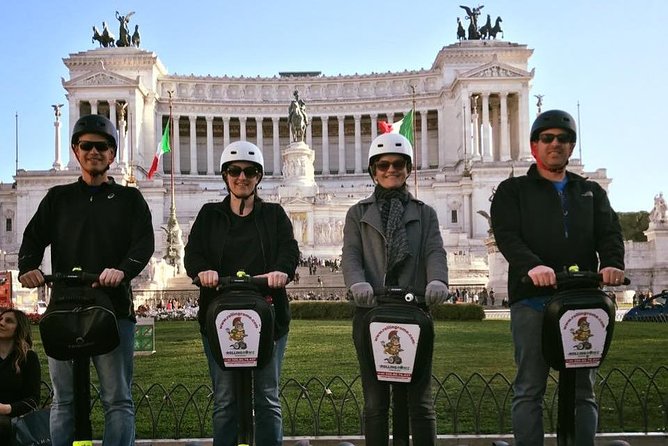
Two of the most fun stops on this route are also the most unexpected if you only think of Rome as ancient monuments.
First is Turo Aventino (Aventine Hill), with a payoff viewpoint of Rome’s rooftops. Aventine is known for perspective, and this tour uses that by taking you to a high spot where the city opens up. The stop is short (about 10 minutes), so listen for what the guide wants you to compare—how buildings line up, what you can spot across the neighborhoods.
Then comes the Knights of Malta keyhole. You’ll peep through the famous keyhole for a surprise view and learn about the idea of a tiny country inside Rome. Even if you don’t go out of your way to chase this on your own, it’s a quick, memorable detour that adds personality to the tour.
The practical part: you don’t need a lot of time to enjoy it. It’s the kind of stop where you get the moment, hear the story, and then roll on.






Capitoline Hill and Palatine Hill: where the Seven Hills start to click
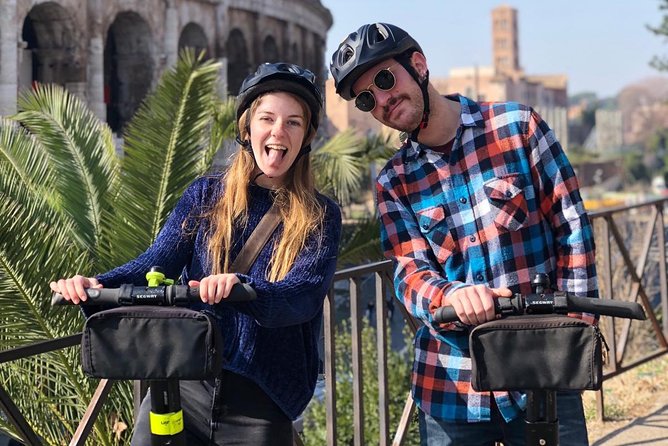
Your next major viewpoint is Colle Capitolino (Capitoline Hill), described as the heart of Rome and the most famous of the Seven Hills. You’re positioned so you can look over the Roman Forum area. This is where the day starts to connect: you see the Forum below and realize how hill positions shaped movement, status, and control.
Then you go to Palatine Hill, with time for those “old ruins” views. Palatine is a cornerstone of the Seven Hills story, and this tour’s approach is practical: it gives you a feel for the terrain and the sightlines, so later, when you visit on your own, you know what you’re actually looking for.
One nice benefit of doing these with a guide is that you’re not just staring at ground-level fragments. From above, ruins start to look like a system rather than random piles. You’ll likely walk away with better instincts for where to spend time on a return visit.
Teatro di Marcello: the Colosseum’s older cousin
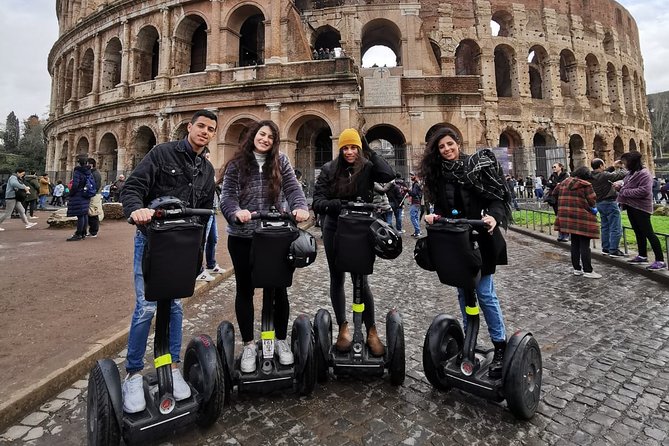
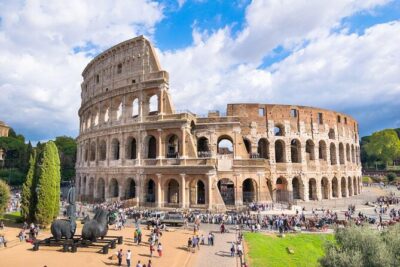
The final major historic stop in the run-up to your return is Teatro di Marcello. It’s described as a little brother of the Colosseum and noted as older. What makes this stop worth your time is the architecture story: the guide frames it as a building with multiple layers of meaning, not just a facade.
This is also one of those stops that works well at the end of a tour. By then, you’ve already learned how the guide wants you to look, so you can notice differences in design and age instead of feeling like you’re hearing a new lecture every 10 minutes.
After this, you roll back to the meeting point near Piazza del Gesù.
What the timing really means for your day
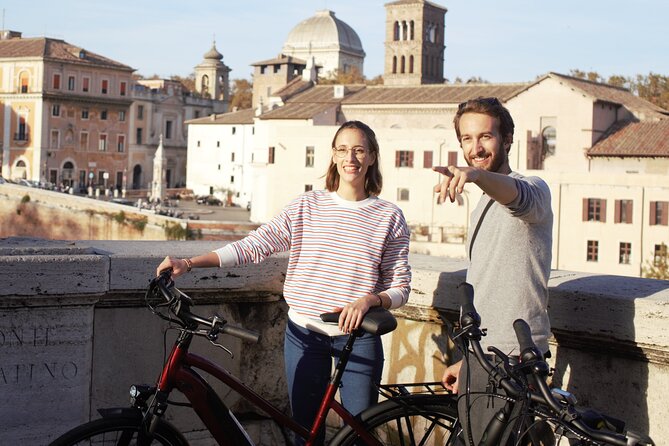
Because the itinerary is built on short landmark windows, you should plan your expectations around coverage. With 3.5 hours total, you’re getting a curated route with quick stops at 10+ sites, many lasting about 10 minutes, a couple slightly longer.
That’s ideal if:
- you want to get oriented fast
- you’re short on time in Rome
- you’d rather spend your energy on viewpoints and stories than on navigating hill after hill
It’s less ideal if you want:
- long museum-style reading time
- unhurried wandering with no schedule pressure
For me, the best way to enjoy a fast pace like this is to pick a “theme” for your attention. For example: focus on political Rome at the Forum and Capitoline, then switch to sport and spectacle at Circo Massimo. If you try to absorb everything equally, you’ll remember less.
Price and value: what $102.12 buys you
At $102.12 per person, this Segway tour isn’t the cheapest way to see Ancient Rome. But the value makes sense when you count what’s included and what the Segway changes.
You’re paying for:
- a local guide for a 3.5-hour route
- Segway gear plus helmets
- training and safety lessons before riding
- ponchos in case of rain
- a semi-private experience with a max group size listed at 10
- multiple major stops that would take a long time to reach on foot
Also, you’re not paying extra for “admission tickets” at each listed stop, since the stops are marked as free for admission ticket purposes in the tour outline. That means your main costs are the tour itself, not separate site fees.
Is it worth it? If you want efficiency and you’re comfortable with a brisk itinerary, yes. If you prefer slower, deeper self-paced visits, you might get more satisfaction choosing a standard walking approach and paying attention to fewer sites.
Who should book this Segway route (and who should pause)
This tour fits best if you:
- want a fun way to cover the Seven Hills viewpoints without burning your legs
- like when a guide connects monuments to how Romans lived, governed, and competed
- can handle short stops and enjoy learning through quick, repeated context
It might not be the best match if you:
- need lots of time to linger at one site
- have concerns about balancing or staying steady on a Segway
- want hotel pickup, since none is included
The tour does say most travelers can participate, and it welcomes beginners with on-site training. One review also highlighted how a guide can be patient and helpful for first-time riders, which is reassuring if you’re nervous about learning equipment fast.
What to do before you go for a smoother ride
Since this is gear-based and hill-heavy, a little prep helps:
- wear comfortable shoes you can stand in
- dress for wind and possible rain (ponchos are provided, but layers still help)
- bring a normal small day bag if you need one, since luggage space is available at the start
- arrive early enough to settle in and take the training seriously
Also, keep your phone ready for the viewpoint stops. Aventine, Capitoline, and Palatine are the moments when your photos will really benefit from the height and angle.
Should you book the Hills of Ancient Rome Segway Tour?
I’d book it if you want a guided route that hits major Ancient Rome landmarks in one outing and you’re excited by the idea of learning as you move. The combination of beginner-friendly instruction, a small group cap, and multiple high-viewpoint stops makes this a strong “first time in Rome” activity.
I’d skip or rethink it if you want slow wandering, long ruin time, or deep museum moments. This is built for motion and context, not for lingering.
If your goal is to get your bearings fast and walk away with a mental map of Rome’s Seven Hills, this tour is a practical, memorable way to do it.
FAQ
How long is the Hills of Ancient Rome Segway Tour?
It’s about 3 hours 30 minutes (approx.).
Where do I meet for the tour, and where does it end?
You meet at Piazza del Gesù, 47, 00186 Roma RM, Italy, and the tour ends back at the same meeting point.
Is this tour good for beginners?
Yes. Pre-departure lessons are included, and training is given on the spot before you start riding.
What age do you have to be to join?
The minimum age is 15 years, and children must be accompanied by an adult.
What’s included, and is hotel pickup included?
Included: a local guide, Segway, helmets, the Segway how-to lesson (how to ride plus safety), ponchos for rain, and a semi private tour (up to 8 participants). Not included: hotel pickup and drop-off.
What’s the cancellation policy?
You can cancel for free up to 24 hours in advance for a full refund. If you cancel less than 24 hours before the experience’s start time, the amount paid is not refunded.