REVIEW · ROME
Off the Beaten Track in Rome: Rione VI Parione Private Tour
Book on Viator →Operated by Withlocals · Bookable on Viator
Quiet corners of Rome can change everything. This private walk through Rione VI Parione and onward to Trastevere trades crowd-flow sightseeing for a calmer, more personal route that still hits major landmarks in a more human way. You also get a local host who steers you toward small, less-frequented places like Ponte Sant’Angelo and Santa Cecilia’s courtyard, plus extra stops that may include spots such as Galleria Sciarra.
I especially like the way the tour mixes big scale with small details: you start on the Tiber at St. Angelo Bridge, then shift into the hush of Santa Cecilia in Trastevere’s courtyard. Second, I like that the pace is set for your party, not a bus schedule, so you can linger when something clicks and move on when it doesn’t.
One thing to consider: the exact route can flex based on your host. If your ideal Rome includes very specific courtyard-and-garden stops, it’s smart to confirm the focus early so the walk matches what you want.
In This Review
- Key points to know before you go
- Getting Oriented at Ponte Sant’Angelo (and Ending in Trastevere)
- St. Angelo Bridge: A Tiber Walk That Explains the City
- Santa Cecilia in Trastevere Courtyard: Quiet Rome Without the Big Ticket
- Where the Tour Can Flex: Parione Side Streets and Galleria Sciarra
- Private-by-Design: Why a Local Host Changes the Day
- Price and Value in Practice for a 2.5-Hour Private Walk
- Tips I’d Use: How to Get the Most From This Quiet Rome Route
- Who This Off-the-Beaten-Track Rome Walk Suits Best
- Should You Book This Off-the-Beaten-Track Rome Tour?
- FAQ
- How long is the Off the Beaten Track in Rome private tour?
- Where does the tour start and where does it end?
- Is this tour private?
- What are the main stops on the route?
- Are admission tickets required for the listed stops?
- Does the price include pick-up?
- Can I use a mobile ticket?
- Is the tour accessible for most people, and are service animals allowed?
- Can I cancel for free?
Key points to know before you go
- Private, just your group: you get a local host and undivided attention instead of a “follow the leader” crowd.
- Start at Ponte Sant’Angelo, end in Trastevere: you’re doing a smooth cross-city arc without backtracking.
- Free-entry stops (as listed): both main sights on the route show admission ticket free for this experience.
- Route may include places like Galleria Sciarra: your host can add offbeat architecture you might otherwise miss.
- CO2 neutral option: all tours offset carbon emissions.
- A flexible meeting approach can happen: one guide reportedly met guests at their accommodation instead of the original meeting point.
Getting Oriented at Ponte Sant’Angelo (and Ending in Trastevere)
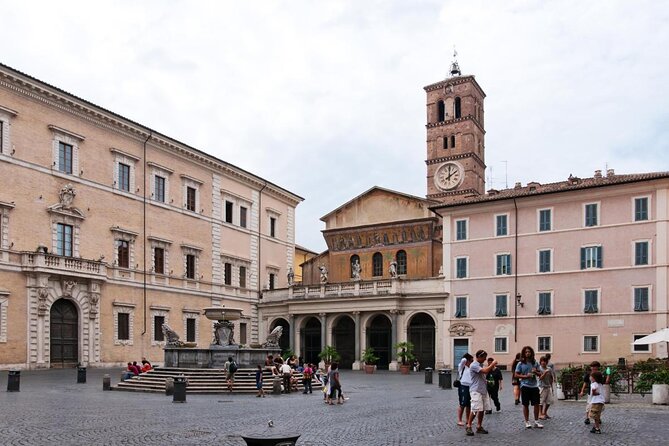
This tour is built like a story with a beginning and an intentional landing. You start at Ponte Sant’Angelo, right where the bridge meets the day-to-day rhythm of the river. That’s a good spot to begin because it’s central, easy to find, and it instantly puts you in Rome’s “movement” zone—Tiber views, bridges, and the city’s layered history.
You finish in Trastevere, which matters because Trastevere is where your walking instincts often want to go next anyway: small streets, local energy, and lots of places to stop for a drink or a snack after the tour ends. Ending there means you’re not left stranded across town, and you can keep exploring while the tour’s context is still fresh.
The vibe here is calmer than typical group tours. Instead of rushing from one photo stop to another, you’re following a host who can explain what you’re seeing and then help you decide what’s worth extra time later. In other words: you’re getting orientation plus a plan, not just a sequence of monuments.
You can also read our reviews of more private tours in Rome



St. Angelo Bridge: A Tiber Walk That Explains the City
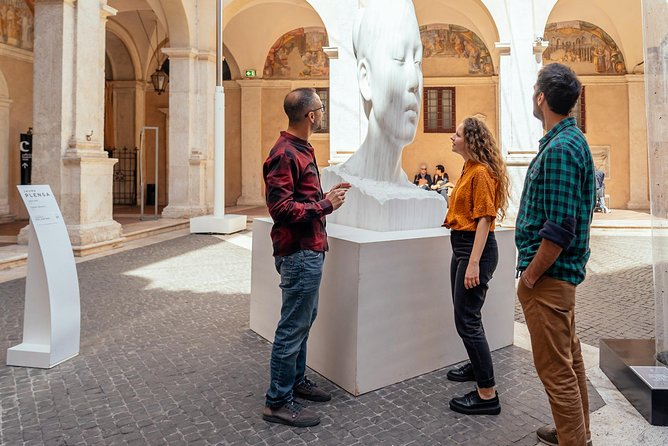
Ponte Sant’Angelo is the first stop, and it’s a strong opener. The bridge dates to 134, linking Castel Sant’Angelo with the other side of the Tiber. Even if you’ve seen Castel Sant’Angelo from afar, standing on or near this crossing helps you understand how Rome’s geography shaped movement—people didn’t just stumble through the city. They crossed specific lines of connection.
You’ll likely spend about 20 minutes here, which is just enough time to get your bearings and absorb the bridge’s role in the bigger picture without feeling rushed. The tour also uses this spot as a springboard for architecture and historical context, so the bridge becomes more than a scenic crossing. It turns into a way to read Rome’s structure.
A practical note: bridges are often windy and open. Wear something comfortable, and expect a bit of river air. Also, if you’re planning photos, this is a moment to slow down and pick one angle rather than chasing every viewpoint.
Santa Cecilia in Trastevere Courtyard: Quiet Rome Without the Big Ticket
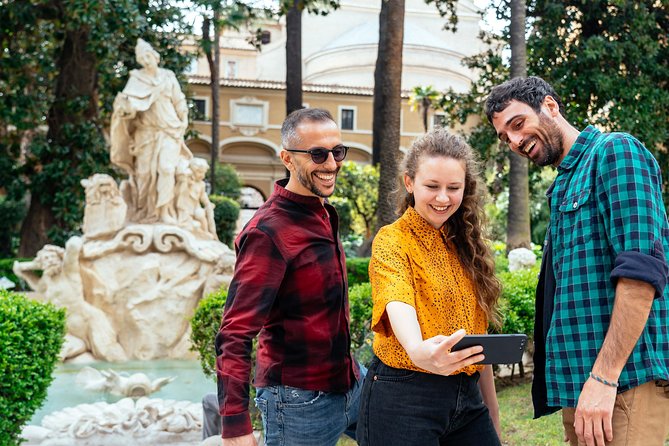
Next comes Santa Cecilia in Trastevere, and the highlight isn’t only the basilica—it’s the sense of calm you get around it. You’re there for the main basilica in Trastevere and its courtyard, which is a nice shift after the open-air feel of the bridge.
You’ll spend about 20 minutes, and that time is ideally used for two things: (1) understanding what you’re looking at, and (2) soaking up the courtyard atmosphere that tends to feel more local than touristy. Courtyards in Rome often work like natural waiting rooms. People pass through, but they don’t always pause long enough to notice textures, edges, and the way light moves across stone.
This is also a good stop if you’re craving a break from the biggest crowds. Santa Cecilia’s courtyard gives you a softer side of Trastevere—still within the city’s pulse, but not trapped inside the loudest tourist loops.
One more useful detail: the experience lists admission ticket free for this stop. That’s valuable because it keeps the sightseeing easy to fit into your day without adding another pay-and-enter step.
Where the Tour Can Flex: Parione Side Streets and Galleria Sciarra
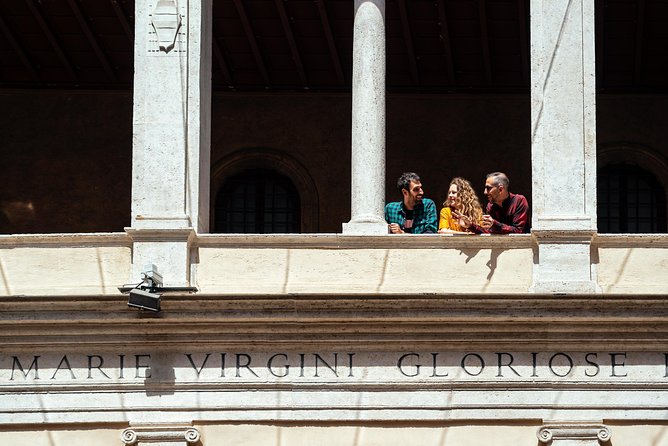
Rome isn’t one city sight. It’s districts that feel different from one block to the next. This experience is designed with that in mind. Your route focuses on an off-the-beaten-track side of the city, and it can include additional stops depending on your host’s choices.
In the highlights, one extra place mentioned is Galleria Sciarra. Even if you’ve never heard of it, that kind of stop is exactly the reason a small, private format can feel better than a checklist tour: it can point you toward architecture and tucked-away spaces you’d probably walk past without context.
You might also notice that the tour’s concept includes “little-known” retreats—think courtyards and garden-like pauses rather than only famous facades. That style of sightseeing is great when you like Rome’s everyday architecture: doorways, small passages, and the kind of places where history feels close because you can see it from arm’s length.
The only caution here is to match expectations. Since the host may choose the exact route, your best move is to set your priorities at the start. If your top interest is quiet courtyards, make it clear. If you also want more major landmarks explained, say so. A good host can adjust. A mismatched one can steer you somewhere less aligned with what you pictured.
Private-by-Design: Why a Local Host Changes the Day
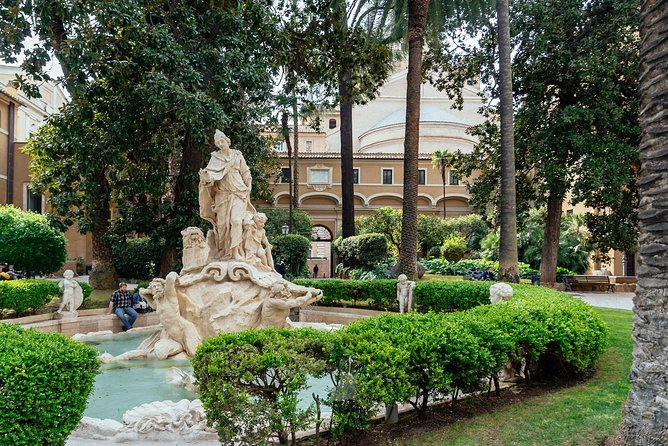
There’s a simple reason private tours often feel better: you’re not negotiating with a group pace. This one is private for your party only, so your host can stop when you have a question, explain at the speed you need, and share practical recommendations for the rest of your trip.
I like how the experience frames the host role: it’s not just facts. It’s tailored guidance. At the end, you’re meant to walk away with suggestions that help you keep exploring after the tour finishes in Trastevere. That matters because Rome rewards momentum. If you know where to go next—or what to skip—you spend less time guessing and more time enjoying.
One review detail that’s genuinely encouraging: an enthusiastic guide named Leonardo was flexible with meeting logistics, reportedly meeting guests at their guest house instead of the original meeting point. That kind of human adjustment can reduce stress, especially if you’re juggling hotel location, luggage, or timing.
The main drawback risk is route alignment, as mentioned earlier. If you booked a very specific style of off-the-beaten-path stops, ask early for a quick outline of what you’ll see. That two-minute check can save you from disappointment later.






Price and Value in Practice for a 2.5-Hour Private Walk
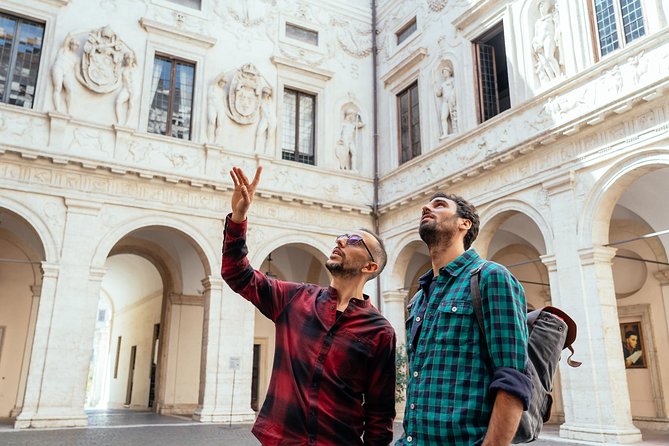
The listed price is $4, and that’s so low it raises eyebrows—in a good way, but still. The real value comes from what’s included: a local guide, a private tour, and mobile ticket support, plus CO2 neutral offsets.
Here’s how to think about value. You’re paying for three things that are hard to DIY:
- A focused route that connects Ponte Sant’Angelo to Trastevere without you having to plan every step.
- Context that helps you understand what you’re seeing right then, rather than reading later.
- Recommendations tailored to your interests, so the tour benefits more than just those 2.5 hours.
If the price you see at checkout is truly that low, it’s an excellent deal on paper. Just make sure you confirm what the price represents at booking—whether it’s per person and what exactly is included for your group size.
Also, keep expectations proportional. This isn’t a full-day Rome binge. It’s a smart half-day-style orientation walk, where the goal is quality over quantity. If you want deep time in one museum, this probably isn’t the right tool. If you want a calmer Rome “first taste” that points you toward better choices for the rest of your trip, it’s a solid fit.
Tips I’d Use: How to Get the Most From This Quiet Rome Route
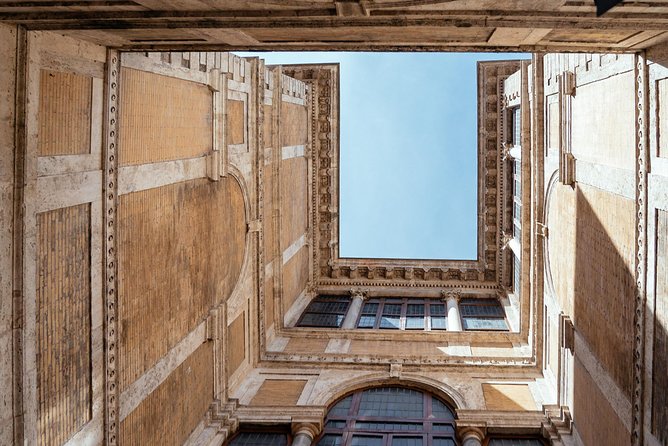
For a tour built around courtyards, passages, and river views, comfort matters more than fashion. Wear shoes you can walk in for a couple of hours, and bring a layer for the bridge portion. Rome weather shifts fast, and Tiber air can feel cooler than the streets nearby.
Before you meet, think about what you want most out of Rome right now. Are you trying to understand the city’s layout? Do you want quieter corners? Or do you want architecture and history explained in plain language? When you start with a clear goal, your host can shape the route in a way that feels worth it.
Once you’re on the tour, ask for practical next steps, not just sightseeing facts. For example:
- Where in Trastevere should you linger after the walk?
- What’s worth a return visit on your own later?
- Are there specific courtyard-like areas your host thinks match your tastes?
This kind of guidance is where private tours often pay off. The walking is the format; the payoff is what you do with the information afterward.
Who This Off-the-Beaten-Track Rome Walk Suits Best
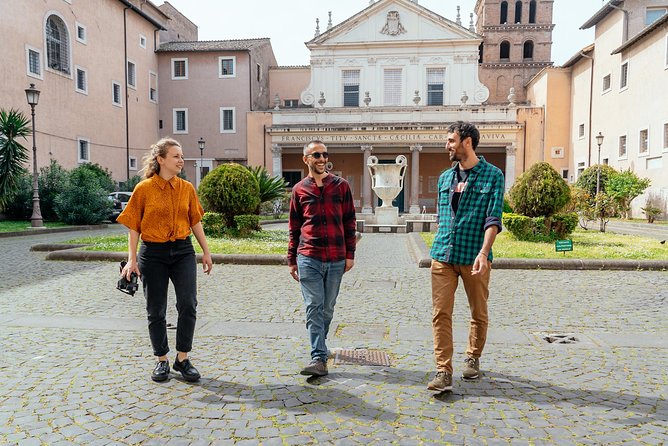
This tour is best for you if you want Rome without the constant crowd jostle. It fits well if you enjoy architecture, courtyards, and small spaces where Rome feels lived-in. Starting at Ponte Sant’Angelo and ending in Trastevere also makes it a good choice if you want a route that naturally transitions into one of Rome’s most pleasant neighborhoods.
It’s also a great pick for travelers who hate the “everyone stays together” feeling. Private pacing helps if your group includes different interests or energy levels. Some people love looking longer at details; others want to move along. A good host can balance that.
If you’re the type who plans every hour with military precision, you might find the route flexibility a little annoying. But if you’re open to a host choosing the most fitting lesser-known stops that day, that flexibility is often the point.
Should You Book This Off-the-Beaten-Track Rome Tour?
Yes, consider booking if you want an easy, low-stress way to understand Rione VI Parione and land in Trastevere with real guidance. The combination of a private format, a local host, and free-entry stops listed on the route is a strong foundation for value. Add the possibility of offbeat architectural stops like Galleria Sciarra, and you get a tour that’s more than a simple scenic walk.
I’d book it with one extra step: message your must-see focus early. If your ideal includes very specific courtyard-and-garden style stops, say that plainly at the start. That simple clarity helps you avoid the one downside risk—ending up on a route that doesn’t match the type of experience you wanted.
If you want Rome to feel personal for a couple hours and then keep paying it forward with better independent sightseeing, this one is worth your time.
FAQ
How long is the Off the Beaten Track in Rome private tour?
It’s approximately 2 hours 30 minutes.
Where does the tour start and where does it end?
It starts at Ponte Sant’Angelo, 00186 Roma RM, Italy and ends in Trastevere, Rome.
Is this tour private?
Yes. It’s private and only your group participates.
What are the main stops on the route?
The two main stops listed are St. Angelo Bridge (Ponte Sant’Angelo) and Santa Cecilia in Trastevere. Other stops may be included depending on the route chosen by your host.
Are admission tickets required for the listed stops?
For the listed stops, admission ticket is free.
Does the price include pick-up?
No. Pick up is not included.
Can I use a mobile ticket?
Yes. The experience includes a mobile ticket.
Is the tour accessible for most people, and are service animals allowed?
The information provided says most travelers can participate, and service animals are allowed. It’s also near public transportation.
Can I cancel for free?
Yes. Free cancellation is offered, and you can cancel up to 24 hours in advance for a full refund.