REVIEW · ROME
Exclusive cooking class in Roman countryside with local chef
Book on GetYourGuide →Operated by Timonfaya Travel Lanzarote · Bookable on GetYourGuide
Handmade pasta, but make it Roman. In Lazio’s countryside near Zagarolo, I love how this class turns you into part of a real Sunday lunch routine with chef Claudia, from prep to sitting down together. You’ll learn recipes that shift with the season, then enjoy the meal with homemade wine in a calm, homey setting.
The best part is that you’re not stuck watching. You’ll roll up your sleeves, cook multiple courses, and get to eat what you made. The one thing to plan for: the meeting point can feel a little vague at first, and you’ll want to arrive on time and be ready to spot Bruno in his gray car at Zagarolo Station.
In This Review
- Key highlights worth your time
- Roman countryside Sunday lunch: why this detour feels worth it
- Getting to Zagarolo: practical Rome-to-country logistics
- Meeting point tip that can save frustration
- The drive to Claudia’s home: what you’re really buying with the transfer
- Cooking like a Roman on Sunday: the menu you’ll actually build
- Starters and savory breads: where you start working right away
- Handmade pasta: the course that turns lessons into confidence
- Second course: the comfort-food finish
- Dessert together: parfait or tart
- The market, the herbs, and Bruno’s music: the parts that make it feel real
- Ingredient picking and herb knowledge
- Market stop vibe
- Bruno the host, plus the keyboard serenade
- Where you eat: living room comfort, garden views, and wine included
- Value check: is $112.15 worth it for 3.5 hours?
- Who should book this class (and who might skip it)
- What to do before you go: small prep that helps a lot
- Should you book this Roman countryside cooking class?
- FAQ
- Where do I meet for the activity?
- How long is the cooking class?
- What’s included in the price?
- Is wine included?
- How big is the group?
- What languages are offered?
- Can dietary restrictions be accommodated?
- How do I get from Termini Station to Zagarolo Station?
Key highlights worth your time
- Zagarolo Station pickup in a gray car (Bruno waits for you)
- Claudia’s season-changing menu (summer sorbets/ice cream; winter sfogliatelle and stuffed pasta)
- Handmade pasta basics using flour from a local mill and eggs from a farmer
- A proper Sunday meal format: multiple courses, then sit and enjoy it together
- Garden and herb time, plus dining in the living room or outside under a pergola
- Small group limit (8 people) so you actually get hands-on
Roman countryside Sunday lunch: why this detour feels worth it
If you’ve spent enough time in central Rome where the plan is mostly “see fast, eat quick,” this is the opposite move. You trade city noise for Lazio countryside calm, with a day structured around the Italian rhythm of cooking, eating, and lingering. The point isn’t just food—it’s the moment of a traditional Sunday lunch, which in Italy is treated like something you show up for.
The location matters. Zagarolo sits between valleys, which helps explain why you get those long, open views when you’re eating. It also makes the day feel like you’ve stepped into a different pace of life, one where the kitchen is the center of everything.
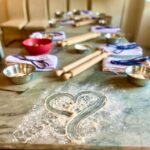
And yes, you’ll cook. Not a tiny demo, not a “taste and watch.” You’ll be working at the counter, learning how each course comes together, and then you’ll eat it with the people who taught you.
You can also read our reviews of more cooking classes in Rome

Getting to Zagarolo: practical Rome-to-country logistics
This experience uses a simple two-part setup. You’ll take a train from Rome to Zagarolo Station, then Bruno will transfer you from there to Claudia’s home. The class starts when you meet at the station, so your timing matters.
Here’s the useful info provided for getting there from Termini Station:
- Morning example: take train 12703 at 9:14, about 25 minutes to Zagarolo.
- Another example listed: usual train 12610 at 14:05.
A small but helpful tip: you’re told it’s better to buy return tickets on the Trenitalia site, and you do not have to validate at the station.
Meeting point tip that can save frustration
The meeting point is Zagarolo Station, where your host/guide is waiting in the square. The detail that shows up in real life: there can be some confusion at first, so give yourself a few extra minutes. When you arrive, look for Bruno in his gray car rather than assuming the instructions will feel perfectly obvious when you’re there.
The drive to Claudia’s home: what you’re really buying with the transfer
The transfer from Zagarolo Station to Claudia’s house isn’t a throwaway detail—it’s part of why this works as a countryside experience without the stress of figuring out rural transit.
Once you’re picked up, you’re carried directly into the day’s “real place”: Claudia’s kitchen, and then the areas where you eat. According to the details shared, you’ll be in either a romantic living room or in the garden area, and in at least one visit people ate outside under a pergola. That matters because the whole experience is built to feel like a home visit, not a cooking-activity bus stop.
Cooking like a Roman on Sunday: the menu you’ll actually build
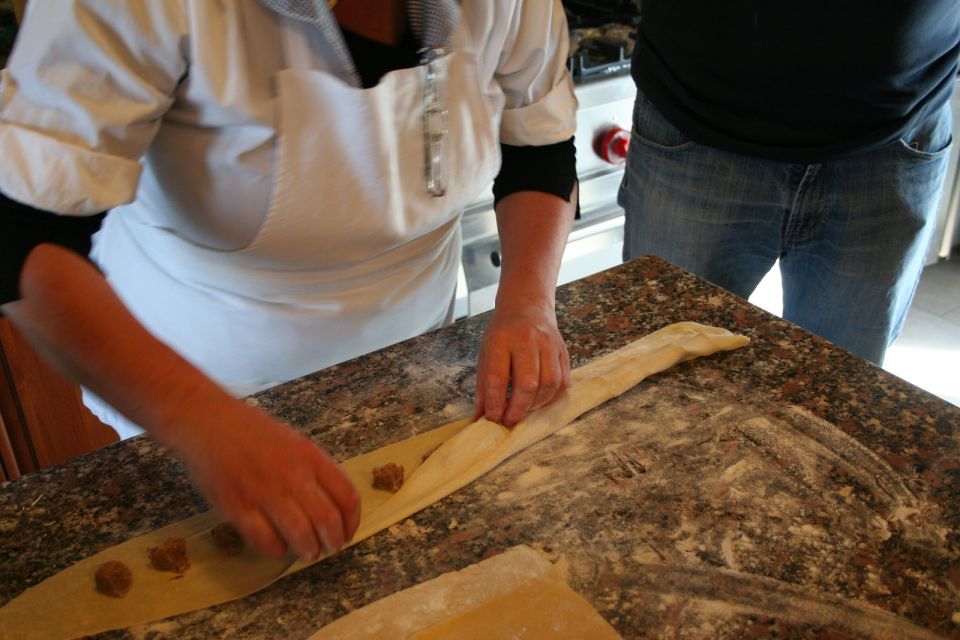
You’ll learn to prepare an Italian Sunday lunch from start to finish. The dishes shift by season, and you’re told exactly what that means:
- Summertime can include sorbets and ice cream.
- Winter can include sfogliatelle and stuffed pasta.
Even if you can’t predict the exact menu on your date, the structure is consistent: you’ll make a starter, learn pasta (often handmade), build a second course, and finish with dessert.
You can also read our reviews of more tours and experiences in Rome


Starters and savory breads: where you start working right away
You might begin with items like:
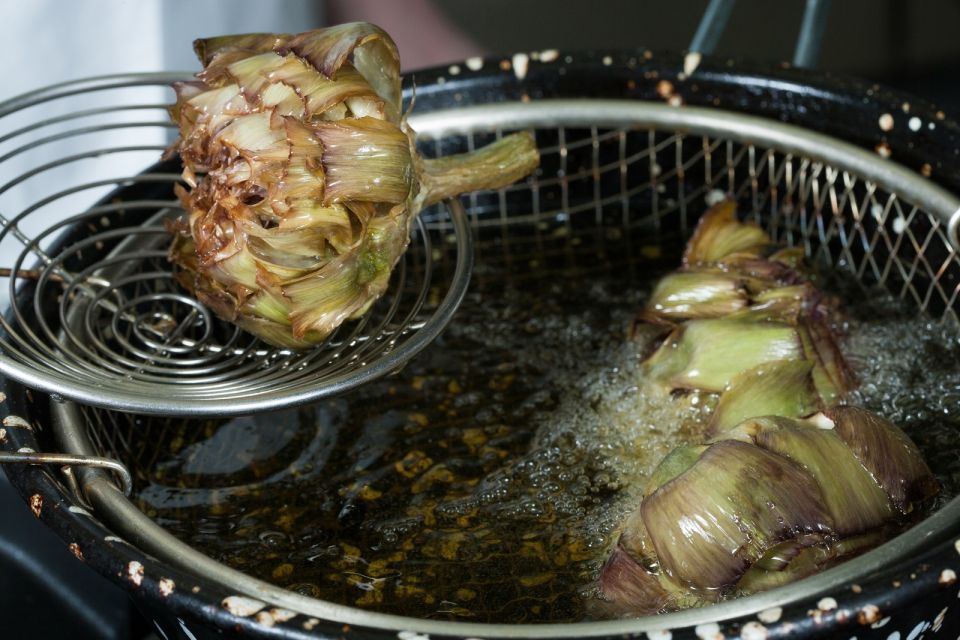
- Vegetable fritters or a savory strudel
- Bruschette with vegetables and cheese
This is a good start if you’re new to Italian cooking because it gets you into the rhythm quickly. You’re chopping, mixing, and shaping without needing to master anything high-pressure like live-fire timing in a restaurant kitchen.
Also, pay attention to the way herbs and vegetables are treated. In a home kitchen, ingredients are introduced with small context—what they smell like, how they’re used, and when they’re best. That kind of learning is hard to get from a standard class where everyone follows the same slideshow.
Handmade pasta: the course that turns lessons into confidence
The pasta section is where this class earns its reputation. You’ll learn about the ingredients behind the texture:
- Flour from a local mill
- Eggs taken by a farmer
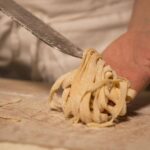
You’ll make pasta like lasagne or ravioli, and you may also prepare options such as fettuccine with sauce. The important part for you isn’t just the food—it’s that you see what changes when flour and eggs come from real sources, not generic shelves.
And because it’s hands-on, it sticks. You’re not just eating pasta; you’re learning how dough behaves, how sauces are treated, and how timing works across multiple courses.
Second course: the comfort-food finish
After pasta, you’ll move to a typical second course, and options mentioned include:
- Rolls (and sometimes similar baked/formed styles)
- Saltimbocca
- A vegetarian special dish (made for vegetarian participants)
This is the spot where you learn the difference between a “pasta meal” and a real Italian Sunday lunch. In Italy, Sunday lunch is about a full arc: starter, pasta, second, then dessert.
Dessert together: parfait or tart
You’ll end with a shared dessert, which can be either:
- A parfait
- A tart
The detail that matters: it’s made together, not handed to you. That means you’ll leave with a clearer idea of how Italian desserts can be more practical at home than they look on a plate.
The market, the herbs, and Bruno’s music: the parts that make it feel real
There’s a reason people walk away talking about more than recipes. The atmosphere is built around small experiences that feel personal.
Ingredient picking and herb knowledge
One of the most memorable details shared is that you may walk through Claudia’s garden and pick fresh herbs. Even better, Claudia teaches you what herbs look and smell like, as you choose them for your meal.
For you, that’s not fluff. It’s the difference between using an herb because someone told you to, versus using it because you understand its role. It also makes your cooking at home easier, because you’re learning cues: aroma, texture, and when it fits a dish.
Market stop vibe
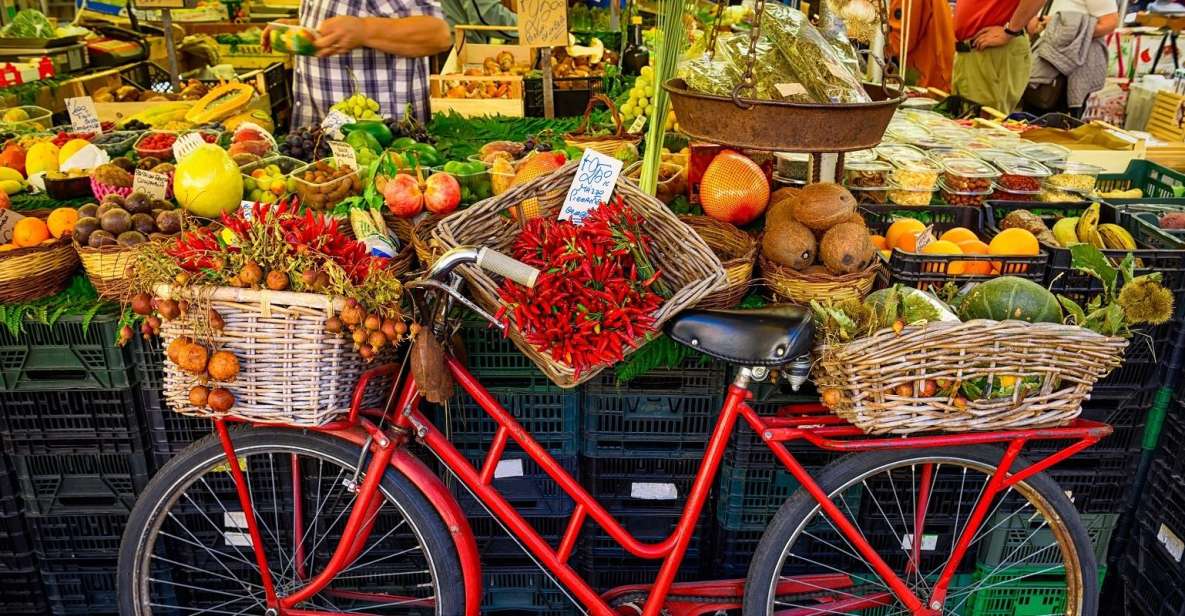
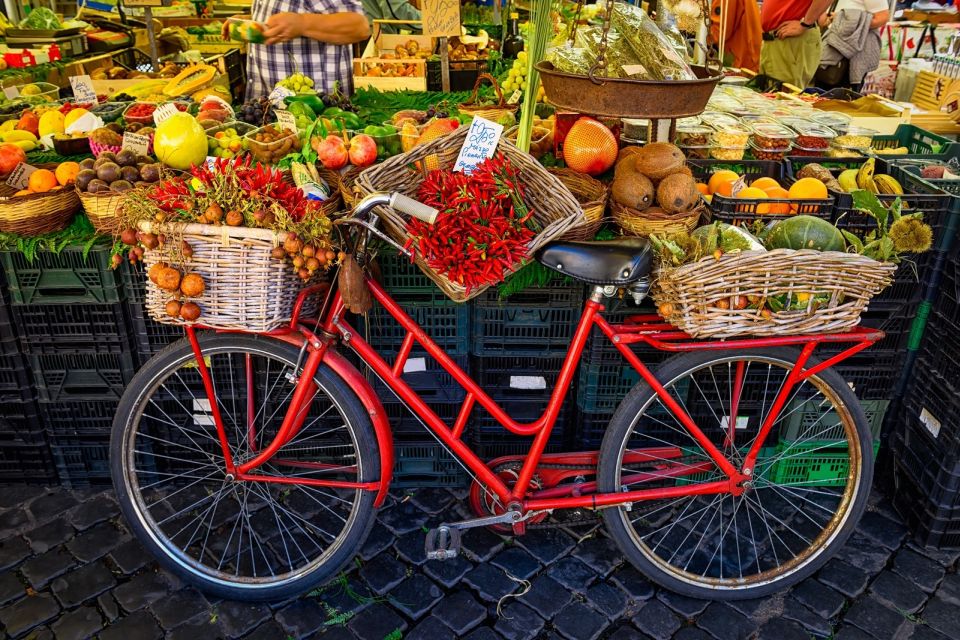
You might also start with a short visit to the market area before heading to the house. That’s where the day’s ingredients get chosen, and it helps explain why the class feels tied to real local availability rather than a fixed menu written months ago.
Bruno the host, plus the keyboard serenade
Bruno is more than a driver. In the experience details, he’s described as an excellent host and musician, including serenading people while you cook with singing and a keyboard.
That might sound like extra flavor, but it actually matters. When the host keeps the mood warm, you relax faster. When you relax, you learn faster. And yes, you’ll probably smile while making dough.
Where you eat: living room comfort, garden views, and wine included
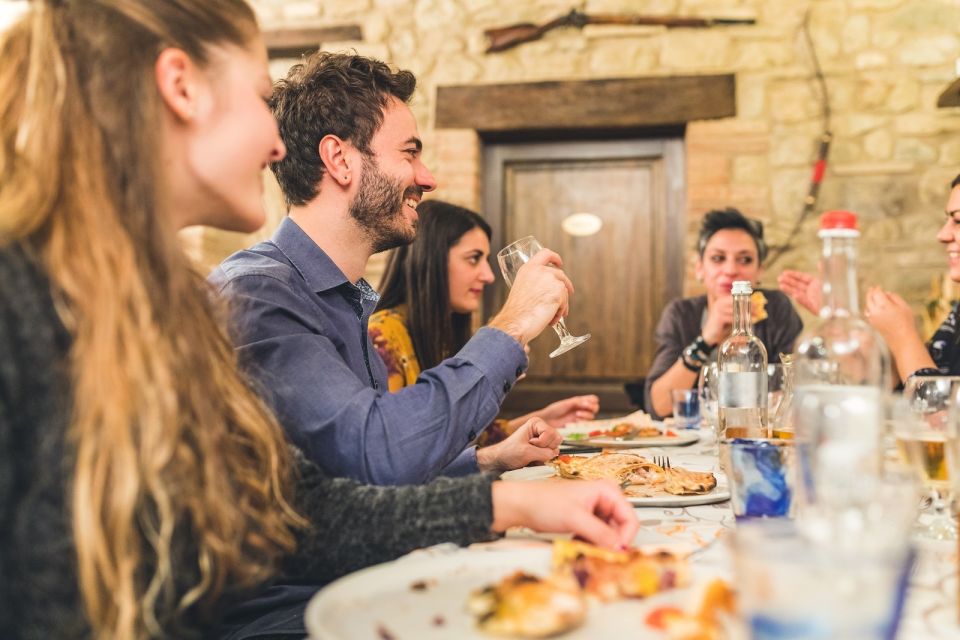
After the cooking comes the point. You sit down and enjoy your meal with Claudia. The dining setting can be:
- In the romantic living room
- In the garden, including time outside under a pergola (as described)
That “where” changes the feel of the day. Indoors, it feels like a family dinner. Outdoors, it feels like you’re in the countryside for a reason, not just for the photo.
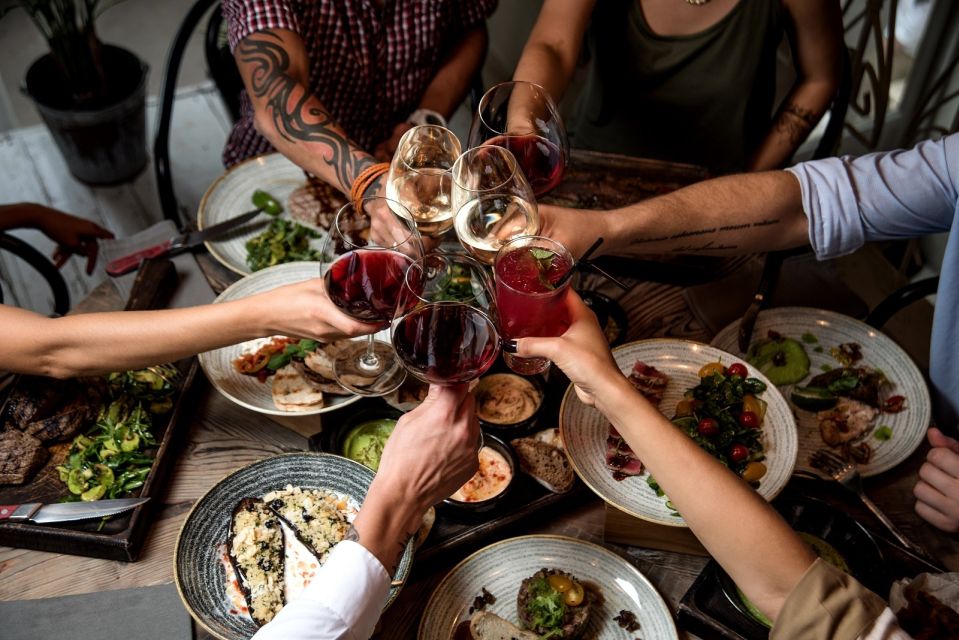
And then there’s the wine. You’ll have some homemade wine with the meal, plus bottled water. Alcoholic beverages are included, so you’re not navigating a menu or paying extra at the table. This is part of the value you’re buying: the meal is complete, not a demo tasting with a sad afterthought drink.
Value check: is $112.15 worth it for 3.5 hours?
At $112.15 per person (for about 3.5 hours), the key is to look at what you’re getting—not just the label “cooking class.”
You’re paying for a package that includes:
- Transfer from Zagarolo Station to Claudia’s house
- Hands-on cooking with the chef
- A full 3-course meal
- Bottled water
- Alcoholic beverages
- Recipes to take home
For a real countryside experience, this pricing can make sense because the cost isn’t only instruction. It’s time, food, wine, and the effort of hosting a small group in someone’s home.
One more value point: the group size is limited to 8 participants, so you don’t feel like you’re competing for attention. If you’re the type who likes to ask questions and actually learn technique, a smaller group often matters as much as the cuisine.
Who should book this class (and who might skip it)
This is a strong match for you if you want:
- A break from central Rome crowds and a taste of real Italian home cooking
- Hands-on cooking plus a full meal you eat right after
- A small-group experience where you’re not just watching
It may be less ideal if:
- You hate train logistics and prefer tours that fully start inside Rome
- You’re very sensitive to meeting-point confusion and rely on super-clear signage (the station pickup can feel unclear at first, so arrive early)
If you’re traveling as a couple, you’ll likely enjoy the shared pace. If you’re traveling solo, the small group format can feel friendly quickly because everyone cooks and then eats together.
What to do before you go: small prep that helps a lot
Since this is in a home kitchen, wear something comfortable for standing and working. You’ll be handling food, and you’ll likely spend time moving between cooking space and dining space.
Also, if you have dietary restrictions, plan to notify in advance. You’re explicitly told accommodations are possible when you let the organizer know ahead of time.
Finally, bring a phone charger and a calm brain for the station meeting. Even with good instructions, stations are busy. Give yourself a little buffer time.
Should you book this Roman countryside cooking class?
Yes, you should book if your goal is an authentic Italian Sunday lunch experience with real instruction and a full sit-down meal. The combination of handmade pasta, seasonal cooking, and the home-style dining setting in Zagarolo creates a day that feels more like visiting friends than taking a ticketed workshop.
I’d especially recommend it if you care about details like where flour and eggs come from, and if you like learning how herbs and ingredients are chosen. That’s the kind of knowledge you can recreate later.
Skip it only if you want a perfectly frictionless meeting point and zero train planning. For everyone else, this is a high-satisfaction way to spend 3.5 hours outside Rome and come back with recipes you can actually use.
FAQ
Where do I meet for the activity?
You meet at Zagarolo Station. Your guide will be waiting for you there.
How long is the cooking class?
The duration is 3.5 hours.
What’s included in the price?
It includes transfer from Zagarolo Station to the chef’s house, a hands-on cooking class, a lunch or dinner, a 3-course meal, bottled water, alcoholic beverages, and recipes to take home.
Is wine included?
Yes. Alcoholic beverages are included, including homemade wine.
How big is the group?
The group is limited to 8 participants.
What languages are offered?
The host or greeter speaks English and Italian.
Can dietary restrictions be accommodated?
Yes, dietary restrictions can be accommodated when notified in advance.
How do I get from Termini Station to Zagarolo Station?
You’ll take a train from Termini Station and get off at Zagarolo Station. A morning example listed is train 12703 at 9:14 (about 25 minutes). Another example listed is train 12610 at 14:05. It’s also recommended to buy return tickets on www.trenitalia.it and not validate at the station.