REVIEW · ROME
Colosseum and Roman Forum Sightseeing Area Night Walking Tour
Book on Viator →Operated by What About Tours · Bookable on Viator
Rome changes after dark. This Colosseum and Roman Forum night walk turns the big monuments into a story you can actually track.
You’ll get panoramic photo spots and a clear route through some of Rome’s earliest landmarks, all while the streets cool down.
I especially love how the guides guide your eyes, not just your feet. Names like Simone, Jacob, and Max keep the pace lively, answer questions, and point out the best viewing angles for the Forum area.
Second, I like that you’re not stuck in long lines: you see major ruins by night and build context fast, from ancient assassination sites to emperors in stone.
One consideration: this tour is outside-only for the Colosseum and Roman Forum. You won’t enter the monuments, and entrance tickets are not included.
In This Review
- Key things to know before you go
- Why night works so well for the Colosseum and Roman Forum area
- Meeting at Piazza dei Calcarari, ending by the Colosseum
- Largo Argentina by night: the assassination site and a cluster of ancient temples
- Insula dell’Ara Coeli: seeing ancient daily life, not just monuments
- Capitoline Hill stops: Michelangelo’s Piazza and the Marcus Aurelius focus
- Foro Romano and the Forum of Augustus: how to read the ruins as politics
- Trajan’s Market and the Arch of Constantine: empire shifts you can spot
- Colosseum from the outside: still worth your time, even without entry
- Tip-only price: why this can be a smart budget choice
- What the 2 hours feels like: pacing, weather, and comfort
- Who should book this night tour (and who should skip it)
- Should you book the Colosseum and Roman Forum night walking tour?
- FAQ
- Does this tour include tickets to enter the Colosseum and Roman Forum?
- How long is the Colosseum and Roman Forum sightseeing area night walking tour?
- What language is the tour offered in?
- Is the tour free to attend at all stops?
- Where do I meet the guide?
- Where does the tour end?
- Is Palatine Hill included?
Key things to know before you go
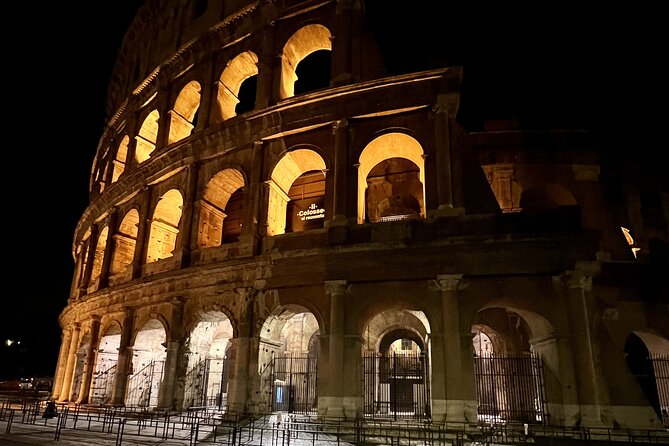
- Outside-only views of the Colosseum and Foro Romano, so plan for photos and skyline impressions, not an interior visit.
- Top night photography angles as you move—your guide helps you find places to frame the Forum and Colosseum.
- Multiple ancient stops before you reach the main sights, including Largo Argentina and the Insula dell’Ara Coeli.
- A tip-only model at a very low base price, so your guide’s effort matters (and your tip does too).
- Small group size (max 25) makes it easier to ask questions and keep a relaxed pace.
- ~2 hours of walking/standing, so bring layers and shoes you trust.
Why night works so well for the Colosseum and Roman Forum area
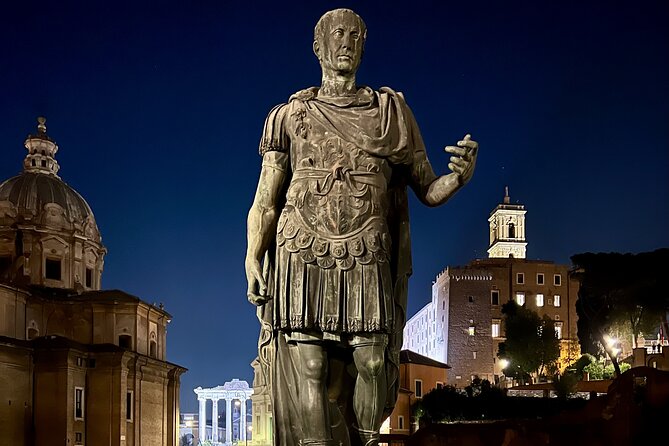
I like Rome best after the daytime heat has softened. At night, the ruins feel less like a checklist and more like a real place where people once argued, shopped, worshiped, and staged power.
This tour leans hard into that idea with a simple promise: you’ll get Rome’s ancient sites from the outside, with a guide turning what you see into a usable timeline. The night also helps you avoid the daytime crush around these landmarks, which makes the walk feel calmer and more photo-friendly.
And yes, you’ll still want your phone camera ready. The route is built around panoramic viewpoints so you can capture the Colosseum and the Forum area with the city’s night atmosphere in the background.
You can also read our reviews of more walking tours in Rome
Meeting at Piazza dei Calcarari, ending by the Colosseum
You start at Piazza dei Calcarari (00186 Rome). Getting there is generally straightforward because you’re close to well-connected public transport options in central Rome.
The tour ends in front of the Colosseum at Piazza del Colosseo (00184 Rome). I like that ending location because it’s easy to keep moving afterward—buses and metro are right there if you want dinner nearby or to get back to your hotel.
The overall timing is about 2 hours. That matters because you can fit it into an evening without blowing up your whole day.
Largo Argentina by night: the assassination site and a cluster of ancient temples
The first stop is Area Sacra di Largo Argentina. This is one of those places where Rome history feels close enough to touch—ruins of ancient Roman temples and Pompey’s court, plus the famous connection to Julius Caesar’s assassination.
Why it works on a night walk: the setting doesn’t feel like a museum room. You’re outside, looking across remains, while your guide gives you enough context to understand what you’re seeing. It also sets a strong tone for the rest of the evening, because it anchors you in political violence and power shifts right from the start.
Admission is listed as free for this stop, which is a nice bonus. You’re paying for interpretation and guidance, not for entry fees at every stop.
Insula dell’Ara Coeli: seeing ancient daily life, not just monuments
Next you’ll pause at Insula dell’Ara Coeli. This is the kind of Rome stop that surprised me the first time I learned about it: it reveals how ancient Romans lived in multi-story apartments nearly 2,000 years ago.
At this point in the walk, you’re no longer only thinking about emperors and big public events. You’re shifting your brain toward daily life—neighbors above and below, commerce and routine happening in the same urban fabric. That makes the later Forum sections easier to grasp, because you start seeing the empire as a lived-in system.
This stop is also free to view (no admission ticket needed as listed). It’s quick—about 10 minutes—but it’s memorable because it adds an everyday layer to the night.
Capitoline Hill stops: Michelangelo’s Piazza and the Marcus Aurelius focus
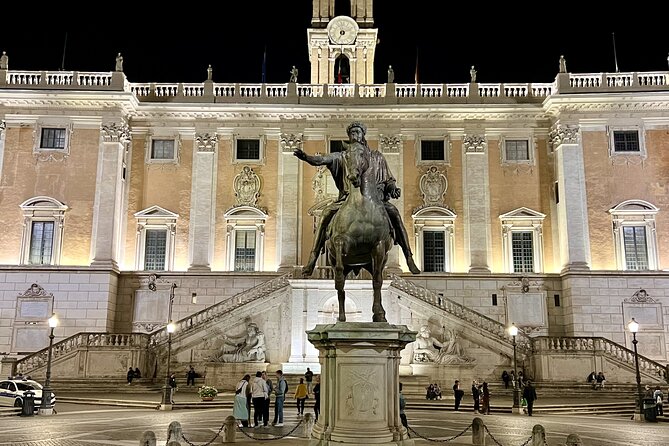
Then comes Piazza del Campidoglio, designed by Michelangelo. It’s a Renaissance square built on Capitoline Hill, with the iconic oval layout and a bronze figure of Marcus Aurelius in the center.
Even if you’re not a Renaissance architecture person, this is a useful pause. It’s a visual reset: the hill gives you a sense of the city’s old power geography, and the design cues you into how Rome kept re-framing itself—first ancient empire, later Renaissance thinkers shaping how we look at the past.
Right after the square, you’ll spend a few minutes at a replica statue of Marcus Aurelius. The story connects him as the philosopher-emperor associated with Meditations and Stoic principles, plus the reign remembered as a period of stability and intellect.
The reason I value these short stops: they’re small, but they keep the tour from feeling like only “stones and dates.” You start noticing how Rome’s leaders used ideas, art, and symbolism to steer public life.
You can also read our reviews of more evening experiences in Rome
Foro Romano and the Forum of Augustus: how to read the ruins as politics
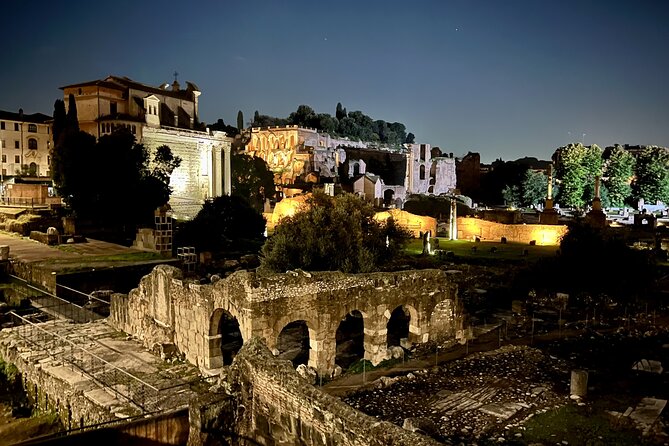
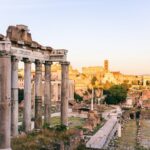
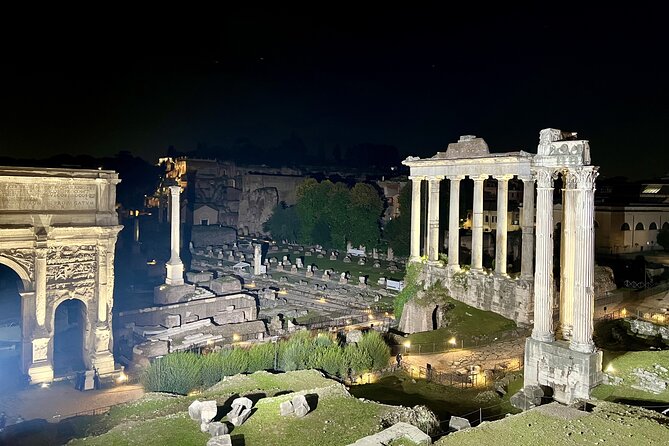
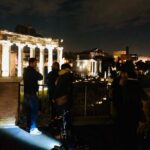
Now you’re in the heart-of-it territory: Foro Romano (Roman Forum). This is where the Roman state’s daily engine once ran—temples, arches, and marketplaces tied to politics and civic life.
This tour doesn’t include entry into the Forum, and the listing notes that admission for Foro Romano is not included. Still, outside viewing can be powerful if your guide helps you orient.
Here’s what you should expect: your guide points out which structures are what, and how the Forum changed over time. The aim is to help you see the space like an organized map—so you’re not wandering around thinking, That’s a ruin… but why?
You’ll also stop at the Forum of Augustus for about 5 minutes. The big idea here is the transition: Augustus turned the Republic into an empire and ushered in the Pax Romana, the stretch of peace and stability many associate with a calmer imperial center.
Even from outside, these Forum pauses give you a clear takeaway: Rome wasn’t just one era. It was layers of power rewriting the city’s purpose.
Trajan’s Market and the Arch of Constantine: empire shifts you can spot
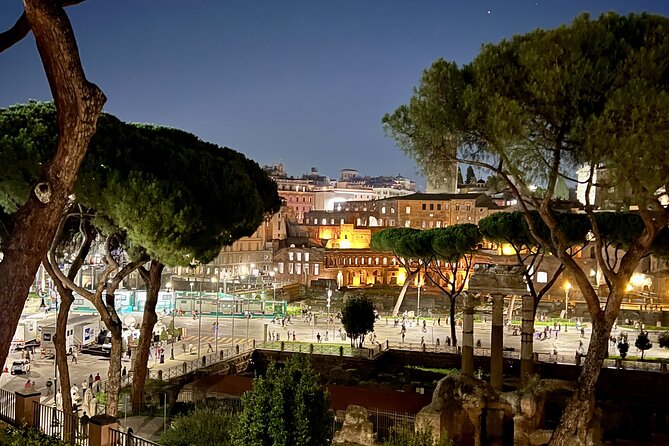
One of the most interesting parts of this evening is how it moves from civic life to empire-scale change.
You’ll see Trajan’s Market, described as a multi-level complex often considered the world’s first shopping mall, with over 150 shops and built around 110 AD. Whether you take the nickname literally or not, the point lands: this was infrastructure for business, movement, and public bustle—wrapped in serious engineering.
Then you’ll shift to the Arch of Constantine. The tour framing here matters: Constantine is described as the first Christian emperor who reshaped the empire by establishing Constantinople as a new capital and supporting Christianity. That theme gives the arch meaning beyond decoration.
Why these stops work on a night walk: arches and corridors look especially dramatic at low light. They also connect the evening’s earlier political story (Largo Argentina and Caesar) to the empire’s long arc into the late transformations of power and religion.
Colosseum from the outside: still worth your time, even without entry
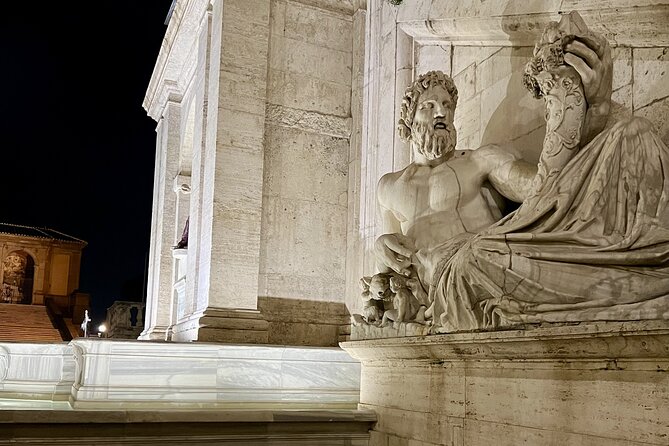
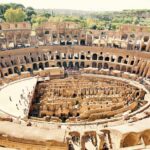
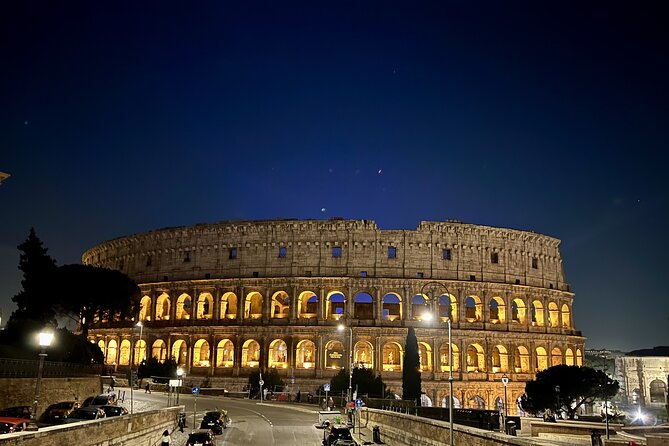
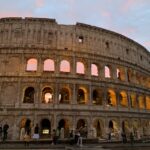
The final landmark is the Colosseum itself. This is the big one: gladiatorial combat and spectacles for up to 80,000 spectators, according to the tour description.
And here’s the key expectation: you’ll see it from outside, and the entrance ticket for the Colosseum is not included. That means you won’t do an interior walk-through.
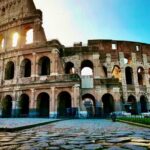
So what do you get instead? Realistic value comes from timing and viewpoint. Night gives the Colosseum a different vibe than daytime. The walls look deeper. The arches read more clearly as you move around the exterior zone. Plus, you’ll have the Forum context in your head by the time you arrive, which makes the Colosseum feel like part of the same political and social machine.
If your priority is only interior access, then this won’t satisfy that wish. But if your priority is the best use of an evening, outside viewing can still be a great payoff—especially with a guide who helps you frame photos and understand what you’re looking at.
Tip-only price: why this can be a smart budget choice
The listed price is $3.87 per person, and the tour is tip-based. That pricing can feel suspiciously low at first glance. But it makes sense in context: you’re paying for a licensed guide and interpretation, while the key monument entrances (Colosseum and Forum) are not part of the package.
For value, I think about it like this:
- If you want a guide to help you understand what you’re seeing, a low base price works well.
- If you were going to skip a guide anyway, this is likely not your best value—because what you’re buying is interpretation, not ticket access.
- If you already planned to visit the Colosseum interior another day, this evening tour can be a complementary way to learn the story and get photo angles.
From what’s described in the experience details, your guide is working for tips alone. That’s why reviews put extra weight on guides who tell the stories well and keep the group engaged. In this kind of tour, your tip directly supports the quality of the experience you get.
What the 2 hours feels like: pacing, weather, and comfort
This is a walking and standing tour of about 2 hours, and the tour description points to moderate physical fitness as the right fit. There’s no long sit-down structure, so plan for a steady rhythm.
I’d also treat it like a Rome-in-cooler-months plan, because evenings can turn on you fast. One review experience highlighted how the guide kept going even in cold rain. That’s your cue to bring a light rain layer or a compact umbrella and warm up with a scarf.
The good news: multiple reviews highlight that pace feels fair and nobody gets left behind. With a max of 25 travelers, the group stays manageable, so your guide can adjust when people ask questions.
Who should book this night tour (and who should skip it)
This tour is ideal if you want:
- A low-stress evening with strong photo opportunities
- A guide-led understanding of major sites without spending the whole day stuck in lines
- A mix of big monuments and smaller, story-rich stops like Insula dell’Ara Coeli and Largo Argentina
- An English-speaking guide who can explain and answer questions during the walk
It may not be ideal if you:
- Want to enter the Colosseum or Roman Forum (this tour does not include entry)
- Need a lot of time seated or limited standing
- Were hoping to include Palatine Hill. This tour does not include it, so don’t build your itinerary around Palatine.
Should you book the Colosseum and Roman Forum night walking tour?
I’d book it if you’re building a “Rome by night” rhythm and you care about making sense of ancient ruins, not just seeing them. The price is a big attractor, but the real value is the guided orientation—the way the stops connect Caesar’s story, Marcus Aurelius’ philosophy, Augustus’ political shift, Trajan’s commerce, and Constantine’s religious power change.
Skip it if your #1 goal is an interior Colosseum visit. For that, you’ll want a separate ticketed plan. Also skip if you know you hate standing/walking for about two hours.
If you do book: wear good shoes, bring a layer for nighttime, and plan to tip thoughtfully. This is the kind of tour where your support goes straight to the guide’s time, energy, and storytelling.
FAQ
Does this tour include tickets to enter the Colosseum and Roman Forum?
No. The Colosseum and Roman Forum entrance tickets are not included, and you only see monuments from the outside.
How long is the Colosseum and Roman Forum sightseeing area night walking tour?
It runs for about 2 hours.
What language is the tour offered in?
The tour is offered in English.
Is the tour free to attend at all stops?
Some stops are listed with free admission (like Area Sacra di Largo Argentina), but entry to the Colosseum and Roman Forum is not included.
Where do I meet the guide?
The meeting point is Piazza dei Calcarari, 00186 Rome, Italy.
Where does the tour end?
It ends in front of the Colosseum at Piazza del Colosseo, 1, 00184 Rome, Italy.
Is Palatine Hill included?
No. Palatine Hill is not included in this tour.