REVIEW · ROME
City Walk with Architect: Private walking tour of Rome
Book on Viator →Bookable on Viator
Rome looks different when someone points.
This private walk is built for architecture lovers, with a guide who connects famous sights to the design choices you’d otherwise miss. I especially liked the flexible pacing: you are not stuck on a rigid script, so you can ask questions as you go.
Two things I really liked: first, the guide’s style. Bado, for example, was patient with late arrivals, helped with photos, and shared practical tips so I felt like I had insider context instead of just a lecture. Second, the route mixes big names (Trevi Fountain, Spanish Steps, Pantheon) with quieter architectural moments that make the whole city feel like one connected story.
One consideration: this is a walking-heavy tour. It runs about 2.5 hours with small breaks, and it is not recommended if you cannot walk for at least 1 hour.
In This Review
- Key highlights worth planning for
- Why a private architect-led walk beats a normal Rome stroll
- Piazza della Minerva to Trevi Fountain: start with structure, end with spectacle
- The Column of the Immaculate Conception and the Spanish Steps
- Piazza del Popolo and Piazza Colonna: reading power in stone
- Tempio di Adriano and Piazza Navona: two very different piazza moods
- Pantheon: the stop that deserves your full attention
- Piazza Venezia and the Vittoriano terrace: a skyline payoff
- Price and value: what $118.82 really buys you
- Who should book this Rome architecture walk
- Should you book this City Walk with Architect?
- FAQ
- How long is the Rome City Walk with Architect?
- Is this tour private?
- What language is the guide?
- Where does the tour start and end?
- Do I need to pay admission at the stops?
- Is the tour suitable for people who need limited walking?
Key highlights worth planning for
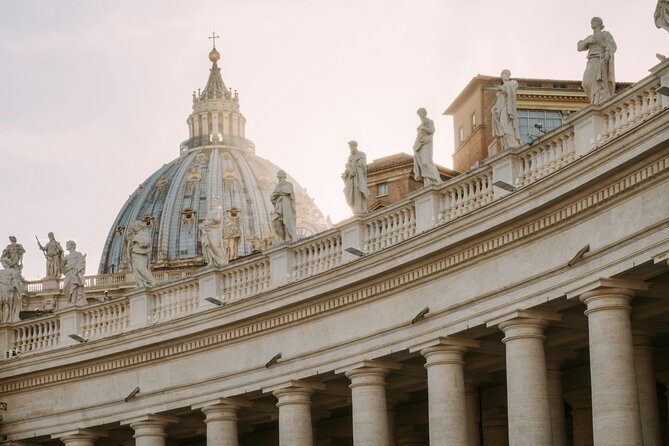
- Private pacing with lots of Q&A, so you can steer the questions toward what you care about most
- A landmark mix: major icons like the Trevi and Pantheon plus less-hyped architectural stops
- Flexible route choices, rather than a predetermined march-through-everything list
- Vittoriano terrace access near Piazza Venezia for a higher-angle payoff
- Free admission at the listed stops, so you can focus on viewing and learning instead of ticket hassles
Why a private architect-led walk beats a normal Rome stroll
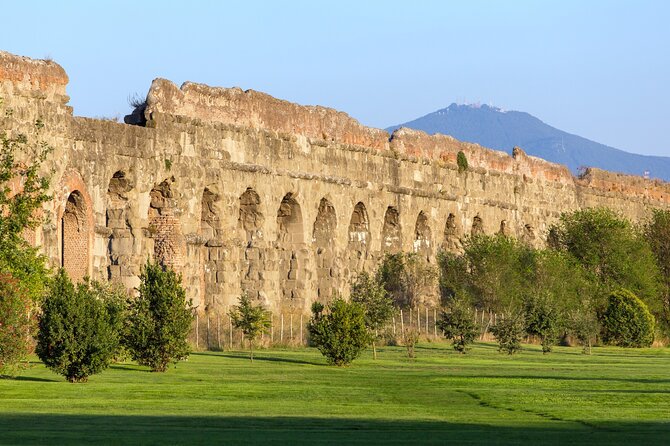
Rome can feel like a highlight reel—until you stop and look properly. This tour is interesting because it teaches you how to read the city: proportions, materials, and why certain buildings look the way they do. When you hear the “why” behind a façade, a piazza, or a column, the next block suddenly makes sense.
You also get something many group tours don’t deliver: time. Even with a tight 2 hours 30 minutes, the format is designed for questions and clarifications. That matters in Rome, because you will see the same stone and sculptural language everywhere, and you’ll want help sorting out what’s old, what’s symbolic, and what changed over time.
And yes, it’s a workout. But it’s the good kind: walking between strong landmarks, learning as you move, then getting a few pauses where you can reset and keep your eyes fresh.
You can also read our reviews of more walking tours in Rome


Piazza della Minerva to Trevi Fountain: start with structure, end with spectacle
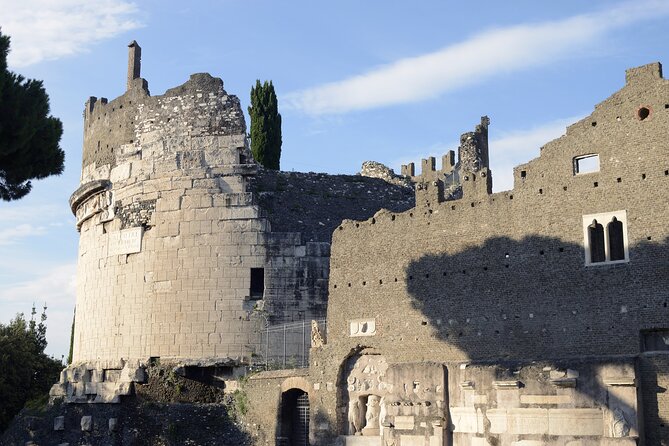
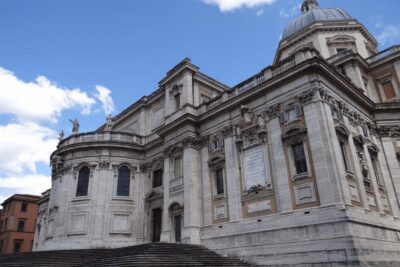
The walk begins at Piazza della Minerva, a smart opening point because it sets you up to think like an architect right away. Piazzas are not just empty spaces here—they’re stages. You get an early reminder that Rome’s “outdoor rooms” are shaped for visibility, circulation, and storytelling.
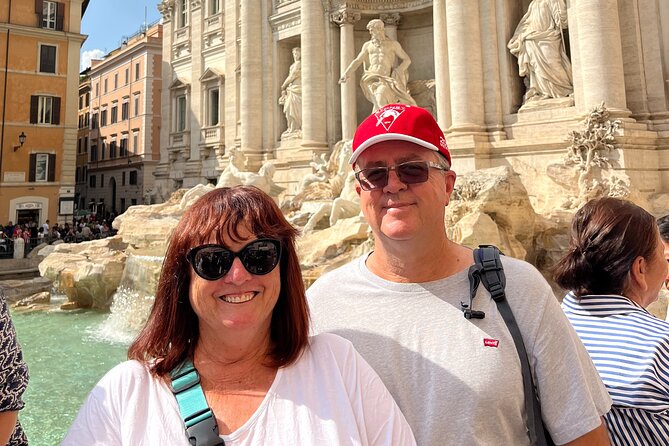
From there you head to Fontana di Trevi, where the experience is less about rushing and more about slowing down to see how the fountain is composed. If you’ve only seen Trevi from postcard angles, your guide can help you notice how the setting and perspective sell the illusion of grandness. Even if you stay outside (this tour does not promise entry into sites), there’s still a lot to study: the way crowds gather, where lines of sight land, and how sculptural detail turns into drama at street level.
A practical tip: go in ready to linger. Trevi is famous for a reason, but it also attracts the most chaos. If you want decent viewing, you’ll benefit from trusting the guide’s timing and asking where to stand for a cleaner view.
The Column of the Immaculate Conception and the Spanish Steps
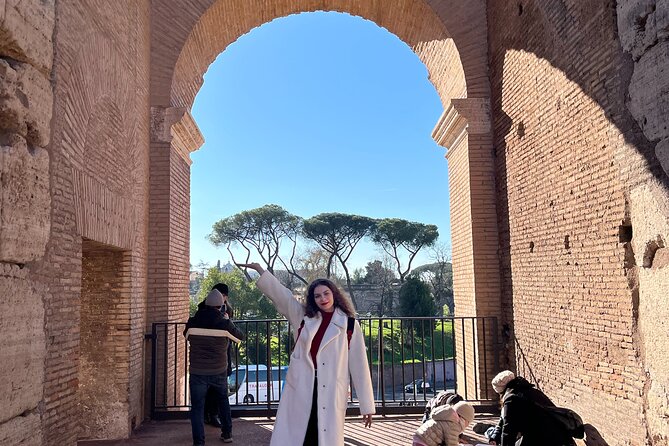
One of my favorite parts of this route is the shift from fountains to vertical monuments. The stop at the Colonna Immacolata Concezione (Column of the Immaculate Conception) is the kind of thing you might walk past if you didn’t know what you were looking at. On this tour, you learn to treat it as architecture too, not just a statue on a pedestal.
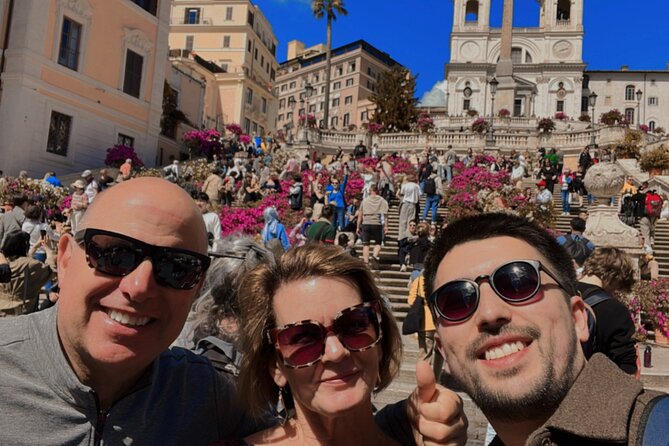
Then comes the Spanish Steps. This is where Rome’s design genius hits you: steps are not just stairs. They are seating, meeting space, and a built-in viewpoint system. When you look at the Spanish Steps through an architectural lens, you start noticing how movement and elevation guide people toward certain sightlines.
The only real downside here is the obvious one—crowds. The good news is that you’re not doing this blind. With a guide steering you, you can make better choices about when to pause, where to take pictures, and how long to linger without getting dragged into the worst bottlenecks.
Piazza del Popolo and Piazza Colonna: reading power in stone
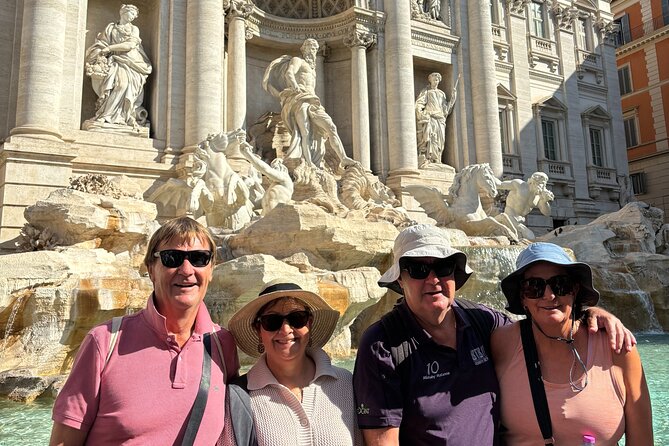
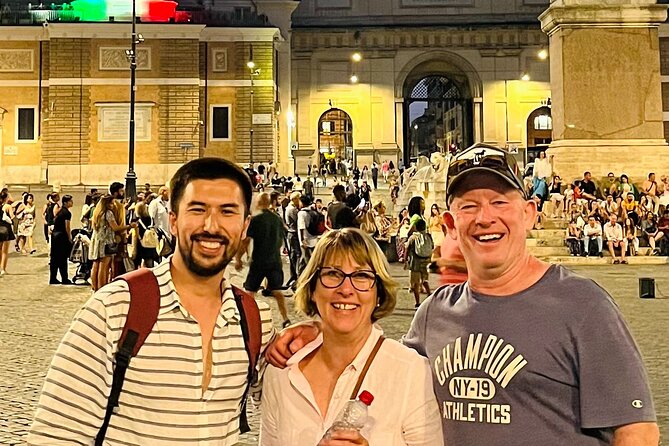
Next up is Piazza del Popolo, a large square where the surrounding architecture “frames” the space. This stop works well for getting your bearings. Once you understand how this kind of piazza functions—open space plus a designed backdrop—you will start seeing the same planning logic elsewhere in Rome.
From there you move to Piazza Colonna to see the Column of Marcus Aurelius. This is one of those stops where your guide’s interpretation makes the whole thing click. Columns in Rome are not random monuments; they’re visual storytelling devices. You’ll learn to look at the carved narrative as part of the monument’s purpose, not just decoration.
If you care about art and political messaging, this is a great moment to ask questions. A good guide can connect the column’s form and placement to how Romans used monuments to project authority in public space.
Tempio di Adriano and Piazza Navona: two very different piazza moods
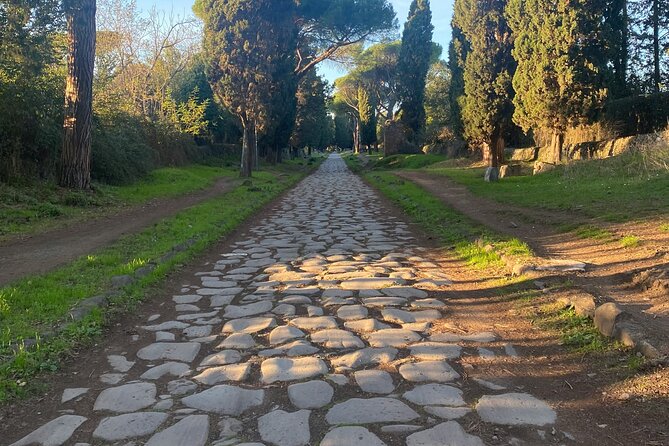
The route then includes Tempio di Adriano, the Temple of Hadrian. This stop is powerful because it reminds you that Rome isn’t only about what’s standing tall. It’s also about what’s been reused, reinterpreted, and kept visible through changing eras. You get a chance to look at Roman temple architecture in real-world scale, which is hard to understand from photos.
Then you shift to Piazza Navona, which has a more lively, everyday feel. Navona is a classic “look up and around” stop. It’s where architecture, sculpture, and open-air social life overlap in a very Rome way. Even if your time here feels short, it is still long enough to notice how the space works as a public stage.
One small consideration: since this tour keeps moving, you’ll want to strike a balance between listening and looking. If you try to do both at full speed, your brain can feel overloaded by the time you reach the next stop. I’d recommend taking your notes or questions when the guide pauses, then using the walking segments just to reset your eyes.
You can also read our reviews of more city tours in Rome





Pantheon: the stop that deserves your full attention
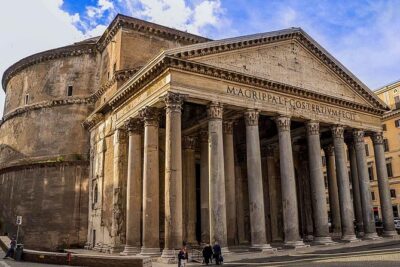
The Pantheon is a must. Even with limited time, the payoff is huge because it’s such a distinctive architectural statement. This is the moment where you’ll naturally start thinking about concrete, dome geometry, and how the building’s interior volume shapes light and space.
Since the stop is about visiting the Pantheon itself, not specifically entering (and given that some people in the group wish they could go inside), plan on appreciating what you can from your time on-site. If you’re the type who wants more than exterior viewing, you might consider adding separate ticketed time later in your day.
Still, don’t underestimate an architecture tour at the Pantheon. With the right guide, you’ll learn how the façade communicates, how the proportions are designed to feel monumental, and why the Pantheon remains one of the best examples of Roman engineering thinking.
Piazza Venezia and the Vittoriano terrace: a skyline payoff
The tour finishes near Piazza Venezia with access to the terrace at the Vittoriano (the Vittoriano building). Ending here is a smart move. After hours of street-level architecture, you finally get height. Views change how you read Rome: streets become lines, domes become markers, and rooftops turn into an architectural map.
This terrace stop is also where your feet finally get a deserved reward. You can stand, look around, and connect what you just learned to what you see from above. If you like city panoramas and want a clean way to orient yourself for the rest of your trip, this is a strong closer.
The only drawback I can see is weather. Rome terraces depend on conditions. If it’s windy or rainy, the terrace experience might feel less comfortable, even if the views still exist.
Price and value: what $118.82 really buys you
At $118.82 per person for about 2.5 hours, this is not the cheapest way to see Rome. But it can be good value if you fit the tour’s purpose.
Here’s what you’re paying for:
- An English-speaking architect-focused guide instead of a generic sightseeing script
- Private format with only your group, not a rotating mix of people
- A route that blends major icons with additional architectural stops, so you don’t feel like you’re just paying for the obvious
- A flexible approach where you can ask questions and adjust your interests
If you’re the type who wants to learn what you’re looking at, the guide time becomes the real product. If you only want photos and a checklist, you’ll likely feel the cost more sharply.
A detail I appreciate for value: the stops listed show free admission, so you are not constantly dealing with ticket decisions while you’re on the clock.
Who should book this Rome architecture walk
This tour is a great match for:
- You if you love architecture, monuments, and design details more than shopping stops
- You if you enjoy asking questions and want answers on the spot
- You if you want a private, flexible experience with time to look closely instead of rushing with a crowd
It may not be the best fit if:
- You cannot comfortably walk for at least about 1 hour (there are small breaks, but it is still a real walking route)
- You are expecting guaranteed interior access for every stop. This tour focuses on visiting the sites; you might only get exterior time at some.
Should you book this City Walk with Architect?
If you want Rome in a way that feels like understanding, not just seeing, I’d book this. The biggest wins are the private pacing, the chance to ask questions of a guide like Bado, and the fact that you get both headline landmarks and architectural moments that usually go unnoticed.
I would skip it only if your priorities are strictly photo-taking with zero interest in context, or if your walking ability is limited. Otherwise, it’s a smart way to make your Rome day more meaningful—and it ends with a terrace view that helps the whole city click into place.
FAQ
How long is the Rome City Walk with Architect?
It lasts about 2 hours 30 minutes.
Is this tour private?
Yes. It is a private tour/activity, so only your group participates.
What language is the guide?
The guide is English speaking.
Where does the tour start and end?
It starts at Piazza della Minerva (00186 Roma RM, Italy) and ends at Piazza Venezia, Roma RM.
Do I need to pay admission at the stops?
For the listed stops on this tour, admission is marked as free.
Is the tour suitable for people who need limited walking?
It is not recommended if you cannot walk for at least 1 hour. There are small breaks, but it is still a walking-focused experience.