REVIEW · ROME
Capuchin Crypt Visit & Rome Dark Past Walking Tour
Book on GetYourGuide →Operated by Estaalia · Bookable on GetYourGuide
If you like Rome with the lights turned down, this tour fits. You’ll mix major sights like Trevi Fountain and the Pantheon with one of the city’s most unsettling stops: the Capuchin Crypt.
Two things I especially like are the small, intimate feel of the group and the strong storytelling. The guides I saw reviewed, like Anastasia at the crypt and Stefania on the streets, focus on human details, not just dates. A good consideration: the theme is spooky and the crypt is underground, so it is not a fit if you’re claustrophobic or have mobility limits.
You’ll also get headset audio, which matters on a walking route through busy central Rome. It keeps the pace relaxed while you move from one landmark to the next. One drawback to keep in mind: there are rules around clothing and absolutely no photos or videos inside the crypt, so plan for a no-phone moment underground.
In This Review
- Key things that make this tour worth your time
- Price and what you’re actually buying for $65
- Meeting up without stress: how to plan your start
- Entering the Capuchin Crypt: where the atmosphere does half the work
- Trevi Fountain on a guided timeline, not just a photo stop
- The Pantheon: when ancient scale meets guided context
- Piazza Navona and its spectral legends
- Campo dei Fiori: the Bruno thread you might miss alone
- Santa Maria dell’Orazione e della Morte: a mystery finish
- Who this tour suits best (and who should skip it)
- What to bring (and what will trip you up)
- What makes the guides matter: the Anastasia and Stefania factor
- How to fit it into your Rome day
- Should you book this Capuchin Crypt + Dark Past tour?
- FAQ
- FAQ
- How long is the Capuchin Crypt and Rome dark past walking tour?
- How much does it cost?
- What’s included in the price?
- Is there a way to avoid long lines for the crypt?
- What should I bring?
- Are photos or videos allowed inside the crypt?
- Is this tour suitable for children or people with mobility issues?
- What languages is the tour offered in?
Key things that make this tour worth your time
- Capuchin Crypt access with an expert guide so you understand what you’re seeing (and why it was built this way)
- Headsets that help you hear the stories even when crowds thicken outside
- A smart walking route that ties together big-ticket stops like Trevi, Pantheon, and Piazza Navona
- Focused stories around Campo dei Fiori, including the sad chapter connected to Giordano Bruno
- A small-group vibe, with guides who answer questions and add extra stops when it fits the route
Price and what you’re actually buying for $65
This tour costs $65 per person and runs about 2 to 2.5 hours. For Rome, that price feels reasonable because you’re paying for more than sightseeing.
You get an expert guide plus the crypt entrance ticket, and the tour includes headset use. That combination matters on this particular route: the Capuchin Crypt is the anchor, and the rest of the walk works best when a guide connects the dots between the city’s legends, art, and darker sides of daily life.
You’ll also be skipping the ticket line for the crypt, which helps you keep the schedule. Food and drinks are not included, so you may want to plan a snack either before or right after, especially if you’re combining this with other activities later the same day.
You can also read our reviews of more walking tours in Rome

Meeting up without stress: how to plan your start
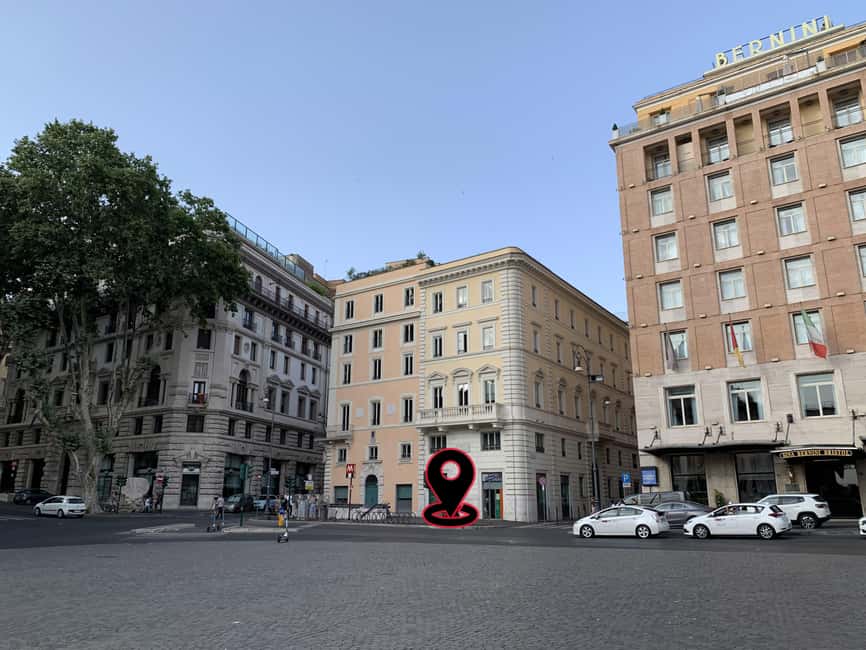
The meeting point can vary depending on the option you book, so treat the confirmation details as your source for the exact location. This is the kind of tour where timing matters.
Arrive a bit early. If you show up late, you will not be allowed to join the tour. In central Rome, that can happen fast if you misread the street, get stuck behind crowds, or take an extra minute to find a kiosk to buy bottled water.
Once you meet your guide, you’ll get set up and you’ll move as a group. The tour is designed to stay tight: no long breaks, and a good share of the value is in the guide’s pacing between stops.
Entering the Capuchin Crypt: where the atmosphere does half the work
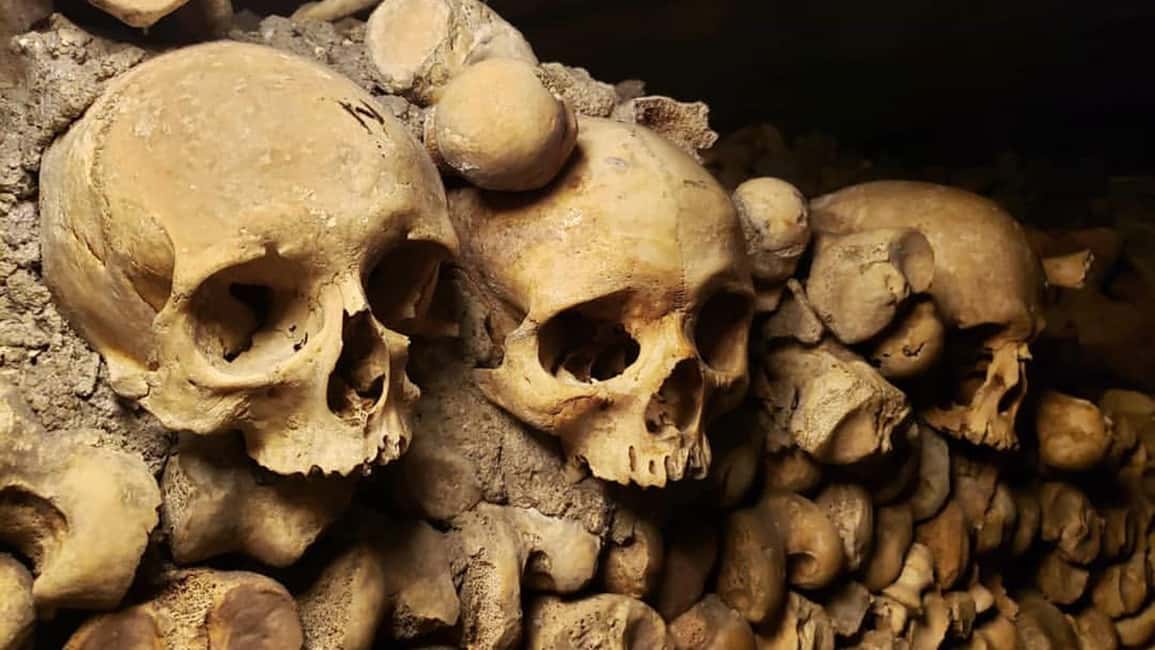
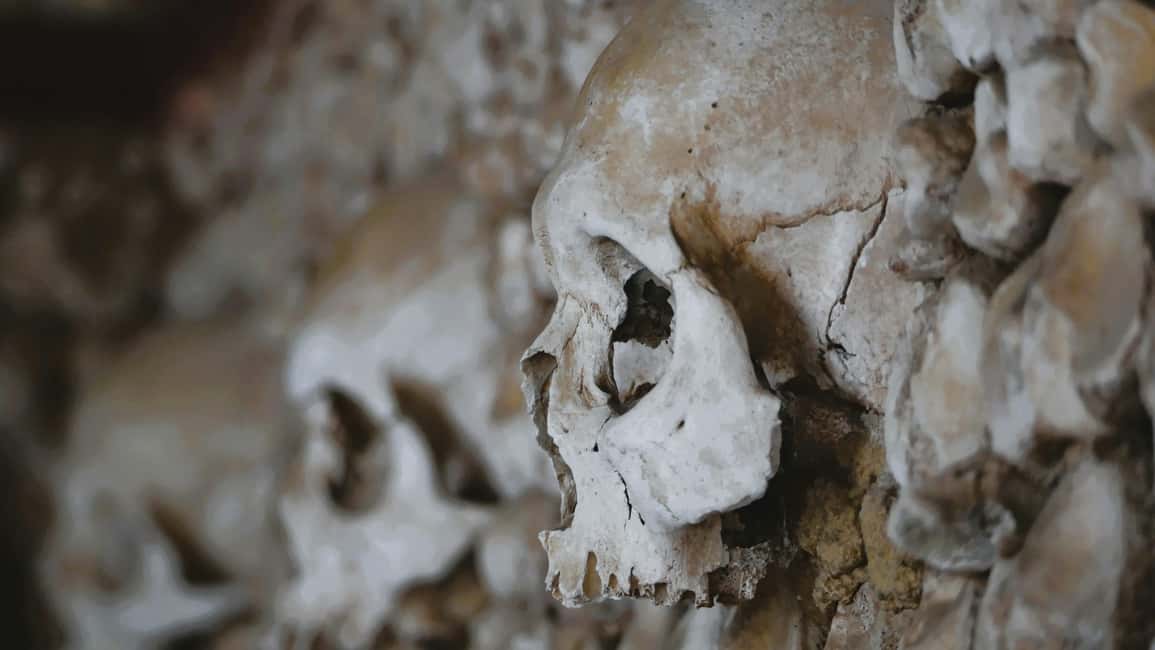
The tour starts with the Capuchin Crypt, an underground space decorated with the skeletal remains of past inhabitants. The effect is immediate. This is one of those places where the room size and the dim setting turn the stories into something you can feel, not just hear.
The biggest plus here is the way the guide handles the subject. One review highlights Anastasia’s love and respect for the capuchin monks while explaining the crypt, and that attitude changes the experience. Instead of making it pure shock value, she focuses on meaning.
Practical reality check: you should be ready for some spooky stories. The setting is also underground and enclosed enough that the tour is not recommended for people with claustrophobia. If you’re even a little unsure, I’d choose a different Rome tour theme.
Also note the rules: no pictures or videos are allowed inside the crypt. You’ll want your phone accessible for everything aboveground, but accept that you’re going to rely on your memory here.
Trevi Fountain on a guided timeline, not just a photo stop
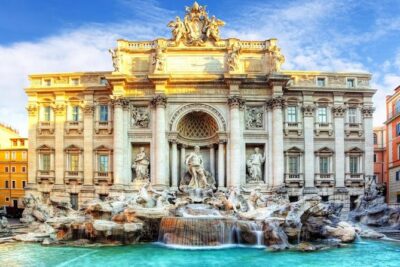
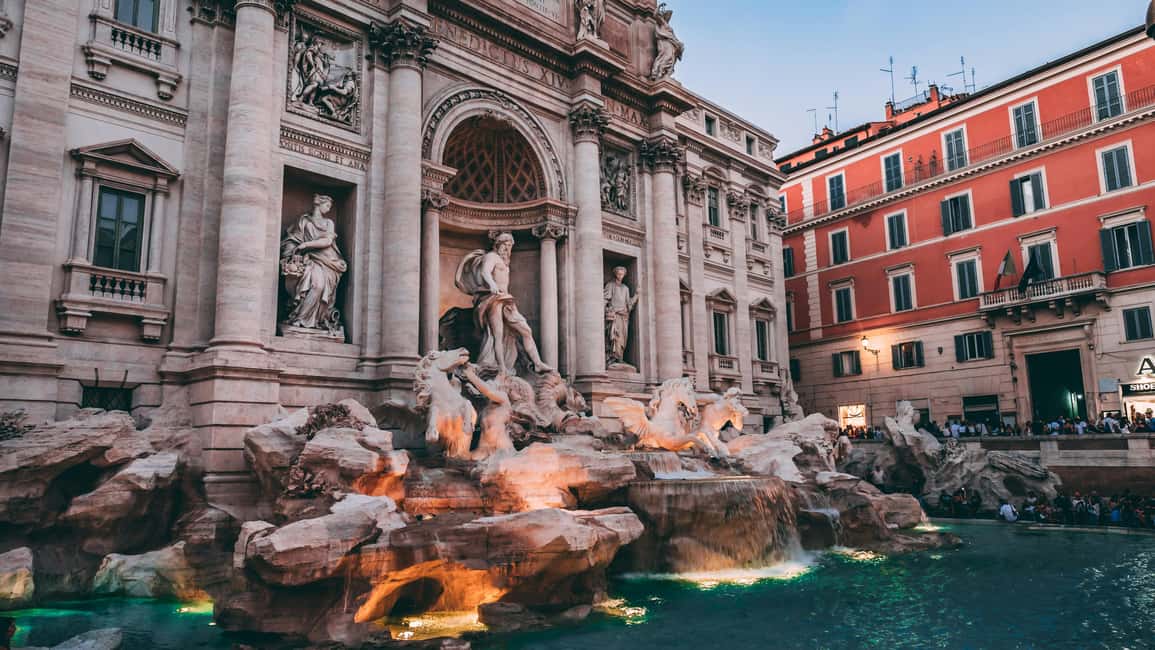
After the crypt, you’ll head back into daylight and stand before Trevi Fountain, one of Rome’s most famous Baroque masterpieces. It’s a spectacle even when you’re standing far from the crowds.
What I like about putting Trevi into the tour’s storyline is that it stops being only a wish-making moment. Your guide ties it to local legends connected to returning to Rome. It’s a small detail, but it helps you look at the fountain like a living part of the city, not a single big landmark you rush past.
A tip: wear comfortable shoes and move with the group. Trevi’s area gets busy, and part of the tour value is hearing the explanation while you’re still close enough to see what matters.
The Pantheon: when ancient scale meets guided context
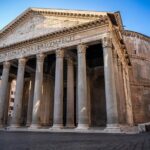
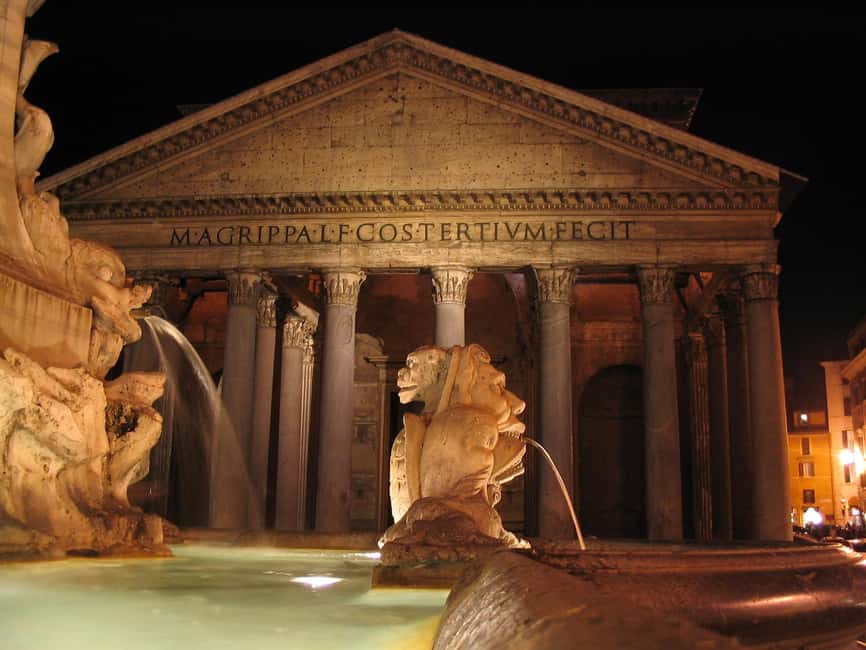
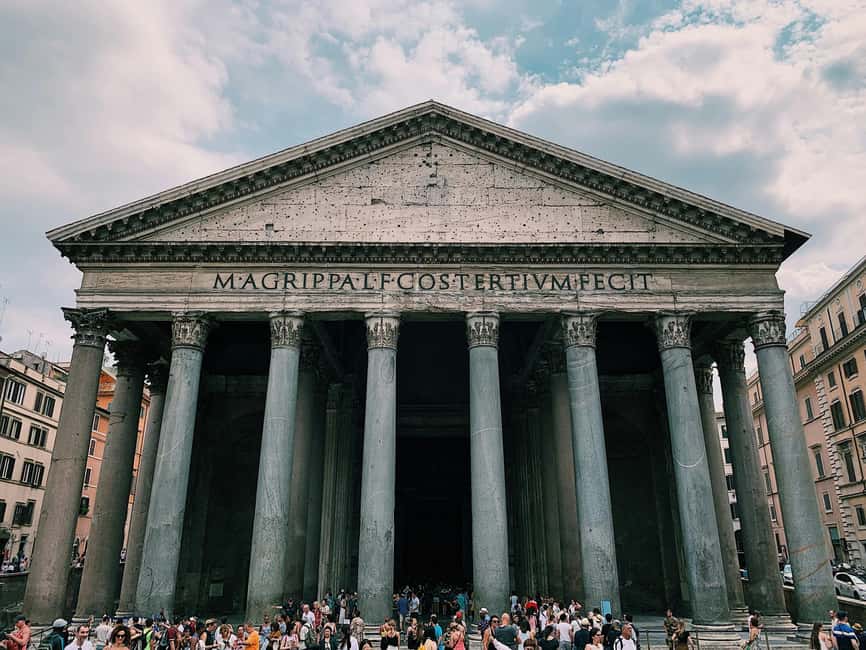
Next comes the Pantheon, where Roman engineering and myth-like storytelling overlap. Even if you’ve seen photos, the interior scale can surprise you. The guide’s role here is to connect what you’re looking at to the stories and ideas people used to carry inside these walls.
This stop works well on a 2 to 2.5 hour schedule because it is a concentrated dose of Rome’s grandeur. You don’t need extra time to understand why it’s a top site; you need a guide to point you toward the right elements and keep the facts clear.
If you like architecture, you’ll appreciate that the tour doesn’t treat the Pantheon as a quick checkpoint. It’s handled with enough pacing to make your visit feel complete rather than rushed.






Piazza Navona and its spectral legends
Then you’ll walk into Piazza Navona, a stunning Baroque square that feels theatrical in daylight. What makes this tour different is the way your guide adds the darker layer: legends of spectral presence and eerier stories connected to the palaces facing the square.
This is a good example of what the tour is built for. You’re not just seeing a pretty plaza. You’re hearing how locals (and Rome’s storytellers) frame places through fear, mystery, and imagination. That turns the square into a stage set rather than a backdrop.
Because you’re outdoors, you’ll hear more sound and see more people. Headsets help keep the guide’s narration clear, even when street noise rises. If you’re sensitive to distractions, this setup is a practical win.
Campo dei Fiori: the Bruno thread you might miss alone
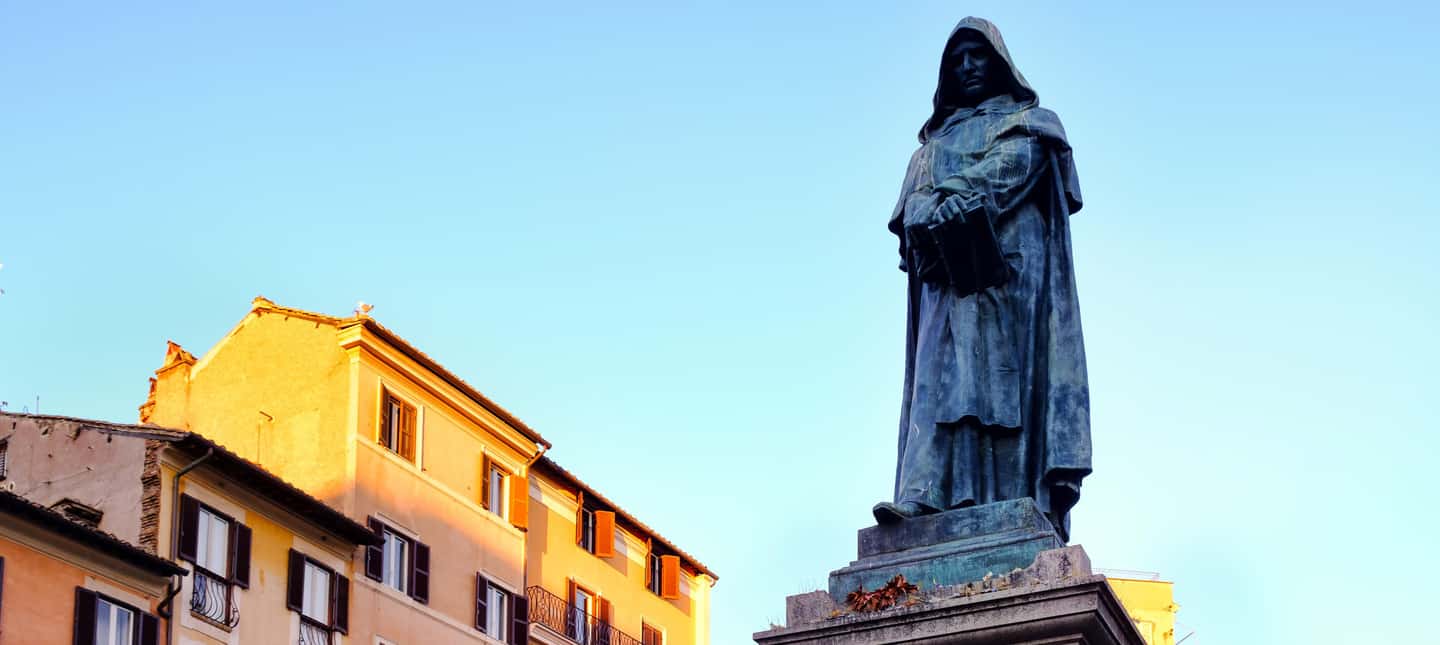
From Piazza Navona, the tour continues to Campo dei Fiori, and this is where the mood shifts into a specific historical sadness. Your guide explains the impressive but sad history connected to Giordano Bruno.
This stop can be easy to treat casually if you’re just walking through. The value here is your guide giving you the context that changes how you read the place. It’s not about memorizing dates for the sake of it. It’s about understanding why a square like this holds weight beyond shopping, street life, or casual photos.
I also like that the tour doesn’t only focus on the crypt. It spreads the darker theme across different eras, so Rome’s past feels connected rather than isolated in one underground room.
Santa Maria dell’Orazione e della Morte: a mystery finish
The tour ends at Chiesa Santa Maria dell’Orazione e della Morte, a church tied to mystery. This final stop matters because it helps close the story arc.
Your guide unravels the enigmatic tales around the sacred place and leaves you with something quieter than the crypt: a sense of wonder after the theatrics. It’s a good finish point because it’s meaningful without demanding extra time.
If you’re someone who likes leaving tours feeling like you understood the why, not just the what, this church ending fits that preference.
Who this tour suits best (and who should skip it)
This experience is best for adults and older teens who enjoy spooky storytelling and historical connections across Rome’s landmarks. It’s also a great pick if you want a guide who handles legends with respect, not just shock.
Based on the tour info, it is not suitable for:
- People with mobility impairments or wheelchair users
- People with claustrophobia
- Children under 12
- Anyone uncomfortable with a darker tone and underground spaces
You should also plan for the walking. The tour is short, but it still includes cobbled streets and multiple major sites. Comfortable shoes are non-negotiable.
What to bring (and what will trip you up)
You’ll have a better time if you come prepared. Bring:
- Comfortable shoes
- Umbrella (helpful in Rome weather swings)
- Water
- Passport or ID card (a copy is accepted)
Don’t bring:
- Shorts
- Luggage or large bags
- Short skirts
- Sleeveless shirts
These dress rules are real and can affect entry or participation. If you’re traveling with a packed day bag, keep it minimal.
One more practical note: if you’re running late, you won’t join the tour. So pack smart, head out early, and don’t gamble on tight connections with this one.
What makes the guides matter: the Anastasia and Stefania factor
The strongest reviews share a clear theme: the guides bring care and precision.
Anastasia is highlighted as the crypt guide, and the tone described is respectful and affectionate toward the capuchin monks. That kind of guide is important here. The crypt is not a comedy attraction; it needs sensitivity.
Stefania is praised for small stories on the way and for adding extras when they fit the route. Another review echoes Stefania’s attention to detail and willingness to answer questions. Gabriela also gets strong marks for being friendly and responsive while explaining the story.
So if you like tours where you can ask questions and you feel like the guide is paying attention to your group, this one seems to deliver.
How to fit it into your Rome day
This tour is 2 to 2.5 hours, so it’s easy to place between other big-ticket visits. I like it as a morning or early afternoon activity when you still have energy for walking and you’re not too tired to absorb stories.
Also, plan your route around the fact that the crypt has no photo or video allowance. If you’re the type who relies on photos for memory, you’ll want to take your pictures before you go in and then accept that the crypt becomes a more sensory, off-screen experience.
If you have limited time in Rome, this tour gives you both: one intense underground stop and multiple top monuments on the surface.
Should you book this Capuchin Crypt + Dark Past tour?
Book it if you want a small-group, guide-led experience that connects famous landmarks to eerie legends. At $65 you’re paying for the crypt ticket, a real guide, and headset audio, plus a tight itinerary that uses a short time window well.
Skip it if you need an easy, light sightseeing vibe. The crypt experience includes spooky stories and underground conditions, and it’s not designed for people with claustrophobia or mobility limitations.
If you’re comfortable with the theme and you want Rome with more texture than the typical highlights tour, this one is a strong match.
FAQ
FAQ
How long is the Capuchin Crypt and Rome dark past walking tour?
The tour lasts about 2 to 2.5 hours.
How much does it cost?
It’s $65 per person.
What’s included in the price?
You get an expert guide, the Capuchin Crypt entrance ticket, and headset use. Food and drinks are not included.
Is there a way to avoid long lines for the crypt?
Yes, the tour includes skip-the-ticket-line access for the Capuchin Crypt.
What should I bring?
Bring comfortable shoes, an umbrella, water, and a passport or ID card (a copy is accepted).
Are photos or videos allowed inside the crypt?
No. No pictures or videos are allowed inside the Crypt of the Capuchins.
Is this tour suitable for children or people with mobility issues?
It is not suitable for children under 12, wheelchair users, or people with mobility impairments. It is also not recommended for people with limited mobility.
What languages is the tour offered in?
The live tour guide is available in English, Spanish, Italian, Portuguese, and French.