REVIEW · ROME
Borghese Gallery Small Group Tour: Home to Bernini’s Masterpieces
Book on Viator →Operated by Rome Walkers · Bookable on Viator
Bernini’s Rome masterpiece is one timed ticket away. This small-group Borghese Gallery tour pairs reserved priority entrance with a guide, so you spend your limited time on the art—not the line.
I love the way the museum’s collection is given context, not just listed. With licensed tour guides like Faith and Eviss, the focus stays on what you’re seeing and why it mattered to the people who built this collection.
One possible consideration: this tour is more informative than casual, and there are notes about guide communication or headset hiccups. Also, second-floor access can be limited during renovation, so your best plan is to go in ready for the main highlights, not a full museum walk-through.
In This Review
- Key things to know before you go
- Why the Borghese Gallery feels different from the big museums
- Reserved priority entrance: the real value of your 2 hours
- Inside Villa Borghese: where the story starts
- What you’ll focus on: Bernini, Canova, and the painters in the same breath
- Touring pace: when “customized” is helpful (and when it’s not)
- Practical tips that make the Borghese easier
- Who should book this Borghese small-group tour?
- Should you book this tour for Bernini’s masterpieces?
- FAQ
- How long is the Borghese Gallery small group tour?
- Is the tour offered in English?
- How many people are in the group?
- What’s included in the tour price?
- What should I do about food and drinks?
- Where does the tour meet?
- Is the second floor always accessible?
- Can I cancel for a refund?
Key things to know before you go
- Reserved priority entrance helps you get inside faster and spend more of your 2 hours with the collection
- Small group (max 15) keeps the pacing flexible, with time for questions
- Licensed guide turns statues and paintings into a story you can follow
- 2-hour time box means you’ll see the essentials, not every room slowly
- Second-floor renovation window may affect what you can access during certain months
- Headsets and museum flow can matter—arrive early and be ready to move
Why the Borghese Gallery feels different from the big museums
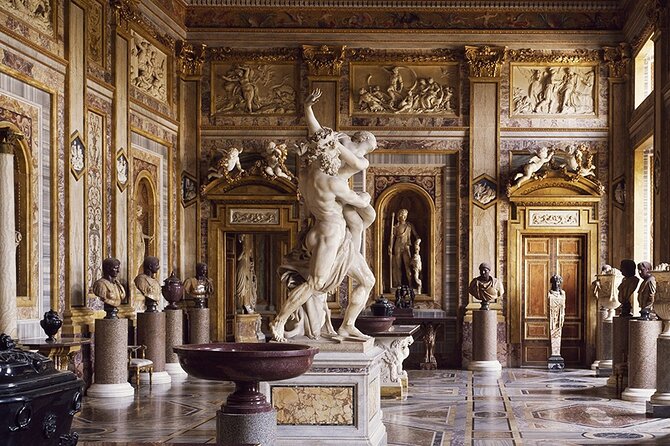
If you’ve already done the Coliseum and the Vatican, the Borghese Gallery is a smart pivot. It’s not just “more art.” It’s a focused collection built around one family’s taste—and one very influential pope’s favorite nephew, Cardinal Scipione Borghese.
This setting matters because you’re not wandering through a random mix. You’re stepping into a curated world of sculptures, bas-reliefs, ancient mosaics, and paintings spanning the 15th to the 19th centuries. The museum’s core collection is tied to Scipione, and that original ambition still shapes what you’ll feel walking through the rooms.
And yes—Bernini is a major reason people come. But what makes the experience special is how the collection lets you compare styles and eras in close quarters. You’ll see major painters like Caravaggio, Raphael, Titian, and Correggio alongside celebrated works by Antonello da Messina and Giovanni Bellini. Then you shift into the sculptural world of Gian Lorenzo Bernini and Canova. It’s art history you can actually feel in your feet and your attention span.
You can also read our reviews of more museum experiences in Rome



Reserved priority entrance: the real value of your 2 hours
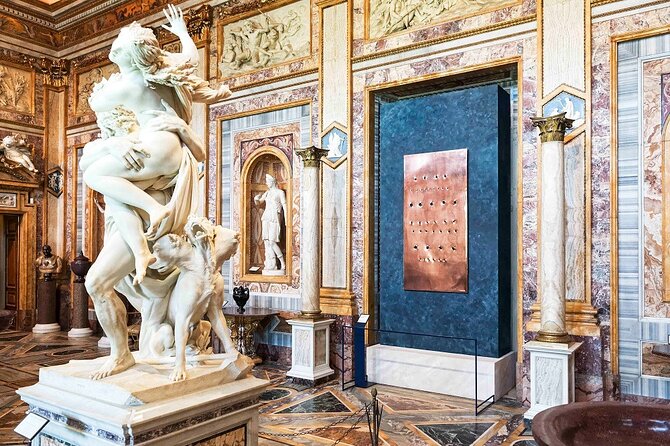
The tour runs about 2 hours, and that time limit is both the catch and the advantage. The catch: you can’t dawdle. The advantage: the tour is designed to keep you from burning time on dead ends.
The biggest practical win here is the reserved admission with priority entrance. In Rome, that’s not a luxury—it’s sanity. It buys you real minutes inside the gallery, where the artwork is waiting and the staff is keeping things moving.
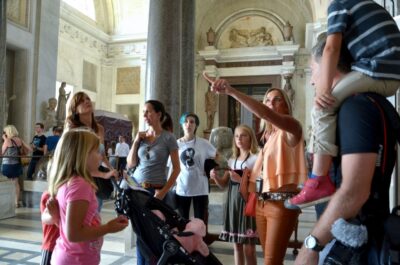
Because you’re in a small group of up to 15, your guide can adjust pacing. This matters at the Borghese because the experience isn’t just “look at a statue.” Some works hit differently when you understand what you’re seeing—emotion in marble, lighting designed for effect, myth and symbolism attached to the pose. A good guide helps you notice the details your eyes would otherwise skim past.
You also get the advantage of a private-style tour experience where the route and emphasis can match your pace and interests. If you want more explanation on Bernini, you can lean that way. If you’re more into Renaissance painting or want the story of the collection itself, you can steer the conversation.
Price-wise, I can’t quote a number from the info here, but the value logic is clear: you’re not just paying for access. You’re paying for guided time that helps you see more meaning per minute.
Inside Villa Borghese: where the story starts
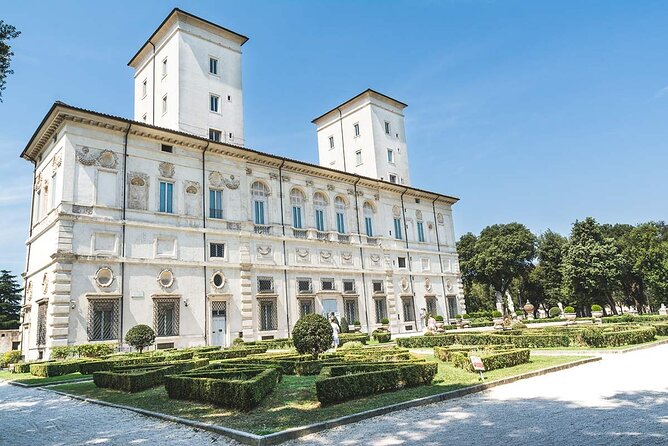
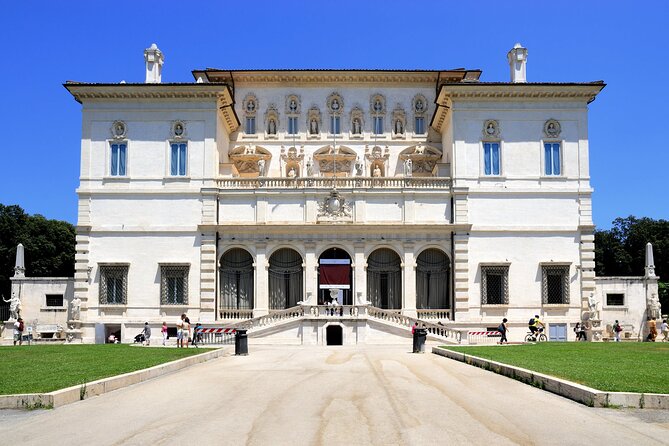
Your visit begins at the Galleria Borghese, inside Villa Borghese. That location isn’t trivia. It’s the reason the collection feels cohesive rather than chaotic.
Cardinal Scipione Borghese wasn’t just some collector—he was a major player in early 17th-century cultural life. He was also the favorite nephew of Pope Paul V Borghese, who used his power to protect and enrich his relatives. That relationship helps explain why this collection became so serious, so ambitious, and so influential.
The museum itself houses a wide mix: sculpture, bas-reliefs, ancient mosaics, and paintings from the 15th through the 19th century. That spread can sound broad on paper, but in the rooms it works like a sequence. You’ll get the sense of how different art forms served the same goals: power, prestige, storytelling, and beauty made to be seen up close.
Because the collection’s first nucleus traces back to Cardinal Scipione, you’re seeing the original vision behind the gallery. And that makes your guide’s job easier—instead of treating each artwork as a standalone object, they can connect them to the wider idea of what the Borghese family wanted to project.
What you’ll focus on: Bernini, Canova, and the painters in the same breath
The Borghese Gallery is famous for more than one kind of masterpiece. A smart tour doesn’t just hit the obvious names; it helps you understand how the masterpieces speak to each other.
Here’s the kind of artistic lineup you should expect to see named and explained:
- Caravaggio, Raphael, Titian, Correggio
- Antonello da Messina, Giovanni Bellini
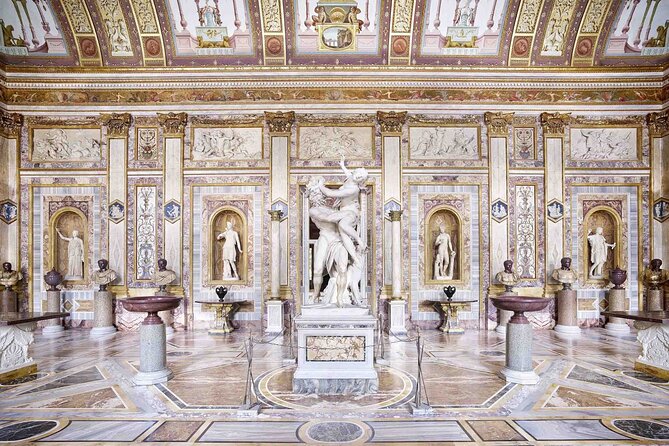
- Sculpture by Gian Lorenzo Bernini
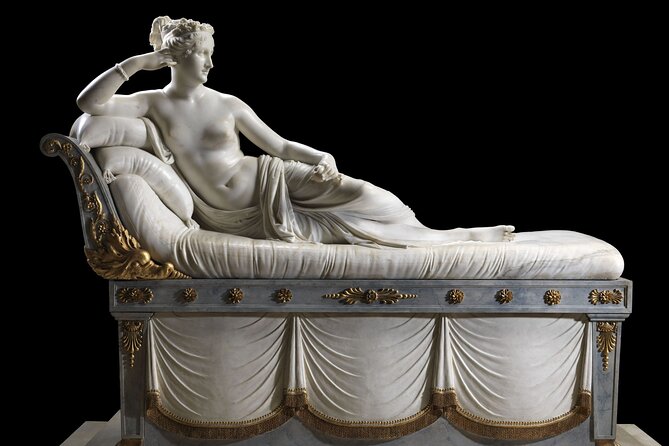
- Works by Canova
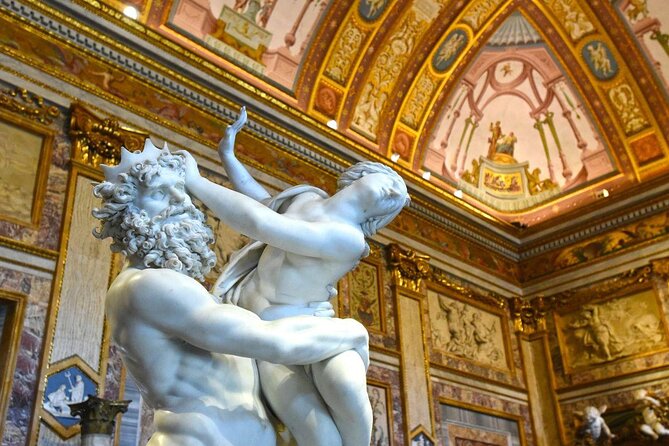
Caravaggio’s dramatic realism can feel like a punch—then you’ll step into sculpture that seems to move, even though it’s stone. Bernini in particular is worth the guided time. With the right context, you notice how gestures, expressions, and details are staged for emotional impact. You can also start to see what Bernini inherited and what he changed.
Then Canova’s style shifts the mood again. That contrast helps you avoid the common mistake of treating marble as marble. With explanation, you’ll see technique, intention, and the cultural taste of the era more clearly.
The best guides also help you connect the paintings and sculptures without turning it into a lecture. In the experience notes you provided, guides like Faith and Eviss are repeatedly praised for staying engaging and patient with questions. That matters, because the Borghese isn’t the place to feel rushed or talked past.
Touring pace: when “customized” is helpful (and when it’s not)
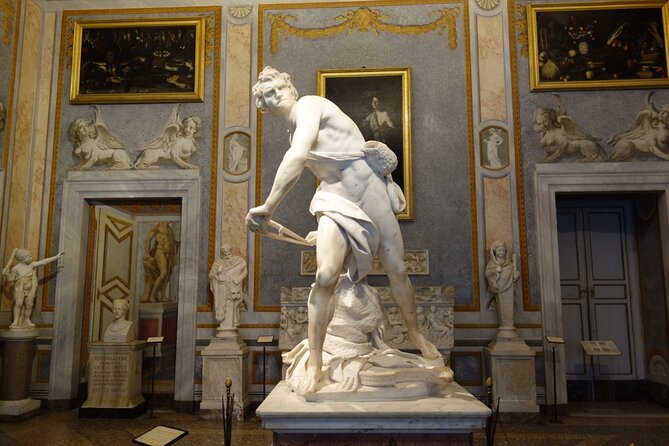
The tour is designed for your pace and interests, but “customized” still happens inside a 2-hour window. That means the best outcome is not seeing everything—it’s seeing the right things in the right order.
In practice, you’ll want to use that time box wisely:
- If you love Bernini, prioritize the Bernini-focused moments early
- If you’re into painting, ask your guide where the strongest narratives sit in the rooms
- If you’re a first-timer, don’t try to force the entire museum into your head—absorb the key rooms and leave happy
Small-group size helps with this. Up to 15 means there’s room for questions without the guide losing the group. Still, keep in mind that pacing issues can happen anywhere. One caution from the experience notes: sometimes timing or organization can be less smooth than you’d hope, and the headset setup can affect comfort. If you’re the kind of person who needs clear audio to follow along, arrive a touch early and mention any headset problems right away.
Also, during certain renovation dates (from March 19, 2024 until June), access to the second floor isn’t available. That can shape what you see. I’d plan to treat the main collection highlights as your certainty, not your bonus.





Practical tips that make the Borghese easier
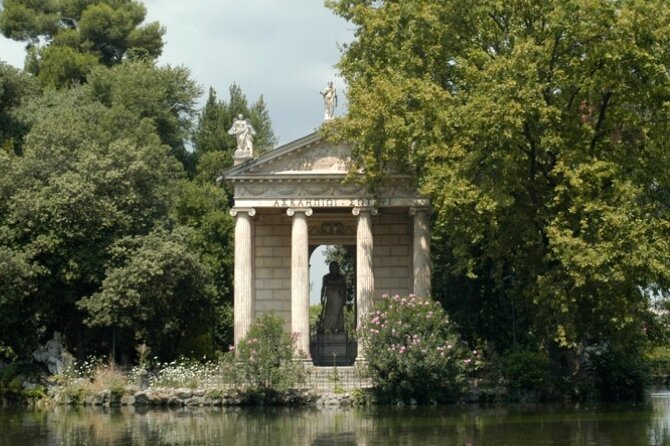
This is the part that keeps your trip from feeling like a stress test.
1) Start on time. The meeting point is at Galleria Borghese, Piazzale Scipione Borghese, 5, 00197 Roma RM, Italy. Rome routes can be a little chaotic, especially if you’re walking from transit. Give yourself buffer time so you don’t feel rushed before the tour even begins.
2) Expect bag handling. There’s a cloakroom attendant system, and bags/drinks may need to be handed in. The good news is it’s described as free to use. Still, figure out what you want to carry for two hours and keep it simple.
3) Use the headset if provided, and check it early. In one case, the audio equipment wasn’t in great condition. Your move: test it quickly once you’re in place. If something feels off, let the guide know right away.
4) Dress for standing time, even indoors. Two hours sounds short, but you may still spend time moving between rooms and stopping at key works. Comfortable shoes are a bigger deal here than you might think.
5) Bring the right mindset. If you want the Borghese as a casual stroll with zero context, a guided format may feel like too much structure. If you want the art explained with real reasons behind choices, this is the sweet spot.
Who should book this Borghese small-group tour?
This tour is a good match if you fall into one of these buckets:
- You want Bernini’s masterpieces with context, not just photos
- You enjoy asking questions and having them answered politely and clearly
- You like smaller groups and a route that makes sense with your time in Rome
- You’re visiting during times when reserved entry helps you avoid wasting your afternoon
It may be less ideal if:
- You want to move at your own pace without stops or guidance
- You get frustrated when you feel slightly rushed (this museum is built for attention, but the clock still wins)
- You need the second floor for the full breadth of your must-see list during renovation periods
Should you book this tour for Bernini’s masterpieces?
My advice: book it if you care about understanding what you’re looking at. The Borghese works best when someone gives you the keys—how to read expressions in marble, why certain artists appear in the same rooms, and what the Borghese collection was trying to say.
I’d also do one practical check before you go: confirm that your timing works smoothly for your day in Rome, especially if you prefer a tight schedule. The overall tour size and reserved entrance are exactly what make it feel efficient.
If you’re going mainly for a quick gallery photo sprint, you might be happier self-guiding. But if you want the museum to click—then this guide-led, small-group format is a smart way to spend your limited time in the Borghese.
FAQ
How long is the Borghese Gallery small group tour?
It lasts about 2 hours.
Is the tour offered in English?
Yes, the tour is offered in English.
How many people are in the group?
The tour has a maximum of 15 travelers.
What’s included in the tour price?
The tour includes a licensed tour guide and Galleria Borghese tickets & fees.
What should I do about food and drinks?
Food and drinks are not included.
Where does the tour meet?
The meeting point is Galleria Borghese, Piazzale Scipione Borghese, 5, 00197 Roma RM, Italy.
Is the second floor always accessible?
No. From March 19, 2024 until June, access to the second floor of the museum is not possible due to renovation works.
Can I cancel for a refund?
Yes. You can cancel for a full refund up to 24 hours before the experience’s start time.