REVIEW · ROME
Walking Tour at The Colosseum and Forum with an Archaeologist
Book on Viator →Operated by Roma Eat SRLS · Bookable on Viator
Roman ruins start to make sense fast. This Colosseum and Forum walking tour pairs you with an archaeologist and a small group, so the stories feel grounded in how Romans actually lived. I especially liked the way Flavia made the Colosseum and Roman Forum feel real—less like statues, more like daily life. The pacing stays human, with enough time to look closely instead of rushing past everything.
One thing to keep in mind: it’s about 3 hours on your feet and it’s best in good weather. You’ll also need to plan ahead with the names and ID you provide, because entry depends on those details matching what’s on your ticket.
In This Review
- Key things I’d prioritize before you go
- A small-group Colosseum and Forum walk with an archaeologist
- Meeting at L.go della Salara Vecchia and finishing at Via dei Fori Imperiali
- Entering the Colosseum: more than a famous amphitheater
- Roman Forum on foot: temples, palaces, and the feel of civic life
- Palatine Hill: how the whole story connects
- Tickets, IDs, and mobile entry: keep your details straight
- Price and value: what you’re paying for
- Weather, walking pace, and comfort planning
- Who should book this Colosseum and Forum archaeologist tour?
- Should you book this tour?
- FAQ
- What’s the duration of the tour?
- What time does the tour start, and where does it end?
- Is the tour in English?
- Are admission tickets included for the Colosseum and Roman Forum?
- Do I need to bring ID, and does it need to match the booking name?
- What happens if the tour is canceled due to poor weather?
Key things I’d prioritize before you go
- Archaeologist-led explanations that connect the sites to ancient Roman routines, not just dates and walls
- Flavia’s style of storytelling that helps you picture the places in their working prime
- Admission tickets included for the Colosseum and Roman Forum, so you avoid extra steps
- Small group size (max 12) for a more conversational walk and easier questions
- Colosseum (2 hours) + Forum (1.5 hours) gives real time at each core site
- Palatine Hill included as part of the walk connecting the broader story of Rome
A small-group Colosseum and Forum walk with an archaeologist
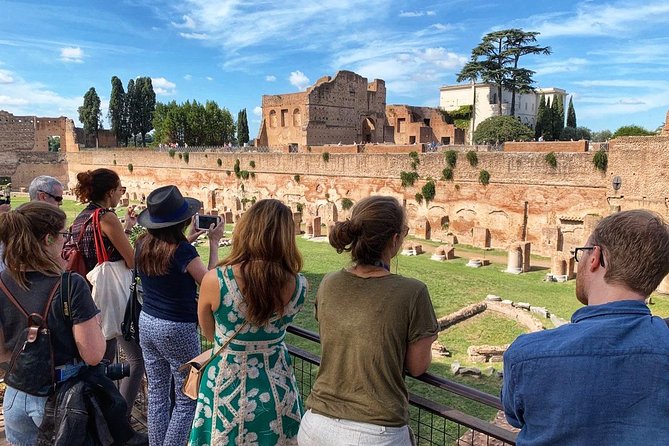
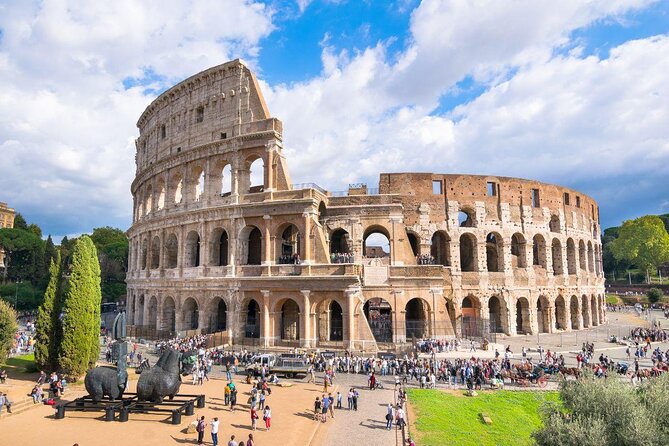
If you’ve ever looked at the Colosseum and felt that classic wow moment, this is the next step: making that wow stick. This tour brings you through the Colosseum, the Roman Forum, and Palatine Hill with an archaeologist who can translate what you’re seeing into how it functioned when Rome was still standing tall.
The biggest practical win is the small group. With a max of 12 people, you’re less likely to feel like you’re being herded. You can ask quick questions, hear explanations clearly, and keep your place as you move through the sites. That matters here because both the Colosseum and the Forum are huge—simple “see it and go” tours can leave you with a blur of stone.
I also like that the tour is built around walking. You’re not just standing and looking down at ruins. You move along old routes and viewpoints, and the archaeologist turns those paths into a story—about public life, power, and what Romans came to do in these spaces.
And yes, it’s English. That may sound obvious, but at major sites like this, clarity can make or break your experience. With an archaeologist leading, you want your guide to be specific, and English coverage helps you actually follow the details.
You can also read our reviews of more walking tours in Rome

Meeting at L.go della Salara Vecchia and finishing at Via dei Fori Imperiali
This tour starts at L.go della Salara Vecchia, 5, 00186 Roma RM, Italy at 10:00 am. It ends at Via dei Fori Imperiali, Roma RM. Both are in the historic core, and it’s listed as near public transportation.
That end point is useful to know. Via dei Fori Imperiali is a central corridor near the Forum area, so you’ll usually be well-positioned for a post-tour wander or a bite to eat without needing to cross the city to get back into rhythm.
A practical tip: if you’re using a phone navigation app, confirm the meeting pin before you leave your hotel. In Rome, streets can be close together but the “start” door can still be a bit of a hunt—especially when you’re arriving a few minutes late.
Entering the Colosseum: more than a famous amphitheater
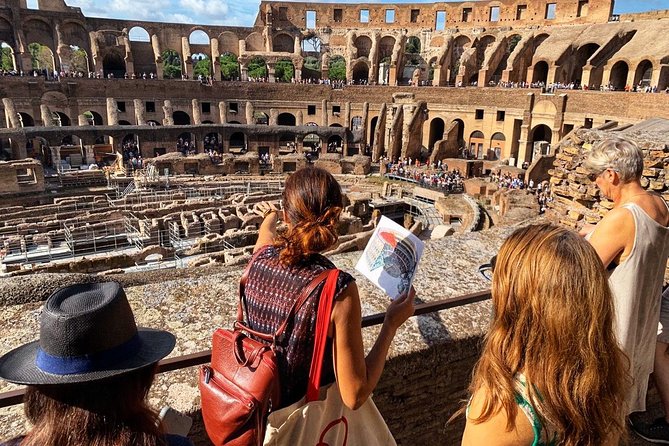
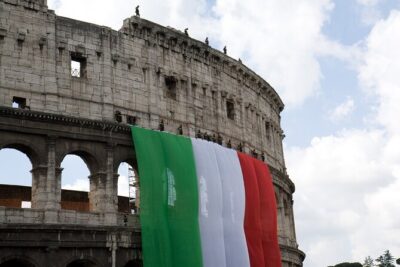
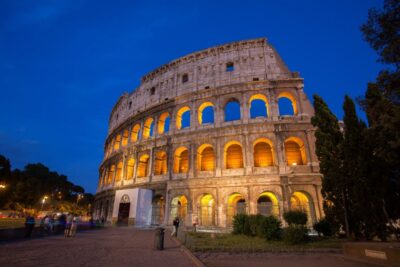
The tour’s first stop is the Colosseum for about 2 hours, and that time block is a big part of why this experience works. The Colosseum is famous for a reason, but it’s also easy to get stuck in the tourist version of it—standing where the cameras want you to stand.
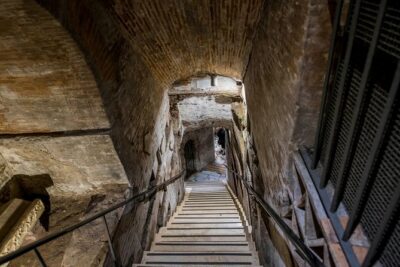
With an archaeologist in charge, you get help looking at the building like a system. You’ll explore the Colosseum’s hidden corners and secrets, and you’ll hear explanations that connect what you see to ancient Roman life. That can mean understanding how the structure shaped movement, viewing, and the overall experience of public spectacle—without turning it into a lecture that floats above your head.
One reason I find this stop more satisfying than typical “quick hit” tours is the angle. Instead of treating the Colosseum as a museum object, you’re encouraged to imagine the place in use. In the best parts of the walk, the guide helps you picture what people might have visited, how the space worked, and what details would have mattered day-of-show.
You’ll also notice how the guide’s approach affects your photos. When someone explains why a section exists or what it would have meant, your photos become more than proof you were there. They start to become memory anchors.
Roman Forum on foot: temples, palaces, and the feel of civic life
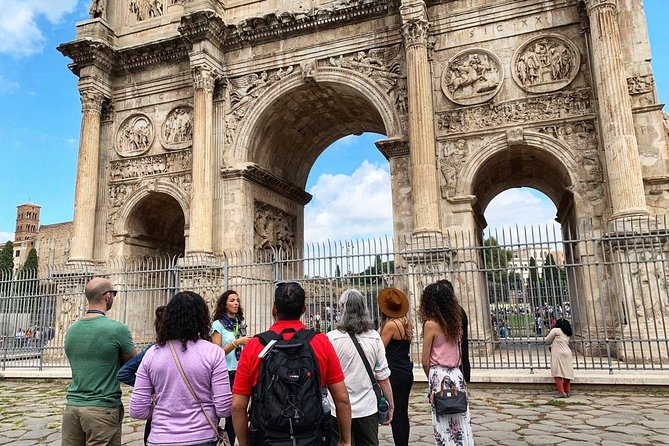
Next comes the Roman Forum for about 1 hour 30 minutes. This is where the pace changes—less “one big monument” and more “walk through the city’s center.”
The Forum stop is built around the idea of moving through old streets and discovering the buildings, palaces, and temples that defined Roman civic life. Even if you’ve studied Rome before, walking the Forum with a guide helps you organize what you’re looking at. Ruins can feel like scattered fragments from a distance. Up close, and with interpretation, the pieces start to align.
This is also the part of the tour where questions tend to pop up naturally. Why was this space here? What function did this area serve? What does the layout tell you about how Romans gathered? An archaeologist can point out relationships between structures and explain the logic behind the city center—how power, religion, and public life overlapped in daily visibility.
A small caution: the Forum can feel like a lot at once. There’s no way around that. It’s a compact area packed with remains. The value of the guide is that you’re not left to connect the dots alone; you’re given just enough structure so the walk feels like a narrative instead of a scavenger hunt.
If you like your ruins with context—politics, daily behavior, public space—this stop is the payoff.
Palatine Hill: how the whole story connects
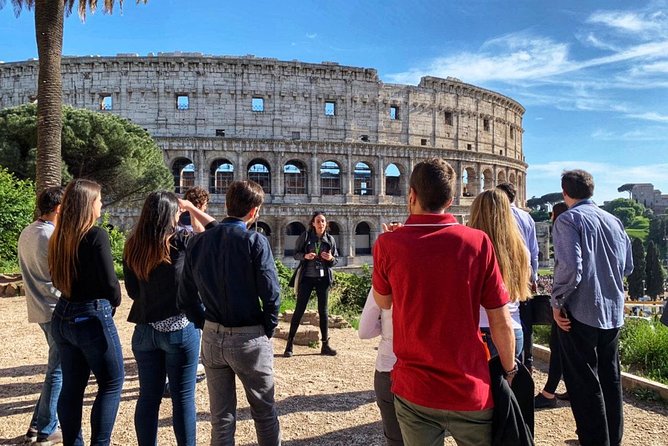
This tour also includes Palatine Hill, which is important because it widens the lens beyond just the amphitheater and the civic heart. The Colosseum and the Forum tell you a lot about public spectacle and public decision-making. Palatine Hill helps connect that to who lived near the center of power and why this whole zone mattered in the Roman world.
You don’t get it as a separate “show-only” segment with a standalone time block listed, but it’s part of the overall flow. And that flow matters. When you see the broader area as one connected world, the ruins stop feeling like separate attractions and start feeling like a single geography of power, ceremony, and everyday access.
For you, that means a better mental map of Rome’s center—especially if you’re planning to visit other nearby sights after the tour.






Tickets, IDs, and mobile entry: keep your details straight
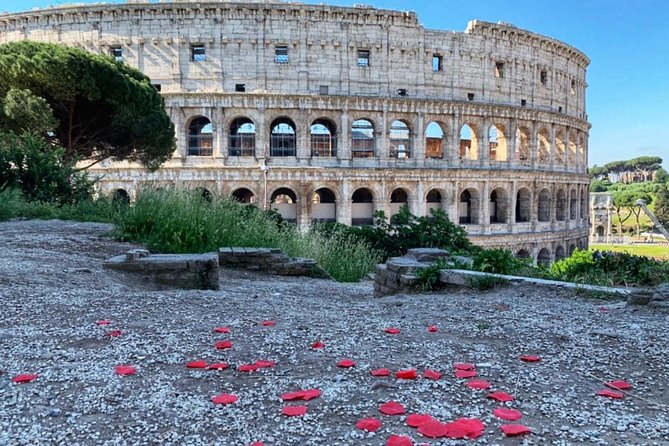
This is one of those tours where logistics directly affect your experience. You’ll use a mobile ticket, and confirmation is received within 48 hours of booking, subject to availability.
Most importantly: you must provide the full names of all travelers when booking. If the names on your voucher don’t match what’s presented at the ticket office, entry to the Colosseum and Roman Forum may be denied. Each person must also present a valid passport or ID document that matches the name provided during booking.
This matters because it’s not just a “bring ID just in case” situation. It’s tied to access. So do this now, not later:
- Double-check the spelling of your name as it appears on your passport/ID
- Make sure every person in your group is included with full names at booking
- Keep your ID easy to reach on the day of entry
The tour is also noted as near public transportation, which helps. But Rome can be tricky on timing; arriving calmly and ready with the right documents is how you avoid stress before you even reach the first stop.
Price and value: what you’re paying for
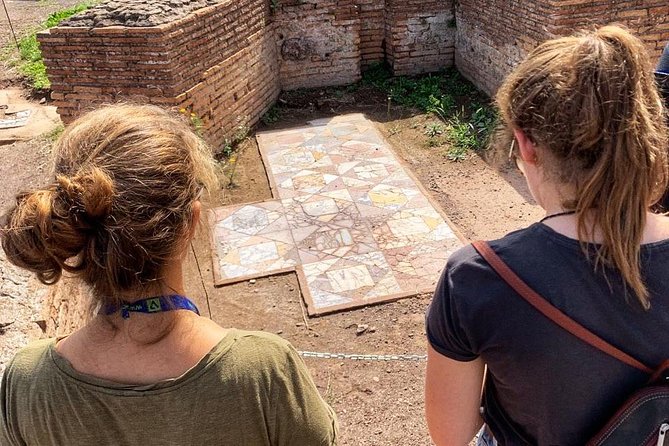
The price is $112.38 per person for a tour lasting about 3 hours, in English, with admission tickets included for the Colosseum and Roman Forum.
On its face, that cost can look steep—until you break down what’s included and what you avoid. You’re paying for:
- A guide who interprets complex sites (Colosseum + Forum + Palatine Hill)
- A small group setting (max 12) that helps the experience stay interactive
- Admission tickets covered for the two main entries
- A structured route so you don’t waste energy figuring out what matters most
If you’re the type of visitor who enjoys history only when it explains the “why,” this price can feel fair. The guide’s interpretation is the product. Without it, you can still visit, but you’ll likely spend more time staring and less time understanding.
If your goal is purely to photograph the biggest landmarks quickly, you might prefer a cheaper self-guided approach. But if your goal is to leave with a sharper picture of Roman life—how the city worked, not just what’s still standing—this kind of guided format usually justifies itself.
Weather, walking pace, and comfort planning
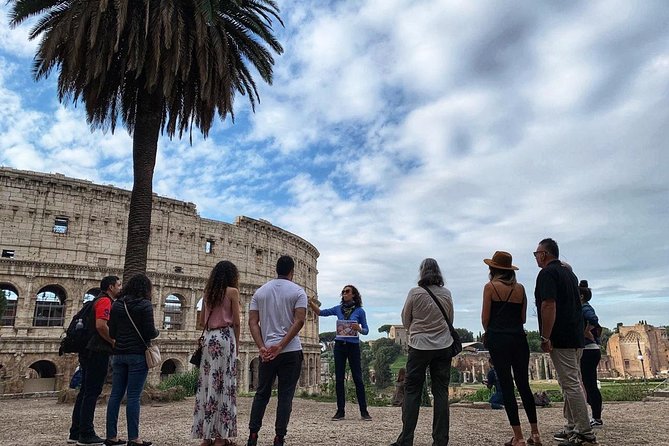
This tour requires good weather. It’s scheduled outdoors and involves walking through major ruins, so comfortable shoes really matter. The time commitment—about 3 hours—is enough that you’ll feel it if you show up in footwear that’s fine for museum floors but not for uneven stone and long distances.
Also, because admission depends on correct documentation and entry timing, weather disruptions can be annoying. The good news is that if the tour is canceled due to poor weather, you’ll be offered a different date or a full refund.
So treat this like a plan that’s worth protecting. If you’re deciding between dates in Rome, pick the day with the most stable forecast and plan your day so you don’t sprint across the city afterward.
Who should book this Colosseum and Forum archaeologist tour?
I’d point you toward this tour if:
- You want an archaeologist’s explanations, not just an audio app
- You’re drawn to the Colosseum but also want context from the Roman Forum
- You prefer a small group with a guide you can actually hear
- You like walking routes that help you build a mental map of central Rome
I’d think twice if:
- You hate walking and long indoor/outdoor transitions
- Your schedule is extremely tight and you can’t handle possible weather changes
- You’re unwilling to double-check names and ID requirements ahead of time
Should you book this tour?
If you want the Colosseum and Forum to feel like more than famous ruins, I think this is a smart booking. The strongest argument is the combination of archaeologist-led storytelling, a small group size, and included admission for the two key entries. Flavia’s guided approach is the kind that turns stone into something you can visualize.
Just go in prepared: wear good shoes, bring the right ID with matching names, and choose a weather-friendly day. Do that, and you’ll end the tour with a clearer picture of how Rome’s center looked and worked—long after you leave the site.
FAQ
What’s the duration of the tour?
The tour lasts about 3 hours.
What time does the tour start, and where does it end?
It starts at 10:00 am and ends at Via dei Fori Imperiali, Roma RM.
Is the tour in English?
Yes, the tour is offered in English.
Are admission tickets included for the Colosseum and Roman Forum?
Yes. Admission tickets for the Colosseum and Roman Forum are included.
Do I need to bring ID, and does it need to match the booking name?
Yes. Each traveler must present a valid passport or ID document that matches the name provided at booking.
What happens if the tour is canceled due to poor weather?
If it’s canceled due to poor weather, you’ll be offered a different date or a full refund.