REVIEW · ROME
Rome: Vatican Museum and Sistine Chapel Official Guided Tour
Book on GetYourGuide →Operated by Ancient Roman Tours srl · Bookable on GetYourGuide
Michelangelo is the finale.
This guided Vatican Museums and Sistine Chapel experience is built for speed and focus: you get an official-style route through the most famous rooms, with a live guide to connect the art to the people, politics, and ideas behind it.
I especially like the way the tour highlights the Raphael Rooms and the Gallery of Maps instead of treating the Vatican like a random checklist. You also get structured pacing for a site that can feel like a maze.
One thing to weigh: Sistine Chapel access can depend on current operations, and you will still go through the Vatican’s security screening like everyone else.
In This Review
- Key highlights you’ll feel right away
- Two hours in the Vatican Museums: the smart idea
- Check-in at Via Santamaura and getting into the Vatican
- Pio-Clementine Museum: classical drama in marble
- Gallery of Maps: Renaissance science with a political brain
- Raphael Rooms: The School of Athens and the logic of frescoes
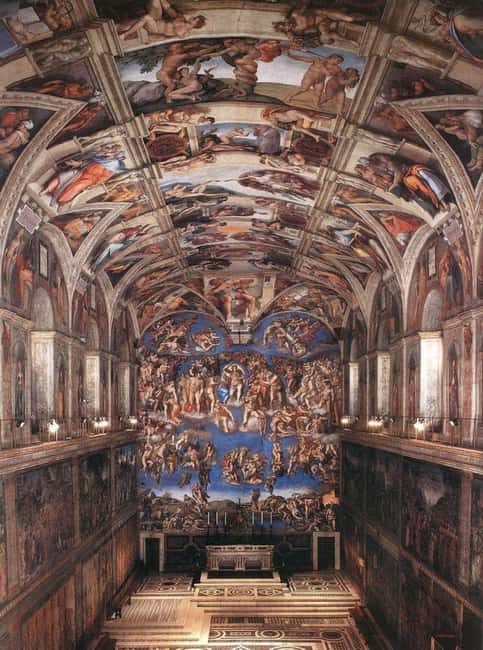
- Sistine Chapel finale: Michelangelo’s ceiling and the story behind it
- Headsets, English delivery, and how to make the tour audible
- Dress code, what to bring, and the most common mistakes
- Price and value: is $66.84 a fair deal?
- Who this tour suits best
- Should you book this Vatican guided tour?
- FAQ
- How long is the Vatican Museums and Sistine Chapel tour?
- Where do I meet the guide?
- Is entry to the Vatican Museums and Sistine Chapel included?
- What language is the tour guide?
- Are headsets included?
- What should I bring for entry?
- Are there dress restrictions?
- Is there free cancellation?
Key highlights you’ll feel right away
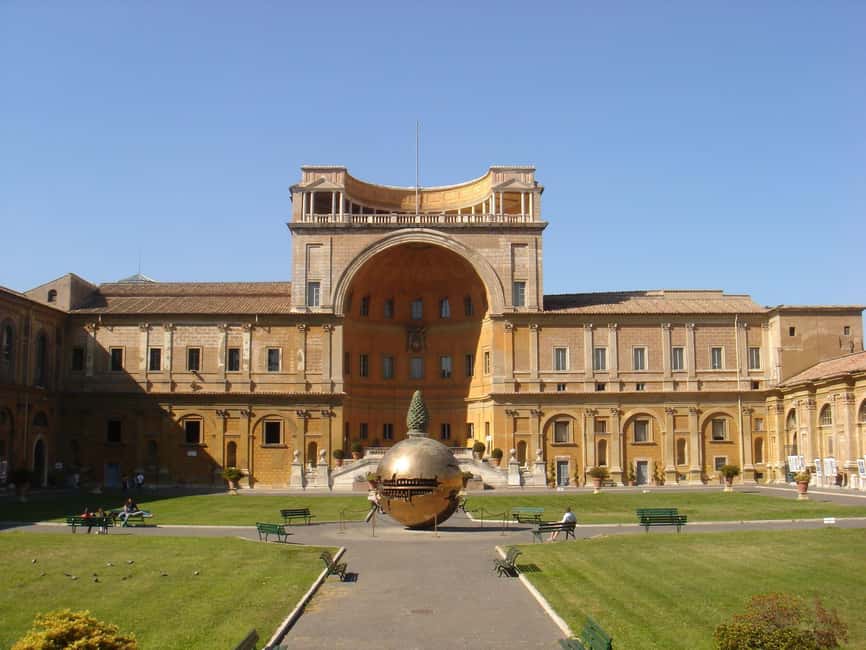
- Official entry ticket included, so you’re not scrambling at the gates with timed slots
- Raphael Rooms focus, including The School of Athens and other major fresco areas
- Gallery of Maps stops, where Renaissance science meets politics and power
- Pio-Clementine Museum sculptures, including the dramatic Laocoön Group
- Sistine Chapel as the capstone, with Michelangelo’s Creation of Adam as a clear endpoint
- Live English guide plus headset support for larger groups, to help you actually hear the stories
Two hours in the Vatican Museums: the smart idea
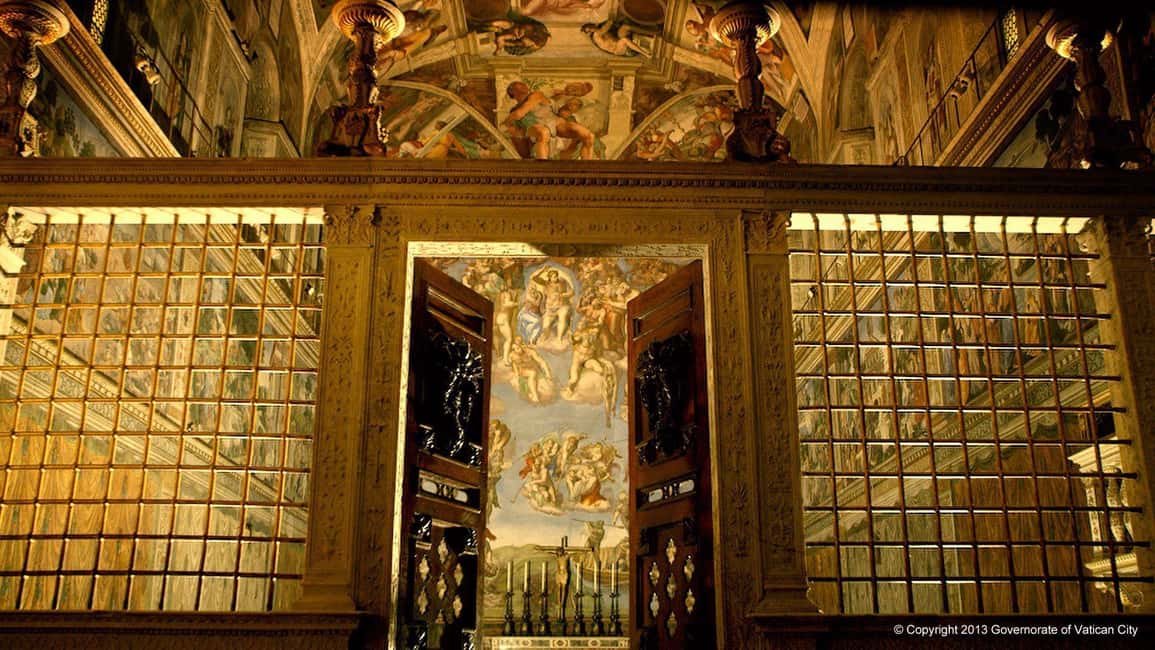
The Vatican Museums are huge, and you can easily lose half your time just moving between rooms. This tour’s value is that it aims to solve that problem with a clear route and a guide who keeps you oriented.
The time window is short enough that you need to decide what you want most. If your top priority is seeing the ceiling and a handful of headline spaces (instead of “everything”), you’ll likely love how tight the plan is.
Also, you’re not paying just for art viewing. You’re paying for the guide’s explanations—what makes each room matter and how the themes connect, from classical sculpture to Renaissance ideas.
You can also read our reviews of more guided tours in Rome



Check-in at Via Santamaura and getting into the Vatican
You meet inside the Ancient Roman Tours office, downstairs, at Via Santamaura, 32. This matters because the Vatican day can start chaotically—so having a predictable check-in spot for restrooms, quick setup, and a Wi‑Fi moment helps.
From there, you head to the Vatican Museums entrance and pass through security. The Vatican’s screening is airport-style, and in busy times you should plan for waits that can exceed 30 minutes.
Practical tip: go early on purpose. Even if your ticket time is correct, security is the bottleneck, and your tour time is still your tour time.
Pio-Clementine Museum: classical drama in marble
One of the most memorable parts of the Vatican for many people is when you shift from paintings to sculpture. Here, the tour route takes you into the Pio-Clementine Museum, known for ancient works and expressive figures.
You’ll spend time with major pieces like the Laocoön Group, a sculpture that shows mythic tension and physical strain. What I like about this stop is that it sets the stage for what comes next: the Renaissance artists didn’t work in a vacuum. They studied classical form and tried to capture movement, emotion, and human scale.
Potential drawback: sculpture galleries can move slowly if you stop often to read. If you tend to linger, keep an eye on the group pace so you don’t cut into the later rooms that you probably came for.
Gallery of Maps: Renaissance science with a political brain
The Gallery of Maps is one of those spaces that looks decorative until you realize it’s also a statement. Renaissance cartography was never just about geography. It reflected power, knowledge, and how people imagined the world.
On this tour, it’s not treated like a background hallway. The guide’s job is to help you see what you’re actually looking at and why it’s there. If you like learning how art and science overlap—how mapmaking got tied to status and worldview—this stop will feel like more than a quick photo stop.
This is also a good area for a slower pace without losing your place. The room’s layout helps you orient your viewing, especially if you’re using the time to catch details between bigger “must-see” rooms.
Raphael Rooms: The School of Athens and the logic of frescoes
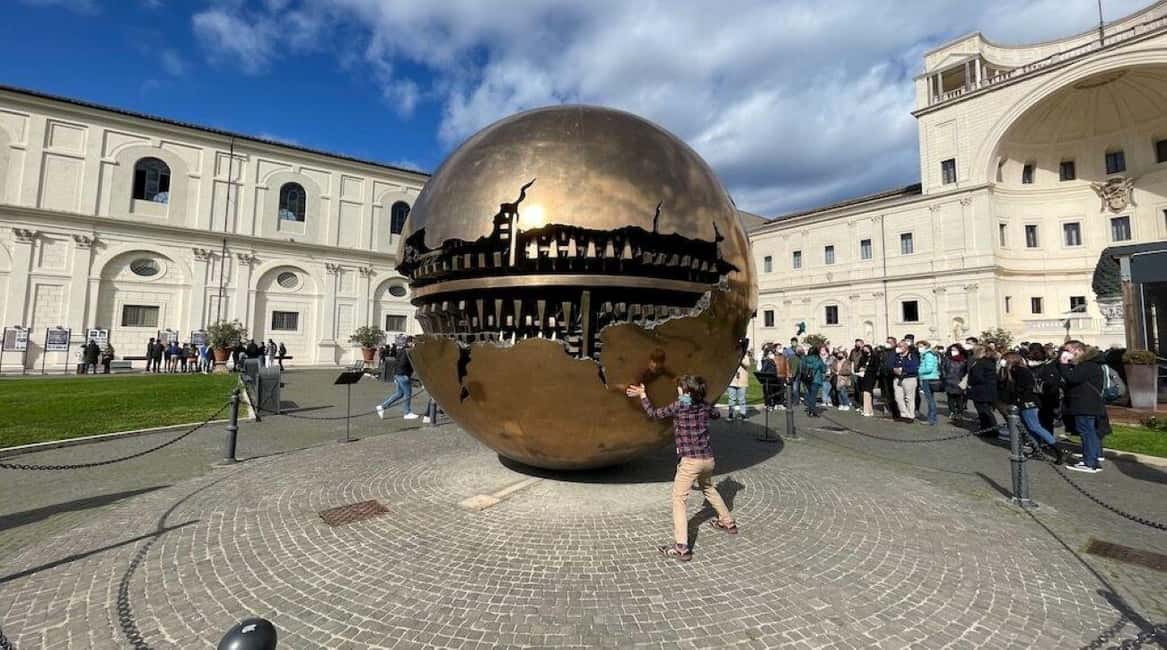
If the Vatican has a single “Wow, I get it” sequence, it’s often here. The Raphael Rooms are famous for frescoes that look effortless, but the ideas behind them are anything but simple.
You’ll see headline works like The School of Athens, which is all about philosophy, symbolism, and the Renaissance obsession with placing ancient thinkers in a modern frame. What I like is that the guide’s storytelling helps you notice things you’d otherwise miss: figures, references, and the way perspective and composition push meaning.
A small practical note: frescoes are high, and crowds can press close. If you want to actually see the details, aim to position yourself early when your group pauses, not after everyone settles into the best sightlines.
You can also read our reviews of more museum experiences in Rome



Sistine Chapel finale: Michelangelo’s ceiling and the story behind it
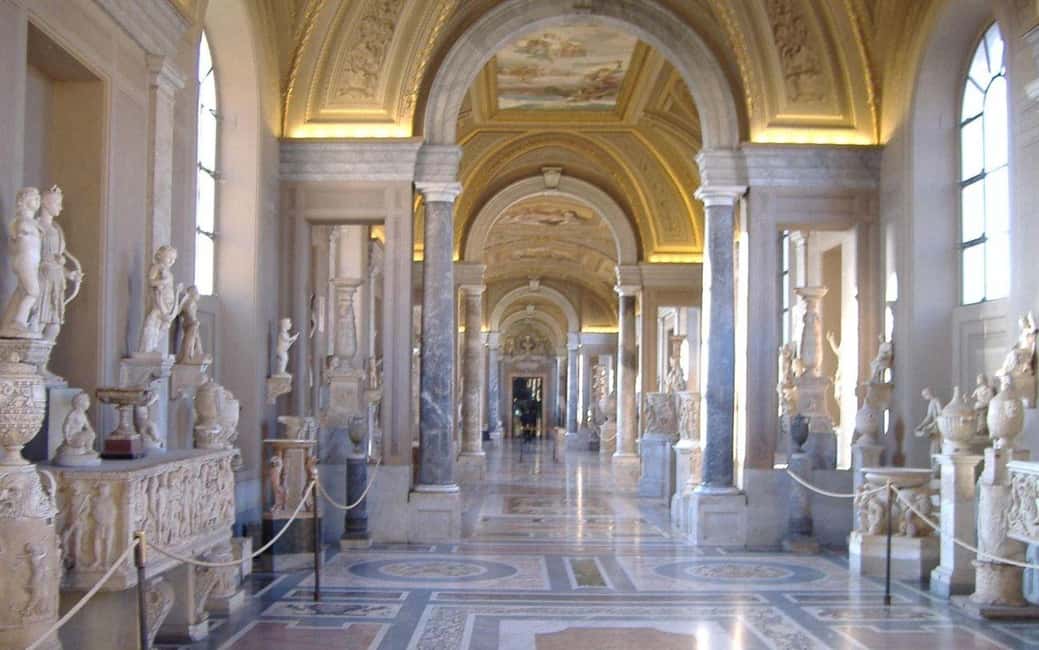
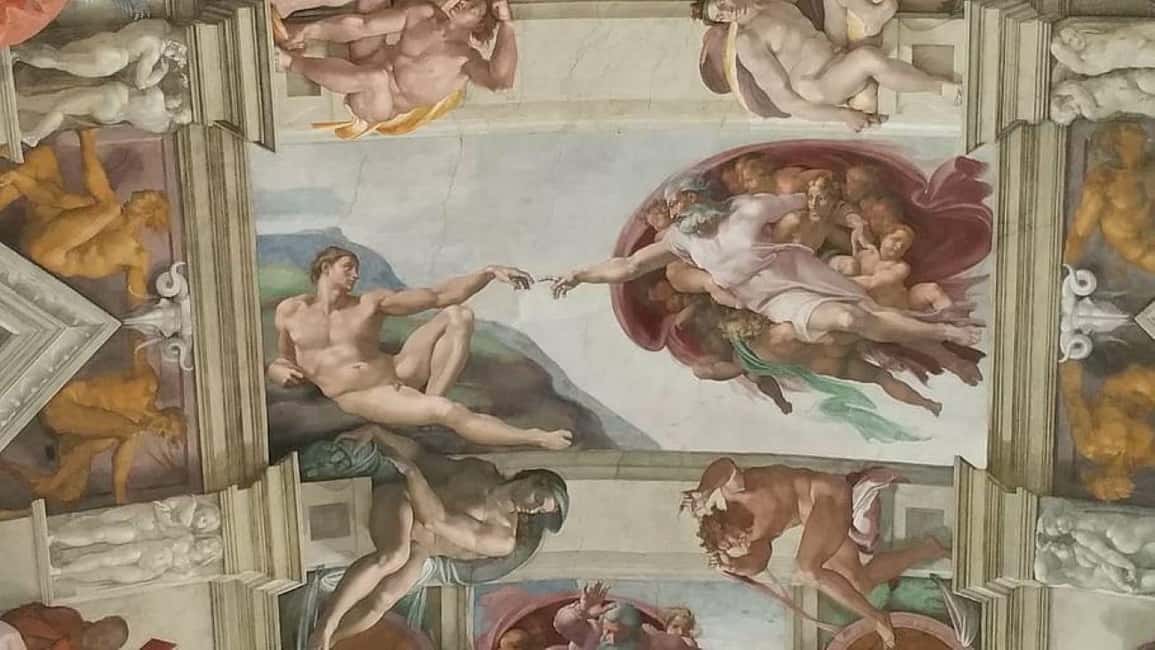
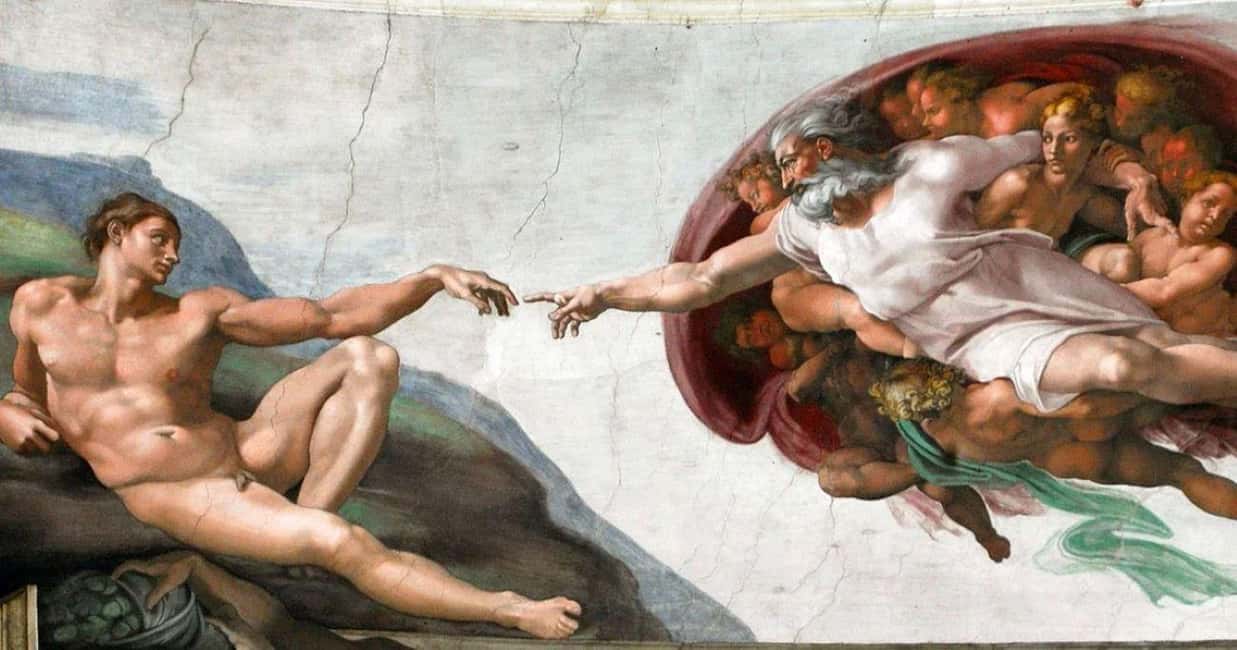
The final act is the Sistine Chapel, where Michelangelo’s frescoes command your eyes even if you come in jaded by museum crowds. The guide focuses the experience on the chapel’s creation story and its art-historical significance, with big attention on The Creation of Adam.
This stop is the payoff, but it can also be the most sensitive part of your day. The Vatican is currently operating with the Conclave taking place in the Sistine Chapel, and the chapel is set to close starting April 28. If your dates fall near that change, double-check the latest Vatican status after booking so you aren’t planning your whole trip around one room.
One more timing reality: even with a guided plan, you still have to be there and ready when your group moves. So keep your schedule tight and don’t wander too far earlier in the day.
Headsets, English delivery, and how to make the tour audible
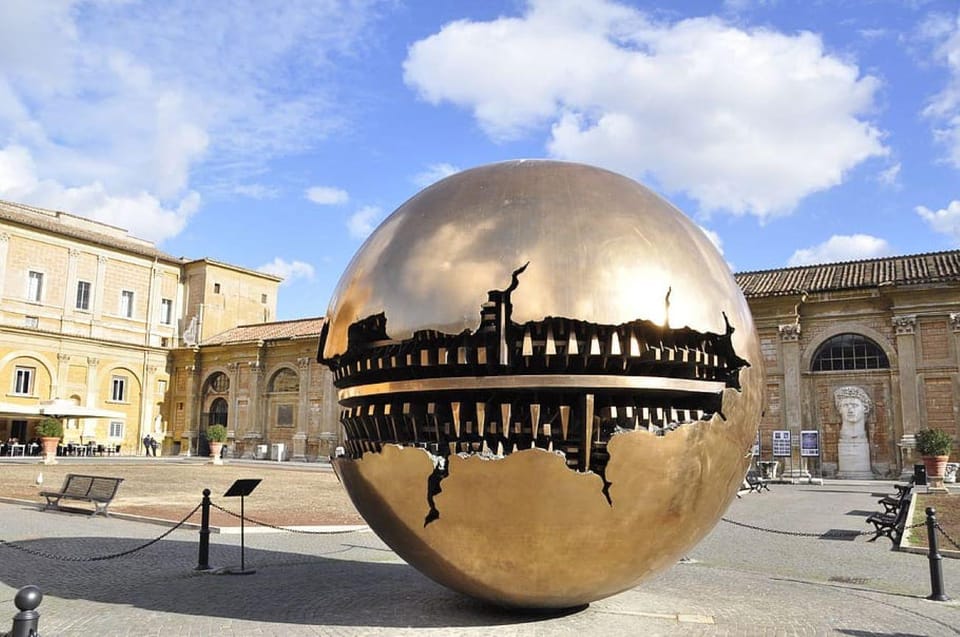
The tour is in English, with live narration. For groups larger than 10 (excluding children), you’ll get a headset so you can hear the guide more clearly.
If you’re picky about audio (or you know you struggle with accents or volume in busy spaces), do two things:
- Put your headset on immediately at the start and treat it like it’s part of the experience, not an add-on.
- If something is unclear, angle your body toward the guide while they’re speaking. In the Vatican, sound bounces, and a slight reposition can change everything.
This is where the tour can be either brilliant or merely fine. When the guide’s explanations land, the whole Vatican experience makes more sense. When you can’t follow easily, you’ll still enjoy the art, but you’ll miss some of the “why.”
Dress code, what to bring, and the most common mistakes
You need to bring your passport, or for children, an ID card. A copy is accepted (for identification purposes). Also, plan for the fact that opening hours and access can change because of special events at the Vatican Museums, the Sistine Chapel, and St. Peter’s Basilica.
Dress rules are strict. Shorts, short skirts, and sleeveless shirts are not allowed. This is one of those details that can ruin your day if you ignore it, especially if you’re traveling light.
Practical packing idea: bring a light layer that covers your shoulders and knees. It’s easier than trying to solve a dress-code problem after you arrive.
Price and value: is $66.84 a fair deal?
At $66.84 per person (for about 2 hours), you’re paying for three key things bundled together:
- Vatican Museums and Sistine Chapel entry ticket
- A live guide
- Support materials like a flyer and map, plus headsets for larger groups
What makes it good value is that you’re not just buying entry. You’re buying someone to help you prioritize and interpret. In the Vatican, interpretation is often the difference between “I saw it” and “I understood what I saw.”
The main reason it might not feel worth it: two hours is tight. If you want to roam and read every label, you may feel rushed, and you might end up wishing you had more time inside each room.
Who this tour suits best
This works well for:
- First-timers who want the headline Vatican spaces in a structured order
- People who like art with context (ideas, symbolism, and why Raphael or Michelangelo did what they did)
- Travelers who don’t want to map the route themselves while also dealing with security timing
It might be less ideal if:
- You’re the type who wants to sit with one artwork for a long time
- You’re extremely sensitive to sound and accents, since group noise is still part of the Vatican day
- Your trip dates fall around the Sistine Chapel closure changes starting April 28, because that can affect your expectations
Should you book this Vatican guided tour?
Yes, if your goal is a high-impact Vatican route with a guide to connect the dots. The included ticket and live narration are the heart of the deal, and the focus on major stops like the Raphael Rooms and the Sistine Chapel makes your time feel purposeful.
Book with extra caution if your travel dates overlap the Conclave-related closure window for the Sistine Chapel starting April 28. Also, if you’re planning to spend lots of time shopping or wandering independently, give yourself more flexibility than two hours usually allows.
If you like museums where the guide explains symbolism and context, this is a strong way to do the Vatican without losing your whole day to logistics.
FAQ
How long is the Vatican Museums and Sistine Chapel tour?
The duration is listed as 2 hours. Starting times vary by availability.
Where do I meet the guide?
Check in is inside the Ancient Roman Tours office, downstairs, at Via Santamaura, 32. You will return to the meeting point at the end.
Is entry to the Vatican Museums and Sistine Chapel included?
Yes. The Vatican Museums and Sistine Chapel entry ticket is included with the tour.
What language is the tour guide?
The live tour guide is in English.
Are headsets included?
A headset is included for groups larger than 10 (excluding children), to help you hear the guide.
What should I bring for entry?
Bring your passport. Children need a passport or ID card. A passport or ID card copy is accepted.
Are there dress restrictions?
Yes. Shorts, short skirts, and sleeveless shirts are not allowed.
Is there free cancellation?
Yes. You can cancel up to 24 hours in advance for a full refund.