REVIEW · ROME
Rome: Caracalla Baths & Circus Maximus — Private or Shared
Book on GetYourGuide →Operated by Touriks · Bookable on GetYourGuide
Caracalla Baths are reason enough, but this tour adds Circus Maximus for extra punch. I like how the visit combines the best-preserved bath ruins in Rome with the largest public-games venue ever built, and an expert guide makes both feel like a real day in ancient life. The best part is practical too: you get a focused route with clear audio through sterilized headsets, so you’re not constantly craning your neck. One thing to consider: Circus Maximus has far fewer visible remains than the baths, so you’ll want the right expectations if you came hoping for towering Roman structures.
The whole experience runs about 1.5 hours, in a green archaeological area close to the Colosseum, and it moves at a steady walking pace. You’ll spend roughly an hour with the Caracalla complex, then about 30 minutes at Circus Maximus, which is perfect if you want a fast, guided “Roman-society” hit without burning your day. I also like that you can choose private or small-group options, with a stated cap of 10 people, which usually keeps questions flowing.
There’s real value in the guide-led storytelling. You’ll hear about huge walls, monumental rooms, mosaics on the floors, and the way the bath complex handled heating in different areas—details that are hard to spot on your own. Still, it’s not a hands-on museum day, and you do need comfortable shoes and a willingness to walk through uneven outdoor ruins.
In This Review
- Key Things I’d Focus On
- Caracalla Baths and Circus Maximus: A Roman Leisure Double-Header
- Timing and Meeting Point: How to Keep This from Feeling Rushed
- Caracalla Baths: Where the Mosaics, Walls, and Heating Tricks Matter
- Circus Maximus: The Ludi Where Chariots and Gladiators Lived On
- Your Guide and Headsets: Why the Audio Matters Here
- Price and Value at $77: What You Get for Your Money
- Who This Tour Fits Best (And Who Might Skip It)
- Should You Book This Rome Tour?
- FAQ
- Where do I meet the guide?
- How long is the tour?
- Is it private or shared?
- What languages are available?
- What’s included in the price?
- What’s not included?
- Do I skip the ticket line?
- Is the tour wheelchair accessible?
- What should I bring and wear?
- Are there any items or people not allowed?
- Should You Book This Rome Tour?
Key Things I’d Focus On
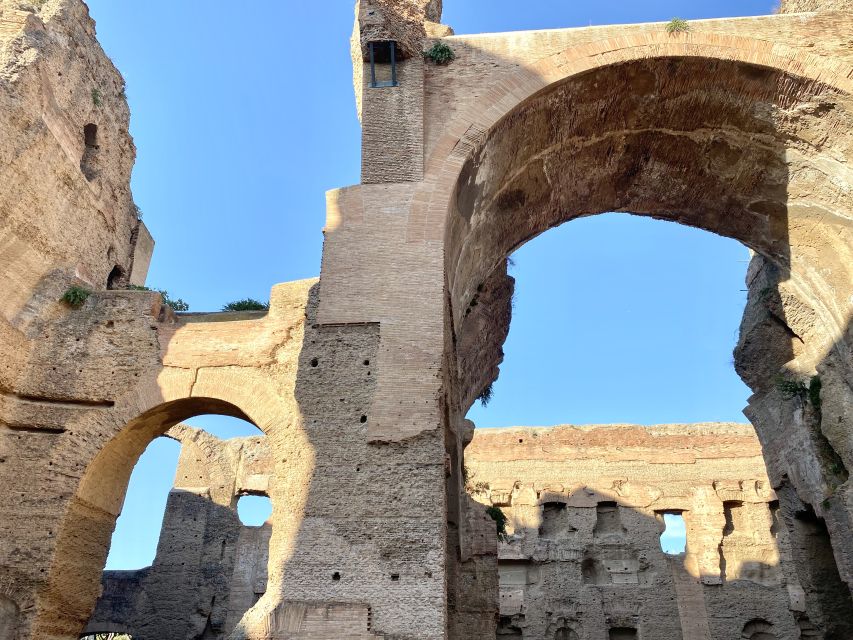
- Caracalla Baths-first route: most time where the ruins are strongest
- Sterilized headsets: clearer commentary in a noisy, open-air setting
- Underfloor heating explanation: how the Romans managed comfort room to room
- Mosaics you can actually see: geometric floor patterns still on display
- Circus Maximus as context: the Ludi culture explained where the chariot days happened
- Max group size of 10: better pacing and more direct answers
Caracalla Baths and Circus Maximus: A Roman Leisure Double-Header
Rome has no shortage of ruins, but this pairing makes a lot of sense because it targets leisure—exactly what people did when they weren’t working. Caracalla Baths show the luxury side of daily life: architecture meant for relaxing, socializing, and showing off engineering skill. Then Circus Maximus explains the other half of Roman recreation—public games that could last days, with crowds packed in for spectacle.
I like that the tour doesn’t treat these sites like separate “must-sees.” Instead, it connects the mood: warm baths and service-heavy daily rituals, followed by the noise and drama of the Ludi. If you’ve visited the Colosseum and you want something calmer but equally Roman, this often lands in a sweet spot.
You also get something practical: a guided visit that helps you read what you’re seeing. Caracalla isn’t just “old walls.” You’re shown how the complex is laid out and what services existed for body and mind. And at Circus Maximus, you learn what likely happened there even when what’s visible is less dramatic than you might expect.
You can also read our reviews of more private tours in Rome



Timing and Meeting Point: How to Keep This from Feeling Rushed
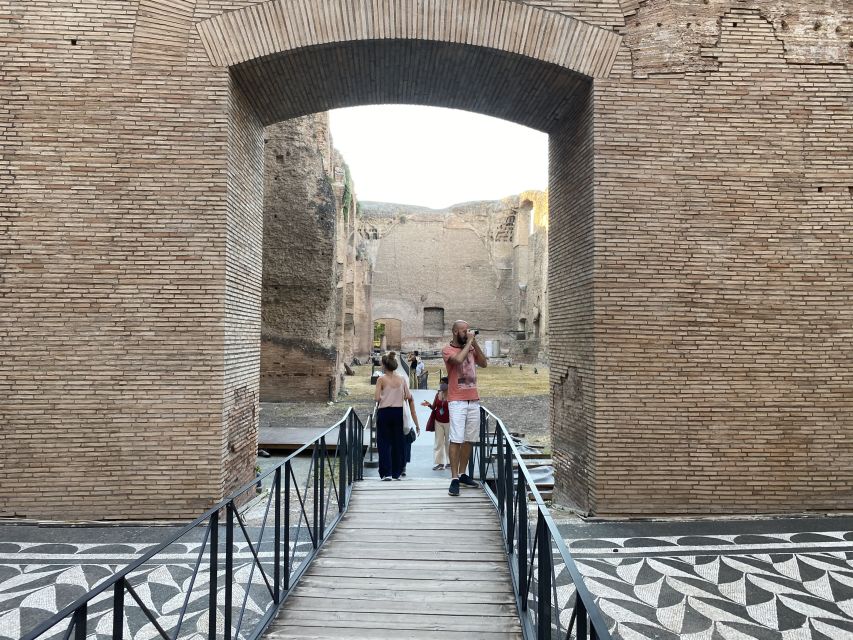
This runs about 1.5 hours, and the pacing is designed around two concentrated stops. You’ll have about an hour at Caracalla and then a shorter, 30-minute walk-through at Circus Maximus. That structure is ideal if you want guided context without turning into a full half-day itinerary.
You meet your guide at the exit of the Metro Station Circo Massimo (direction Laurentina), in front of the FAO building. Look for a partner with a yellow label. The tour notes that you should arrive 5 minutes early to finish sign-up so you don’t end up sprinting through the final steps.
Walking shoes matter here. You’re moving through archaeological areas, and the surfaces can be uneven. The good news is that the route is straightforward: you’re not climbing complicated stairs or zig-zagging across Rome in tight time slots.
Caracalla Baths: Where the Mosaics, Walls, and Heating Tricks Matter
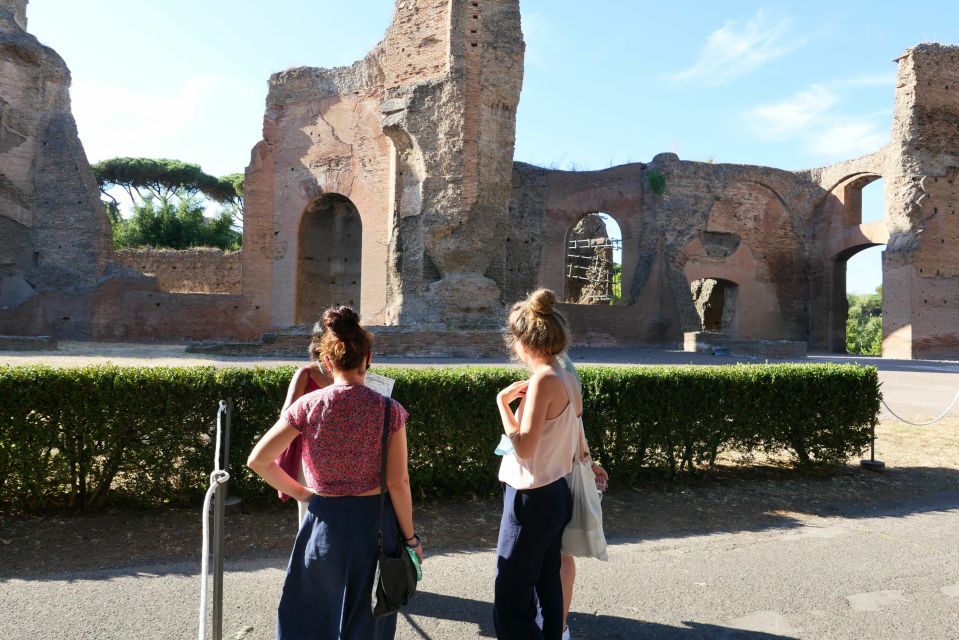
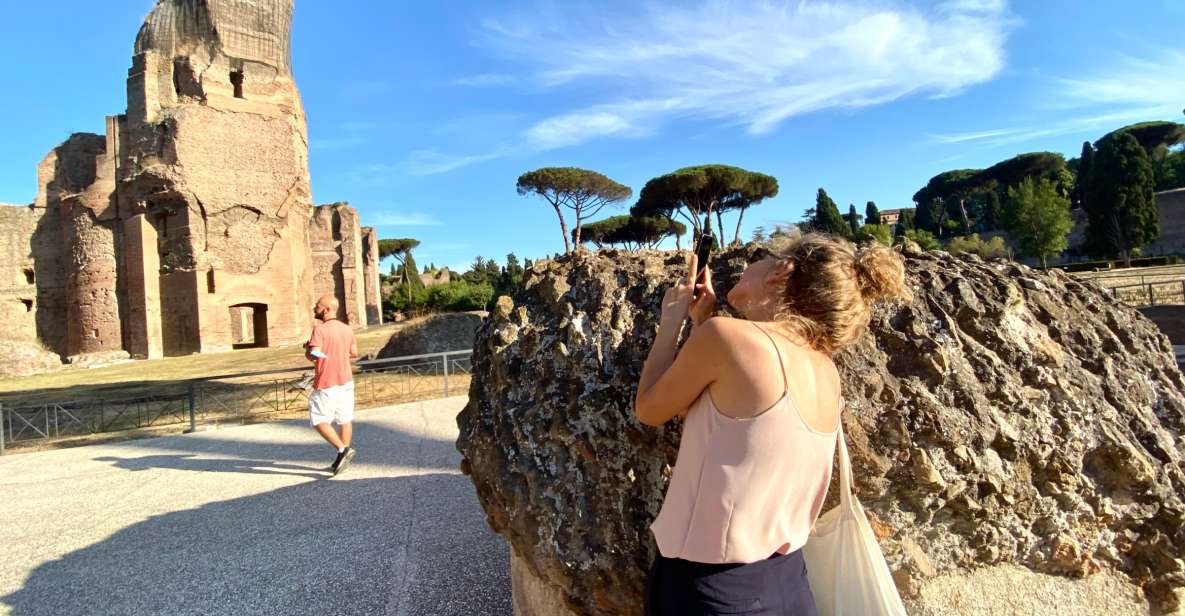
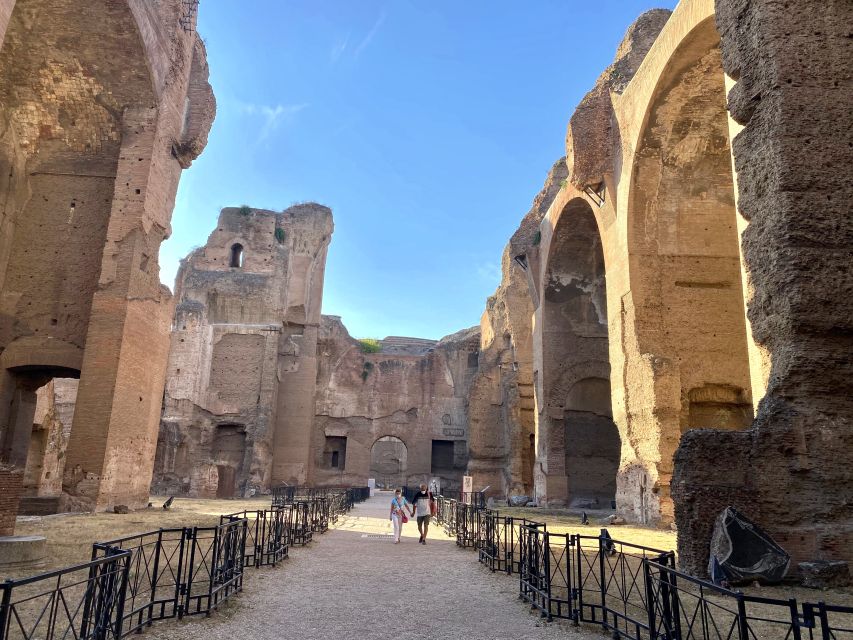
Caracalla Baths are the centerpiece, and it shows. This is where you’ll spend most of your time, wandering the monumental rooms of the thermal complex and getting a sense of scale from the surviving walls.
What I’d personally plan for at this stop:
- Big-picture architecture first, so the ruins don’t just feel random
- Rooms and services explained so the baths become a schedule, not just a pile of stone
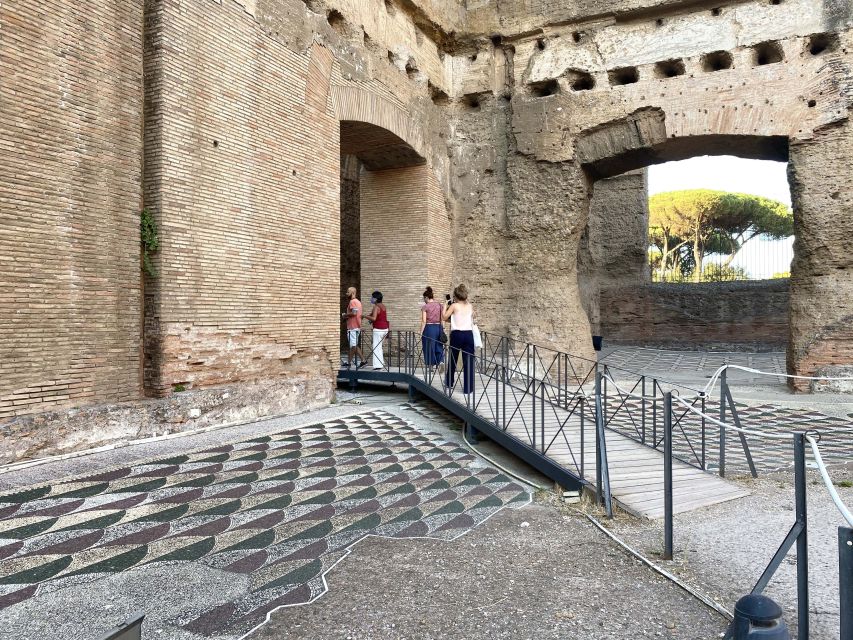
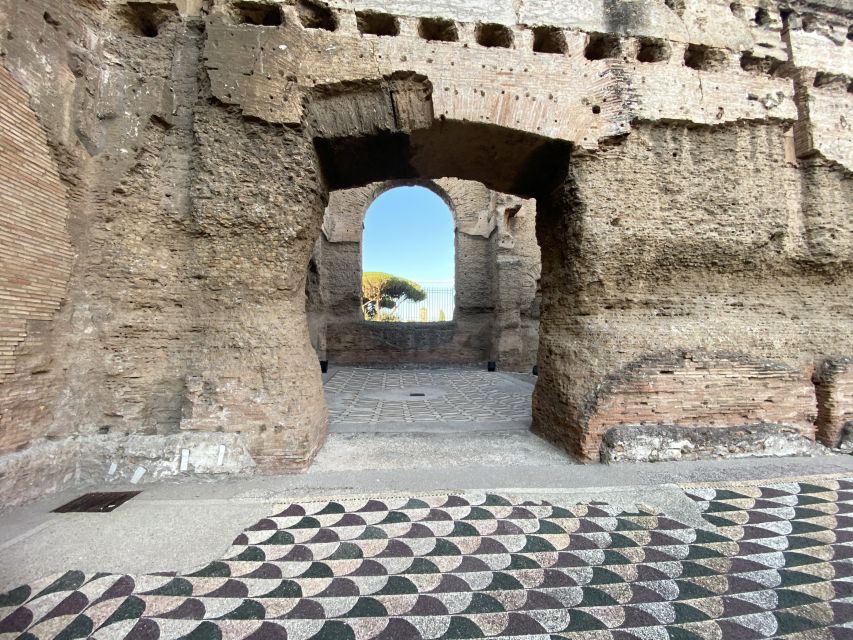
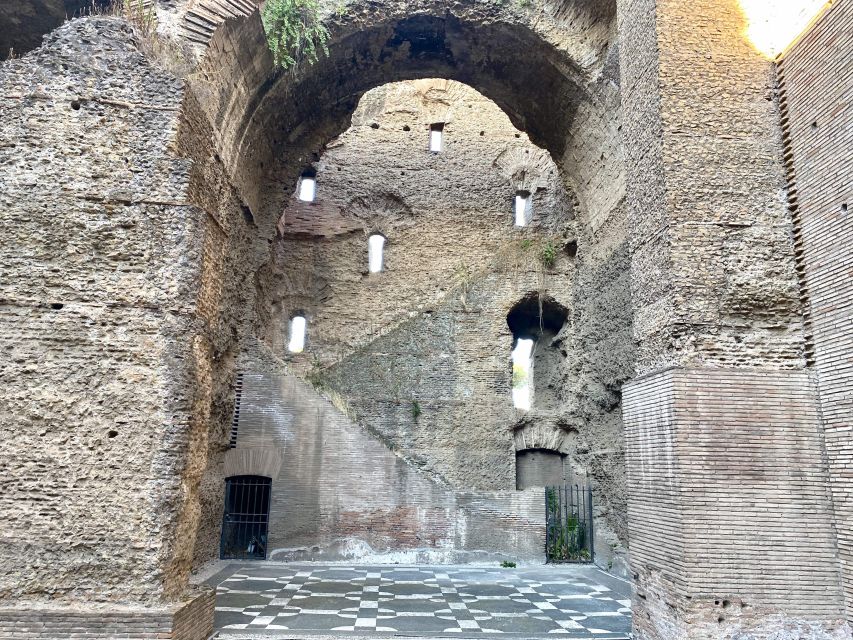
- Mosaic floors where you can spot geometric motifs without hunting
- Heating mechanics explained so you understand how the Romans controlled temperature in different rooms
One of the most interesting elements in the tour approach is the explanation of the underfloor heating system and how the Romans maintained the desired temperature in each room. You don’t have to be a technical person to appreciate why this matters. Baths were about comfort. The ability to manage heat room to room meant the experience was consistent, not just a lucky guess.
I also like the way the guide frames the baths as a daily routine in the 3rd century AD. That little shift helps a lot. Suddenly you’re not just looking at ruins—you’re picturing people moving through a typical day, using spaces for both body and mind.
Practical note: this is outdoors and indoors ruins mixed, so don’t assume everything will feel “museum quiet.” The sterilized headsets help you stay connected to the story even when wind or crowd noise makes it harder to hear.
Circus Maximus: The Ludi Where Chariots and Gladiators Lived On
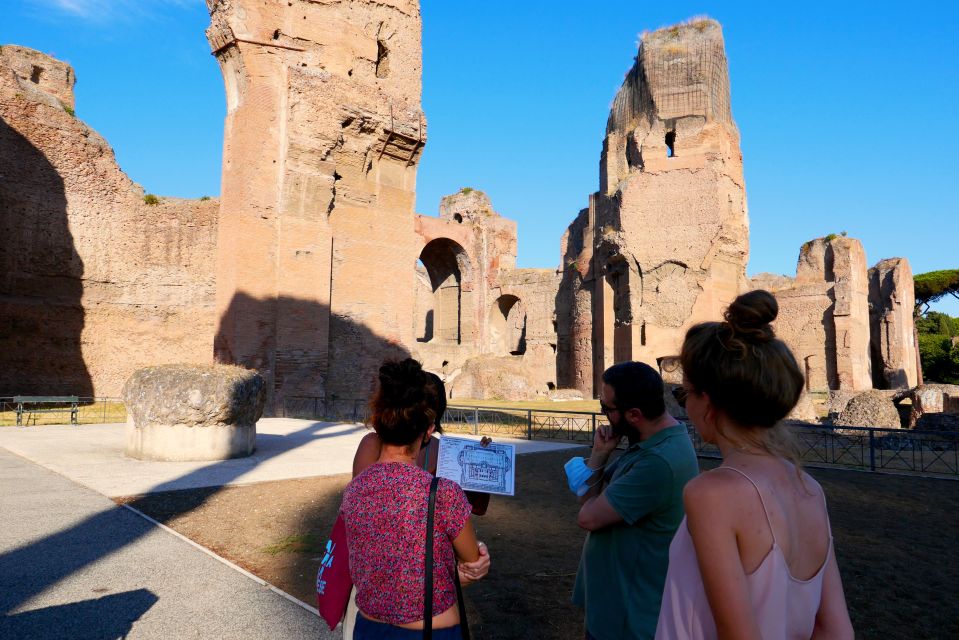
After Caracalla, you move to Circus Maximus—the former games site. Even if you know Rome, Circus Maximus has a unique kind of “missing piece” feeling today. There’s less standing structure than you might expect, so the value here is the explanation.
You’ll learn that this is considered the largest public-games structure ever built by mankind, and you’ll hear how the Ludi worked: multi-venue celebrations that could stretch for several days. The guide also paints the scene with details like chariot races, gladiator fights, and the clamor of the public.
Here’s the key expectation-setting: your time at Circus Maximus is short for a reason. You’re visiting the location as context—where the event culture happened—rather than treating it like a building that still offers lots of vertical views. One person’s “not much to see” is another person’s “I got the story.” If you’re the story type, this stop lands.
There’s also a mythology layer. The tour includes the foundations in earlier myths and gods, which adds a slightly different angle than just politics or emperors. It helps you understand why the circus wasn’t only entertainment—it was tied to Rome’s worldview.
Your Guide and Headsets: Why the Audio Matters Here
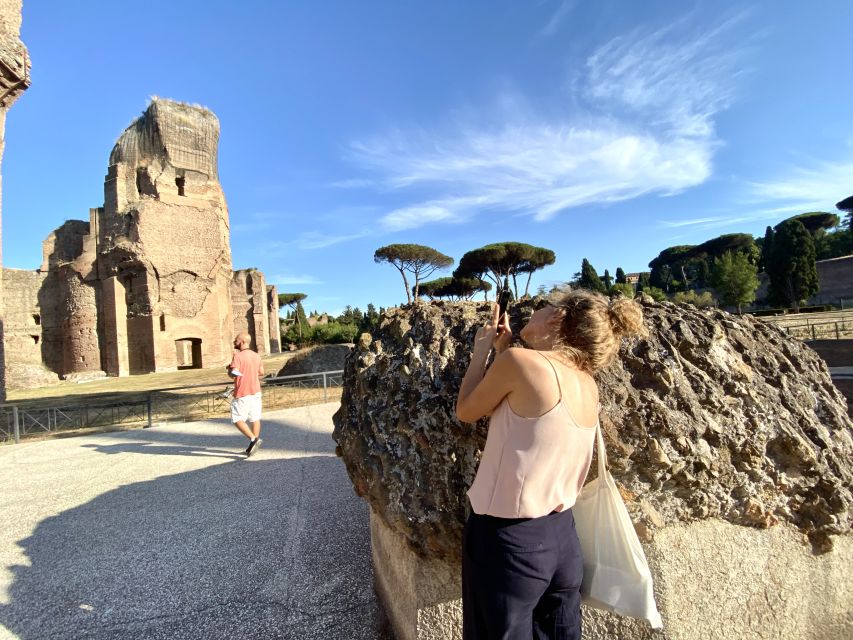
This tour is built around a live archeologist guide and full on-site assistance, and that changes what you notice. With an archaeologist leading, you’re more likely to understand what you’re looking at—why a mosaic survived in a certain way, why a room layout matters, and what the heating system implies about daily comfort.
The tour provides sterilized headsets to hear the guide clearly. I genuinely like this kind of setup in open-air ruins because you’re not always fighting for audio. You can walk normally, keep your eyes on details, and still catch the explanation.
Small group size is another quiet win. The cap is 10 participants, and private options are available. A smaller group typically means more chances to ask questions instead of hearing everything in one-direction mode. In the style of guides associated with this experience, you can also get warm storytelling and easy conversation between the main moments—useful when you want to connect Rome’s past to what you see around you today.






Price and Value at $77: What You Get for Your Money
The stated price is $77 per person, and the value depends on your priorities.
Here’s what you’re getting in the ticket price:
- Entrance fees to the Caracalla Baths
- Sterilized headsets
- Live archeologist guide
- Full on-site assistance
- Skip-the-ticket-line benefit
What’s not included:
- Hotel pick-up and drop-off
- Food and drinks
That mix matters. If you’re trying to avoid wasted time at entry points and you want guided context at Caracalla, the “skip the ticket line” plus the guided interpretation is a real time-saver. If you were planning to self-tour Caracalla alone, you’d still face the same core challenge: it’s hard to translate ruins into daily life without help.
At the same time, this tour is compact. You’re paying for interpretation and access, not for a long day. If you don’t care about the heating explanation, mosaic motifs, and the Ludi culture story, you might feel the money better spent elsewhere.
Where this is strongest is when you want a focused Roman leisure snapshot. Baths for comfort and engineering, then circus spectacle and social energy. That combo is hard to assemble well on your own in just 1.5 hours.
Who This Tour Fits Best (And Who Might Skip It)
I’d point you to this experience if:
- You love architecture and want to understand why rooms and systems were designed the way they were
- You want a calmer alternative to the busiest Colosseum crowds
- You like guided context that turns ruins into a daily routine
- You’re short on time but still want two iconic sites in one outing
I’d reconsider it if:
- You mainly want towering structures and big photo stops (Caracalla delivers more on this)
- You expect Circus Maximus to look like an intact stadium (it’s mostly about location and story here)
- You prefer to spend long hours reading quietly without a guide
It also works well for multilingual groups since the guide languages include French, Portuguese, Spanish, English, German, and Italian. And it’s wheelchair accessible, which is an important check if mobility is a concern.
Should You Book This Rome Tour?
Yes—if you want the best part of Rome’s leisure story in a tight 1.5-hour package. Caracalla Baths are the main event, and the guide-led explanation of mosaics and underfloor heating makes the ruins feel understandable, not just old. Circus Maximus is shorter and more “imagination-powered,” but the Ludi context turns the location into something you can picture.
Book it if you:
- want skip-the-line ease and sterilized headsets,
- like small groups (up to 10) for better conversation,
- and prefer a focused route over a marathon day of Roman sites.
If you’re chasing only dramatic standing remains, you may feel Circus Maximus is light. But if your goal is to understand how Romans relaxed and how crowds celebrated, this tour gives you that in one clean, guided loop.
FAQ
Where do I meet the guide?
Meet at the exit of the Metro Station Circo Massimo (direction Laurentina) in front of the FAO building. Look for a yellow label with the local partner’s name.
How long is the tour?
The duration is about 1.5 hours.
Is it private or shared?
It offers private or small-group options, with a maximum of 10 participants.
What languages are available?
The tour guide languages include French, Portuguese, Spanish, English, German, and Italian.
What’s included in the price?
Included are entrance fees to the Caracalla Baths, sterilized headsets, a live archeologist guide, and full on-site assistance.
What’s not included?
Hotel pick-up and drop-off, plus food and drinks, are not included.
Do I skip the ticket line?
Yes, the experience includes a skip-the-ticket-line benefit.
Is the tour wheelchair accessible?
Yes, wheelchair accessible is listed.
What should I bring and wear?
Wear comfortable shoes.
Are there any items or people not allowed?
Pets are not allowed. Weapons or sharp objects, baby strollers, luggage or large bags, and drones are not allowed inside the monuments.
Should You Book This Rome Tour?
I’d book it if you want guided interpretation at Caracalla Baths with a second site added for context, all within a short, well-paced outing. It’s best value when you care about details like mosaics and the heating system, and when small-group conversation matters to you. If you’re mainly chasing photo-perfect ruins everywhere, you may want to mentally budget that Circus Maximus is more about story than towering remains.