REVIEW · ROME
Rome: St. Peter’s Basilica & Audio Guide with Optional Dome
Book on GetYourGuide →Operated by Italy Wonders · Bookable on GetYourGuide
The Vatican feels massive until you have a guide. This experience lets you roam St. Peter’s Basilica at your own pace while a multilingual audio guide helps you make sense of what you’re seeing. With 3 hours on the clock, it’s a practical way to hit the big sights without being dragged along.
I especially like having the time to focus on the art that usually disappears in a blur. You’ll want to slow down for Michelangelo’s Pietà and the moment you look up toward Bernini’s Baldachin.
One possible drawback: you need your smartphone and your own headphones, and late entry isn’t allowed. If you show up unprepared, the whole thing can turn into a frustrating pause.
In This Review
- Key things that make this work
- Starting at Via Vespasiano: your “where do I go?” checklist
- St. Peter’s Square: setting your bearings before the crowds
- Inside St. Peter’s Basilica: how the audio guide makes the art readable
- Michelangelo’s Pietà and Bernini’s Baldachin: where to focus your time
- Papal Altar, tombs, and chapels: taking it all in without getting lost
- Optional dome access: the view costs effort, but it’s worth it
- Price and value: is $16 a smart deal here?
- Who this is best for (and when to choose something else)
- Things to watch before you go: the practical stuff that decides your day
- Should you book this St. Peter’s Basilica audio tour?
Key things that make this work
- Multilingual audio in English, French, German, and Spanish, so you’re not stuck guessing.
- Pre-reserved ticket entrance, which saves you time compared with figuring it out at the gate.
- Self-paced pacing across square, basilica, and optional dome, so you can match your energy level.
- Big-ticket artworks explained, including Michelangelo’s Pietà and Bernini’s Baldachin.
- Optional dome access when you want panoramic views over Vatican City and Rome.
Starting at Via Vespasiano: your “where do I go?” checklist
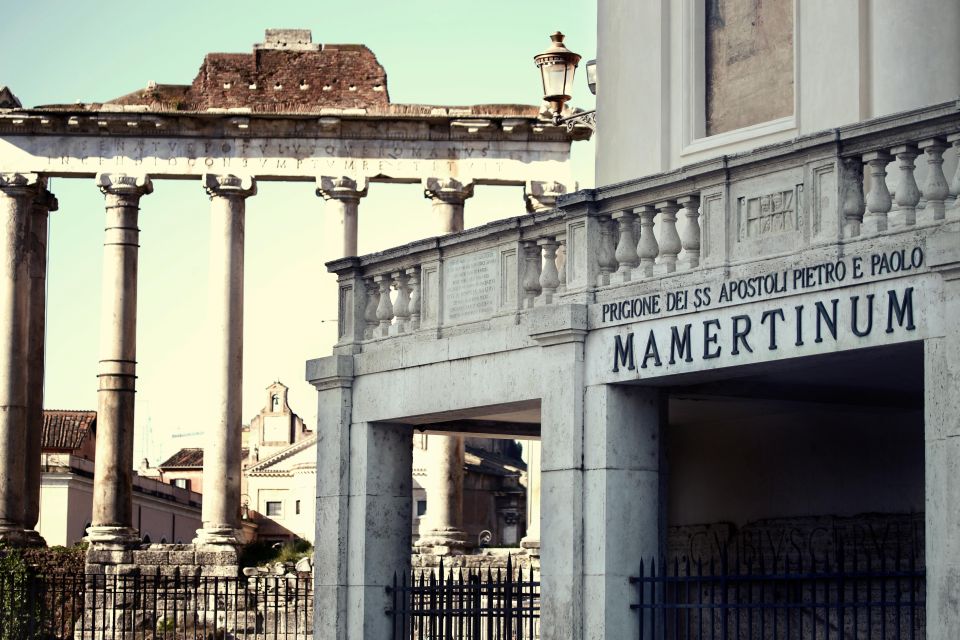
You start at Via Vespasiano, 24. From there, the key to a smooth start is how you get your information: the provider contacts you and sends the needed details so you can enter. You’ll want to keep an eye on your email and WhatsApp, and make sure you gave a working phone number with the right country code.
I like this model because it reduces back-and-forth on the day. Instead of hunting for a human guide, you’re set up to go straight in. That’s especially helpful at St. Peter’s, where lines and security slow everyone down.
Still, do yourself a favor: check that you actually have your entrance tickets and the link to download the audio before you arrive. If your phone is dead, or the email didn’t load, you’ll feel it fast once you reach security.
You can also read our reviews of more guided tours in Rome



St. Peter’s Square: setting your bearings before the crowds
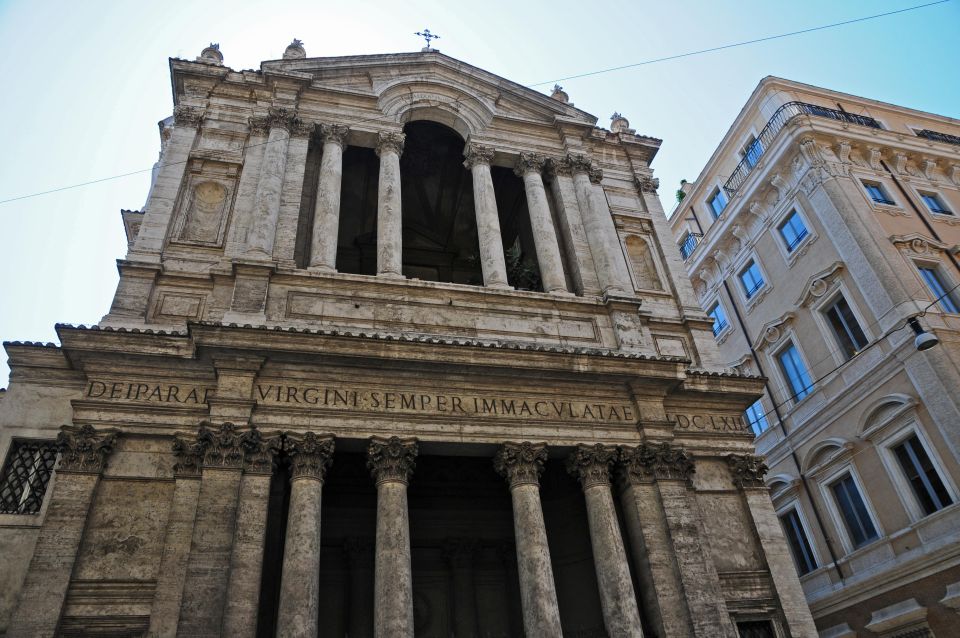
Your tour begins with Saint Peter’s Square for about 30 minutes. This stop is more than a photo moment. It’s your chance to get oriented—figure out where you are relative to the basilica façade and decide how you want to approach the inside.
Also, St. Peter’s Square can be busy, and the mood changes quickly depending on ceremonies. The tour info notes access may be limited or suspended during religious events, so keep your expectations flexible if you see barriers or notice restrictions.
Tip: if you want the best “first look,” spend a little time here before rushing inside. You’ll appreciate the scale more once you’ve taken it in from outside.
Inside St. Peter’s Basilica: how the audio guide makes the art readable
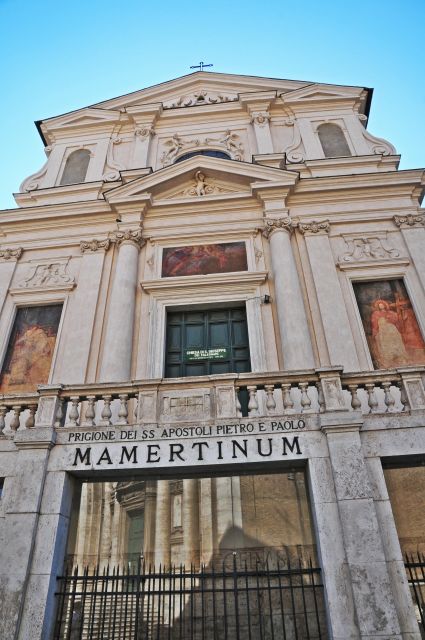
Next is St. Peter’s Basilica for about 1 hour. This is where the self-audio format shines. The basilica is huge, and without context you can end up walking through impressive rooms that feel like they all blend together. The audio guide gives you a way to pick what matters to you and stick with it long enough to understand it.
The audio includes insights into art, history, and architecture. That matters because St. Peter’s isn’t just one building—it’s a layered museum of religious symbolism, patronage, and craftsmanship. When you have narration tied to what you’re standing near, you can actually connect details you’d otherwise miss.
You’ll pass through areas where you can take in:
- the grand interior spaces
- the sacred Papal Altar
- tombs of revered popes
- decorated chapels with mosaics
Because you’re on your own schedule, you can do what you naturally want in a place like this: linger where the visuals hook you, then move on before you get tired. That’s a big value for people who don’t want a “stop-and-listen” format.
Michelangelo’s Pietà and Bernini’s Baldachin: where to focus your time
The two standouts you’re told about—Michelangelo’s Pietà and Bernini’s Baldachin—are exactly the kind of sights that benefit from audio support. Even if you’ve seen photos before, standing in the real space changes your sense of scale and intention.
For Pietà, the audio helps you see more than just the sculpture. It gives the background that makes the work feel intentional rather than decorative. This is one of those moments where it’s worth slowing down even if your legs are telling you otherwise.
For Baldachin, look up and adjust your position. Bernini’s work is meant to anchor you visually to the altar area. The narration can help you understand why that structure feels so commanding inside the basilica.
If you’re trying to choose where to spend your limited energy, start with these two. They’re the best “payoff per minute” targets in the building.
Papal Altar, tombs, and chapels: taking it all in without getting lost
After the big highlights, St. Peter’s opens up into areas where you can explore more quietly—especially if you pace yourself well. You’ll encounter the Papal Altar, tombs associated with revered popes, and chapels decorated with mosaics.
This part is where self-guiding can feel either perfect or chaotic, depending on your attention style. The difference-maker is whether you let the audio guide “direct your eyes” instead of treating it like background noise. Keep your headphones on and follow the cues when you’re near major features.
Also note: Vatican premises have a dress code—shoulders and knees must be covered. Even if you’re not planning for a long delay, you’ll want to be ready before you reach security. No cover-up? You might lose time sorting it out at the last minute.
Another practical note: security checks require a valid photo ID at the checkpoint. A passport or ID card works, and a copy is accepted. Latecomers aren’t allowed in, so don’t plan a “just barely on time” arrival.
You can also read our reviews of more tours and experiences in Rome

Optional dome access: the view costs effort, but it’s worth it
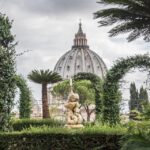
If you select the optional upgrade, you’ll get St. Peter’s Basilica Dome time (about 30 minutes). This is the part that changes the visit from art-focused to perspective-focused.
The dome access gives you panoramic views over Vatican City and Rome. The value here is simple: when you look down, you understand the basilica in space—how everything connects and how the Vatican sits within the city.
One consideration: dome access typically means extra climbing and tighter logistics than the basilica floor experience. If you’re dealing with mobility limits, it’s smart to decide based on your comfort level. This option is optional for a reason.
If you do go up, plan for your time to feel a little more “structured” than your basilica exploring. You’ll want to be mindful of the route and timing so you don’t end up cutting your basilica time short earlier.
Price and value: is $16 a smart deal here?
At $16 per person for a 3-hour experience, this is priced for people who want a self-guided plan with the key supports in place: a multilingual audio guide and pre-reserved ticket entrance.
Is it cheap compared with a live guide? Yes. But you should also understand what you’re paying for. This is not a live interpretation with a person answering questions in real time. You’re choosing independence, plus narration you can pause and replay mentally by simply stepping away.
For good value, it helps if you:
- like learning as you go
- want to control your pace
- don’t need a crowd-managed escort
If you prefer someone to keep you moving and explain details on the fly, you might find a live guide better. But if you want to stand still where the art demands attention, this setup can feel like a perfect compromise.
Who this is best for (and when to choose something else)
This self-audio option is a good fit if you’re traveling as a pair or solo and you want the freedom to spend time where interest is highest. It’s also a strong choice if you’re the kind of person who likes structure without the schedule pressure.
You’ll likely enjoy it most if:
- you want to see Pietà and Baldachin without rushing
- you appreciate audio explanations in English, French, German, or Spanish
- you want optional dome views without paying for a full guided program
It may not be ideal if you:
- need a live guide to translate complex symbolism or answer spontaneous questions
- dislike audio guides and prefer face-to-face storytelling
- arrive without headphones or a charged smartphone
Things to watch before you go: the practical stuff that decides your day

Here’s the blunt version: St. Peter’s is strict about practicalities, and your success mostly depends on preparation.
Bring:
- comfortable shoes (you’ll walk)
- headphones (earphones are not included)
- a charged smartphone (the audio depends on it)
- passport or ID card (copy accepted)
Don’t bring:
- weapons or sharp objects
- baby strollers
- luggage or large bags
Also keep these access realities in mind:
- religious ceremonies can limit or suspend access without much warning
- you’ll need to show a valid photo ID at security
- latecomers will not be allowed in, and refunds aren’t issued for lateness
One more thing I like you to consider: since you get your tickets and audio download details by email/WhatsApp, check your connection and phone storage before you head over. Don’t assume your device will magically cooperate on the spot.
Should you book this St. Peter’s Basilica audio tour?
Book it if you want a calm, self-paced visit with the essentials covered: pre-reserved entry and a clear multilingual audio guide that helps you understand what you’re seeing. The biggest win is how it lets you focus on the major artworks—especially Michelangelo’s Pietà and Bernini’s Baldachin—without forcing a group rhythm.
Skip (or upgrade to a live guide) if you’re someone who needs constant human guidance, or if your phone setup is unreliable. This experience rewards preparation. If you show up with charged devices, headphones, and a plan to pace yourself, it’s a smart use of your time in the Vatican.
If you want, tell me your travel dates and whether you plan to do the dome, and I’ll suggest a realistic timing plan (morning vs afternoon) so you can avoid the worst crush and still hit the highlights.