REVIEW · ROME
Rome: Cooking class with wine pairing at Come Na Vorta
Book on GetYourGuide →Operated by COME NA VORTA · Bookable on GetYourGuide
Pasta, wine, and family secrets in Trastevere. I love the hands-on pasta-making and the fact that you finish with a real meal you cooked. Two wine-pairing levels let you match the class to your budget, but you’ll want to pick the right option if you’re a big wine drinker.
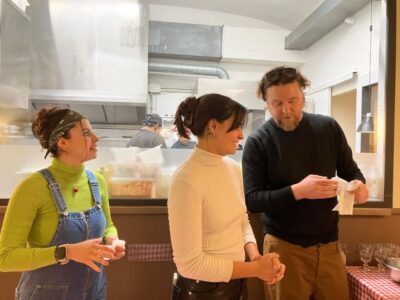
This one leans hard into a family business feel—grandmother-style techniques, plus a warm, practical tone from the hosts. In one class I read about, the organization was handled by Alina, with Alice leading the cooking steps and staying patient with kids, too. The main downside is timing: it’s a full 3 hours, so plan your day around it (no quick lunch stops).
In This Review
- Key things to know before you go
- Why Come ’Na Vorta feels more like Rome than a performance
- Where the class happens in Trastevere (and how to find it fast)
- What you’ll cook: fettuccine, gnocchi, and tiramisù
- Fresh fettuccine: technique you’ll actually remember
- Pillowy gnocchi: where most people need coaching
- Roman sauces: choose your combinations
- Tiramisù: variations, not just a single method
- The class flow: Prosecco, bruschette, then your own feast
- Wine pairing options: Bronze, Silver, Gold, and how to choose
- Bronze: one glass, locally produced
- Silver: two glasses with classic Italian names
- Gold: two glasses of more prestigious choices
- What’s included (and why it matters for value)
- Languages and who’s teaching: English, Italian, and sometimes more
- Family-friendly energy, without making it childish
- Price and logistics: the practical trade-offs
- Who should book this pasta and wine class
- Should you book Come ’Na Vorta?
- FAQ
- How long is the cooking class?
- Where do I meet for the class?
- What dishes will I learn to make?
- Are Prosecco and bruschette included?
- How does the wine pairing work?
- What do I eat at the end?
- Do I get recipes to take home?
- Is pickup or drop-off included?
- Can I cancel and still get a refund?
Key things to know before you go
- Hands-on cooking: you’ll make fresh pasta and gnocchi, not just watch.
- Roman flavors: you’ll choose sauces to cook with before sitting down to eat.
- Wine pairing options: Bronze, Silver, or Gold change how many glasses you get and which wines.
- Free Prosecco and bruschetta: the class snack rhythm is part of the fun.
- Tiramisù variations: they show how to make the dessert guests keep asking for.
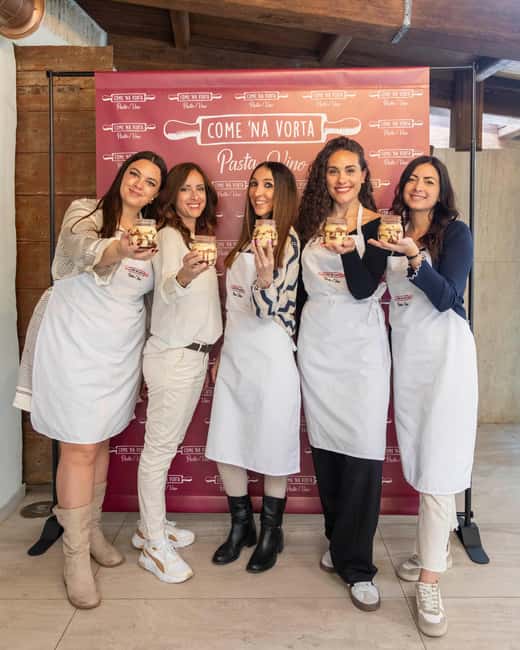
- Printed recipes to take home: you get a paper guide plus a participation certificate.
Why Come ’Na Vorta feels more like Rome than a performance
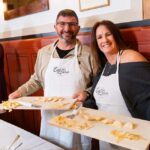
If you like your Rome experiences to feel lived-in, this class hits the mark. It’s run out of a family-owned spot in Trastevere, and the vibe stays focused on doing the food the old-school way. You’re not herded from station to station for photos—you’re learning how pasta dough behaves and how sauces should taste when they’re right.
Two things I really like. First, the teaching is built around grandmother-style techniques—mix, knead, shape, cook. Second, you’re not leaving with “tips,” you’re leaving with a meal: two pasta dishes plus tiramisù, paired with wine.
One consideration: it’s a set experience for about 3 hours, so it needs a real slot in your schedule. If your plan is to zigzag all afternoon, you may feel rushed after you arrive.
You can also read our reviews of more cooking classes in Rome

Where the class happens in Trastevere (and how to find it fast)
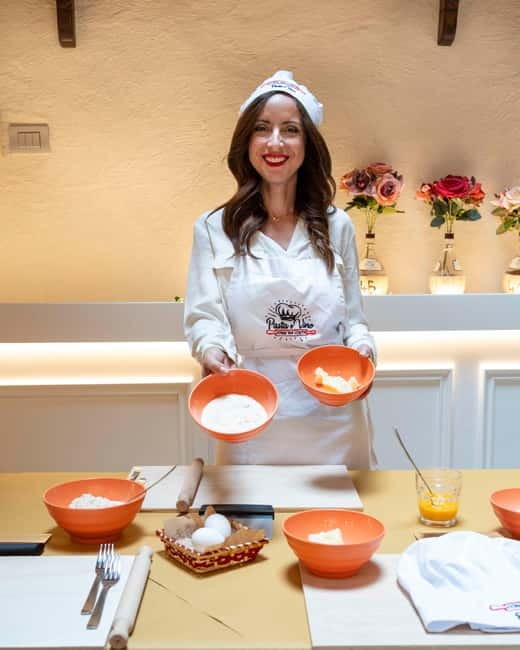
You start at the restaurant itself: Come ’Na Vorta – Pasta e Vino. Walk in, ask the staff about the cooking class, and they’ll bring you to the guide area. There’s no pickup or drop-off included, so you’ll want to build in a little buffer for getting there on foot.
Trastevere is the kind of neighborhood where you can easily lose track of time—in a good way. One class note mentions it’s close to Piazza Trilussa, which is helpful if you’re already wandering that side of town.
What you’ll cook: fettuccine, gnocchi, and tiramisù
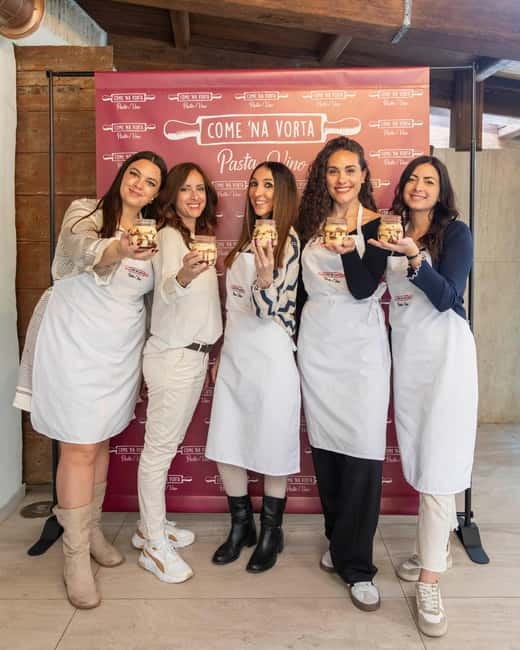
This isn’t a “one recipe” class. You’ll make fresh fettuccine and gnocchi, plus you’ll learn tiramisù from scratch.
Fresh fettuccine: technique you’ll actually remember
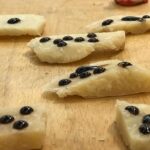
The class teaches you the basics of pasta making—working the dough, shaping it into a classic form, and understanding what quality ingredients should look and taste like. You also learn how to recognize good components, which matters because pasta is not just flour and water. It’s texture, thickness, and timing.
Pillowy gnocchi: where most people need coaching
Gnocchi gets attention because it’s where a tiny change affects everything. The host guides you through kneading and shaping so you get that softer, pillowy result rather than something dense. In practice, it’s the skill that makes you feel like you truly learned Italian home cooking.
You can also read our reviews of more wine tours in Rome

Roman sauces: choose your combinations
Once your pasta and gnocchi are ready, they cook them with traditional Roman sauces of your choice. You’ll be eating two pasta dishes at the table, which is a nice way to taste variety without needing to order separate plates.
Tiramisù: variations, not just a single method
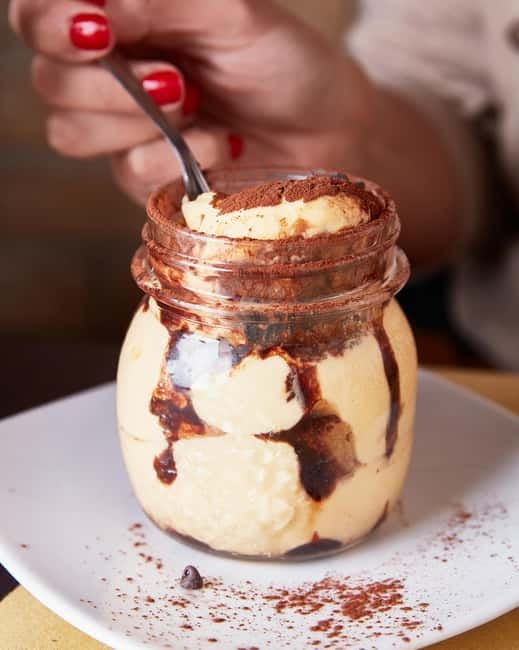
They don’t treat tiramisù like a throw-in. They show the variations that guests love, and you’ll end with one tiramisù per guest. If you’ve only ever made quick versions at home, this part is where you’ll probably pick up the most “ah, that’s why” moments.
The class flow: Prosecco, bruschette, then your own feast
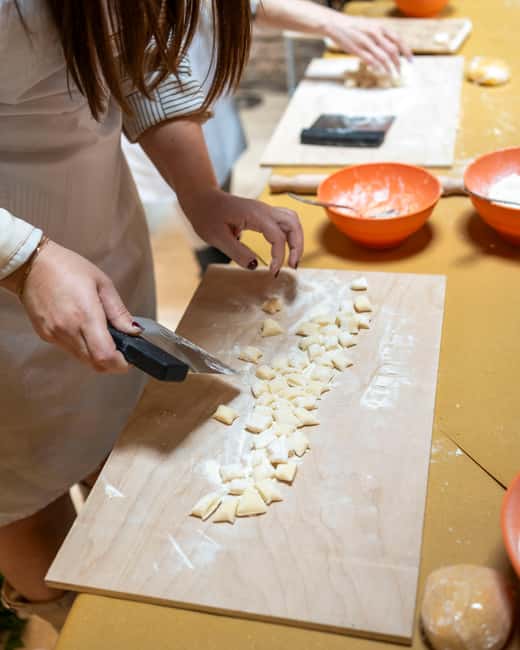
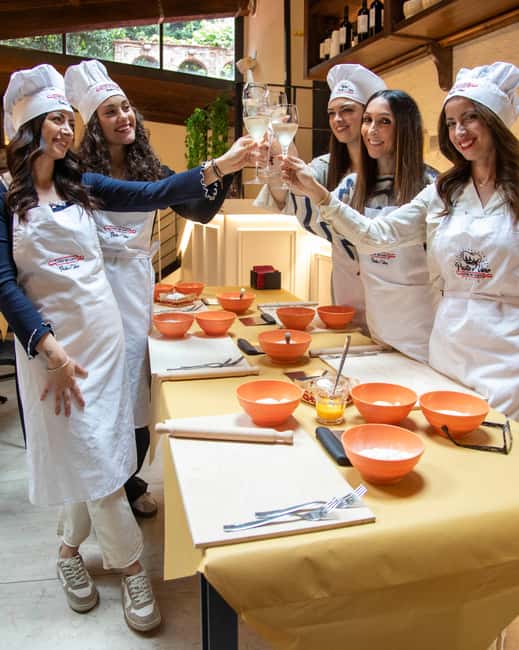
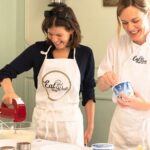
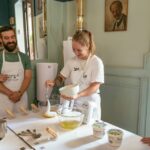
The timing is simple in concept. You start with a glass of Prosecco, then get hands-on with pasta. There are bruschette with extra virgin olive oil in between steps so you can keep energy up while you work.
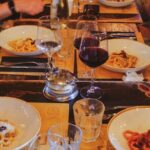
After you cook, you all sit down together to eat what you made. That’s one of the smarter parts of the format: you practice the technique, then you taste it immediately with the sauces and the dessert you helped prepare.
If you’re trying to plan your hunger level, assume it’s not just snack time. It’s a full meal, with two pasta dishes, dessert, and wine.
Wine pairing options: Bronze, Silver, Gold, and how to choose
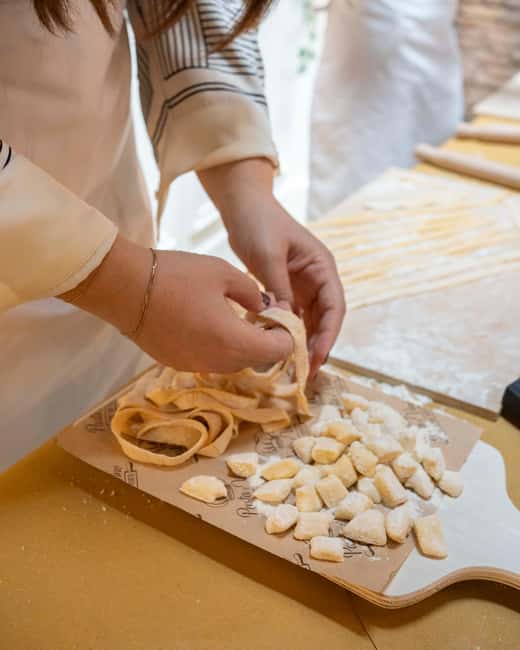
The wine part isn’t vague. Your booking option sets how many glasses you get and which styles you’ll be offered.
Bronze: one glass, locally produced
Bronze includes one glass of locally produced and popular wine. This is a good pick if you want the pairing experience but you’d rather not spend extra for more bottles.
Silver: two glasses with classic Italian names
Silver includes two glasses of traditional Italian wines, with examples like Chanti and Chardonnay. If you want a more complete pairing arc across the meal, Silver is usually the sweet spot for most people.
Gold: two glasses of more prestigious choices
Gold includes two glasses of prestigious Italian wines, including Brunello di Montalcino and Amarone della Valpolicella. This is for wine lovers who want to taste higher-end bottles as part of the experience, not just sip something with dinner.
One small practical note: the class also includes Prosecco and water, so even if you pick Bronze, you won’t feel like you’re drinking “nothing.” The package mainly changes the wine level and quantity.
What’s included (and why it matters for value)
At $68.10 per person, this class can feel like real value if you compare it to eating a sit-down meal plus paying for a workshop. You’re getting a complete cooking session plus food and drink.
Here’s what’s included:
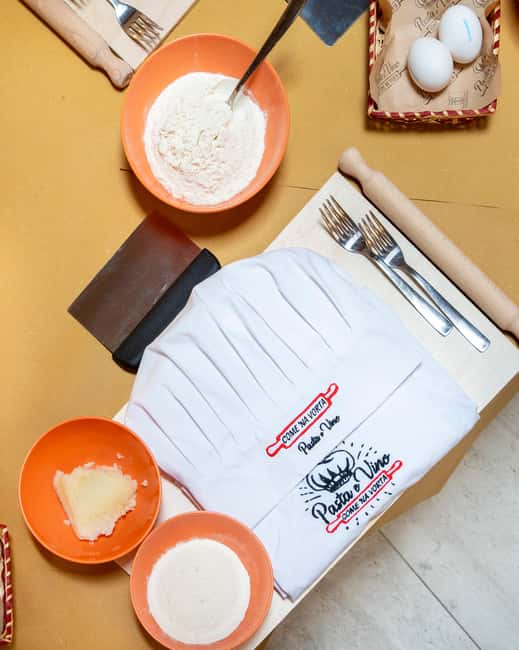
- Aprons and pasta maker hats
- Prosecco and bruschette with extra virgin olive oil
- Water
- Wine, with the number of glasses tied to Bronze, Silver, or Gold
- Two pasta dishes per guest with sauces you choose
- One tiramisù per guest
- Printed recipes to take home
- A certificate of participation
That last part—the printed recipes—can be more useful than people expect. In Italy, you’ll eat a ton of excellent food, but getting the steps in paper form helps you recreate the dishes later.
Languages and who’s teaching: English, Italian, and sometimes more
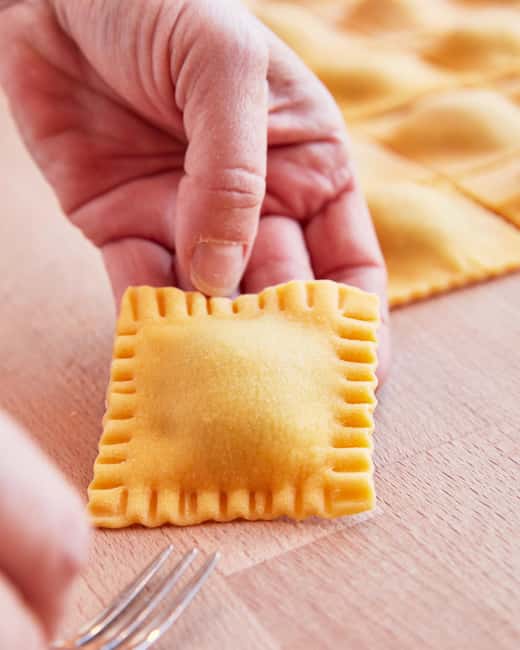
The instructor is listed as speaking English and Italian, and the class experience is structured for that. In one instance, I saw an experience run in Spanish organized by Alina, with Alice teaching the cooking steps. If you have a specific language need, it’s smart to check when booking.
The teaching style is practical: you’re not memorizing culinary theory. You’re learning what to do with your hands, then seeing how the food turns out.
Family-friendly energy, without making it childish
This class works for more than couples on a date. One note describes it as something that families did together—kids, adults, and older relatives all finding their rhythm in the cooking stations and the shared meal afterward.
You’ll likely enjoy that social rhythm too. Prosecco and bruschette help keep the energy up while you work, and the shared sit-down meal turns it from a “class” into a real evening.
Price and logistics: the practical trade-offs
Let’s talk reality. It’s not a budget activity if you compare it to buying pasta and making it later. But the class includes ingredients, tools, teaching, two pasta dishes, dessert, and wine, plus take-home recipes. That combination is why it can still feel fair.
Logistics are also straightforward:
- No pickup or drop-off.
- You meet inside the restaurant.
- The whole experience runs about 3 hours.
So this is best for travelers who enjoy structured time blocks. If you only want “something quick,” this probably won’t fit.
Who should book this pasta and wine class
I’d put this on your list if you want at least one day in Rome that’s not just sightseeing. It’s especially good for:
- Food lovers who want a skill you can repeat at home
- Couples looking for a fun, interactive date night
- Solo travelers who like eating what they made (and chatting during the meal)
- Families who want a shared activity and a satisfying finish
If you’re the type who gets annoyed by long group activities, choose carefully. This is hands-on, and it takes time. But most people leave feeling like they learned something real.
Should you book Come ’Na Vorta?
Yes—if you want a hands-on Roman cooking lesson with a meal at the end, this is a solid pick. The best argument is the combo: fettuccine and gnocchi making, sauce choices, tiramisù variations, plus Prosecco, bruschette, and a wine pairing tied to your package.
Skip it only if your schedule is too tight for a 3-hour block, or if you’re hoping to sample a light snack rather than sit down for a full feast.
FAQ
How long is the cooking class?
The experience lasts around 3 hours, with roughly 2 hours for preparation and time to enjoy your meal.
Where do I meet for the class?
The class takes place inside the restaurant Come ’Na Vorta – Pasta e Vino. Come inside and ask the staff about the cooking class, and they will accompany you to your guide.
What dishes will I learn to make?
You’ll make fresh fettuccine, pillowy gnocchi, and tiramisù from scratch.
Are Prosecco and bruschette included?
Yes. You’ll get Prosecco at the start, and bruschette with extra virgin olive oil during the class, plus water.
How does the wine pairing work?
You choose a booking option: Bronze includes one glass of locally produced wine, while Silver and Gold include two glasses of Italian wines. The Gold option lists higher-end examples like Brunello di Montalcino and Amarone della Valpolicella.
What do I eat at the end?
After cooking, you sit down together to enjoy the feast you created: two pasta dishes per guest (with sauces of your choice) and one tiramisù per guest.
Do I get recipes to take home?
Yes. You receive printed recipes to take home, plus an individual certificate of participation.
Is pickup or drop-off included?
No. Pickup and drop-off are not included.
Can I cancel and still get a refund?
You can cancel up to 24 hours in advance for a full refund. You can also reserve now and pay later.