REVIEW · ROME
Rome: Cooking Class – Pizza & Gelato with Free Flowing Wine
Book on GetYourGuide →Operated by EnjoyCooking.com · Bookable on GetYourGuide
Pizza and gelato lessons beat Rome’s museum days. In this Rome cooking class near the Colosseum, you’ll work the dough and learn the mechanics of making Neapolitan-style pizza, and you’ll churn up gelato with real technique behind the creamy texture. One thing to consider: it’s not suitable for people with gluten intolerance.
What I like about the setup is how practical it feels. You’re not just watching; you’re making, tasting, and learning from an English-speaking instructor plus Italian chef guidance, then leaving with recipes so you can reproduce it back home (and not just remember the smell).
In This Review
- Key highlights at a glance
- Finding the office by Colosseo Metro (Via della Polveriera 9)
- Pizza from dough to toss: Neapolitan technique you can use again
- Gelato masterclass: creamy texture comes from technique
- Roman supplì and free-flowing wine: the snack-and-savor rhythm of Rome
- Chef guidance and the group vibe: learning sticks when you cook together
- Price and value: what you’re really paying for
- Who should book (and who should skip)?
- Tips to enjoy the class without surprises
- Should you book this Rome pizza and gelato class?
Key highlights at a glance
- Pizza dough from scratch: kneading, then tossing like you mean it
- Artisanal gelato crafting: ingredient balance for a creamy, scoopable finish
- Roman supplì with molten mozzarella: the classic crispy risotto-ball snack
- Free-flowing Italian wine: paired with what you cook, for a trattoria-like feel
- English instruction with Italian chef expertise: clear guidance without language stress
Finding the office by Colosseo Metro (Via della Polveriera 9)
This class starts in a spot that’s easy to orient yourself in: the office is on Via della Polveriera, just a short walk from the Colosseum area. Your meeting point is Via della Polveriera, 9, 00184 Rome, and the office is at Via della Polveriera 8.
Here’s the part that saves you time: you’ll go to the terrace above the “Colosseo” Metro Station. There’s a pedestrian bridge to cross over, and outside the office you’ll see purple flags. Arrive about 15 minutes early so you can check in calmly. Late arrivals aren’t guaranteed to join once the class is underway, and with cooking, they can’t exactly pause the dough cycle.
Also note: there’s no hotel pickup. If you’re thinking of rolling in at the last second with taxis, don’t. Just give yourself a little buffer. Once you’re checked in, the whole experience is designed to run as a tight 3-hour block, ending back at the same meeting point.
You can also read our reviews of more cooking classes in Rome

Pizza from dough to toss: Neapolitan technique you can use again
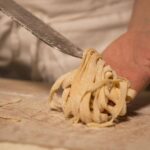
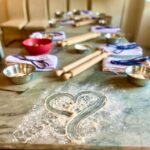
The pizza portion is the heart of the workshop, and it’s built around learning the process, not just adding toppings. You start with dough work, moving through kneading basics and then learning how to handle dough like it belongs in an actual Roman/Neapolitan kitchen. The practical value here is huge: once you understand dough behavior, you stop guessing at home.
You’ll also get direction on toppings and sauces. That matters because pizza in Italy isn’t about random add-ons. You’re learning how to choose combinations that balance texture and flavor, then build the pizza so it tastes cohesive when it comes out hot.
What makes this worth your time is that you’re not expected to be a pizza professional. The class language is English, and the chefs guide you through hands-on steps. Think of it like a skill you’re picking up in layers: dough handling first, then building.
And yes, you’ll have recipes included. That’s important for long-term value. Cooking classes can turn into “great memory” trips if you leave with nothing actionable. Here, you should be able to take your notes and make sense of them later.
Gelato masterclass: creamy texture comes from technique
After pizza dough and sauce/topping decisions, you shift gears into gelato. This is where the class stops being just pizza-flavored and turns into real dessert craftsmanship.
The gelato instruction focuses on balancing ingredients and technique to get the creamy texture people expect when they order gelato in Italy. Instead of treating gelato like a sugary ice, you learn it as a controlled process—one that affects how it freezes, how it scoops, and how flavors come through.
You can also expect a mix of classic flavors and some innovative combinations. That’s a good move for you as a traveler because it keeps things fun, but it also helps you compare what changes flavor when the base formula is the same and only the flavor direction shifts.
Another practical point: gelato gets you something most tours don’t. You leave with an understanding of texture, not just taste. If you’ve ever had homemade ice cream turn icy, you’ll appreciate learning how gelato is supposed to feel in the spoon.
And again, recipes are included, which makes the gelato section more than a one-time treat. It’s a skill you can bring back to your kitchen without needing the exact same ingredients or equipment to get closer to the real thing.
Roman supplì and free-flowing wine: the snack-and-savor rhythm of Rome
Between the pizza and gelato (and as you taste what you’ve made), you’ll also experience Roman supplì. This is a signature Roman snack: crispy risotto balls with molten mozzarella inside. The texture contrast is the whole point—crunch outside, gooey inside—so it works perfectly as a bridge between savory cooking and sweet dessert.
Why I like this inclusion for you: it makes the meal feel like a real Roman stop, not just a demo of two dishes. Pizza is universally known, but supplì is more local and more specific to Rome. It’s the kind of food you’ll remember because it’s distinctive, and because once you know the idea (crispy outside, melting center), you can spot why Roman-style supplì is different elsewhere.
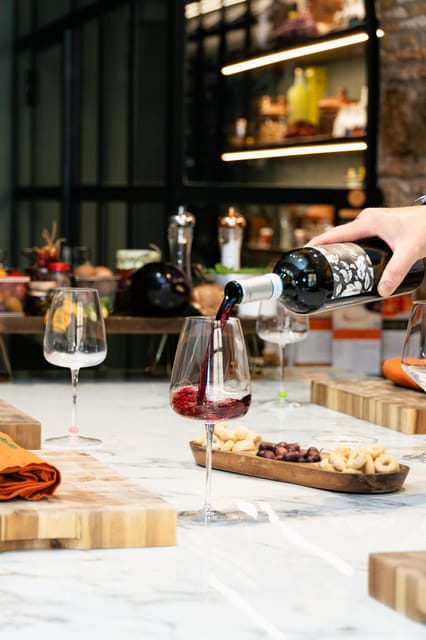
Then there’s the wine. The class includes free-flowing, well-selected Italian wine, which turns the whole session into something closer to a casual Italian dinner than a formal class. Do keep in mind the activity rules: outside alcohol isn’t part of the plan, and the notes also say alcohol isn’t allowed as an item. In practice, that means you should rely on what’s provided during the class, not bring your own.
If you don’t drink, it may still be enjoyable because the focus is on cooking and food. Still, given the “free-flowing” wording, plan to pace yourself if you prefer to stay sharp for tasting and tossing dough.
Chef guidance and the group vibe: learning sticks when you cook together
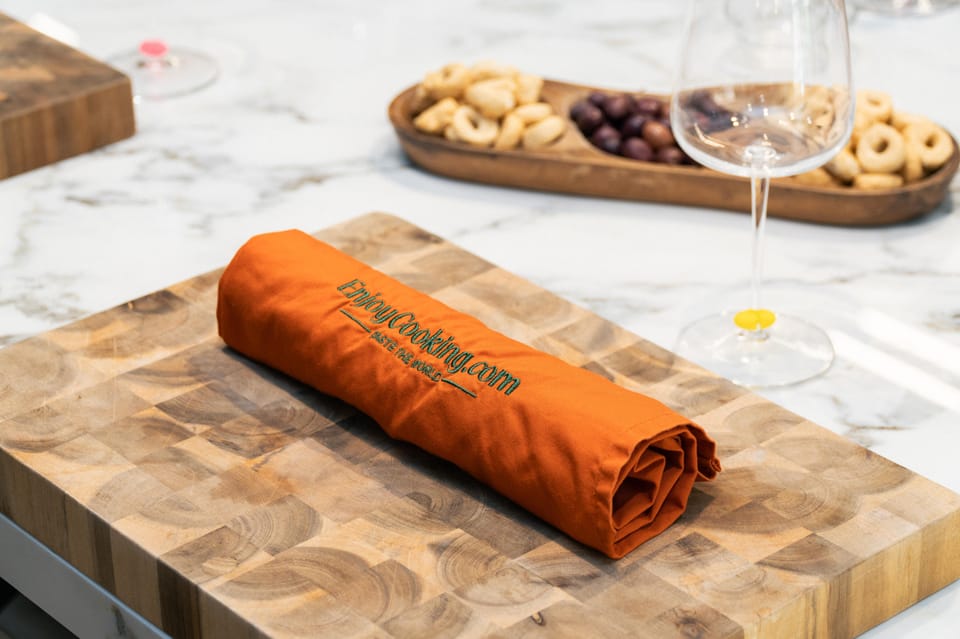
This is an instructor-led class with English instruction, plus Italian chef guidance. That combo is valuable. English instruction helps you follow steps without slowing down the kitchen flow, while chef input keeps the techniques grounded in how Italians actually approach pizza and gelato.
The best part of cooking classes like this is that they force you into interaction. You’re busy at the counter, comparing choices with the people beside you, and sharing the same few moments—topping decisions, dough handling, and then that first taste when everything is hot and fresh.
From the tone of what’s been praised, the social aspect matters. When the group energy is positive, it turns a 3-hour meal into a story you tell later: how your pizza turned out, how your gelato flavor landed, and whether your supplì delivered that molten center on the first bite.
Also, your class ends back at the meeting point. That makes planning your rest of the day easier. You’re not stuck figuring out transportation right after you’ve been cooking and eating.
You can also read our reviews of more wine tours in Rome



Price and value: what you’re really paying for
The price is $112.15 per person for a 3-hour experience. That number can look high at first if you compare it to a basic walking food tour. But the value is different here.
You’re paying for:
- hands-on pizza making from scratch (not just tasting)
- a gelato masterclass with technique and recipes
- Roman supplì as part of the eating experience
- well-selected Italian wine included
- recipes for pizza and gelato so you can repeat it later
The big value lever is instruction tied to a full meal. Many “food tasting” experiences charge similar money, but you only sample. Here, you produce the food and learn the method, which is why it feels more like a workshop than a tour.
One more value note: the price reflects that this is happening in a tight time window. It’s not an all-day cooking retreat. It’s a focused class that tries to teach you what matters—dough, gelato texture, and the Roman snack—so you can walk away confident enough to make something similar later.
Who should book (and who should skip)?
I’d book this if you want a structured, hands-on Rome pizza and gelato class and you’d rather cook than just look. It’s especially a good fit for:
- couples and friends who like shared activities
- food-focused travelers who want a skill, not just a bite
- anyone who enjoys both savory and sweet in one sitting
You should skip—or at least reconsider—if you have gluten intolerance. The activity notes say it’s not suitable for people with gluten intolerance, and the class includes pizza dough, which makes substitutions complicated.
Allergies and dietary restrictions should be shared right after booking. The notes say they’ll do their best to accommodate, but some restrictions aren’t always possible (like gluten-free requests). That’s the honest part: this is a working kitchen, and you can’t assume substitutions will match the original dish.
Other practical fit notes:
- The class is in English, so you won’t be fighting language barriers.
- You should be comfortable working with food prep steps and staying for the full 3 hours.
- Leave sharp objects at home. The rules mention no weapons or sharp objects, and no glass or sharp items for security reasons.
Tips to enjoy the class without surprises
First: arrive early. The meeting point is specific, and it can be easy to wander a few minutes too long around the Colosseum metro area. Give yourself that 15-minute cushion and use the purple-flag office as your target.
Second: think about what you wear. You’ll be working at a station and likely handling dough. Comfortable clothes and shoes help. You don’t need to dress for a chef role, but you do want to move easily.
Third: plan your appetite. You’re going to make pizza and gelato, plus taste Roman supplì, with wine included. Even with a normal lunch earlier, save room—this isn’t a snack stop.
Fourth: tell them about allergies or dietary needs right after booking. The class notes are clear that some requests may not be possible, and getting your needs in early gives the team the best chance.
Finally: go in with a learning mindset. The goal isn’t perfect restaurant results. The goal is to understand what makes the pizza dough behave, why gelato turns out creamy, and how supplì delivers its signature molten pull.
Should you book this Rome pizza and gelato class?
Yes, you should book it if you want a memorable hands-on Rome experience that blends local comfort food with real technique. The mix of pizza-making, gelato craftsmanship, and Roman supplì makes it feel like an actual Italian meal with skills attached—not just a checklist of dishes.
Skip it if gluten intolerance is part of your needs. And if you’re the type who hates structured food experiences, you might find it a bit too “do this step, then that step.” But if you like learning by doing, this is a strong match.
If your goal is to come home with both a story and recipes you can use, this class is one of those rare tours that pays off long after you leave Via della Polveriera.