REVIEW · ROME
Rome: Treasure Hunt for Kids and Families Trevi and Pantheon
Book on GetYourGuide →Operated by Pink Umbrella Tours · Bookable on GetYourGuide
Rome with kids can feel like controlled chaos. This tour turns the Pantheon and Trevi Fountain into a clue-filled family game that keeps everyone moving and looking closely.
I love how the route mixes big landmarks with small details, so children aren’t just watching grown-ups stare at stone. I also like that the guide sets up quizzes and trivia in a way that works for both kids and adults, even when energy dips.
One possible drawback: this is active walking through the center, not a sit-down museum pace. It’s not suitable for wheelchair users or people with mobility impairments, so plan around that if needed.
In This Review
- Key takeaways before you go
- A 2-Hour Family Game Plan in Rome’s Historic Center
- Meeting at Piazza Mignanelli: Where the Hunt Starts
- Spanish Steps Area: Start With Big Rome Energy, Then Go Detail-Spotting
- Trevi Fountain Clues: How Coins and Carvings Become a Lesson
- Piazza Navona: Keep the Momentum Without the Museum Fatigue
- The Pantheon: Rome’s Star Attraction, Explained for All Ages
- Guides Are the Difference: What Makes This Tour Feel Fun
- Price and Value: Is $105 Worth Two Hours?
- What You’ll Likely Feel During the Walk (And How to Prepare)
- Who Should Book This Tour
- Should You Book It? My Practical Take
- FAQ
- How long is the Rome Treasure Hunt for Kids and Families?
- Where do we meet the guide?
- Is the tour guide available in English?
- What is included in the tour?
- Is this tour suitable for wheelchair users or people with mobility impairments?
- Can I get a refund if my plans change?
Key takeaways before you go
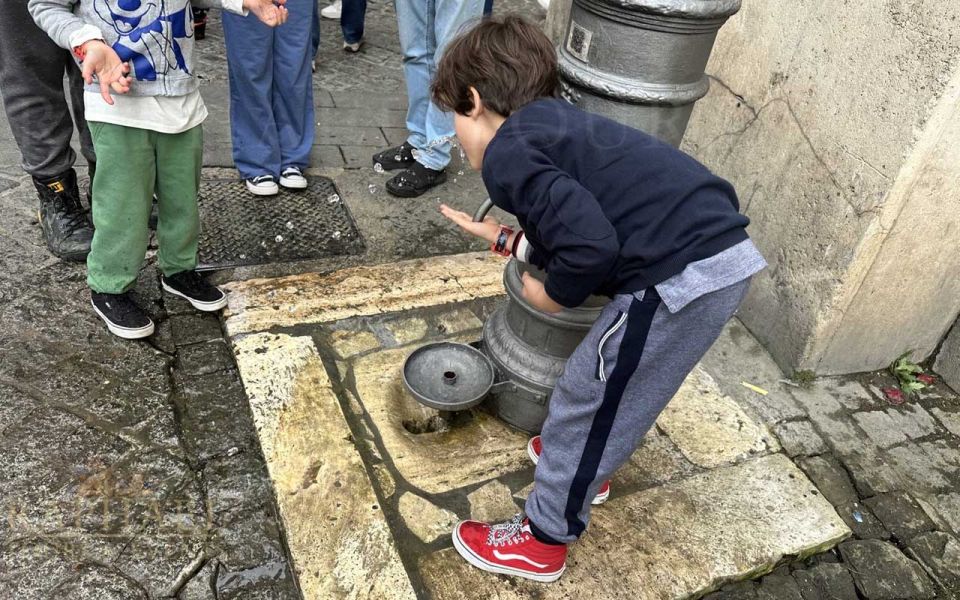
- A treasure hunt format helps kids pay attention at Rome’s most famous sights
- Pantheon and Trevi Fountain clues turn iconic stops into hands-on learning
- Licensed English guides keep the tone friendly and structured for families
- A prize for the winner gives the whole thing a fun finish line
- Two hours in the historic center makes it a strong first-day activity (without exhausting you)
A 2-Hour Family Game Plan in Rome’s Historic Center
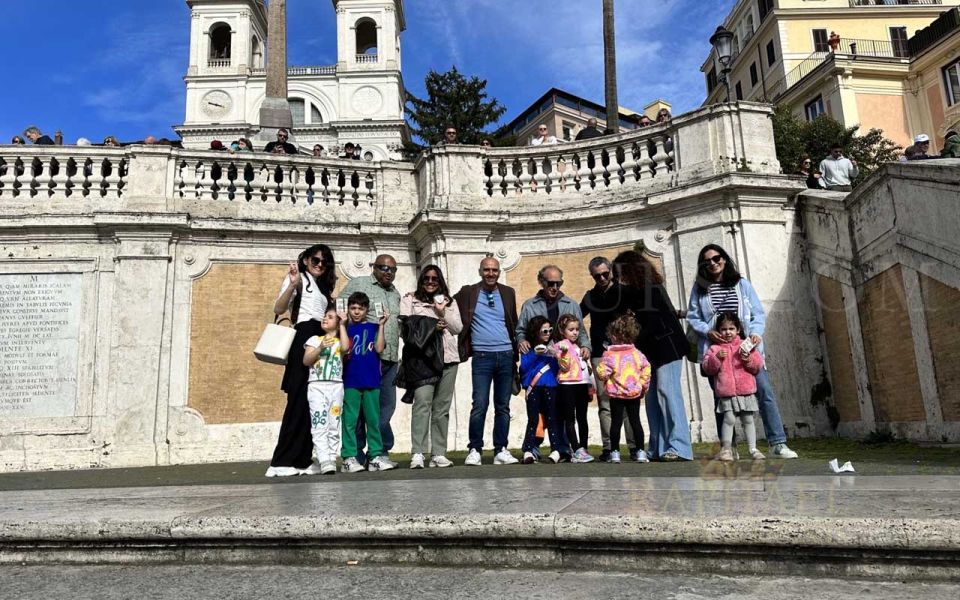
At 2 hours, this tour hits the sweet spot for families. Long Rome days can get messy fast with tired legs and louder questions, so I like that the time is short enough to stay lively. You’re also not stuck in a “lecture only” situation—your guide uses the treasure hunt structure to keep kids busy.
The tour covers the historic center, with stops and clues connected to major sights like the Pantheon, Trevi Fountain, Spanish Steps, and Piazza Navona. The core idea is simple: your family follows hints, answers questions, and learns the story behind what you’re seeing. That format makes the monuments easier to remember later, because you weren’t just looking—you were solving.
One more practical upside: a guided walk like this is a good way to get your bearings. Rome’s streets can feel like a maze, and this route gives you a mental map while you’re having fun.
You can also read our reviews of more tours and experiences in Rome.



Meeting at Piazza Mignanelli: Where the Hunt Starts
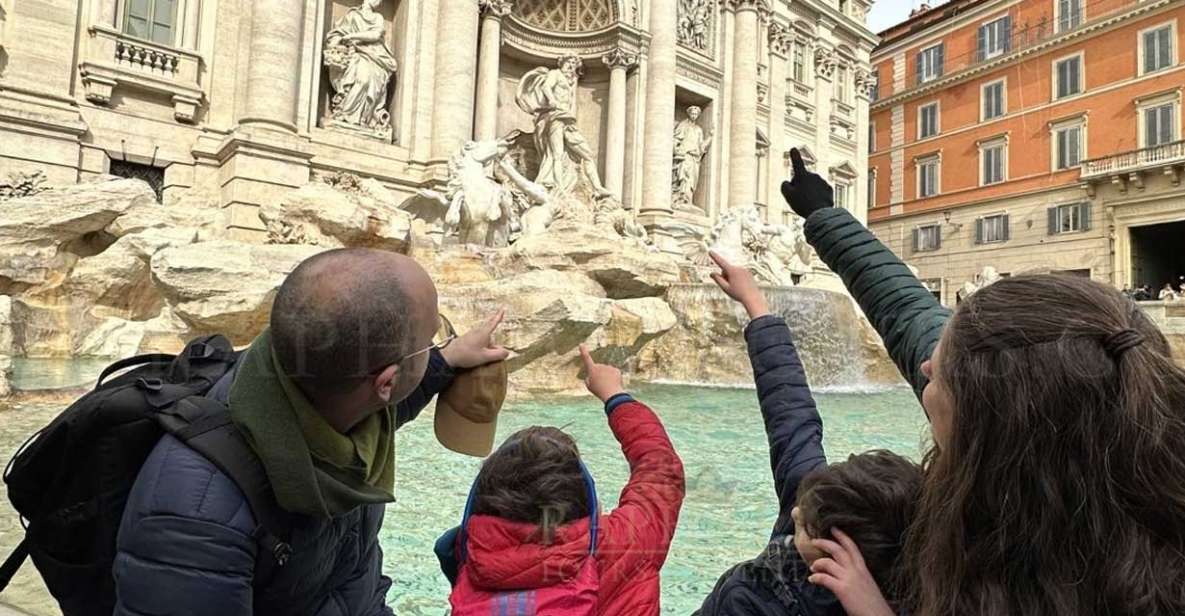
You meet your guide at the Column of the Immaculate Conception in Piazza Mignanelli. That’s a smart starting point because it’s already in the area of the Spanish Steps, so you can smoothly transition into the sightseeing.
Once you’re standing together, the guide sets the tone fast—kids are pointed toward what to look for, and adults get context without feeling like they’ve been dropped into a school project. A big part of why this works is the way the guide pulls families into the same moment: everyone is searching for something specific, not just filtering through crowds independently.
And yes, there’s a prize for the winner. It’s not the kind of competition that ruins the mood—it’s more like extra motivation to pay attention.
Spanish Steps Area: Start With Big Rome Energy, Then Go Detail-Spotting
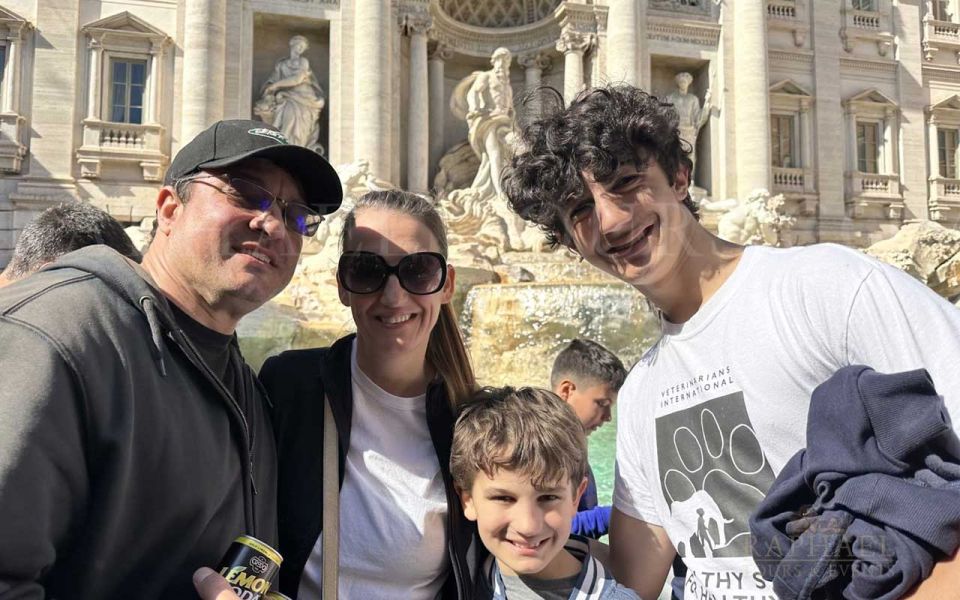
Spanish Steps are included, and they’re a perfect starter landmark: they’re instantly recognizable, and the setting helps kids understand they’re in a real, famous part of town. Even if you’ve seen photos before, being there in person changes the scale quickly.
What I like in this kind of guided format is the shift from monuments-as-postcards to monuments-as-objects. Your guide will point out details that most people skip—things you can only notice when you’re actually hunting for clues. That “look here” instruction is gold with younger travelers, because it gives them a job.
Also, it helps adults, too. When you’re actively scanning the street scene, you don’t just feel like you’re passing by. You start noticing carvings, shapes, and architectural tricks that make Rome what it is.
Trevi Fountain Clues: How Coins and Carvings Become a Lesson
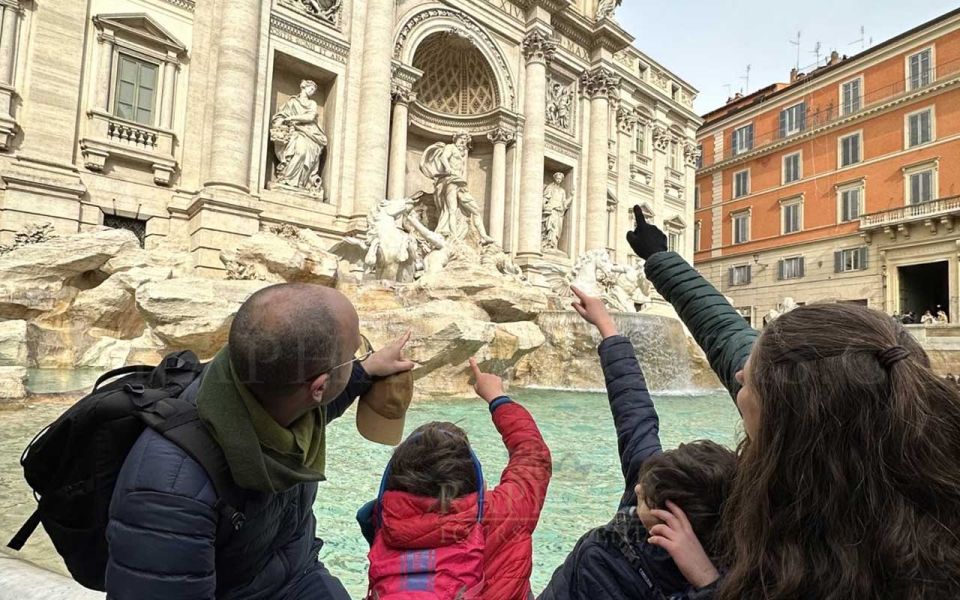
Trevi Fountain is where the hunt really feels real, because it’s not just history—it’s a whole sensory moment. You’ll come in with the sense of expectation everyone has about Trevi, and then the guide turns it into a game.
You’re looking for hints and clues connected to the fountain. That matters, because Trevi can be crowded and chaotic. A clue-driven approach gives your family something specific to focus on, instead of getting overwhelmed by the number of people and the noise level.
A nice touch from the experience is how guides can weave in small observations. One family mentioned a guide using details on nearby columns, including a carving of honey bees, to spark kid-friendly attention. That kind of “spot the thing” moment is the difference between seeing Trevi and remembering Trevi.
Photos work here, too. The format is built around time for picture-taking rather than rushing from one spot to the next without stops.
Piazza Navona: Keep the Momentum Without the Museum Fatigue
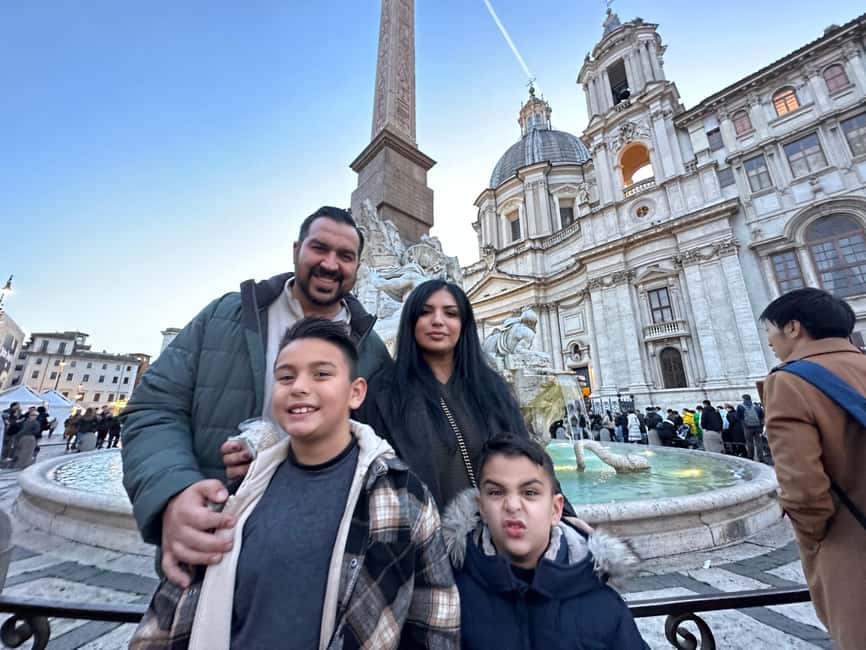
Piazza Navona often feels like a relief after you’ve been standing in lines or weaving through crowds. It’s open, lively, and visually rich, so it’s a natural place to keep the energy up while the hunt continues.
In this tour, Piazza Navona shows up as one of the highlights you’ll walk through on the downtown route. The value of including it in a family scavenger format is that the kids don’t just learn where the big monuments are—they also learn how Rome spaces its public areas for gathering and theater-like street life.
Drawback to consider: because you’re moving between famous stops, you’ll still be dealing with foot traffic. The walk is manageable, but if your kids struggle with dense crowds, it helps to bring a bit of patience (and maybe a snack plan for later).



The Pantheon: Rome’s Star Attraction, Explained for All Ages
The Pantheon is a major focus of the experience, and it’s the kind of site that can either impress kids or bore them—depending on how it’s presented. Here, the guide uses clues and commentaries to make the building feel like a story your family is solving.
The biggest win is that kids are invited to pay attention to the right things. Instead of just staring at the dome, you’re guided through ideas that make the architecture click. That turns the Pantheon into more than a photo stop.
There’s also real-world time value here. In one case, the guide had skip-the-line Pantheon tickets arranged, which is a major help on a busy Roman day. You shouldn’t assume every group gets the exact same setup, but it’s a good sign that guides are thinking about saving time and reducing stress around the biggest entry points.
This is also one of the stops where adults tend to relax and enjoy themselves. When the guide mixes the right amount of history with kid-led participation, the adults get the meaning without the slog.
Guides Are the Difference: What Makes This Tour Feel Fun
The guide is the engine of the whole experience, and the names you might get include Bruno, Tomas, Maria, Alessandra, Francesco, and Gabriël. I love that the guides show the same core approach—keep the family involved—but with different personalities and styles.
For example, Tomas was described as asking kids to look for details and sharing information in a fun way that didn’t talk down to anyone. Another guide, Maria, was noted as engaging and fun for kids. Alessandra held the group’s attention for more than 2 hours, with a pace that worked for both children and adults. Francesco kept everyone engaged with the treasure hunt format, and Gabriël led in a way that still works even if you don’t have kids in the group.
One practical takeaway for you: if your family has a particular vibe—quiet kids, curious kids, fidgety kids—this kind of guide-led interaction often handles it better than a standard “look and listen” tour.
Price and Value: Is $105 Worth Two Hours?
At $105 per person for a 2-hour walk, the price is positioned as a premium family experience. That’s not cheap, but you are paying for a licensed guide and active programming (quizzes/trivia plus a prize). You’re also paying for the guide’s ability to manage attention in a group, which is harder than it sounds.
Here’s how I think about value:
- You get two hours that are structured, not improvised. With kids, that structure is often worth more than you expect.
- You hit multiple major landmarks—Pantheon, Trevi, Spanish Steps, and Piazza Navona—without needing to plan the route like a logistics project.
- The hunt format creates learning that sticks. Even if kids forget facts later, they usually remember moments: the clue, the detail, the challenge.
- You may benefit from time-saving planning around the Pantheon, depending on the guide’s approach.
If your family wants a relaxed, “just tell me the story” tour, this may feel like a lot of game energy. If your family wants to stay active and interested while seeing Rome’s icons, the cost starts making more sense.
What You’ll Likely Feel During the Walk (And How to Prepare)
This is a walking tour in the center of Rome, and the game depends on noticing what’s around you. That means you’ll want shoes you trust, and you’ll want to manage expectations around crowds. The good news is the format keeps families moving with purpose.
A simple prep checklist:
- Wear comfortable shoes for standing and walking on uneven city surfaces.
- Bring water and something small for later, especially for kids who snack to reset.
- If your kids have short attention spans, the treasure hunt style generally helps—but it still helps to arrive ready to play.
Also, remember the tour is in English, and it’s designed for families. If your group includes adults who want deeper explanations, the guide can usually provide them while still keeping kids involved.
Who Should Book This Tour
This is a strong fit for families with kids who:
- get bored with long, silent sightseeing
- like games, scavenger-style clues, and trivia
- want an easier first-day orientation through the historic center
It can also work for adults who don’t have kids, because a detail-focused walk with good stories can be fun even without the family element—especially if you like exploring architecture by looking closely.
Where it’s less ideal:
- If anyone in your group uses a wheelchair or needs mobility support, because it’s not suitable for wheelchair users or people with mobility impairments.
- If your group hates crowds and prefers minimal walking, because this is an active downtown route.
Should You Book It? My Practical Take
If you’re traveling with kids and you want Rome to feel like a shared adventure—not a nonstop adult museum day—this tour is a smart choice. The guide-led treasure hunt structure is exactly what helps children participate at places like the Pantheon and Trevi Fountain, and it also gives adults a better experience than wandering aimlessly.
I’d book it when you want:
- a short, focused Rome outing (2 hours)
- famous landmarks plus real attention to detail
- a guide who can work the room, not just recite facts
I’d skip it if your group needs wheelchair access or if you’re planning a day built around very slow pacing. Otherwise, this is one of those Rome activities that turns you from passive sightseeing into active noticing.
FAQ
How long is the Rome Treasure Hunt for Kids and Families?
The tour lasts 2 hours.
Where do we meet the guide?
Meet your guide at the Column of the Immaculate Conception in Piazza Mignanelli.
Is the tour guide available in English?
Yes. The live tour guide speaks English.
What is included in the tour?
Included items are a licensed guide and a prize for the winner.
Is this tour suitable for wheelchair users or people with mobility impairments?
No. It is not suitable for people with mobility impairments or wheelchair users.
Can I get a refund if my plans change?
You can cancel up to 24 hours in advance for a full refund.