REVIEW · ROME
Rome: City Highlights Walking Tour
Book on GetYourGuide →Operated by Crown Tours · Bookable on GetYourGuide
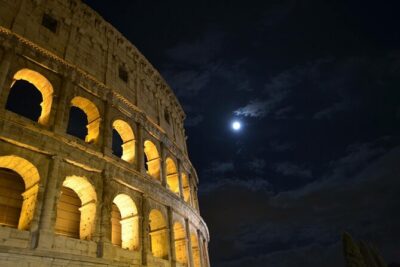
Rome glows after dark—then you walk it. This 2-hour highlights stroll has two big wins for me: the moonlit landmarks and the kind of stop-by-stop storytelling that brings Rome’s buildings to life (guides like Sandra and Serena are a great example). One watch-out: it’s a tight route, so you’ll want to plan on keeping up and arriving on time at the Colosseum-area meeting point.
You’ll start on a terrace above the Colosseum Metro Station, cross a pedestrian bridge, then move through the center like a local—shopping street to fountains to piazzas. I especially like how the walk threads Via del Corso into the same evening as Piazza Navona and the nightlife hub at Campo de’ Fiori.
It’s a live guide tour in French, Spanish, or German, and you’ll cover a lot without needing tickets for major sights during the walk. If you prefer long, slow hangs in one place, note that the timing is built for seeing multiple icons rather than lingering for an hour per stop.
In This Review
- Key highlights worth circling
- Why this Rome night highlights walk works so well
- Meeting at the Colosseum Metro terrace without stress
- Pantheon at night: Piazza della Rotonda’s best lesson in stone and math
- Via del Corso: iconic shopping street, tour-friendly pacing
- Trevi Fountain: the world-famous stop done efficiently
- Piazza Navona and Bernini’s Four Rivers Fountain at street level
- Finishing in Campo de’ Fiori: where the evening actually happens
- What you get for $56.94 (and what you don’t)
- The guides matter: how to spot a good one on this route
- A real consideration: 2 hours is a lot of stops
- Who should book this walking tour?
- Should you book it? My no-nonsense take
- FAQ
- How long is the Rome City Highlights Walking Tour?
- Where does the tour start and how do I find it?
- Where does the tour end?
- What language is the tour guide available in?
- Is hotel pickup or drop-off included?
- Is the price per person and what’s included?
- Can I cancel or pay later?
Key highlights worth circling
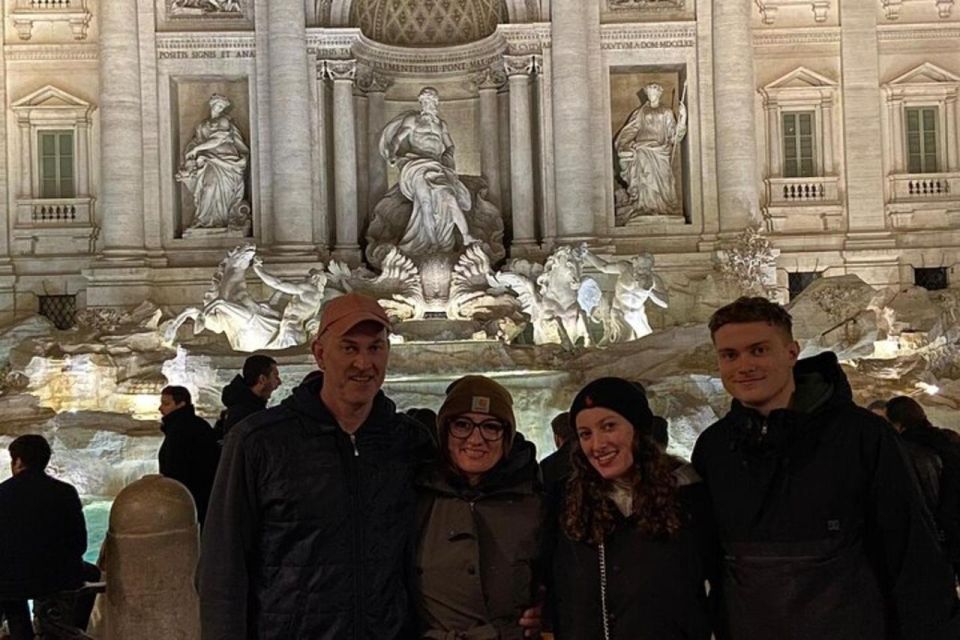
- Moonlight views of Rome’s icons: the big landmarks look different when the city shifts into evening mode
- Pantheon night focus: you get context for why the dome and ancient structure still matter
- Trevi Fountain moments: the world-famous fountain is a must-see, and this route keeps it efficient
- Piazza Navona with Bernini’s Four Rivers Fountain: art history is right there at street level
- Via del Corso window-shopping pass: flagship-name storefronts without turning the tour into a shopping trip
- Campo de’ Fiori drop-off: you end in the area where people actually eat, drink, and mingle
Why this Rome night highlights walk works so well
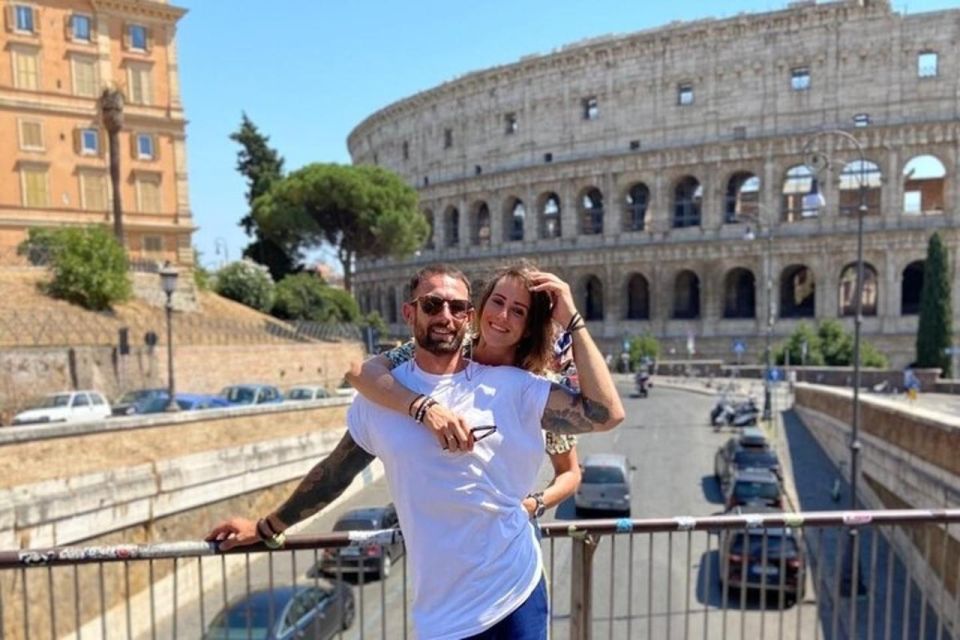
Rome at night feels calmer, but it’s still unmistakably alive. This tour is built around that mood. The highlights include the Eternal City’s most iconic landmarks under moonlight, which changes the vibe at places you might have only seen in daylight photos.
The second reason it works is the pacing. In about two hours, you string together the Pantheon area, Trevi, and Piazza Navona without wasting energy on random detours. That matters in Rome, where walking is easy and getting off track can cost time fast.
And the guide element is not just “say facts.” The best guides on this route tend to connect architecture to real life—why a building was built, what people used it for, and how the city shaped the experience around it. You’ll also notice that guides can be especially good at keeping younger travelers interested; some guides have been praised for staying interactive with families.
You can also read our reviews of more walking tours in Rome
Meeting at the Colosseum Metro terrace without stress
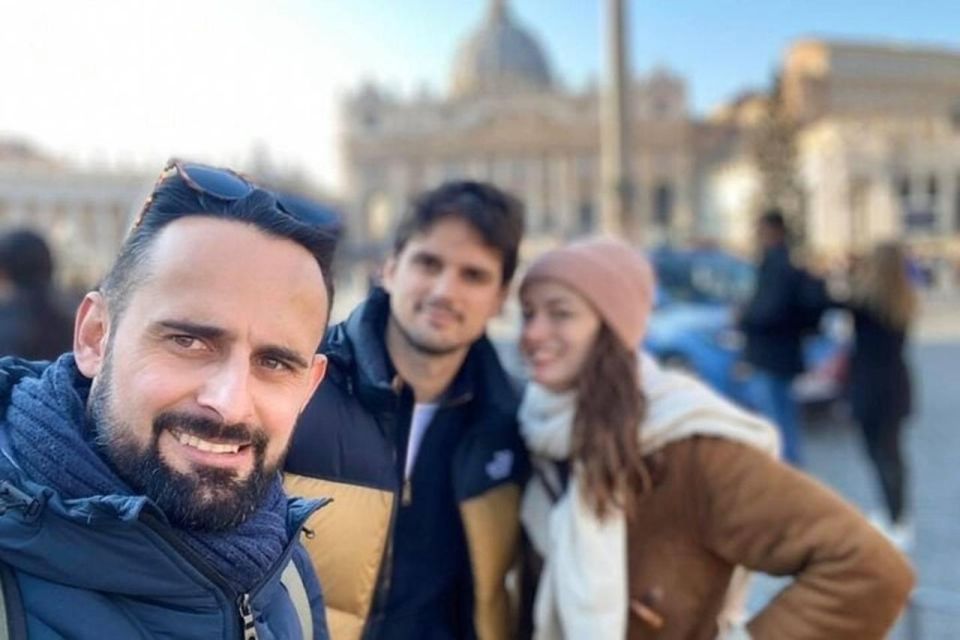
This starts near the Colosseum, and you’ll want to treat the first 10 minutes like part of the tour. The meeting point is about 100 meters from the Colosseum. Go to the terrace above the Colosseum Metro Station, then use the pedestrian bridge to cross above the road.
Once you’re across, the office is roughly 50 meters up the street. Look for a purple flag that says Crown Tours. If you’re standing in front of the metro station, head upstairs first—then follow the bridge and signage.
The key practical tip: arrive early to check in. Late arrivals cannot be guaranteed entrance. That’s not a “maybe” situation—this is a timed walking tour, and the group has to keep moving.
Pantheon at night: Piazza della Rotonda’s best lesson in stone and math
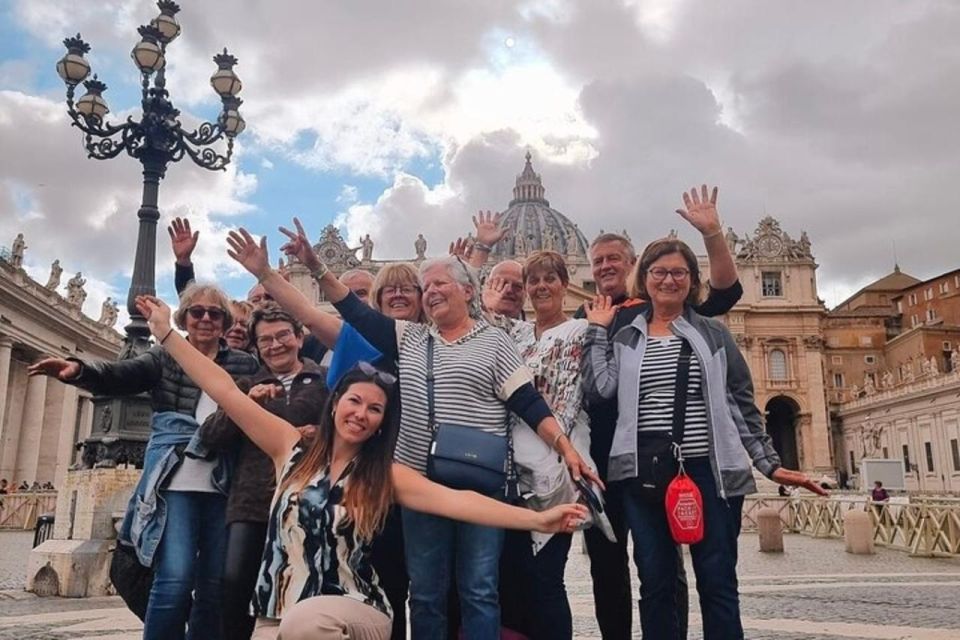
Your route funnels you toward the Pantheon area, and it’s a smart choice to build from there. The Pantheon is described as the oldest standing pagan temple in the world, and even if you already know that title, the building hits harder at night.
When you’re in Piazza della Rotonda, the focus is on Hadrian’s Pantheon lit up and surrounded by fountains and bars. That framing matters. You’re not just looking at a monument—you’re watching Rome’s nighttime social scene wrap around ancient architecture.
What your guide should help you notice:
- The scale of the dome and how that design still amazes people centuries later
- The idea that the Pantheon’s importance is not only religious or political—it’s also engineering and design
- The way the piazza works as a stage, so the building becomes the background to real street life
If you’ve ever felt like the Pantheon is just a “big dome photo,” this stop is designed to make you look again. It turns the view into a story you can carry to the next fountains and piazzas.
Via del Corso: iconic shopping street, tour-friendly pacing
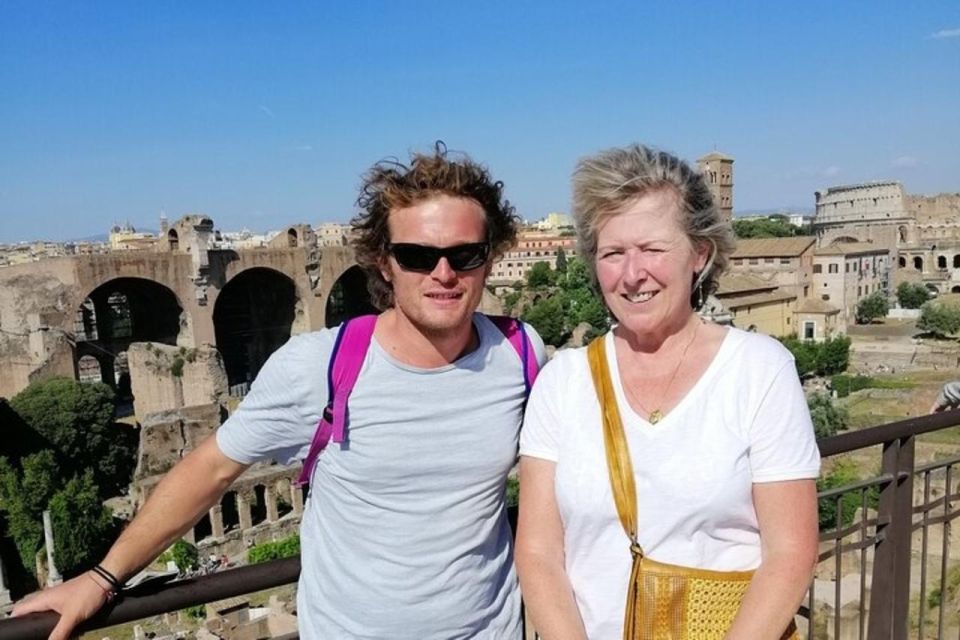
After the Pantheon area, you’ll pass by Via del Corso. This is one of Italy’s best-known shopping streets, and the tour uses it well.
You’ll walk along a stretch where major fashion brands have flagship stores, including Valentino, Fendi, and Armani. That doesn’t mean you’re expected to shop. The value here is context: Rome layers global culture over ancient space, and Via del Corso is where you can see that clearly without leaving the main sightseeing corridor.
This also acts like a breather between “big wow” stops. It’s a long enough street that your guide can give history in a way that doesn’t feel like a sprint. Then you’re ready to switch back into sightseeing mode for Trevi and the next piazza.
Practical tip: if you want the most relaxed photos, step out of the direct flow near storefront clusters. There’s a lot going on, and moving two or three steps away from the busiest line makes your shot cleaner.
Trevi Fountain: the world-famous stop done efficiently
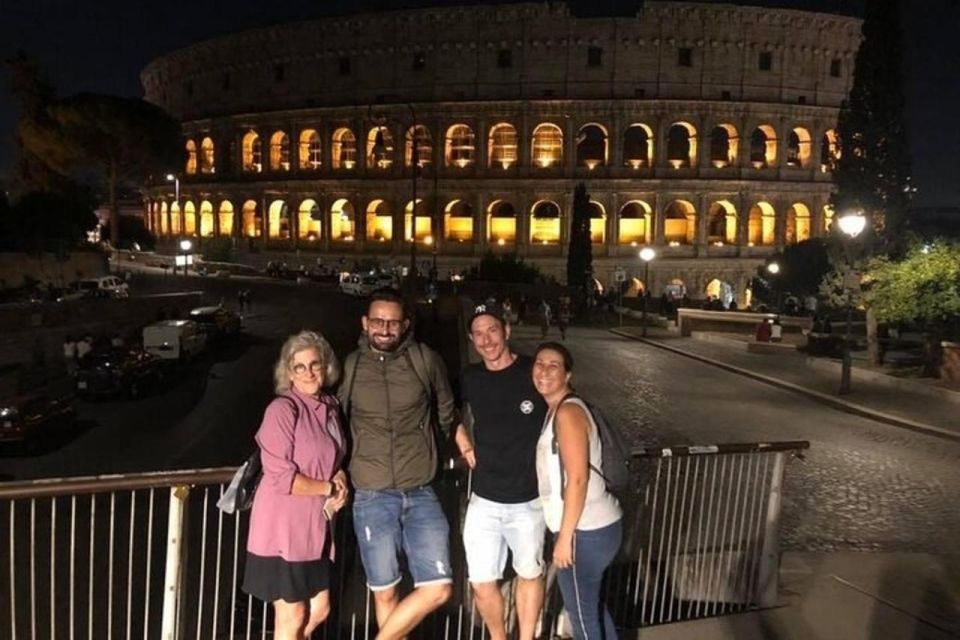
Trevi Fountain is famous for a reason, and this tour is built around getting you there with the right perspective. Your guide leads you to the Trevi Fountain, described as the most famous and highest-earning fountain in the world.
That wording is a reminder that Trevi is not just art—it’s also a cultural magnet. People come for the look, for the legend, and for the moment. A guided walk helps you focus on what matters instead of getting stuck in a crowd staring at your shoes.
How to make Trevi more than a snapshot:
- Look up at the fountain’s architecture, not just the water
- Let the guide set the scene so you know what you’re looking at
- Take a breath and notice the piazza’s movement—Trevi draws the city’s energy in evening hours
Because the tour is timed, you should plan for a short but meaningful stop. If you want a longer linger at Trevi afterward, you can continue on your own—Campo de’ Fiori is the next move later in the walk, so your evening still stays strong even if you add extra minutes.
You can also read our reviews of more city tours in Rome



Piazza Navona and Bernini’s Four Rivers Fountain at street level

If you want a piazza that feels like theater, Piazza Navona is it. The tour brings you here after Trevi, and you’ll stand where the artwork is closest to street life.
You’ll see Bernini’s Fountain of the Four Rivers located in front of Bernini’s original design for St Peter’s church. That connection is the kind of detail your guide can turn into real understanding. It’s not just “here’s a fountain.” It’s how one artist’s ideas influenced another major work—right there in the same urban space.
At night, Piazza Navona is especially photogenic. You get that blend of fountains, buildings, and social energy, which is why this stop feels like a highlight even for people who think they’ve seen everything in Rome.
One more small but helpful point: if you want good pictures, don’t fight for the absolute front row. The fountain is large, and moving slightly to the side can give you a cleaner frame with more of the piazza in view.
Finishing in Campo de’ Fiori: where the evening actually happens
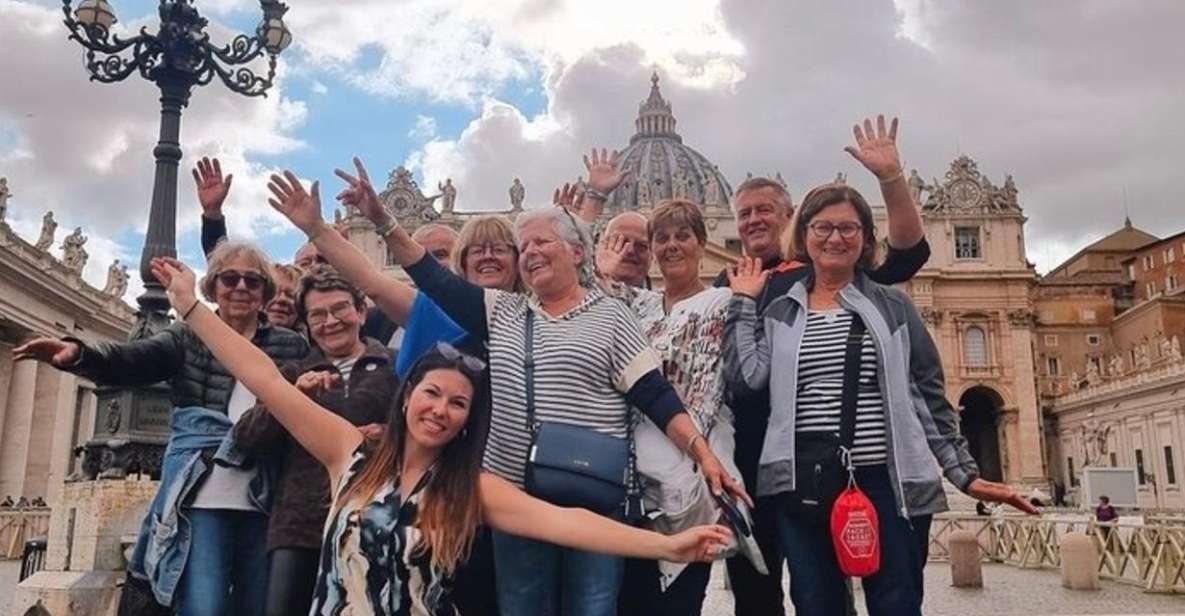
After Piazza Navona, the guide ends the walk in Campo de’ Fiori square. This part of Rome is described as the main hub for bars, nightlife, and food.
That ending choice is practical. Instead of ending back at a hotel area, you end right where you can keep the night going. If you want dinner, drinks, or just a casual wander with a lively backdrop, Campo de’ Fiori is the right landing zone.
You can also use your guide’s timing to your advantage. Because the tour ends where nightlife is active, it’s easy to transition without doing a long transport step. If you’re hungry, you’re already in the zone.
What you get for $56.94 (and what you don’t)
The price is $56.94 per person for a tour duration of about two hours. What’s included is simple: a tour guide.
No hotel pickup or drop-off is included, so plan to get yourself to the Colosseum-area meeting point on your own. That’s typical for central Rome walking tours, and it’s usually the reason the price stays reasonable.
So is it good value? For me, it checks out because:
- You get multiple top highlights packed into a short time window
- You’re paying for interpretation, not just sightseeing
- The route is designed to flow logically through key piazzas and corridors
If your priority is one monument only, then any “highlights” tour can feel like you’re rushing. But if your goal is to see the big hitters and understand how they connect, two hours with a skilled guide is a solid use of evening time.
The guides matter: how to spot a good one on this route
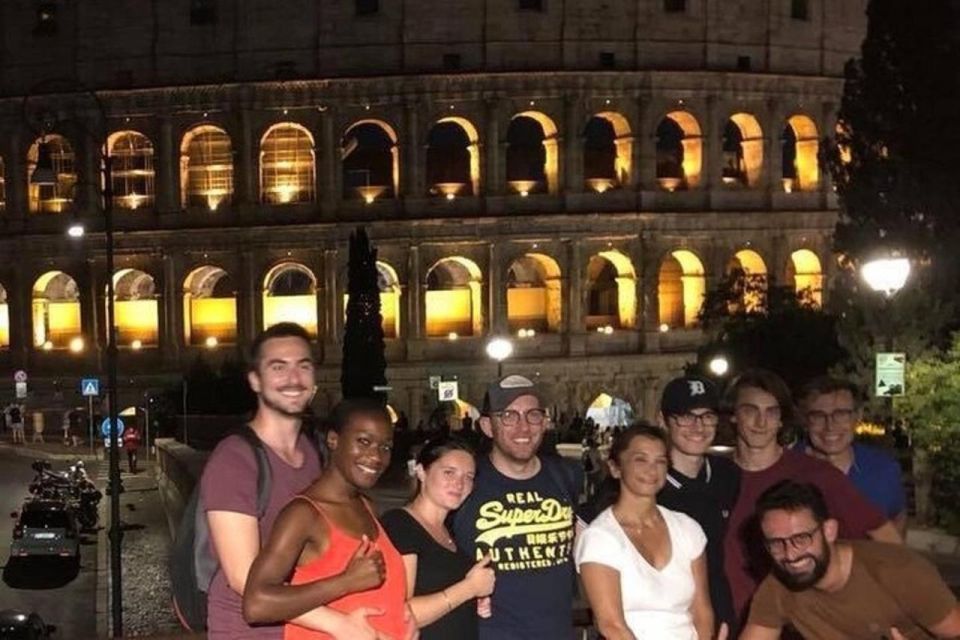
This tour’s quality often comes down to the guide. The names you might hear connected with this experience include Sandra, Serena, Juan, Paolo (Pablo), Arian, Mattej, Davide, Lumy, Mercia, Sabrina, and Ana. Different guides bring different strengths, but there are recurring themes in how they lead.
Here’s what the best guides on this route tend to do:
- Make the history feel practical, not like a lecture
- Turn architecture into something you can picture and remember
- Keep the pace friendly so you’re not constantly playing catch-up
Some guides are known for being great at architecture explanations, while others shine at storytelling and keeping people engaged with humor. There are also guides who bring small extras into the moment—like helping coordinate photos or pointing you toward a snack stop near Trevi.
How you can get more out of it: ask a question early. When the guide knows what you’re most curious about—dome engineering, Bernini’s connections, or how the piazzas evolved—the tour clicks faster.
A real consideration: 2 hours is a lot of stops
The only genuine downside to flag is that two hours can feel information-heavy if you prefer to absorb slowly. Some people want more time in each piazza, and this route is designed for coverage.
Think of it like a high-impact Rome primer. You’ll leave with strong orientation, but you may still want to return on your own later for a longer stare at one favorite spot—like Trevi or Piazza Navona.
Also, the meeting point timing matters. You should arrive early to check in. If you show up late, you risk missing the start.
Who should book this walking tour?
Book this if you’re:
- In Rome for a short stay and want the major sights with context
- Interested in how architecture and city life connect
- Looking for an evening plan that doesn’t require buying tickets for every stop
This can also work well for families and mixed ages, especially when the guide uses humor and keeps questions flowing. It may not be ideal if you dislike walking for an extended stretch or if you want long downtime at each landmark.
If you’re the type who likes to window-shop and then switch instantly into culture, Via del Corso is a good match for your style. If you want food and nightlife afterward, ending in Campo de’ Fiori helps a lot.
Should you book it? My no-nonsense take
Yes—if you want a smart, efficient night tour through Rome’s biggest icons with real guidance, this is a good bet. For $56.94, you’re paying for a guide-led route that hits Pantheon/Piazza della Rotonda, Trevi Fountain, Piazza Navona, and ends in Campo de’ Fiori.
Skip it if your ideal Rome day is slow and museum-like. This is a walking-and-looking tour, and it moves on purpose. If you’re okay with that trade-off, you’ll come away with clearer context and an evening that feels like you actually saw the city, not just passed through it.
FAQ
How long is the Rome City Highlights Walking Tour?
The tour lasts about 2 hours.
Where does the tour start and how do I find it?
It starts about 100 meters from the Colosseum at the terrace above the Colosseum Metro Station. Use the pedestrian bridge to cross above the road, then go about 50 meters up the street to the Crown Tours office and look for the purple flag.
Where does the tour end?
The tour ends back at the same meeting point near the Colosseum.
What language is the tour guide available in?
The live guide is available in French, Spanish, and German.
Is hotel pickup or drop-off included?
No. Hotel pickup and drop-off are not included.
Is the price per person and what’s included?
It’s $56.94 per person, and the included item is the tour guide.
Can I cancel or pay later?
You can cancel up to 24 hours in advance for a full refund, and there is a reserve now & pay later option to keep plans flexible.