REVIEW · ROME
Roman Countryside Walk: Catacombs, Aqueducts and Appian Way
Book on Viator →Operated by Tours About · Bookable on Viator
That quiet morning feeling can be the whole point. This small-group walk takes you off Rome’s main rush and into the ancient world along the Appian Way—with time in major underground sites and big outdoor Roman engineering.
I especially like the mix of Catacombs of San Callisto and the Aqua Claudia aqueduct, because you see Rome working on two different levels: faith below ground and infrastructure above it. The main thing to consider is practical, not poetic: the tour is mostly underground in narrow spaces, so claustrophobia is a real issue.
In This Review
- Key highlights to know before you go
- How the morning Appian Way walk feels different
- Getting there: bus transfer + a group that stays manageable
- San Callisto Catacombs: what you’ll see and the rules you must follow
- Circus of Maxentius in Caffarella Park: Rome without the biggest-name crowds
- Mausoleum of Cecilia Metella: a tomb on a hill with major presence
- Aqueduct Park and Aqua Claudia: the engineering story you can picture
- Walking Via Appia Antica: the Queen of Roads in real life
- The guide experience: clear storytelling and photo help
- Price and value: why $86.90 can make sense here
- Who this tour is best for (and who should think twice)
- Should you book this Roman countryside walk?
- FAQ
- How long is the Roman Countryside Walk: Catacombs, Aqueducts and Appian Way?
- What is the price per person?
- What time does the tour start?
- Where do I meet the tour?
- Is transportation included?
- How many people are in the group?
- Are entrance tickets included?
- Are there dress code or photography rules?
- What if I have claustrophobia?
- Can I cancel for a full refund?
Key highlights to know before you go
- Small group (max 15): easier pacing and more time to ask questions.
- Morning timing: you’ll walk the Appian Way when it feels calmer.
- San Callisto catacombs: a major underground cemetery with clearly organized areas to visit.
- Aqua Claudia aqueduct focus: engineering details you can actually picture while you’re there.
- Via Appia stroll: you get a walk on the Queen of Roads, not just a photo stop.
- Photo rules in catacombs: plan ahead so you don’t get surprised underground.
How the morning Appian Way walk feels different
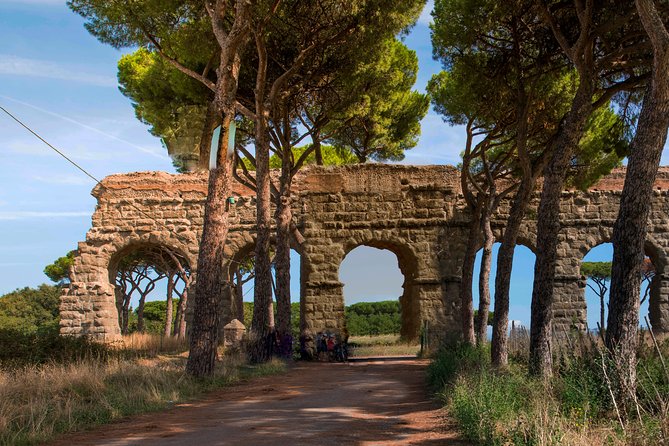
The Appian Way (Via Appia Antica) is famous for a reason. It’s one of those Roman achievements you can still read in the ground: a road built for movement, trade, and control—laid out with a long view toward the future.
The best part here is the time of day. A morning start gives you space to breathe. Instead of rushing from one landmark to another, you get a walk that feels like a shift in tempo. You’ll be looking at the same old stones and arches, but with fewer crowds in the way.
You can also read our reviews of more walking tours in Rome



Getting there: bus transfer + a group that stays manageable
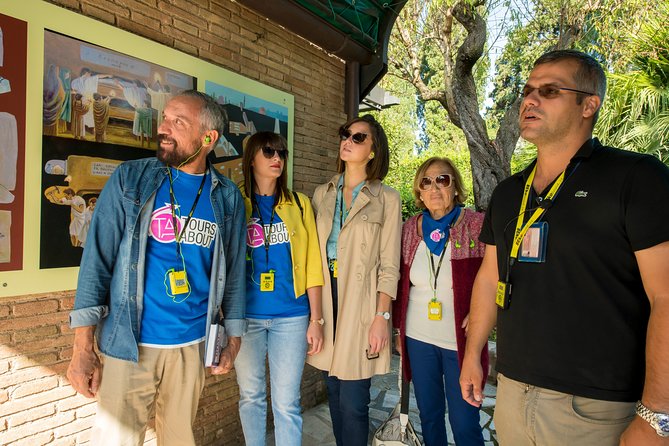
This tour runs for about 3 hours and is set up as a small group with a max of 15 people. You meet at Via Cavour, 224 (near the center), then board a bus for the countryside legs. It’s a sensible setup because you’re not trying to solve Rome transit while also timing cathedral-level stairs and underground corridors.
The itinerary uses a mix of bus rides and short on-foot segments. That matters because you’re dealing with more than walking: the catacombs portion is underground and in tighter spaces. A bus-based plan also keeps you from wasting energy getting lost between sites that are spread out beyond central Rome.
If you’re traveling with someone who prefers not to fight buses and lines on a tight schedule, this format is a big win.
San Callisto Catacombs: what you’ll see and the rules you must follow
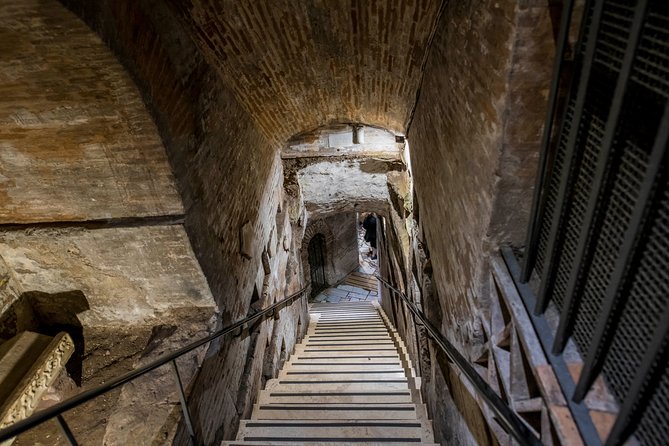
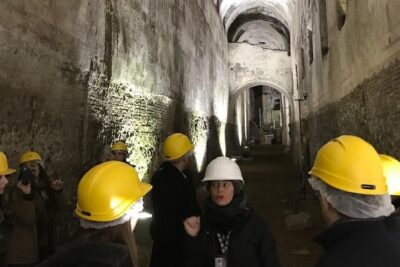
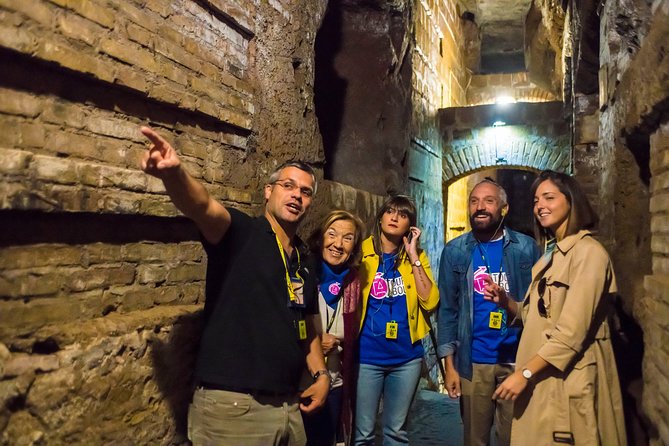
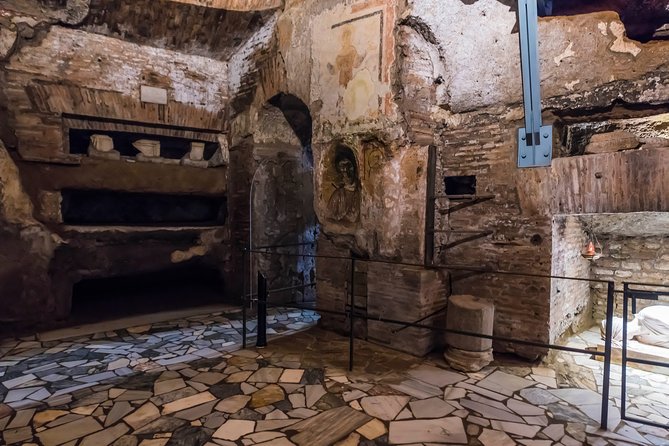
The underground portion is the heart of the tour. You’ll visit the Catacombs of San Callisto, one of Italy’s most important underground cemeteries. The scale is hard to miss in the description—this was a burial site associated with hundreds of thousands of Christians, including martyrs and popes.
What stands out is how the site is organized. The visit focuses on two areas: the crypt of St. Cecilia and the crypt of the Popes. That structure helps you make sense of what you’re seeing instead of feeling like you’re just wandering through tunnels.
Two practical notes matter a lot:
- Photography is not permitted in the catacombs.
- The tour needs a proper dress code: close your knees and cover shoulders.
And here’s the main caution. The experience is mostly underground in very narrow spaces, so if you’re sensitive to tight corridors or low visibility, take that seriously before booking.
Circus of Maxentius in Caffarella Park: Rome without the biggest-name crowds
After the catacombs stop, you’ll travel to the Circus of Maxentius in Caffarella Park. It’s not the headline name that everyone chants like a mantra, but that’s exactly why it works.
The structure here is well preserved, and it sits in a more relaxed park setting compared to the most famous arena you’ll see inside the city core. It’s a good pause between “underground + spiritual” and “outdoors + engineering,” with a clear chance to stretch your legs and reset your brain.
This stop is quick, about 30 minutes, which is part of the tour’s pacing strategy: it keeps you moving while still giving you enough time to actually look at the site rather than just stand in a line.
Mausoleum of Cecilia Metella: a tomb on a hill with major presence
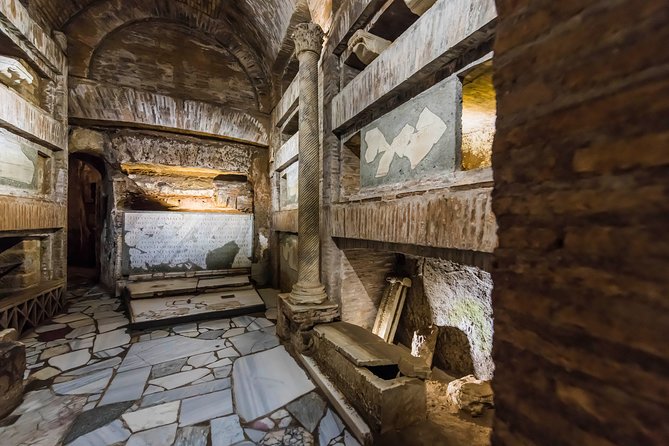
Next up is the Mausoleum of Cecilia Metella at Parco Archeologico dell’Appia Antica. This isn’t a museum-room stop. You’ll see it as it was meant to be seen—on a height along Via Appia.
This monumental tomb dates to the 1st century B.C., built to honor the Roman noblewoman Cecilia Metella. Even without getting lost in academic details, you can feel the purpose of the structure: it’s designed for visibility and permanence, like a message meant to outlive its sender.
The time here is also around 30 minutes. That works well because it lets you take in the tomb’s scale and its place in the wider Appian environment—without turning the day into one long stand-stare exercise.






Aqueduct Park and Aqua Claudia: the engineering story you can picture
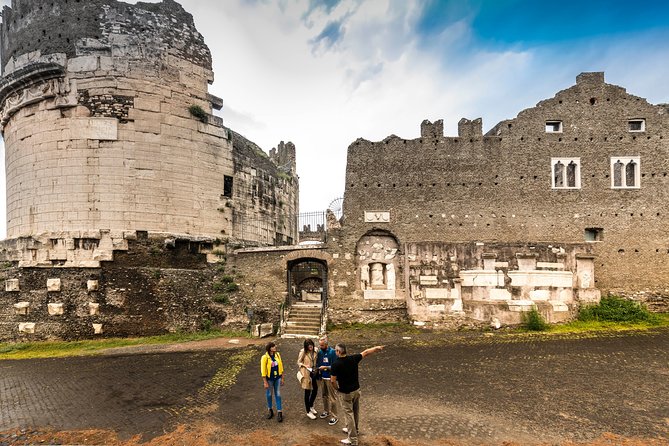
The tour’s outdoor “wow” moment comes with the Aqua Claudia. You’ll be guided to the Claudian Aqueduct area, and the visit includes admission.
What’s especially helpful is the specific context you get for the aqueduct. Aqua Claudia was built in 38 A.D., and it was completed just 14 years later—a reminder that Roman engineering wasn’t slow and nostalgic. It was fast and practical.
You’ll also hear numbers that make it easier to imagine the structure beyond what you’re standing next to. The aqueduct’s arches stretched for nearly 70 kilometers, and it served as a major water source for Rome. When you’re there, it’s less about memorizing facts and more about understanding how this system supported everyday life for the city.
If you’re the type who likes to connect landmarks to function—food, water, daily survival—this stop delivers.
Walking Via Appia Antica: the Queen of Roads in real life
Now comes the classic moment: a walk along the Appian Way. This is the “put your feet where history ran” segment, about 30 minutes.
The Romans called Via Appia the Queen of Roads, and it connected Rome to Brindisi in southern Italy. It also served as a main trade route with Greece and the East. That detail matters because it changes how you see the road. It’s not only a relic. It’s infrastructure that pulled distant places into Roman economic life.
You’ll also hear about how old the road is—dating back to around 300 B.C. That’s part of the magic: you’re walking on a path whose purpose was to keep movement constant.
Practical tip: wear comfortable shoes and don’t assume the stone is friendly. You’re walking an ancient road, not a smooth city sidewalk.
The guide experience: clear storytelling and photo help

A good guide can make ancient Rome feel like a set of connected clues instead of separate sights. The experience here benefits from an expert guide, and the tone you’re aiming for is practical explanation—why a site was built, what it did, and how it fit into Roman life.
In particular, one detail I appreciated is how guides have helped with photos at the end points that make sense for photos—like the Appian Way and aqueduct area. If you’re traveling as a couple, that kind of small assistance can save you from playing camera-officer for the whole day.
With a group capped at 15, you’re also more likely to get a straightforward answer when you ask something. It’s not a lecture where you just nod politely and hope the next stop is clearer.
Price and value: why $86.90 can make sense here
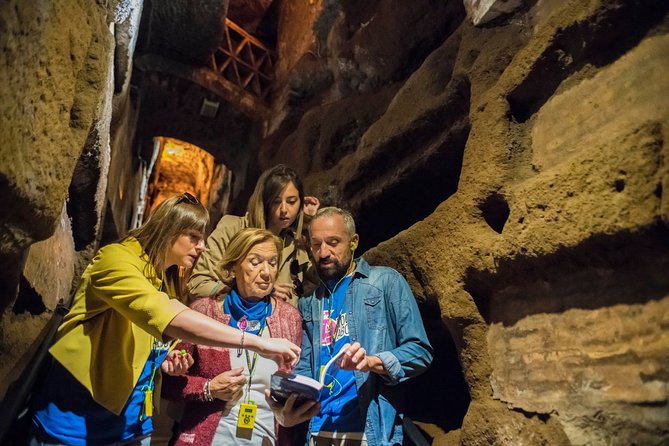
At $86.90 per person, you’re paying for more than a stroll. You’re getting:
- An expert guide
- A transfer service that gets you between central Rome and the countryside sites
- Admission included for key underground/aqueduct elements (the catacombs stop and the aqueduct visit are supported by the tour’s included tickets)
For a route like this—spread out beyond the city center and built around specific timed sites—the “value” isn’t just the discount math. It’s the fact that you’re outsourcing the logistics and paying someone to focus the experience.
If you’re staying in Rome for a short time and want to hit major Appian-area highlights without stitching together bus routes, this price is competitive for what you get.
Who this tour is best for (and who should think twice)
This experience fits best if you want:
- A small-group day trip rhythm that still feels like walking
- The big Appian Way story, not just one or two famous stops
- A morning schedule that avoids the heavy crowd feeling
You should think twice if:
- You have claustrophobia, because the tour is mostly underground and in narrow spaces
- You’re not willing to follow a dress code (knees and shoulders covered)
- You’re hoping to take photos inside the catacombs (that’s not allowed)
If you’re a history lover who likes specific facts (dates, distances, building purposes), you’ll likely enjoy the way the guide frames each stop.
Should you book this Roman countryside walk?
I’d book it if you want a focused Appian Way experience that blends underground sites with major Roman infrastructure and keeps the logistics simple. The morning timing and small group size are meaningful, and the tour’s structure helps you see how the catacombs, aqueducts, and the road all connect to Roman life.
Skip it if narrow underground spaces are a deal-breaker for you. This isn’t a quick “pop in for five minutes” situation—it’s a real underground visit.
If you’re unsure, ask yourself one question: would you still enjoy the day if the catacombs are the toughest part? If the answer is yes, this tour is a strong way to spend a few hours beyond central Rome.
FAQ
How long is the Roman Countryside Walk: Catacombs, Aqueducts and Appian Way?
The tour lasts about 3 hours.
What is the price per person?
It costs $86.90 per person.
What time does the tour start?
The start time is 9:45 am.
Where do I meet the tour?
You meet at Via Cavour, 224, 00184 Roma RM, Italy. The tour returns back to this meeting point.
Is transportation included?
Yes. The experience includes a transfer service and uses round-trip bus transportation from central Rome.
How many people are in the group?
The tour has a maximum of 15 travelers.
Are entrance tickets included?
Catacombs admission is included, and the Claudian Aqueduct stop includes the admission ticket as well. Other listed stops have free admission.
Are there dress code or photography rules?
Yes. You need proper dress code with knees and shoulders covered. Photography is not permitted in the catacombs.
What if I have claustrophobia?
This tour is mostly underground in very narrow spaces, which may be an issue if you or anyone in your party suffers from claustrophobia.
Can I cancel for a full refund?
Yes, you can cancel for a full refund if you cancel at least 24 hours in advance.