REVIEW · ROME
Private Home Cooking Class with Andrea and Arianna in Rome
Book on Viator →Bookable on Viator
Cooking in a real Roman home changes everything. In a private cosy kitchen, Andrea and Arianna host you for a hands-on Roman meal with food-and-history tips from a chef and an Italian language teacher.
I like the authentic Italian home feeling and the relaxed, friendly pace that makes it easy to ask questions and get real answers. The kitchen never feels like a studio set, and you quickly feel part of the evening instead of a customer in a room.
I also love how beginner-friendly it is while still feeling genuinely personalized. You work with an actual Roman menu and techniques you can use again at home, even if you have never rolled pasta before. One drawback to plan around: pickup from your hotel is not included, though a ride can be arranged at a set 50€ roundtrip from your hotel.
In This Review
- Key Highlights You’ll Care About
- A Cosy Roman Kitchen With Andrea and Arianna
- How the 3 Hours Works (And Why It Feels Better Than a Restaurant)
- The Roman Menu You’ll Actually Make
- Zucchini Flowers, Rustici, and the Stuffing Skills That Transfer
- Zucchini flowers (stuff, fry, and don’t panic)
- Rustici (puff pastry that actually behaves)
- Amatriciana and Carbonara: Two Roman Mains, Two Different Skills
- Amatriciana (bacon + tomato with Roman attitude)
- Carbonara (eggs and cheese done right)
- Fresh Pasta Choices: Gnocchi, Fettuccine, or Ravioli
- The Other Mains: Meatloaf, Meatballs, and Saltimbocca
- Lunch, Dinner, Wine, and the Real Meaning of Eat What You Made
- Price and Value: $94.63 for a Full Roman Meal at Home
- Getting the Most Out of It: Who Should Book and Who Might Skip
- Should You Book This Private Home Cooking Class?
- FAQ
- What’s the meeting point for the class?
- Is pickup included?
- What’s included in the price?
- How long does the cooking class last?
- Do I need good weather to go?
- Is service animal access allowed?
Key Highlights You’ll Care About
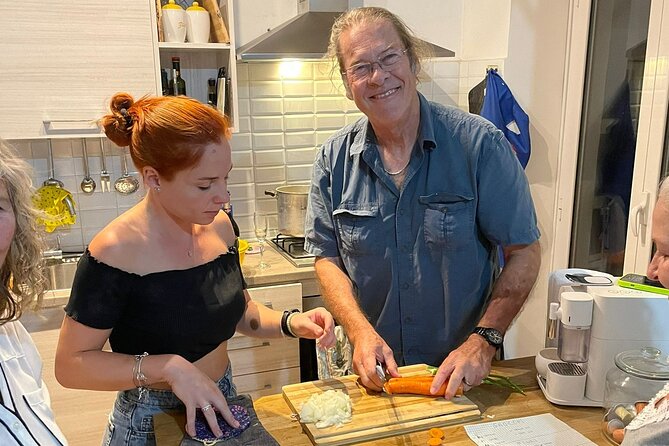
- Real Roman hosts in their own home: Andrea and Arianna guide you like you belong there for a meal.
- A chef plus an Italian language teacher: you get cooking instruction and culture talk in the same evening.
- Hands-on cooking, not a demo-only show: theory first, then you do the work.
- Classic Roman dishes with approachable steps: from Amatriciana and Carbonara to fresh pasta formats.
- Lunch and dinner included: you’re not just tasting a few bites.
- Menu flexibility for your group: one family even had teens choose parts of the menu and got encouragement.
A Cosy Roman Kitchen With Andrea and Arianna
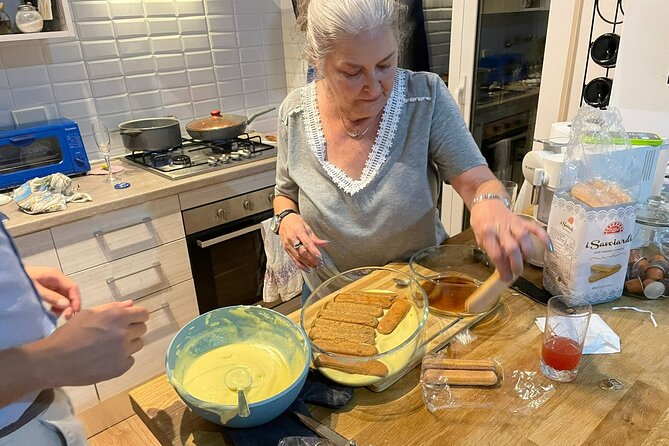
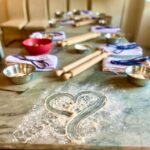
This class is built around one simple idea: learn Roman cooking by doing it where Romans actually live and eat. You meet at Via Oderisi da Gubbio, 199 in Rome, then head to their small, cosy house for a private, small-group experience with two hosts. You’re not squeezed into a big room with strangers. It feels more like you got invited to cook dinner with friends who happen to be experts.
Andrea and Arianna are Roman, and the pairing matters. One brings the chef brain—technique, timing, and how to get the dish right. The other adds an Italian language angle and local context, so food isn’t floating in a vacuum. You learn why Romans cook the way they do, and you pick up practical food vocabulary along the way. Even basic language bits make the evening easier to follow, and they also help you remember what you made.
I especially like the tone. It’s casual, welcoming, and patient. That matters when you’re rolling pasta, stuffing pastries, or learning how not to overcook something. This kind of home setup is also ideal for families. One group mentioned Andrea letting their teen grandsons choose the menu, and the vibe felt encouraging rather than strict. If you have picky eaters or curious young cooks, ask if there’s room for input.
You can also read our reviews of more private tours in Rome



How the 3 Hours Works (And Why It Feels Better Than a Restaurant)

You’re looking at about 3 hours total, and the format is clear: theory first, then practice. They explain what you’re about to make, you work in the kitchen, and then you sit down for the meal you helped create.
This flow is one of the biggest reasons the class is valuable. A restaurant can show you the result, but it can’t slow down time enough for you to learn the decisions. In a home class, you get answers to the exact questions that show up while you cook, like:
- when the pan is hot enough
- how to balance saltiness and acidity in tomato sauces
- how to handle eggs and cheese so Carbonara stays creamy (not scrambled)
Because it’s private, the pace can adjust to your group. If you move fast, you’ll likely get more challenges. If you’re a beginner, you get repeated guidance. The experience is designed to welcome all skill levels, and you’ll feel that in the way instructions are delivered.
The class also pairs well with Rome sightseeing because it’s not an all-day commitment. You get a full meal out of it, you learn real food skills, and you still have time to explore afterward.
The Roman Menu You’ll Actually Make
This is the heart of the experience: you cook a Roman-focused menu, not a random list of Italian hits. The sample menu includes multiple starters, multiple mains, and fresh pasta options. Expect a true Roman comfort-food night with recognizable classics.
Here’s what the menu includes:
- Zucchini flowers: deep-fried zucchini flowers stuffed with mozzarella and anchovies
- Rustici: small puff pastry snacks with savory fillings
- Amatriciana: a Roman classic with bacon and tomato
- Carbonara: eggs, cheese, and bacon
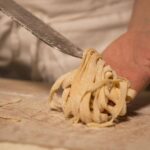
- Fresh pasta choices: gnocchi / fettuccine / ravioli with seasonings like ragù, butter and sage, or blue cheese and nuts
- Meatloaf: stuffed with ham and mozzarella
- Meatballs: a classic with tomato
- Saltimbocca alla romana: beef with ham and sage
That’s a lot of food for a 3-hour window, which is why the pacing matters and why the home kitchen setup is so helpful. You’ll work through components that build on each other. Sauces and fillings can be parallel tasks while others go on the stove. You don’t just stand around waiting for a guide to plate everything.
Also, this menu gives you a strong Roman anchor. Amatriciana and Carbonara aren’t just popular dishes; they’re cornerstones of what locals recognize as Roman. If you want Rome food that goes beyond pizza and sightseeing snacks, this is the kind of meal that sticks in your memory.
One extra note from an actual guest experience: they called out the dessert, including tiramisu, as a standout. Since desserts can vary by night, think of tiramisu as a good possibility rather than a guarantee, but it’s a good sign you’re likely ending with something special.
Zucchini Flowers, Rustici, and the Stuffing Skills That Transfer
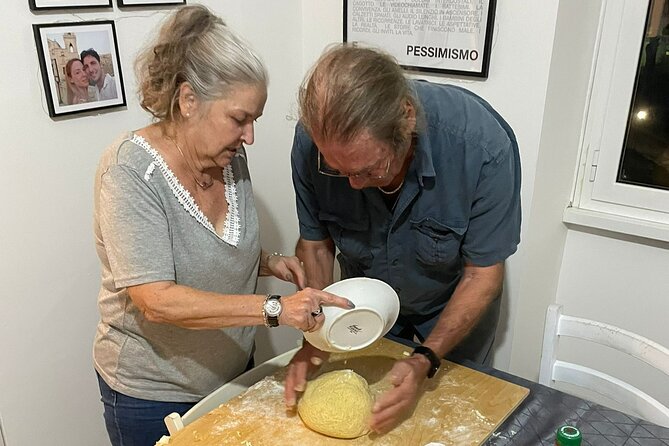
Some cooking classes focus on one dish. This one gives you several skill types. That matters because you don’t just learn how to make a recipe—you learn techniques you can reuse later.
Zucchini flowers (stuff, fry, and don’t panic)
Zucchini flowers can look intimidating. In a home class, they become approachable because you get guidance on handling delicate parts and keeping the filling together. Stuffing with mozzarella and anchovies also teaches balance: salty anchovy against creamy cheese, with the crunch from frying.
If you’re the type who likes to cook “special” for dinner parties, learning this makes you look like you’ve been doing it forever. The actual confidence comes from being shown, then letting you do it.
You can also read our reviews of more cooking classes in Rome



Rustici (puff pastry that actually behaves)
Rustici are little savory pastry bites. They teach a different kind of precision: getting the pastry right so it stays flaky, not gummy, and learning how fillings behave when heated inside dough. Once you’ve done small pastries like this, larger stuffed concepts feel less scary.
If you’re traveling with kids or teens, these starters are often a good entry point because they’re hands-on without being too complicated. And if your group likes to customize, this is the kind of course where small preferences can sometimes be worked in.
Amatriciana and Carbonara: Two Roman Mains, Two Different Skills
Now you move into the dishes that most people come to Italy already hearing about, but here you learn the how.
Amatriciana (bacon + tomato with Roman attitude)
Amatriciana is a bacon-and-tomato classic. The key is how you treat the sauce—timing, texture, and how you keep the flavor deep without letting it turn harsh. In a restaurant, it’s plated fast. In the class, you learn what it should feel like at different stages.
Carbonara (eggs and cheese done right)
Carbonara is often where home cooks get nervous. The name alone carries fear: will it scramble? Will it be too heavy? In a guided home kitchen, you get control over heat and timing. You learn how eggs thicken properly and how cheese should melt into a silky sauce rather than turning grainy.
If you’ve only ever had Carbonara once before, this class is useful because it gives you a mental checklist for repeating the dish. And because it’s private, you can ask what went wrong the last time you tried it.
Fresh Pasta Choices: Gnocchi, Fettuccine, or Ravioli
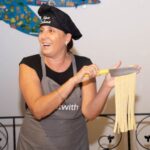
The class offers you options for fresh pasta formats: gnocchi, fettuccine, or ravioli. You also choose seasonings like ragù, butter and sage, or blue cheese and nuts.
This is where the experience feels extra personalized. Pasta is physical work, so having choices helps your group find the dish you’ll enjoy cooking the most. It’s also a smart way to match experience levels. Some people pick ravioli because they like structured fillings. Others choose fettuccine because it feels straightforward.
Practically, fresh pasta in a Roman home also helps you understand the rhythm. You learn how dough behaves, how thick or thin matters, and how sauce interacts with the pasta shape. Those lessons are hard to absorb from a menu photo.
The Other Mains: Meatloaf, Meatballs, and Saltimbocca
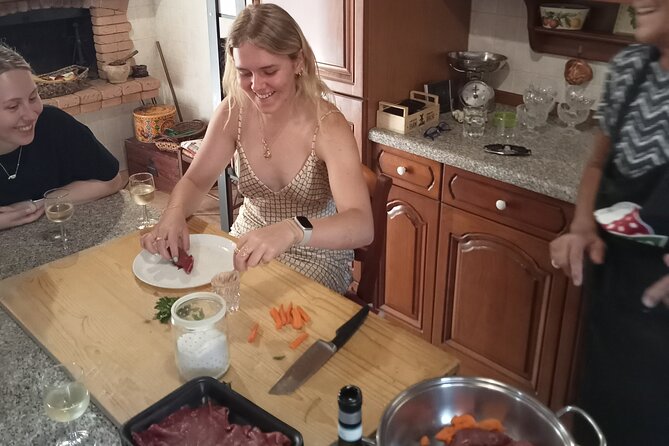
You’ll also make several Roman-style meat dishes. This isn’t only about Italian comfort food—it’s about variety in technique.
- Meatloaf stuffed with ham and mozzarella teaches you about filling and handling a cut to keep it juicy.
- Meatballs with tomato show you how meat and sauce work together, and how you can get texture that isn’t dry.
- Saltimbocca alla romana (beef, ham, sage) gives you a classic flavor combo and teaches how to cook thin pieces without overdoing them.
If you’re coming to Italy expecting one-note pasta nights, this menu changes your expectations. You get a broader Roman table, which makes the meal feel more complete.
Lunch, Dinner, Wine, and the Real Meaning of Eat What You Made
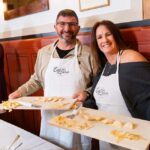
This class includes both lunch and dinner. You’re not doing a quick snack and leaving. You cook, then you sit down, and then you eat with the people teaching you.
They also include alcohol for people of legal drinking age only. If you don’t drink, that’s fine—you’ll still have plenty to do and plenty to taste. The point isn’t the wine. It’s the full meal experience and the atmosphere that turns cooking into conversation.
One thing I look for in a home class is whether the hosts treat the meal as part of the event. Here it is. The class is described as fun, casual, intimate, and organized without feeling stiff. Guests described chatting during the process and learning tips along the way, including dessert moments like tiramisu.
The meal becomes part of your Rome memory. It’s hard to recreate at home exactly, but you’ll walk away with enough technique to redo major pieces. And the stories behind dishes give your cooking a sense of place, not just a list of steps.
Price and Value: $94.63 for a Full Roman Meal at Home
At $94.63 per person, this isn’t the cheapest way to eat in Rome. But it also isn’t trying to compete with fast pasta or a quick tasting.
Here’s why the value stacks up:
- You get lunch and dinner, not just a few tastings.
- You get private instruction from hosts who cook in their own home.
- You make multiple dishes, including Roman classics like Amatriciana and Carbonara plus fresh pasta options.
- Alcohol is included for those who can drink.
- You get cultural context and Italian language elements, not only cooking instructions.
In plain terms: you’re paying for time with real cooks, in a real kitchen, and for the privilege of eating a meal you helped build. That’s a different product than a restaurant dinner, and for many people it’s worth it.
The one cost consideration is transport. Pickup isn’t included. If you want a ride, it’s offered at 50€ roundtrip from your hotel to their apartment. If you’re close to the meeting area or you’re comfortable with public transportation, you might keep costs down.
Getting the Most Out of It: Who Should Book and Who Might Skip
This cooking class is ideal for:
- People who want Roman cuisine beyond the obvious tourist plates
- Food lovers who learn best by doing
- Couples or small groups who want a private, friendly evening
- Families with teens or curious kids who can handle a hands-on kitchen setting
- Beginners who want patient coaching (the class is designed for all skill levels)
You might think twice if:
- You need strict, clockwork pacing like a factory tour. This is warm and human, not military.
- You rely heavily on included pickup and don’t want to arrange transport. Pickup is extra.
- You’re booking on a day when the weather is questionable, since the experience requires good weather and may shift dates.
Should You Book This Private Home Cooking Class?
If you’re serious about learning Roman cooking and you want the kind of dinner that feels personal, I think you should book it. Andrea and Arianna bring a welcoming home atmosphere, a real chef mindset, and local food context that turns dishes into stories you can repeat.
Pick it especially if you want more than eating. You want to go back to your rental, or your next hotel stop, and say, I can make Roman classics, not just order them.
Just plan ahead for transport and keep in mind it’s a full meal experience in a home kitchen. If that fits your travel style, this is the kind of Rome evening that sticks.
FAQ
What’s the meeting point for the class?
You start at Via Oderisi da Gubbio, 199, 00146 Roma RM, Italy, and the activity ends back at the meeting point.
Is pickup included?
Pickup is not included. You can arrange a private ride at 50€ roundtrip from your hotel to the apartment.
What’s included in the price?
Lunch and dinner are included, and alcoholic beverages are included for people of legal drinking age only.
How long does the cooking class last?
The duration is about 3 hours.
Do I need good weather to go?
Yes, the experience requires good weather. If it’s canceled due to poor weather, you’ll be offered a different date or a full refund.
Is service animal access allowed?
Yes, service animals are allowed.