REVIEW · ROME
Private Cooking Classes in Rome!
Book on Viator →Operated by Mamafer sas · Bookable on Viator
A real Roman kitchen is loud with the sound of dough. In this private 3-hour class in Rome, you’ll learn traditional Roman classics while working at your own station with Chef Matteo. I especially like the hands-on setup (no standing around) and the built-in tasting flow that starts with prosecco and ends with tiramisù. One thing to consider: this is interactive cooking, so if you want a pure food-watching experience, you may feel a bit rushed while you learn.
What makes it feel “worth it” is the structure: step-by-step guidance, a 3-course meal that you personally make, and recipes sent by email so you can recreate it at home. The group stays small, with a maximum of 8 per booking, which keeps the attention on you rather than on the crowd. If you’re shopping purely on price per hour, you might compare it to a pasta restaurant—but you’re really paying for instruction, stations, ingredients, and a finished meal you can cook yourself.
In This Review
- Key Points That Matter Before You Go
- Value and the Real Meaning of Paying $170 in Rome
- Meeting at Viale Carlo Felice: Getting Oriented Fast
- Prosecco Welcome, Snacks, and Pizza Tasting: The Rome Warm-Up
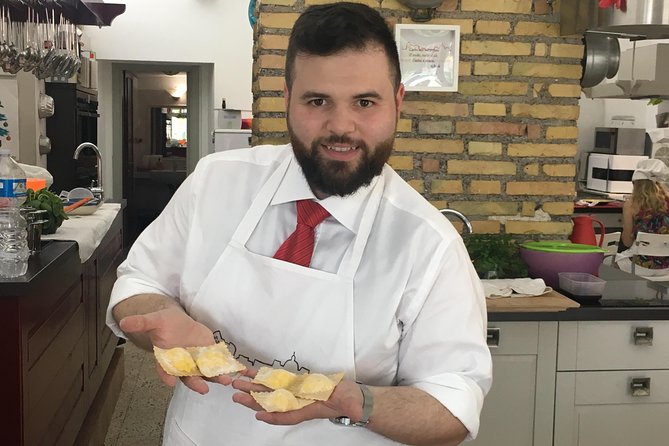
- Ravioli From Scratch: The Hands-On Moment That People Remember
- Tomato Sauce and Cacio e Pepe: Two Classics, One Lesson Plan
- Tiramisù and Espresso Finish: Dessert That Teaches More Than Sweetness
- What’s Included With Your Meal: Wine, Water, Wi-Fi, and a Certificate
- Eat What You Make: Portion Expectations and Why It Feels Fair
- Recipes by Email: The Part That Helps You Cook It Again at Home
- Who This Works Best For (And Who Might Feel Less Thrilled)
- Should You Book This Private Cooking Class With Chef Matteo?
- FAQ
- How long is the private cooking class?
- Is this class private?
- What dishes will I make during the class?
- Are drinks included?
- Do they offer vegetarian options?
- Do I get recipes to make the food again at home?
- What is the cancellation policy?
Key Points That Matter Before You Go
- Private, small-group format (max 8) so you actually cook, ask questions, and get real coaching
- Your own cooking station with a cooktop, which keeps the class moving and hands-on
- 3-course Roman menu: ravioli, tomato sauce, cacio e pepe, plus tiramisù
- Drinks are part of the program: prosecco welcome, wine with the meal, and espresso
- Recipes and video sent by email so you can repeat the dishes at home
Value and the Real Meaning of Paying $170 in Rome
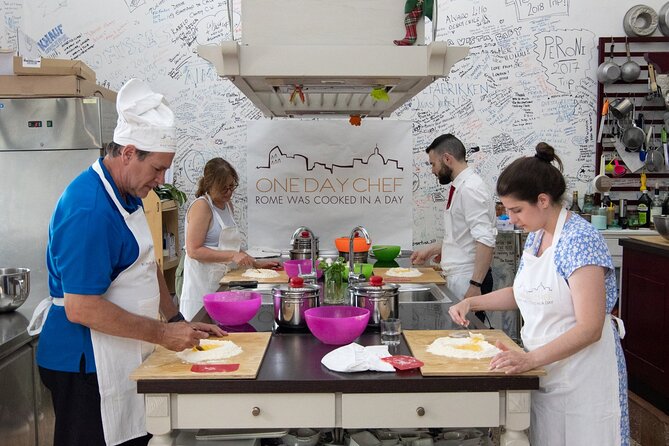
Let’s talk value in plain terms. $170.68 per person is not “cheap,” but you’re not buying a casual tasting. You’re buying a professional chef-led workshop that includes ingredients, tools at each station, drinks with your meal, and a full 3-course result you produce yourself.
In a city full of great restaurants, this is different. You’re not just eating Roman food—you’re learning the decisions behind it, like how to handle dough, how to season and build sauces, and how the simple classics stay simple. Even experienced cooks tend to like it because the chef shares practical shortcuts and small technique rules you can carry into your own cooking.
The second value win is the timeframe. At about 3 hours, you get a full meal’s worth of learning without turning your day into a half-project. For many people, it becomes the most satisfying “one afternoon in Rome” activity because it ends with you sitting down to what you made.
You can also read our reviews of more private tours in Rome



Meeting at Viale Carlo Felice: Getting Oriented Fast
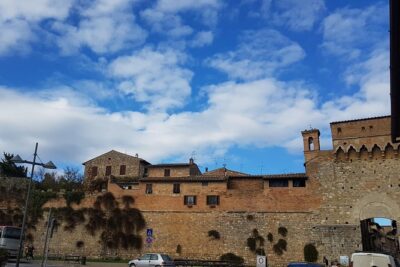
The class starts at Viale Carlo Felice, 25, 00185 Roma RM. The nice thing is you’re not dealing with multiple transfers or complicated meeting instructions during the experience—your day stays simple. When you arrive, you’re greeted and pulled into the workflow right away, which helps if you’re arriving from sightseeing with no cooking background.
Because this is a cooking school format, expect a working space, not a showroom. You’ll want comfortable shoes and practical clothing you don’t mind getting a little flour on.
If you’re traveling with others, keep in mind this is set up for cooking stations rather than theater-style viewing. That means you’ll spend your time in the action area, not hopping between rooms for photos.
Prosecco Welcome, Snacks, and Pizza Tasting: The Rome Warm-Up
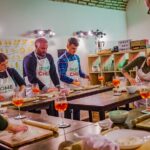
The experience begins with a welcome drink with prosecco and snacks. This is more than a nice touch. It acts like a soft landing: you’re relaxed, you’re social, and you’re ready to learn technique without feeling like you’ve been dropped into a task list.
After the welcome, there’s a homemade pizza tasting. Think of it as a “Roman food primer.” Even if pizza isn’t the main dish you’ll cook, the tasting helps you get oriented to the flavor approach and the type of ingredients the chef focuses on.
You’ll also notice the overall teaching style from the start. Chef Matteo is described as patient and calm—especially when people are new to cooking. In the class flow, that matters because learning pasta and dough takes a steady tempo. If you’re prone to rushing, you’ll still be guided back to the next step.
Ravioli From Scratch: The Hands-On Moment That People Remember
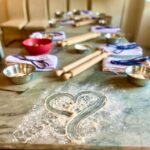
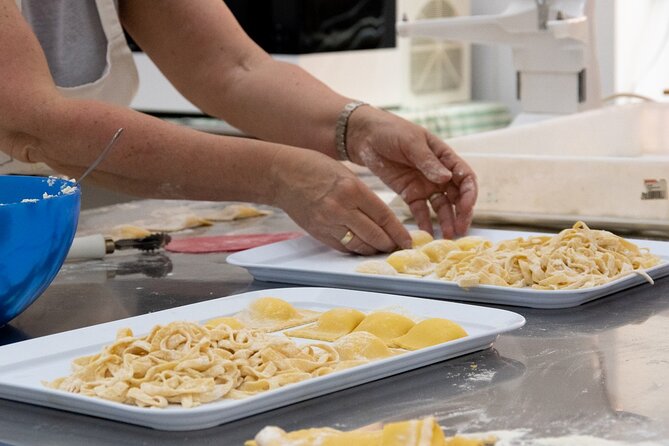
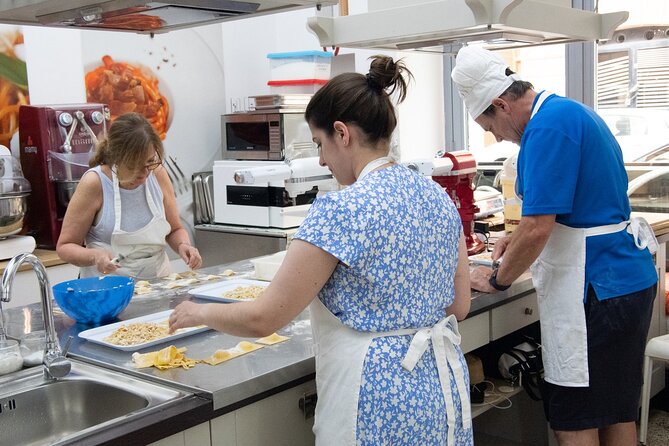
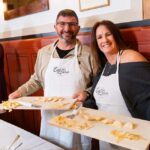
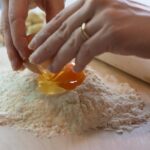
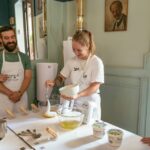
The core of the class is the hands-on cooking portion, where you make handmade ravioli from scratch. The format is very practical: each student has an individual work station with a cooktop, so you’re not waiting for someone else to finish before you can start. That’s a big deal if you’re traveling with friends or family and you want everyone to participate.
Chef Matteo’s step-by-step coaching shows up in the way people talk about the experience later. Many notes highlight how he answers questions and stays patient. That’s important because ravioli dough and filling aren’t hard because they’re complicated—they’re hard because small things matter. The chef’s job is to keep those “small things” clear.
You’ll also learn technique rules that help you avoid common mistakes. One example from the class: you’ll practice how to handle ravioli without relying on egg wash tricks people use elsewhere. Another: you learn about the logic around not adding oil to pasta water. These are the kinds of habits that make your cooking feel more like authentic Roman method and less like generic Italian cooking.
The other benefit of ravioli as the main project: it teaches you dough control. You’ll knead, shape, and work with texture. That’s useful even if your final goal at home is something simpler like fresh pasta sheets.
Tomato Sauce and Cacio e Pepe: Two Classics, One Lesson Plan
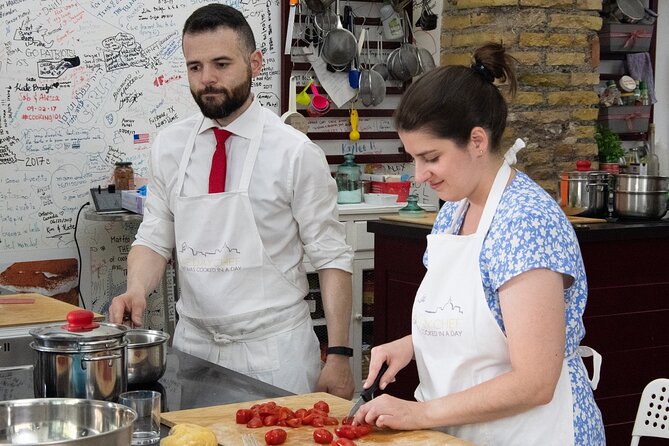
After ravioli, the class shifts to sauce building and pasta technique. You’ll make fresh tomato sauce from scratch, and you’ll also learn fettuccine cacio e pepe—a Roman classic that lives on restraint. The sauce isn’t about hiding mistakes with lots of ingredients. It’s about timing, texture, and simple seasoning done correctly.
This is where the small techniques really pay off. Roman cooking often focuses on getting the fundamentals right: dough texture, pasta timing, and how you combine ingredients so the sauce clings instead of turning loose. When you cook at your own station, you’re forced to learn those fundamentals instead of letting someone else “handle it.”
In the class flow, the chef uses a mix of traditional recipe approach and practical tools. People describe it as traditional recipes with modern technique—meaning you get respect for the classic method but you’re not stuck in a slow process that only works if you’re a professional.
If you’ve cooked pasta before and it sometimes feels inconsistent, this segment is a good fix. Even if you don’t nail everything on the first try, you’ll walk away with clearer mental rules for how the sauce should behave.
You can also read our reviews of more tours and experiences in Rome


Tiramisù and Espresso Finish: Dessert That Teaches More Than Sweetness
The final course is traditional tiramisù, and the class ends with coffee and/or tea. Tiramisù is often treated like a simple dessert in cooking classes—mix, assemble, done. Here, it’s part of the teaching arc, not just a reward.
You learn how to assemble and manage texture so it stays good rather than watery. That’s a skill you can use outside of this class, because the principles apply to other layered desserts.
And then there’s espresso, which fits Rome perfectly. It’s included, and it helps the entire experience land like a complete meal rather than a snacky cooking demo. You end with something that tastes like you earned it.
What’s Included With Your Meal: Wine, Water, Wi-Fi, and a Certificate
This experience includes water and wine, plus wine tasting as part of the program. You’ll have wine with your meal, and there are also snacks along the way. That matters for value because it reduces the need to plan extra drinks or pay separately during the event.
You’ll also get free Wi-Fi and a certificate. These details don’t affect the cooking, but they make the experience feel like a real school program, not just a casual group activity.
There’s also a practical feature that often goes unnoticed: you’ll have video recipes and recipes via email. This turns the class into a lasting skill rather than a one-day memory.
Eat What You Make: Portion Expectations and Why It Feels Fair
At the end, you sit down to the meal you helped create. The best part of a class like this is that it doesn’t feel like you contributed only a small part. With the station setup and the guided steps, everyone ends up eating their own work.
People often point out that there’s a lot of enjoyment from cooking and then actually tasting the results. You’ll likely have enough food to feel satisfied without needing to hunt for dinner afterward.
Also, expect leftovers to be possible since you’re making a full course set. That’s helpful if you’re traveling with someone who wants to keep eating Rome flavors after the class.
Recipes by Email: The Part That Helps You Cook It Again at Home
Here’s the practical magic: after the class, you’ll receive the recipes by email so you can replicate what you learned at home. You also get video recipes. That combination helps because you’re not just remembering a method—you’re revisiting the steps with guidance.
If you’ve ever cooked something after a trip and realized you forgot the critical detail, this is your solution. Pasta and sauce work is mostly about small timing and texture cues. Video helps you reconnect those cues when you’re in your own kitchen.
For beginners, the follow-up content makes the class less intimidating. For experienced cooks, it gives you a Roman-method reference you can compare to your habits.
Who This Works Best For (And Who Might Feel Less Thrilled)
This class is built for beginners and competent cooks alike. People specifically mention Chef Matteo being patient and answering questions, which makes it easier if you feel nervous about dough or basic pasta mechanics.
It also works well for families. There are mentions of an 11-year-old enjoying the class and kids having fun while learning real cooking steps. Because each person has a station, kids aren’t just watching—they’re working.
It can be a great choice if you want a change from Rome sightseeing: instead of another museum, you’re doing something active and social that ends with a meal.
The main mismatch: if you strongly prefer to watch rather than cook, or you’re short on time and want only a quick tasting, this format may feel like more effort than you want.
Should You Book This Private Cooking Class With Chef Matteo?
If your goal is to take a piece of Rome home as an actual skill, book it. The biggest reasons are simple: you cook, you eat what you make, and you get recipes and videos afterward. The station setup makes the class feel fair for everyone in your group, and the small maximum group size keeps the chef’s attention where it should be.
Book it even if you’re a beginner—this kind of guided ravioli and cacio e pepe practice is hard to find as a one-off, and it’s hard to learn on your own without a chef clarifying what “right” looks like.
Skip or reconsider if you want a low-effort experience, or if you’re the type who hates hands-on tasks. This is cooking training with food as the reward, not a tasting-only evening.
If you’re going to do one cooking class in Rome, this is the type that tends to stick.
FAQ
How long is the private cooking class?
It lasts about 3 hours.
Is this class private?
Yes. It’s a private experience, just you and the chef, with a maximum of 8 people per booking.
What dishes will I make during the class?
You’ll learn to make handmade ravioli from scratch, fresh tomato sauce, fettuccine cacio e pepe, and traditional tiramisù, plus there’s a homemade pizza tasting.
Are drinks included?
Yes. You’ll get a welcome prosecco drink, water and wine with your meal, coffee and/or tea, and wine tasting is included.
Do they offer vegetarian options?
Yes. Vegetarian options are available, and you should advise at booking time.
Do I get recipes to make the food again at home?
Yes. You receive recipes via email, and the experience includes video recipes.
What is the cancellation policy?
You can cancel for a full refund up to 24 hours in advance. If you cancel less than 24 hours before the start time, the amount you paid isn’t refunded.